America’s eye on geostationary orbit now rides a Japanese satellite

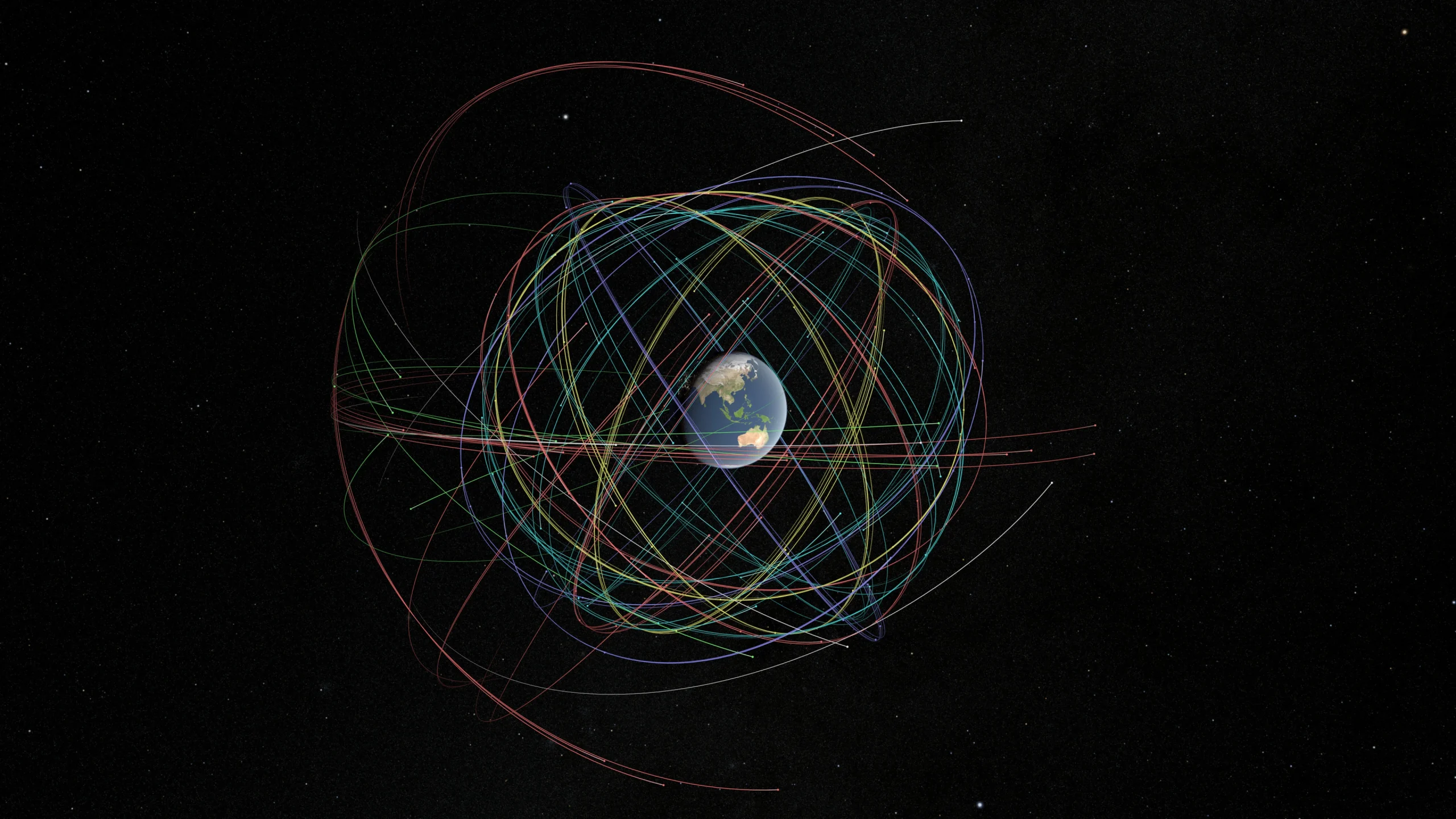
To watch geosynchronous orbit above the Indo-Pacific, the US Space Force did not launch a satellite of its own. It put its sensor on a Japanese navigation spacecraft. QZS-7, lofted from Tanegashima on an H3 rocket on 10 August, carries the second and final payload of a bilateral programme that is now complete.
At a Glance
- What happened: The second and last space-domain-awareness sensor of the US-Japan hosted payload programme reached orbit, completing the effort.
- When: 10 August 2026, H3 rocket, Tanegashima Space Center.
- Host: QZS-7 (Michibiki 7), part of Japan’s Quasi-Zenith Satellite System.
- Sensor: Built for the US Space Force by MIT Lincoln Laboratory.
- Mission: Near-real-time data on activity in geosynchronous orbit over the Indo-Pacific, fed to the US Space Surveillance Network.
- Operator: Mission Delta 2, headquartered at Peterson Space Force Base, Colorado.
Owning the view without owning the satellite
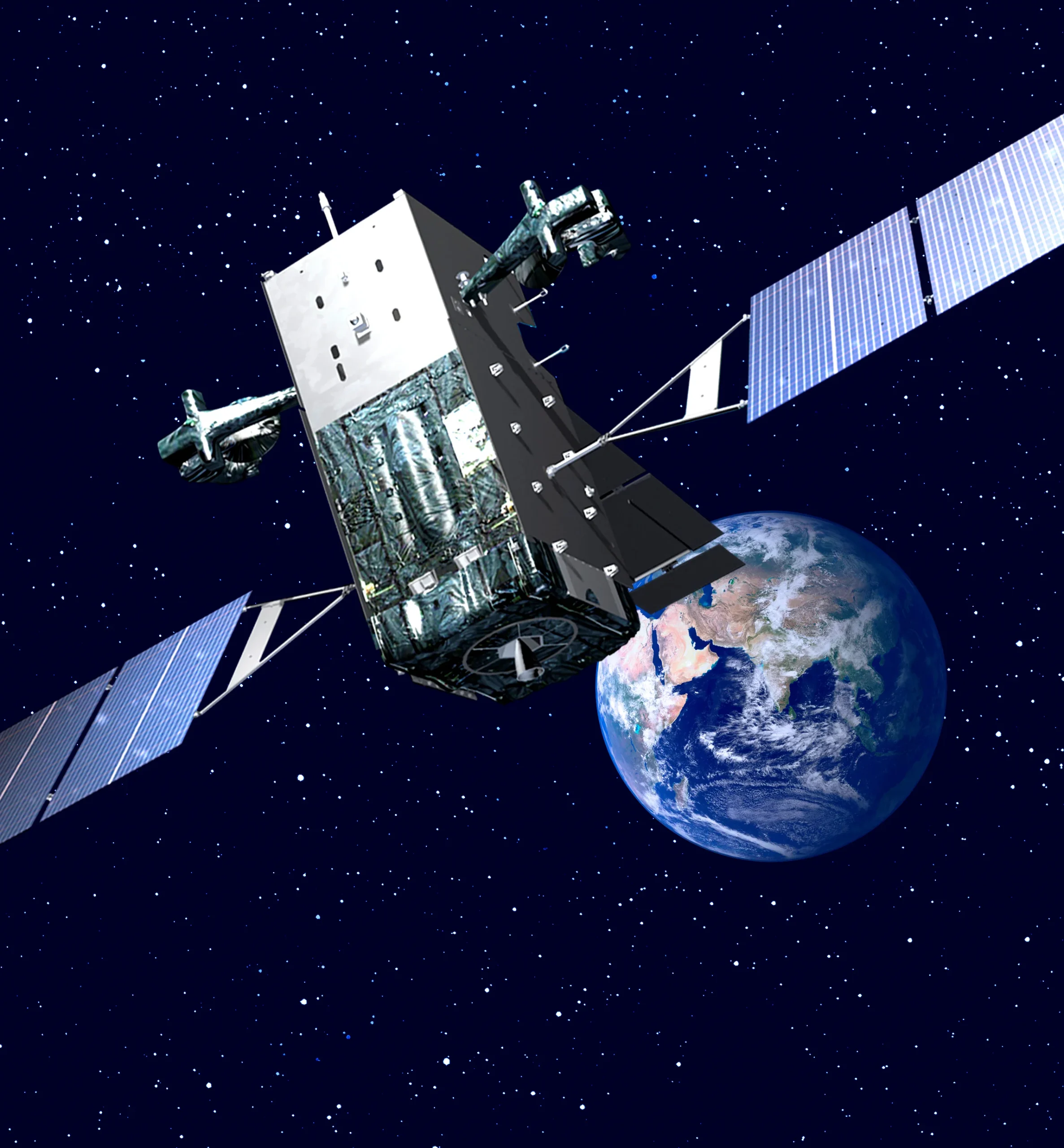
The most expensive way to see what is happening in orbit is to design, build and launch a dedicated surveillance satellite. For the Indo-Pacific, the US Space Force chose a cheaper and faster route and put its sensor aboard a spacecraft an ally was launching anyway. Japan’s QZS-7 lifted off from the Tanegashima Space Center on an H3 rocket on 10 August 2026 carrying an American space-domain-awareness payload, the second and final piece of the programme.
MIT Lincoln Laboratory in Massachusetts built the sensor. Its task is to track objects moving through geosynchronous orbit — the belt roughly 36,000 kilometres up where a spacecraft matches the Earth’s rotation — and pass what it sees to the US Space Surveillance Network in near real time. Mission Delta 2, based at Peterson Space Force Base in Colorado, operates the payload, with the data routed through the multi-mission space operations enclave at Schriever.
Why the geosynchronous belt matters
That belt is where military communications, early warning and strategic intelligence satellites park. A spacecraft locked to the Earth’s rotation can stare at the same region without interruption, which is why the most valuable payloads live there — and why knowing what the neighbours are doing is a first-order concern. Rendezvous and proximity manoeuvres by major space powers in recent years have kept one question permanently open: is that spacecraft merely observing, or is it built to interfere with something else?
Ground-based optical and radar tracking runs into its limits at that altitude. Distance, atmosphere, weather and daylight all get in the way. The remedy is to move the eye into the orbit itself, where a sensor can resolve manoeuvres and close approaches that never register from the ground. Brig. Gen. Brian Denaro, commander of US Space Forces Pacific, framed the programme as a concrete example of strengthening security across the region.
QZSS hosted payload programme
| Programme | Quasi-Zenith Satellite System Hosted Payload (QZSS-HP) |
| Legal basis | December 2020 agreement between the US Space Force and Japan |
| Sensor developer | MIT Lincoln Laboratory |
| First sensor | Aboard QZS-6, early 2025 |
| Second sensor | Aboard QZS-7 (Michibiki 7), 10 August 2026, H3 rocket |
| Orbit | Geosynchronous belt over the Indo-Pacific |
| Data flow | Near real time to the US Space Surveillance Network |
| Operating unit | Mission Delta 2, Peterson Space Force Base, Colorado |
| Integration | Two years of joint US-Japanese work |
Hosted payloads: a space strategy for smaller budgets
The model is more interesting than the hardware. A hosted payload rides as a tenant on somebody else’s spacecraft: the host pays for the launch, the bus, the power and the communications backbone, while the guest funds only its sensor and data link. It lowers cost, compresses schedule and ties two countries into the same data chain. Col. Bryon McClain called the launch a testament to the alliance’s capacity for rapid modernisation, while Col. Gina Peterson, deputy commander of Mission Delta 2, described the programme as a key contributor against peer adversaries in space.
For middle powers trying to build a presence in orbit on a constrained budget, that model is a template. Turkey’s own orbital capability opened with GÖKTÜRK-1 and GÖKTÜRK-2 and has deepened with the radar-imaging GÖKTÜRK-3 and domestic platform work. Space domain awareness — tracking objects rather than photographing the ground — is a separate discipline that usually begins with a ground-station network. The appeal of the hosted-payload route is precisely that it delivers a result faster than standing up a programme from scratch.
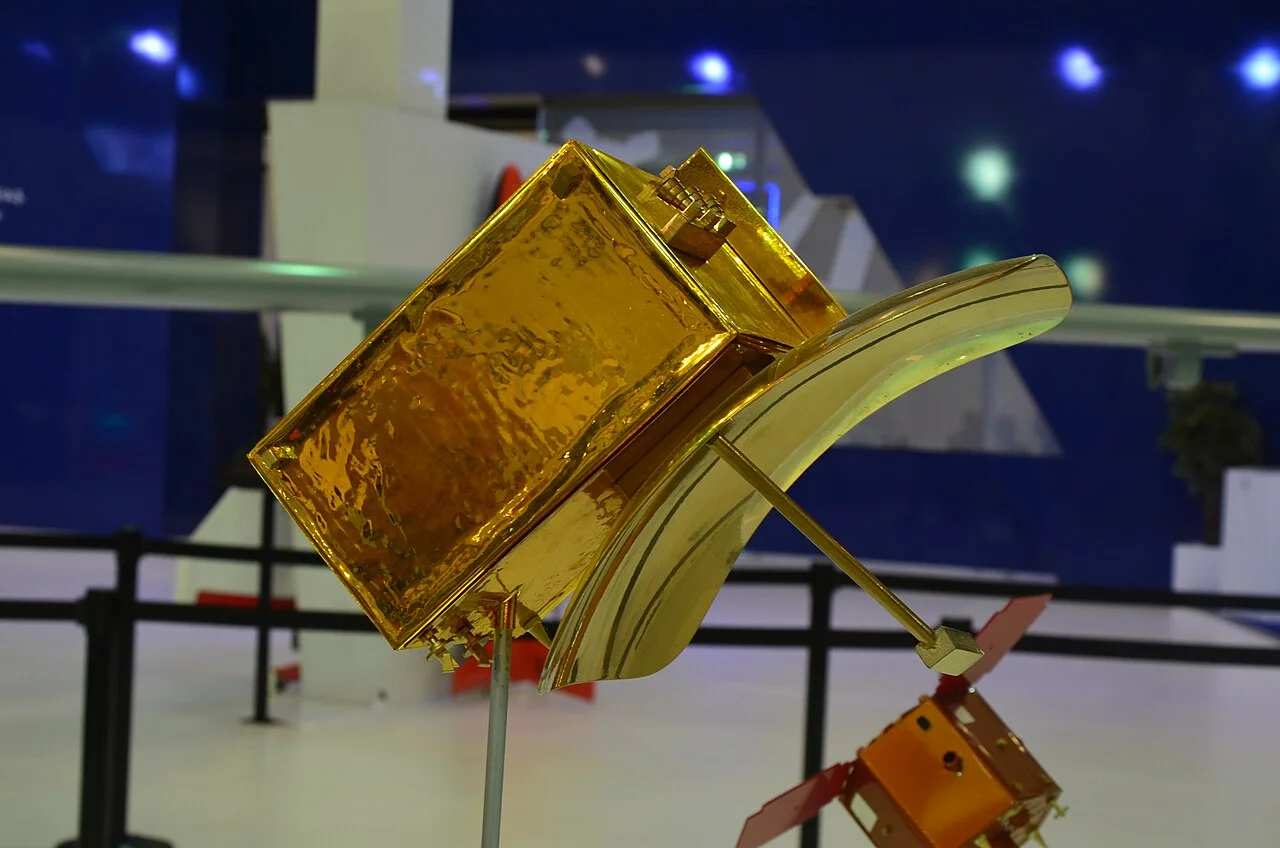
The US-Japanese programme is complete at two sensors, but the architecture it leaves behind is the point. A payload carried on an ally’s satellite generates more than data; it produces interoperability and mutual dependence.
Sources
- Defence Industry Europe — US Space Force and Japan complete QZSS hosted-payload launches, 16 August 2026
- US Space Systems Command — QZSS Hosted Payload programme releases
- SpaceNews — Space Force delivers second US payload hosted on a Japanese satellite
- JAXA / Michibiki — QZS-7 launch bulletin, 10 August 2026