Ukraine’s Patriots went zero-for-two: what an interceptor shortage actually looks like

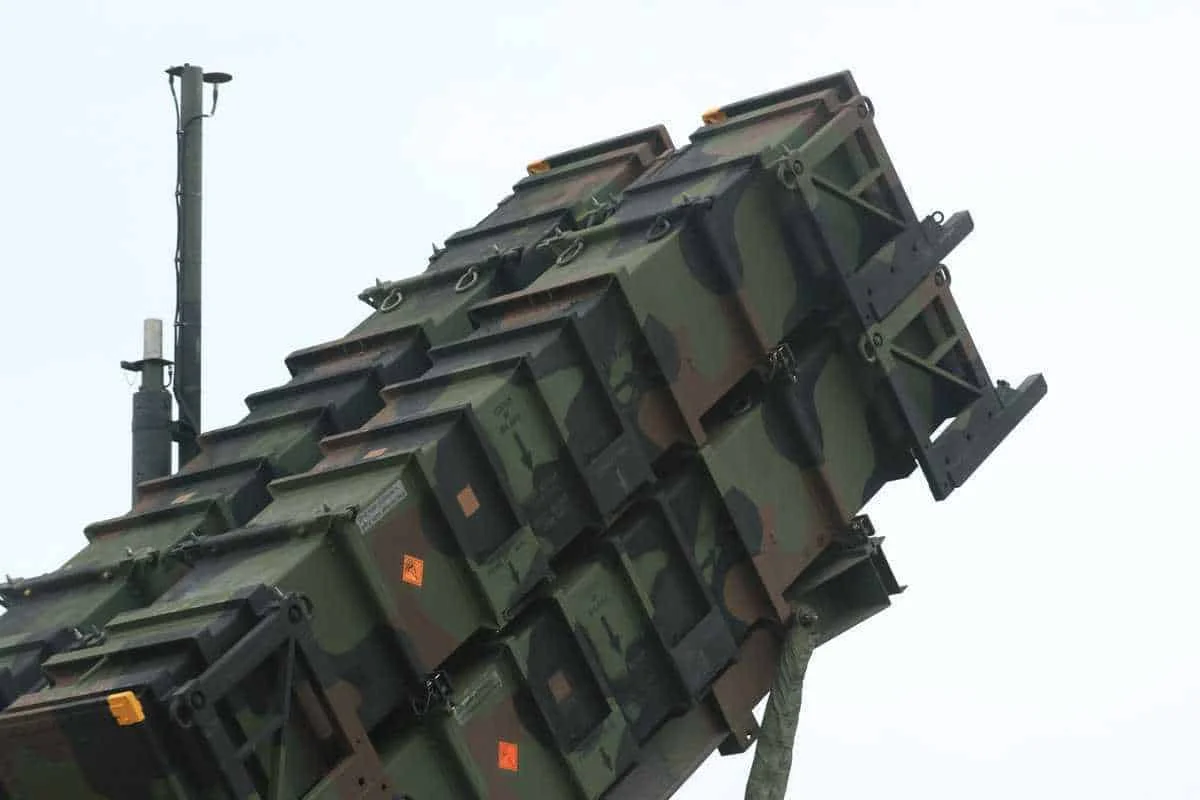
Ukraine’s air defence has crossed an uncomfortable threshold. Ukrainian Patriot crews recorded no successful ballistic missile intercepts during two major Russian attacks, on 5 and 8 August 2026. The problem is not the system. It is the magazine: PAC-3 interceptor stocks have run down, and a launcher without rounds is a radar picture with no answer attached.
At a Glance
- What happened: Zero ballistic missile intercepts during the Russian strikes of 5 and 8 August 2026.
- Source: The Financial Times reported on 15 August that some Ukrainian Patriot crews had exhausted their limited interceptor stocks.
- The gap: The number of working launchers and the number of available rounds have come apart.
- The threat: PAC-3 is Ukraine’s principal answer to Russia’s Iskander-M ballistic missiles; nothing else in the inventory substitutes.
- Production reality: PAC-3 seekers and guidance electronics are precision items; the line cannot surge to match sudden combat consumption.
- Consequence: Kyiv must concentrate remaining rounds on priority targets and absorb the rest with NASAMS, IRIS-T, Soviet-era systems and electronic warfare.
Launchers present, rounds absent
Nothing exposes the difference between owning a system and fielding a capability quite like an empty magazine. In Ukraine’s case the radars work, command and control is intact, launchers are in position — and across two of the heaviest raids of the month, the ballistic intercept count came back zero. That is an inventory result, not a performance one.
The Financial Times reported on 15 August that some Ukrainian Patriot crews had burned through their limited interceptor stocks during recent Russian attacks. At battery level that means seeing the inbound and being unable to engage it. A fire-control solution with nothing on the rail is just a warning.
Ukraine’s air defence is layered by design: NASAMS and IRIS-T in the middle tier, Soviet-legacy systems underneath, guns, interceptor drones and electronic warfare for cheap mass. None of those layers replaces Patriot against a high-speed ballistic target. The terminal velocity and manoeuvre of an Iskander-M class missile make interception a job only a PAC-3-class round can do.
Which is the part that gets skipped in most air defence conversations. The threat sets the answer. Having many systems does not close a ballistic gap; only the right interceptor does.
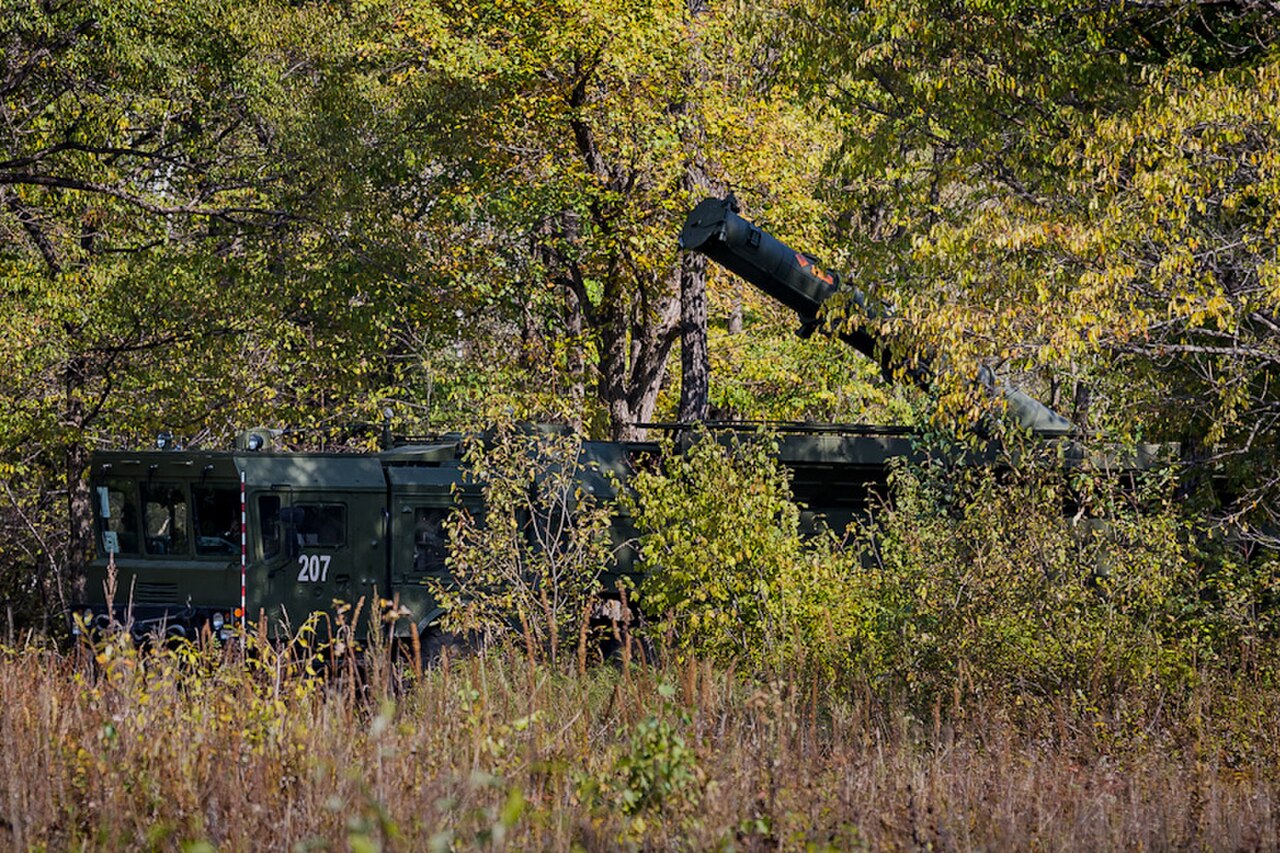
When consumption outruns production
The PAC-3 family sits at the demanding end of air defence munitions: an active radar seeker, precision guidance electronics, an attitude control motor and the accuracy budget that hit-to-kill requires. Each of those depends on a small number of qualified suppliers. Output from a line like that does not rise the quarter an order is placed; it takes tooling, plant and trained people, and pays back over years.
Combat does not respect that timetable. A single heavy night can consume dozens of rounds that take months to build. The resulting gap is not Ukraine’s alone — allied inventories, Western home readiness and third party deliveries all queue at the same factory gate. It becomes an allocation problem, and allocation problems are settled politically.
The military consequence is more direct. If Moscow assesses that Ukrainian Patriot units are rationing rounds, the incentive is to fire more ballistic missiles, not fewer. The defender’s stock management starts shaping the attacker’s targeting. The only lever left is concentration: hold the remaining interceptors over the power grid, command nodes and critical industry, and accept risk everywhere else.
That is Kyiv’s arithmetic now. Writing a priority list is the polite phrase for deciding, in advance, which targets will not be defended.
PAC-3 and the Ballistic Problem
| Interceptor | PAC-3 / PAC-3 MSE (hit-to-kill) |
| Primary target set | Short and medium range ballistic missiles |
| Critical threat in Ukraine | Iskander-M class ballistic missiles |
| Alternative layers | NASAMS, IRIS-T, Soviet-legacy systems, electronic warfare |
| Limit of alternatives | Effective against aircraft, cruise missiles and drones; not ballistic targets |
| Bottleneck | Seeker and guidance electronics production capacity |
| Reported status | Zero ballistic intercepts during the 5 and 8 August 2026 attacks |
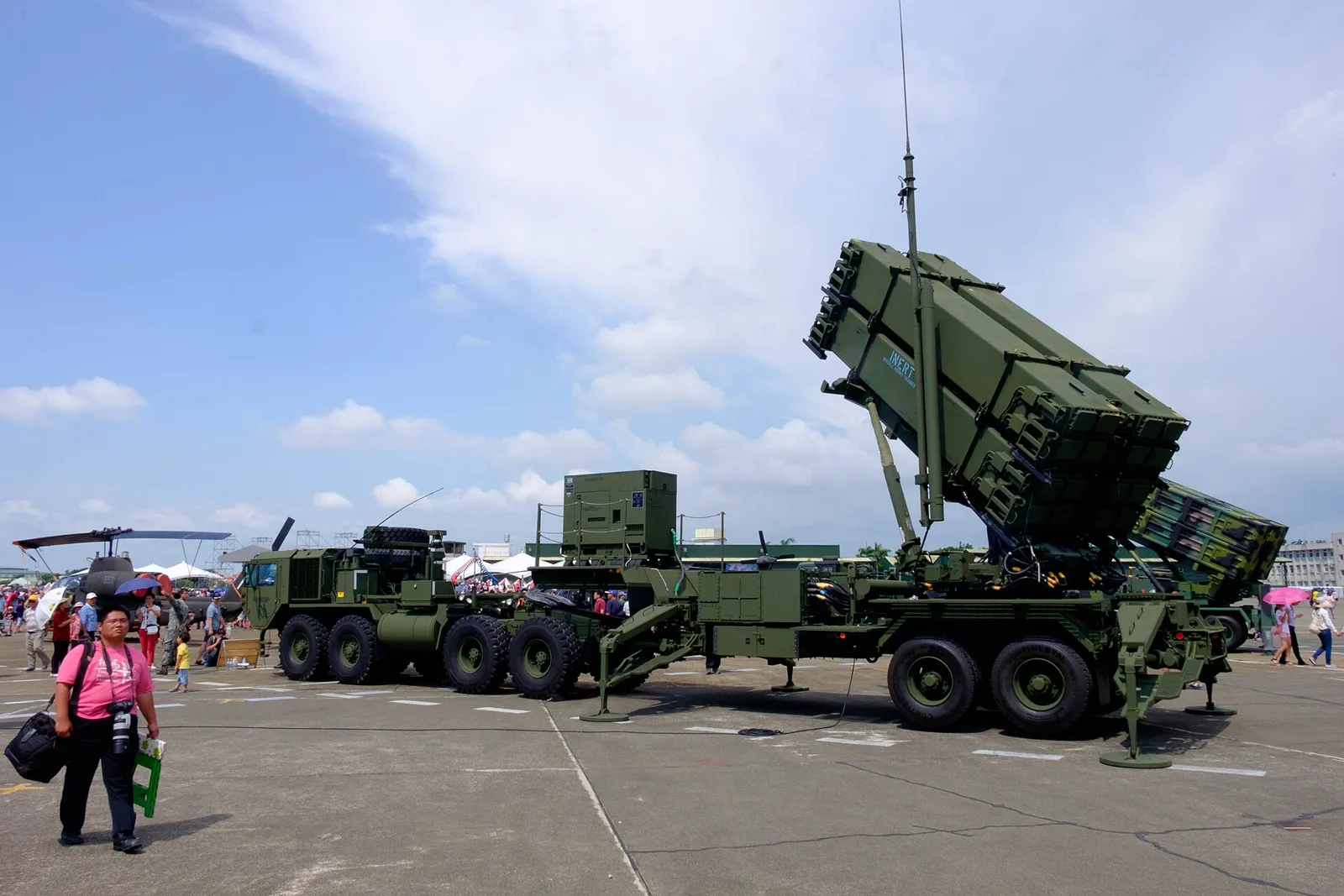
Magazine depth is an industrial question
The lesson travelling out of Ukraine is that buying air defence is a transaction, while sustaining it is a capability. A battery is a one-off decision; the munitions line that feeds it for a decade is a permanent one. Every additional month of war makes the second matter more than the first.
Turkey’s long-range air defence path is built on that distinction. SİPER’s staged maturation, with ASELSAN and Roketsan holding interceptor production onshore, means restocking in a crisis does not depend on another country’s build schedule. The layered logic of the Steel Dome architecture points the same way: not spending the most expensive interceptor on every threat is the most practical way to protect magazine depth.

Sources
- Army Recognition — “Ukraine’s U.S.-Made Patriot Missile Shortage Strains Air Defenses as Russia Intensifies Ballistic Strikes”, 16 August 2026
- Financial Times — report on Ukrainian Patriot crews’ interceptor stocks, 15 August 2026
- Lockheed Martin PAC-3 programme material (publicly released documentation)