Argentina’s Military Strength: Tanks, Jets and Warships (2026)

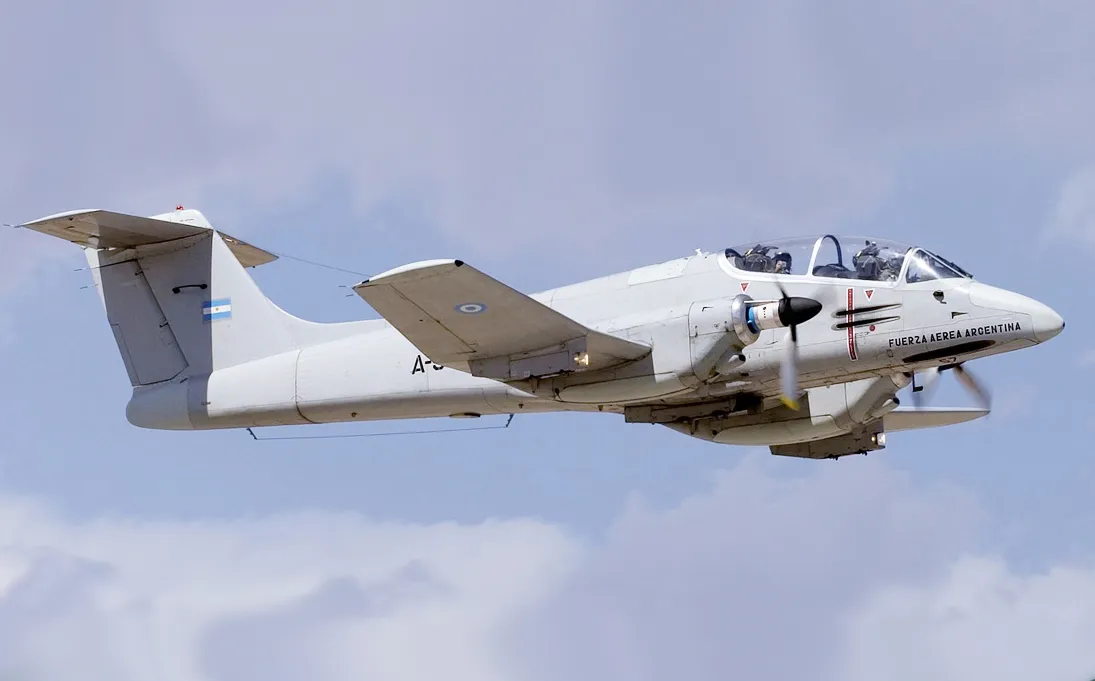
Argentina’s military inventory reflects the intersection of a strong defence-industrial heritage with years of budget constraints. The country is one of the rare South American states able to build its own medium tank (TAM), trainer/light-attack jet (IA-63 Pampa) and combat aircraft (IA-58 Pucará); yet economic volatility has left its fleets ageing. The F-16 acquisition finalized in 2024 and the renewal of selected naval platforms stand out as the first concrete steps of a long-deferred modernization.
At a Glance
- Active personnel: ≈ 73.000
- Main battle tanks (TAM): ≈ 230
- Military aircraft (total): ≈ 240
- Key platform: F-16 / TAM / MEKO 360
- GFP ranking: ≈ 30
- Submarines (operational): None
Note: The inventory figures below are approximate values drawn from open sources such as Global Firepower, the IISS Military Balance and SIPRI.
About the Argentina Armed Forces
The Argentine Armed Forces comprise the Army (Ejército Argentino), Air Force (Fuerza Aérea Argentina) and Navy (Armada Argentina), with around 73,000 active personnel. For much of the 20th century the country was a regional military power and built a defence industry capable of producing its own tank, combat aircraft and warships. FAdeA (aircraft), TAMSE (armoured vehicles) and domestic shipyards symbolize this accumulated capability.
From the 2000s onward, however, deepening economic crises pushed the defence budget to a very low share of GDP and deferred modernization for decades. As a result much of the inventory rests on platforms dating to the 1980s and 1990s: A-4AR Fightinghawk fighters, TAM tanks and MEKO-class ships still form the backbone. The decision to acquire 24 F-16A/B MLUs from Denmark in 2024 is a landmark step aimed at closing the supersonic-fighter gap that had persisted since the Mirages were retired in 2015.
Land Forces Inventory
| System type | Est. quantity |
|---|---|
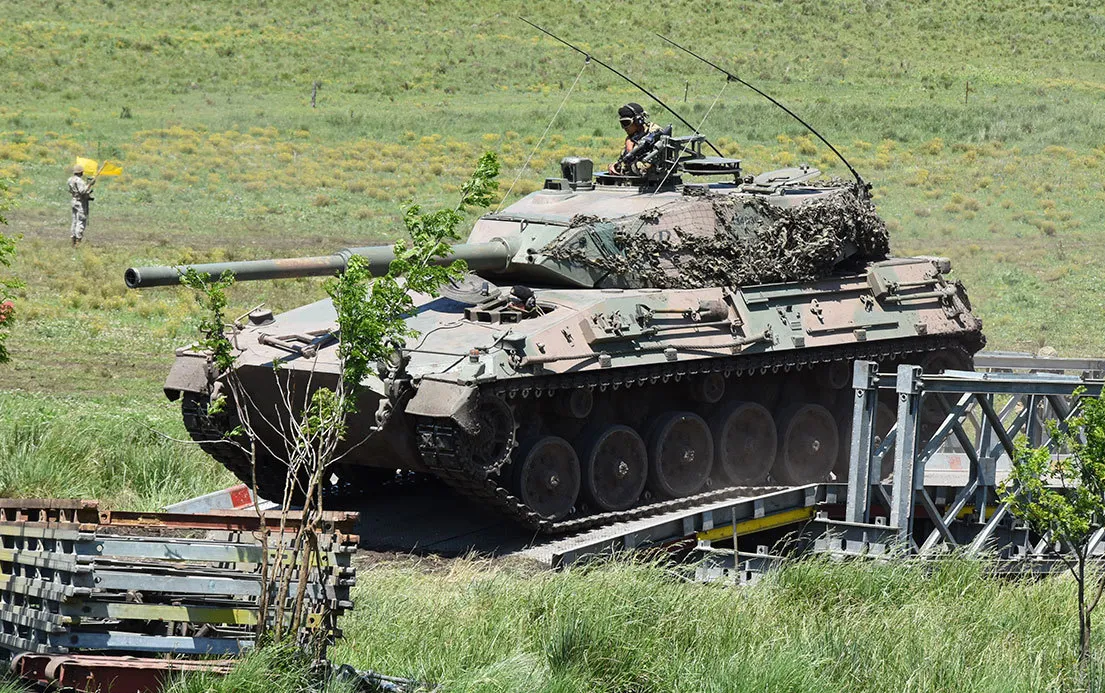
| Main battle / medium tanks (TAM — Tanque Argentino Mediano, domestic) | ≈ 230 |
| Light tanks (SK-105 Kürassier, Patagón) | ≈ 110 |
| Armoured fighting / personnel carriers (VCTP, M113, Mowag Grenadier) | ≈ 900 |
| Artillery — towed and self-propelled (CITER 155 mm, VCA 155 Palmaria, Oto Melara 105 mm) | ≈ 300 |
Air Force Inventory
| Platform | Est. quantity |
|---|---|
| Total military aircraft | ≈ 240 |
| Fighter / attack (A-4AR Fightinghawk, F-16A/B MLU — new, IA-58 Pucará) | ≈ 40 |
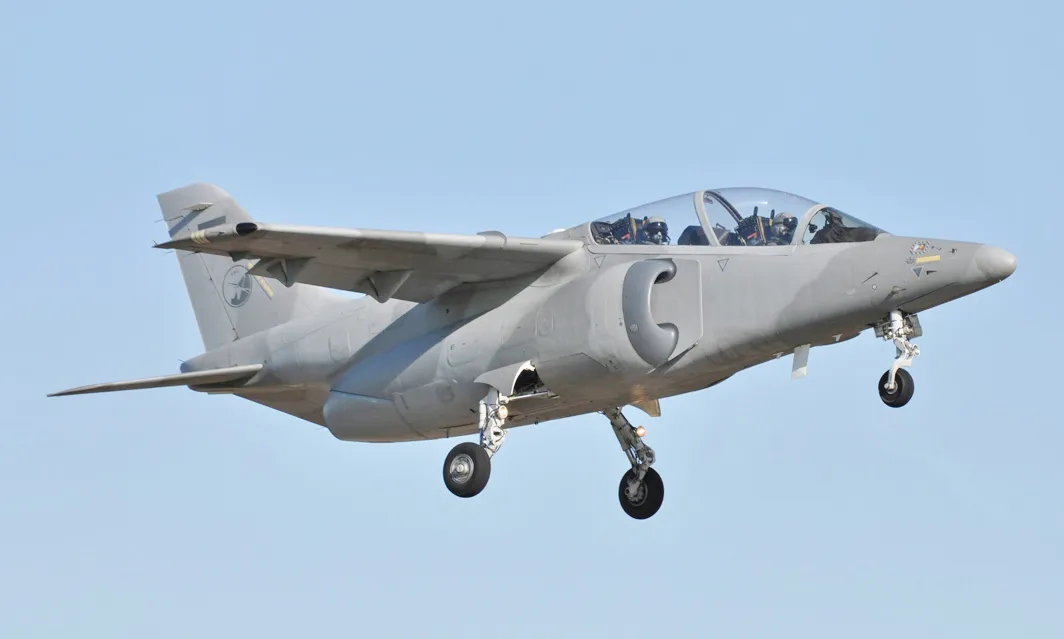
| Trainer / light attack (IA-63 Pampa III, T-6C+ Texan II, EMB-312 Tucano) | ≈ 55 |
| Transport and helicopters (C-130 Hercules, Saab 340, Bell 412, Mi-171) | ≈ 90 |
Missile and Air-Defence Systems
| System | Type / Note |
|---|---|
| Exocet MM38 / MM40 anti-ship missile (navy — MEKO 360 / MEKO 140) | Naval strike capability |
| Point air defence (Roland, RBS-70, TAM-based systems) | Short-range air defence |
| Air-to-ground guided munitions (Martín Pescador, AS-25K — domestic) | Tactical strike |
| Strategic missiles / long-range air defence | Not in inventory |
Naval Power
| Class / Type | Est. quantity |
|---|---|
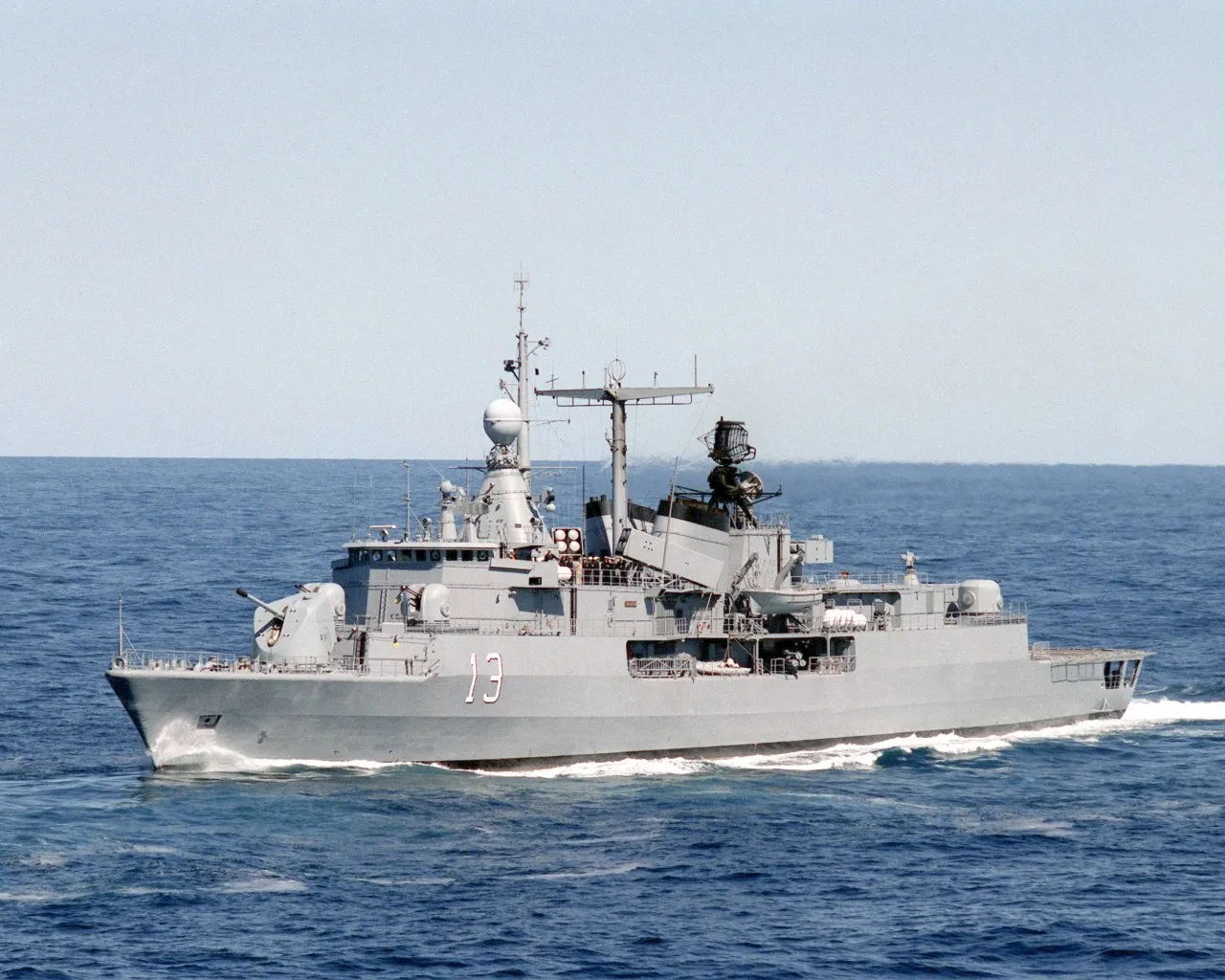
| Destroyers (MEKO 360 — Almirante Brown-class, German-built) | ≈ 4 |
| Corvettes / frigates (MEKO 140 Espora-class, Drummond / A69-class) | ≈ 8 |
| Offshore patrol vessels — OPV (Bouchard-class, OPV 87 / Gowind-derived) | ≈ 4 |
| Submarines (TR-1700 class — non-operational after the ARA San Juan loss) | 0 (operational) |
The Turkey Angle: Turkish Defence Industry
There is no concluded large-scale defence procurement contract between Turkey and Argentina to date, so the relationship is better read as a potential market than through an existing delivery. Even so, a concrete point of contact exists: in Argentina’s search for a fighter/trainer aircraft, the TAI Hürjet was among the candidates evaluated. Argentina ultimately opted for the F-16; yet export restrictions on UK-origin components (a legacy of the Malvinas/Falklands tension) emerged as a shared constraint affecting the Hürjet and several other candidates, complicating Argentina’s procurement equation.
This picture positions the relationship for the Turkish defence industry not as a ‘lost sale’ but as a maturing potential. Argentina’s extensive land borders and its South Atlantic and Antarctic areas of interest create natural demand for tactical and strategic reconnaissance-surveillance UAVs (Bayraktar TB2, Akıncı). For an ageing navy facing a submarine gap, MİLGEM-based corvette and frigate solutions — with unconditional export, technology transfer and joint production — offer parallel options for a Buenos Aires seeking alternatives to traditional suppliers. Today the relationship should be seen less as a realized cooperation than as a window of opportunity that Turkey’s Latin American outreach should take seriously.
Frequently Asked Questions
How many battle tanks does Argentina have? Argentina bases the armoured backbone of its land forces on the domestically built TAM (Tanque Argentino Mediano) medium tank, with roughly 230 TAMs in the inventory. These are complemented by light tanks such as the SK-105 Kürassier and the domestic Patagón. The TAM, developed on the basis of the German Marder, is one of the most important projects of the Argentine defence industry.
Which combat aircraft does Argentina operate? The Air Force’s supersonic fighter force long rested on the A-4AR Fightinghawk (a modernized A-4 Skyhawk) fleet. To close the gap left by the retirement of the Mirages in 2015, Argentina decided in 2024 to acquire 24 F-16A/B MLUs from Denmark. Alongside these, the domestic IA-63 Pampa trainer/light-attack jet, the IA-58 Pucará combat aircraft and T-6C+ Texan II trainers remain in service.
How many submarines does Argentina have? The Argentine Navy currently has no operational submarines. Of the German TR-1700 class, the ARA San Juan was lost with all hands in 2017; the remaining boats are effectively out of service due to maintenance and budget problems. This submarine gap is one of the most critical items on the country’s defence-modernization agenda.
Does Argentina have defence cooperation with Turkey? There is currently no concluded major procurement contract; the relationship is at the level of a potential market. However, the TAI Hürjet was among the candidates evaluated in Argentina’s fighter/trainer search, and the country’s vast geography (UAVs) and its need for naval renewal (MİLGEM-based platforms) create a demand profile that aligns with the Turkish industry.
Bottom Line
Argentina possesses a deep-rooted defence-industrial tradition that once produced its own tank, combat aircraft and warships; yet decades of economic crisis have largely frozen that potential. The inventory reflects a transitional era in which a strong engineering heritage coexists with ageing platforms: the domestic TAM tank and Pampa jet are preserved with pride, while the F-16 acquisition and naval-renewal steps are the first signs of a long-deferred modernization. The submarine gap is the most fragile point. For Turkey, Argentina is not a realized export success today; but along the axes of UAVs, naval platforms and trainer/fighter aircraft, it is a potential Latin American market worth taking seriously given its multi-supplier approach.