Serbia’s Military Strength: Tanks, Fighter Jets and Missiles (2026)

Serbia’s military inventory takes shape where industrial capital inherited from Yugoslavia meets today’s limited defence budget. With roughly 28,000 active personnel the country fields a mid-sized force by Balkan standards, and it stands out for quality rather than numbers: the centre of gravity of its inventory is artillery it designs and builds itself. Having no sea access, it has no navy in the conventional sense, maintaining instead a river flotilla on the Danube and the Sava. Its air force, meanwhile, sits on the threshold of a renewal deferred for decades.
At a Glance
- Active personnel: ≈ 28.000
- Main battle tanks: ≈ 230
- Military aircraft (total): ≈ 115
- Key platform: Nora B-52 / MiG-29 / Rafale F4 (from 2028)
- GFP ranking: ≈ 60
- Sea access: Landlocked — river flotilla
Note: The inventory figures below are approximate values drawn from open sources such as Global Firepower, the IISS Military Balance and SIPRI.
About the Serbia Armed Forces
The Serbian Armed Forces (Vojska Srbije) comprise the Army, the Air Force and Air Defence Command, and a River Flotilla subordinate to the Army. With conscription suspended in 2011, active strength stands at around 28,000, backed by some 50,000 reservists. The defence budget has been raised steadily in recent years, and a return to conscription has become a fixed item on the political agenda.
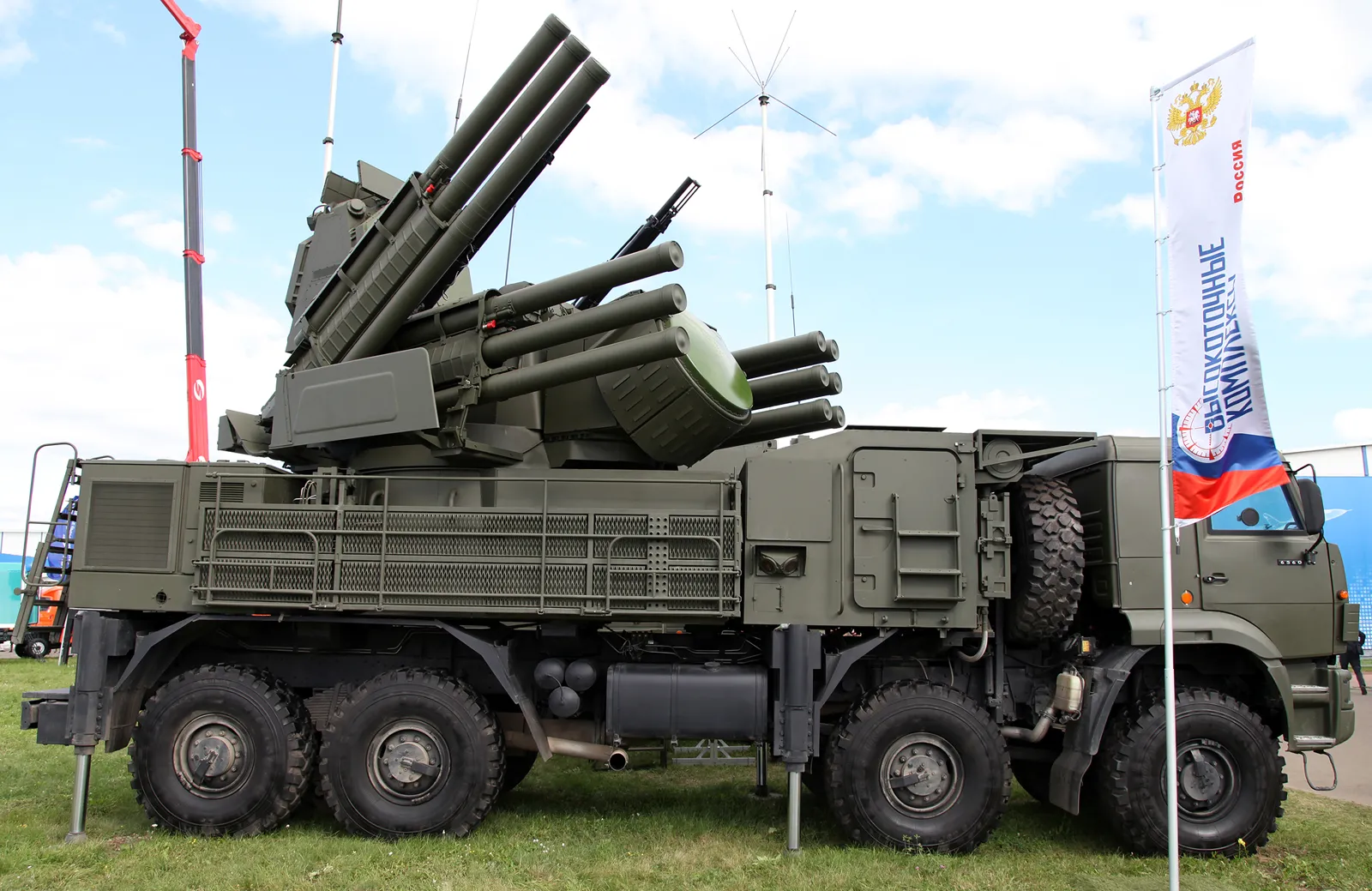
What sets the country apart from other militaries in the region is the industry behind the armed forces. The state entity Yugoimport SDPR, together with plants such as Krušik, Sloboda Čačak and Zastava, sustains an export-capable capacity in artillery systems, guided rockets, armoured vehicles and above all 155 mm ammunition. The Nora B-52 self-propelled howitzer and the Šumadija rocket system are the showcase of that accumulation. Procurement policy is deliberately multi-vector: the Pantsir-S1 and Mi-35M from Russia, the HQ-22 air-defence system and CH-92A armed drones from China, and Mistral missiles and Rafale fighters from France all come together in one inventory.
Land Forces Inventory
| System type | Est. quantity |
|---|---|
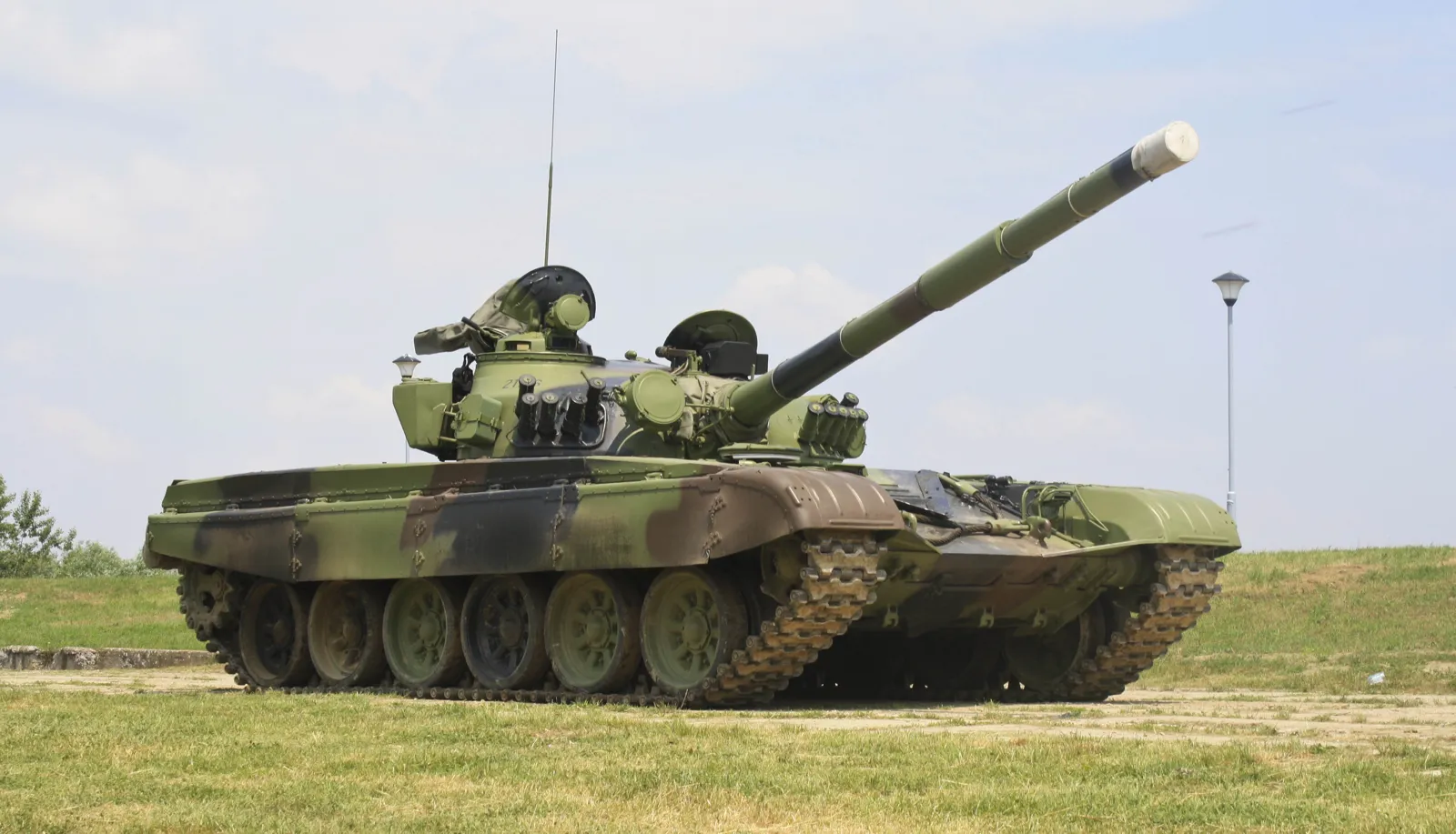
| Main battle tanks (M-84, T-72MS, M-55S in storage) | ≈ 230 |
| Armoured fighting vehicles (BVP M-80A, Lazar 3 8×8, Miloš 4×4, BOV, BRDM-2) | ≈ 900 |
| Howitzers — self-propelled and towed (indigenous Nora B-52 155 mm, Aleksandar 155 mm, 2S1 Gvozdika, D-30) | ≈ 500 |
| MLRS (indigenous Oganj/Morava, M-63 Plamen, Šumadija 262-400 mm guided rockets) | ≈ 80 |
Air Force Inventory
| Platform | Est. quantity |
|---|---|
| Total military aircraft | ≈ 115 |
| Fighters (MiG-29 — a contract for 12 Rafale F4 was signed in 2024, deliveries from 2028) | ≈ 14 |
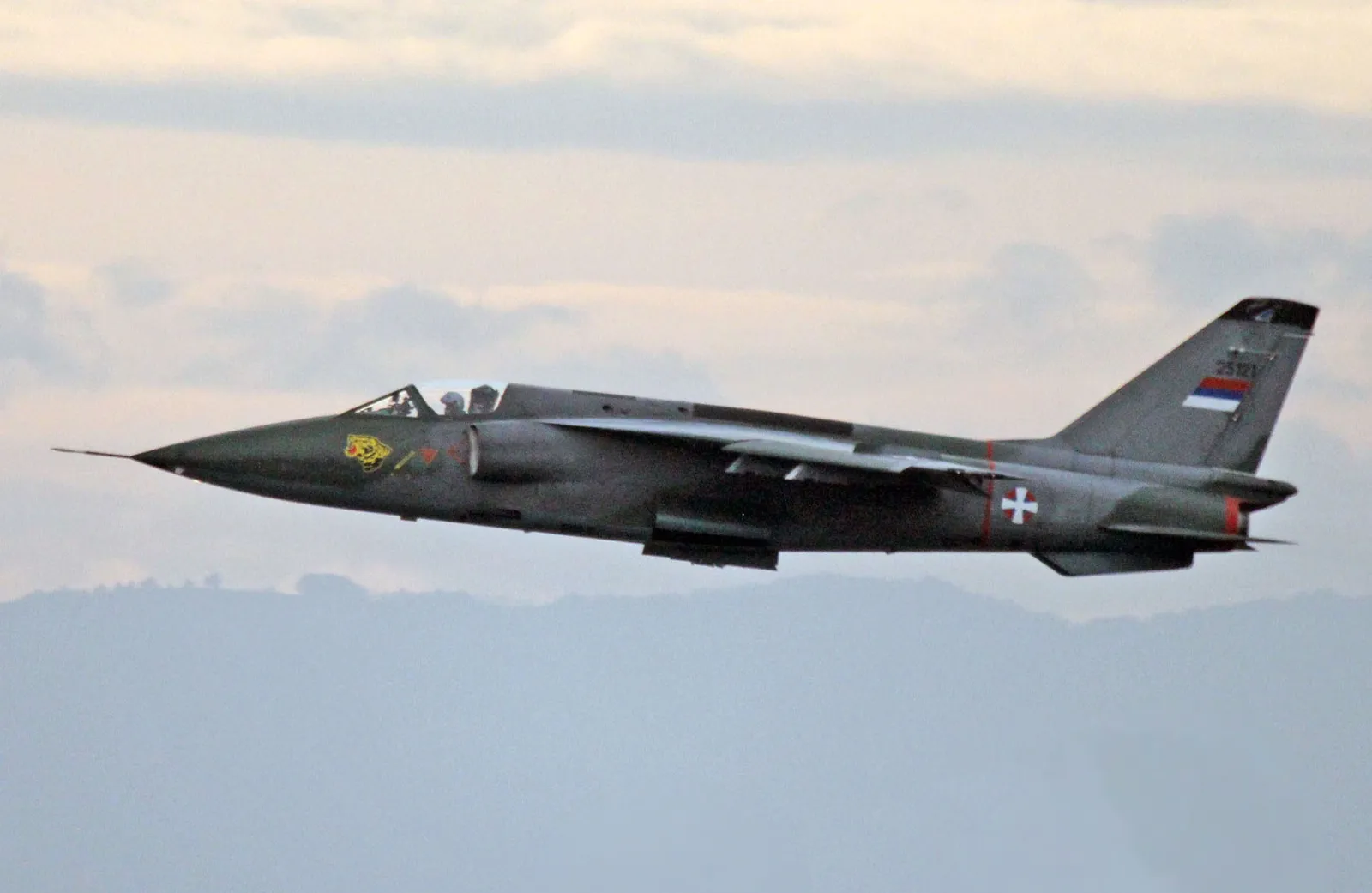
| Attack and trainer aircraft (indigenous J-22 Orao, G-4 Super Galeb, Lasta 95) | ≈ 40 |
| Helicopters (Mi-35M, Mi-17V-5, Airbus H145M, Gazelle/Gama) | ≈ 60 |
Missile and Air-Defence Systems
| System | Type / Note |
|---|---|
| Pantsir-S1 (Russian-origin, 2020) | Short-to-medium-range point air defence |
| HQ-22 / FK-3 (Chinese-origin, 2022) | Medium-to-long range; the first European state to field a Chinese-built SAM |
| Indigenous PASARS-16 plus modernised S-125 Neva-M, Kub/2K12, Strela-10 | Layered short-to-medium-range backbone |
| Mistral 3 and RBS-70 MANPADS | Very short range; no ballistic missiles in the inventory |
Naval Power
| Class / Type | Est. quantity |
|---|---|
| Naval force status | Landlocked — lost its coastline when Montenegro separated in 2006 |
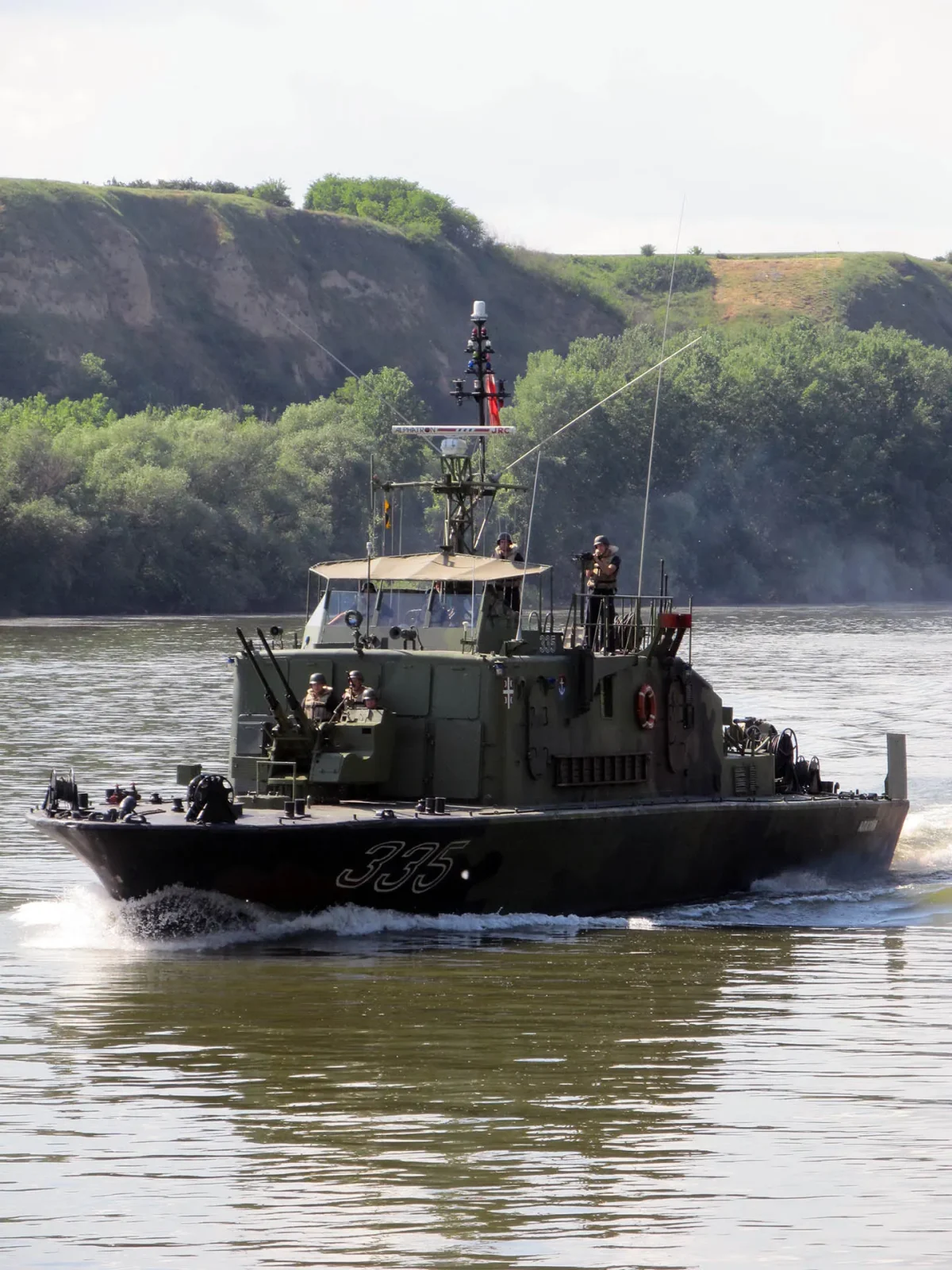
| River Flotilla (on the Danube and Sava) | The sole naval element, subordinate to the Army |
| River minesweepers (Neštin-class) and patrol craft | ≈ 20 |
| Frigates / corvettes / submarines | None |
The Turkey Angle: Turkish Defence Industry
There is no concluded defence procurement contract between Turkey and Serbia, and the honest way to read this relationship is to see Serbia as a competing producer rather than a potential customer. Yugoimport’s Nora B-52 howitzer and Šumadija rocket system meet ROKETSAN and MKE products directly in African and Asian markets, and Serbian 155 mm ammunition production competes in the same tenders as the Turkish munitions industry. The difference in scale is nonetheless clear: while Turkish defence and aerospace exports have reached the 7-billion-dollar band annually, Serbian officials cite figures in the region of 1 billion dollars. Turkey’s advantage is not only volume but an integrated industrial base able to run UAV, air-defence, naval-platform and combat-aircraft programmes at the same time.
The second and more decisive axis is geopolitical. Political and economic ties between Ankara and Belgrade have grown markedly in recent years, and Turkey has become one of Serbia’s significant trading partners; that convergence, however, has not yet reached defence procurement. The main reason is the Kosovo file: Turkey’s delivery of Bayraktar TB2s to Kosovo in 2023-2024 was followed closely in Belgrade and was among the factors that accelerated Serbian investment in air defence and counter-drone capability. That in itself indicates how much weight Turkish platforms carry in the regional equation. Treating Serbia as an export market in the short term is not realistic; but the two defence industries will remain actors that touch one another — competing in third markets while intersecting in ammunition and sub-system supply chains.
Frequently Asked Questions
How many tanks does Serbia have? Serbia has roughly 230 main battle tanks in its inventory. The backbone consists of M-84s, developed from the T-72 during the Yugoslav era and built domestically; around 30 T-72MS tanks received from Russia in 2020-2021 were added to them. Most of the older M-55S tanks have been withdrawn from active service.
Which combat aircraft does Serbia operate? Its supersonic fighter force rests on some 14 MiG-29s, part of which were received from Russia and Belarus in 2017-2019 and then modernised. Alongside them serve indigenous J-22 Orao attack aircraft and G-4 Super Galeb and Lasta 95 trainers. Under a contract signed with France in 2024, Serbia will acquire 12 Rafale F4s, with deliveries expected to begin from 2028.
Does Serbia have a navy? Not in the conventional sense. When Montenegro declared independence in 2006, Serbia lost its coastline and became a landlocked state. Its naval element consists solely of the River Flotilla subordinate to the Army: Neštin-class river minesweepers, patrol craft and bridging assets operating on the Danube and the Sava. There are no frigates, corvettes or submarines in the inventory.
Is there defence cooperation between Serbia and Turkey? There is no concluded procurement contract. The two defence industries are mostly competitors in third markets, especially in artillery systems and ammunition. Although political and economic relations have developed in recent years, the Kosovo file remains the structural factor limiting any convergence in the defence field.
Bottom Line
Serbia is one of the clearest illustrations of what it means for a small army to build its own weapons: a force of 28,000, yet the strongest artillery inventory in the Western Balkans and an export-capable defence industry. Its strengths are ground artillery, guided rockets and ammunition; its weak links are an air force left unrenewed for decades and the strategic constraint of a landlocked position. Adding the French Rafale next to the Russian Pantsir-S1 and the Chinese HQ-22 sets out Belgrade’s refusal to tie itself to a single supplier. For Turkey, Serbia is not a market but a competitor encountered in third countries — and a military actor in the Balkan equation that warrants close attention.