Mauritania’s Military Power: How Many Tanks, Aircraft and Ships Are in the Inventory? (2026)

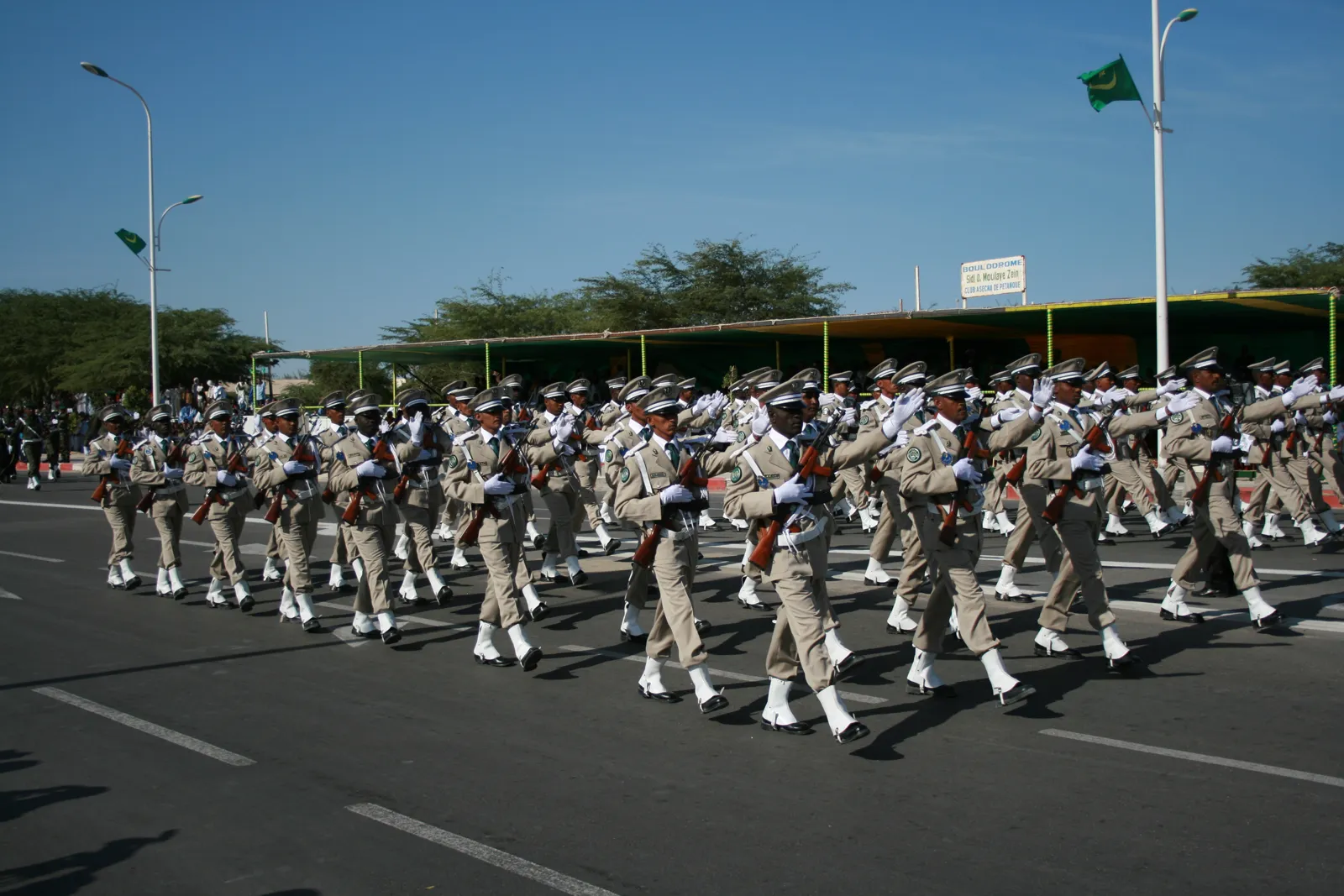
Mauritania’s military inventory shows one of the Sahel’s steadiest armies patching an old Soviet, French and British legacy with newer Chinese systems. The absence of a major terrorist attack on its soil since 2011 has made Nouakchott a point of interest for Western and Gulf partners as Mali collapsed next door. A 754 km Atlantic coast, 5,002 km of land border and vast desert explain why the army favours light mobile units and air surveillance over heavy armour. Türkiye is not yet in the inventory but at the table: institutional agreements exist, a verified platform does not.
At a Glance
- Active personnel: Global Firepower counts 31,540 active, 66,000 reserve and 5,000 paramilitary personnel; other open sources give a lower active figure (16-20 thousand), so the number should be read as approximate
- Main battle tanks: GFP counts 51 tanks; open sources indicate they are old Soviet-design T-54/55s and the real ready number may be much lower
- Armoured vehicles: GFP counts 5,024 vehicles (broad definition including armed pickups and logistics vehicles); the core is French Panhard AML-90, ERC-90 and M3, British Saladin and the newer Chinese-built WMA-301
- Artillery and rocket launchers: GFP counts 75 towed guns; self-propelled artillery and rocket launchers are zero. Open sources list D-30, D-74 and M101 howitzers and Brandt 120 mm mortars
- Military aircraft: GFP counts 23 aircraft in total: zero fighters, 4 attack aircraft (A-29B Super Tucano), 7 transports and 4 helicopters; Chinese-built BZK-005E drones are also reported
- Defence budget: GFP shows 270.6 million dollars; estimates range from 262 to 322 million dollars depending on the source
Note: The inventory figures below are approximate values drawn from open sources such as Global Firepower, the IISS Military Balance and SIPRI.
About the Mauritania Armed Forces
The Mauritanian Armed Forces consist of the National Army, National Navy and Islamic Air Force; the Gendarmerie and National Guard form a paramilitary layer under the Ministry of the Interior. The President is Mohamed Ould Ghazouani and Hanena Ould Sidi appears as Minister of Defence, Veterans and Martyrs’ Children. According to Wikipedia the Chief of Staff is General Mohamed Val Ould Rayess. Headquarters are in Nouakchott and conscription lasts two years.
In the Global Firepower 2026 ranking Mauritania is 123rd of 145 with a PwrIndx of 2.7919. Population is about 4.33 million; GFP lists 31,540 active, 66,000 reserve and 5,000 paramilitary personnel, roughly 102,500 in total. Other open sources put the active force at 16-20 thousand, so personnel numbers should be read as approximate. The defence budget is 270.6 million dollars in GFP and 262-322 million dollars in other sources; coastline is 754 km and land borders 5,002 km.
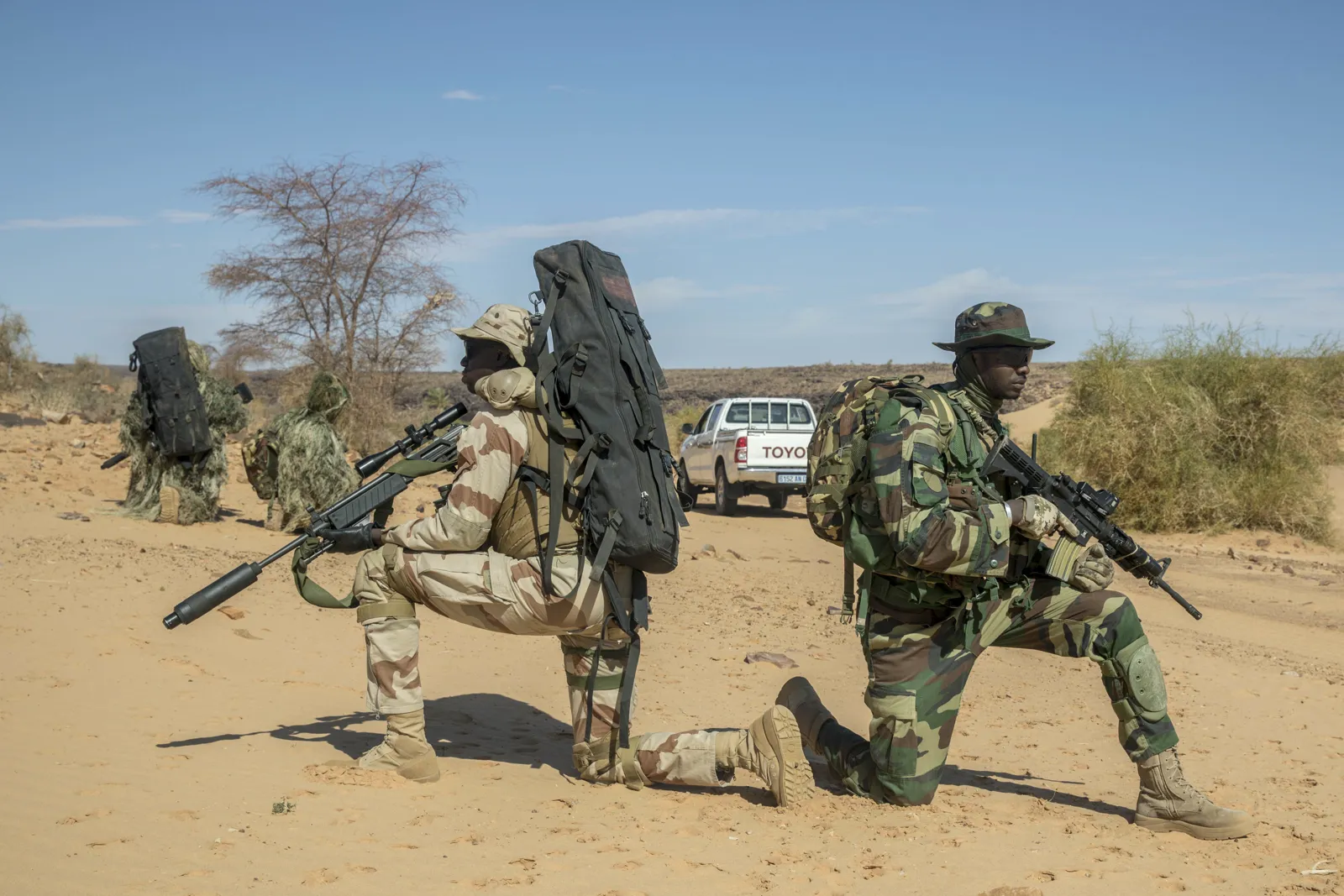
The land inventory is old and mixed. GFP counts 51 tanks; open sources indicate they are Soviet-design T-54/55s. The armoured core is light wheeled vehicles such as the French Panhard AML-60/AML-90, ERC-90 Sagaie and M3 and the British Saladin. GFP counts 5,024 vehicles but that broad definition includes armed pickups and logistics vehicles. 20 WMA-301 fire-support vehicles are reported to have arrived from Norinco in 2024-2025.
Artillery is limited: GFP counts 75 towed guns, with no self-propelled artillery or rocket launchers. Open sources mention D-30, D-74 and M101 howitzers and Brandt 120 mm mortars; on the anti-tank side there are MILAN missiles and recoilless rifles. Air defence amounts to about 100 SA-7 man-portable missiles, a few SA-9s, some 80 towed anti-aircraft guns and a reported 8 Chinese-built Yitian-L systems.
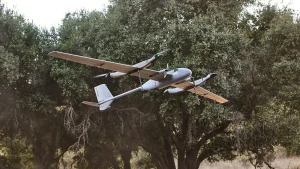
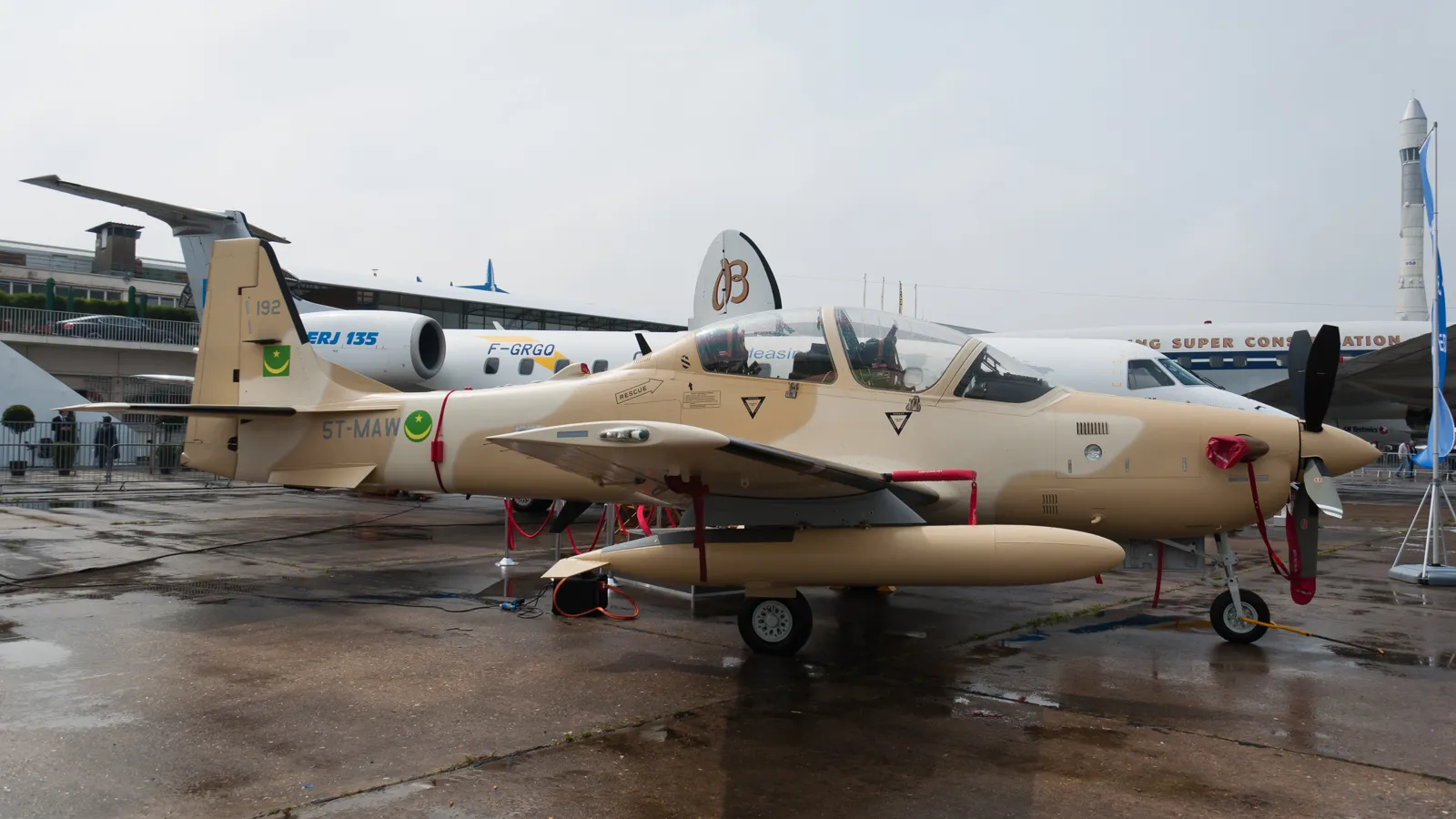
The Air Force operates no fighters. GFP counts 23 aircraft: 4 attack aircraft (Embraer A-29B Super Tucano), 7 transports and 4 helicopters. Types such as the BN-2 Defender, Harbin Y-12, Xian Y-7, Cessna 208 Grand Caravan and DHC-5 Buffalo appear in open sources for the transport and surveillance fleet. Open sources also report 8 Chinese-built BZK-005E MALE drones; there is no official delivery announcement for the Bayraktar TB2.
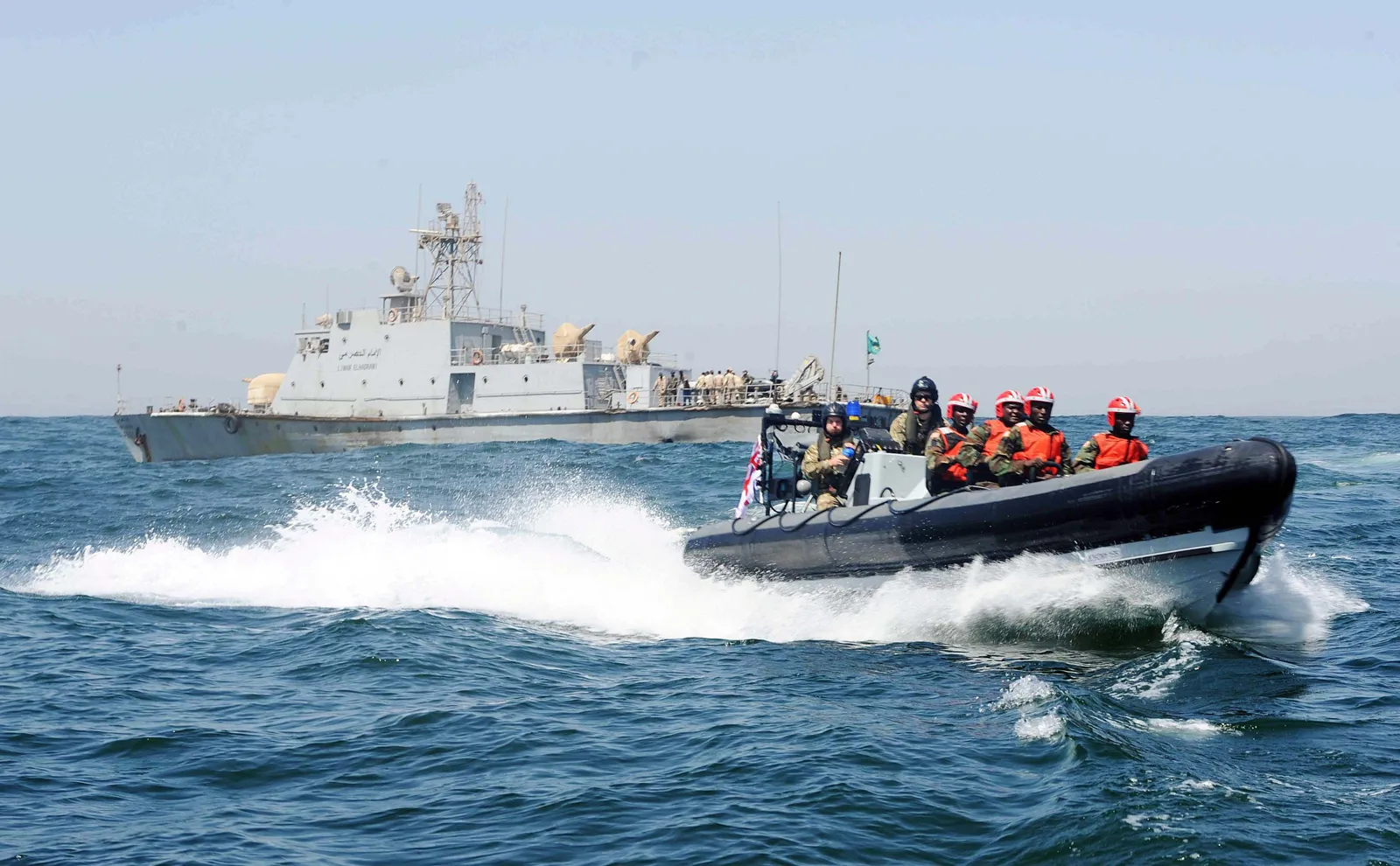
The navy was founded in 1966 and is based at Nouadhibou and Nouakchott. GFP counts 6 patrol craft: the Chinese-built Limam El Hadrami (2001), Timbedra and Gorgol (2016), the French-built Aboubekr Ben Amer and El Nasr and the German-built Z’bar. Conejera-class boats were handed over by Spain in 2010. There are no frigates, corvettes or submarines; the task is surveillance against illegal fishing and migrant smuggling and search and rescue.
Land Forces Inventory
| System type | Est. quantity |
|---|---|
| Main battle tanks | 51 units of the old T-54/55 class; there is no modern tank fleet and these are mostly used in static defence and border posts |
| Armoured reconnaissance and combat vehicles | French Panhard AML-60/AML-90 and ERC-90 Sagaie and British Saladin wheeled armour, plus Panhard M3 carriers. Light wheeled vehicles suited to desert conditions form the backbone of the army |
| Newer Chinese-built systems | According to open sources, 20 WMA-301 wheeled fire-support vehicles arrived from Norinco in 2024-2025; the number and delivery date are not officially announced, so treat them as approximate |
| Anti-tank weapons | MILAN guided anti-tank missiles plus M40 and M20 recoilless rifles; the inventory is old and limited, with weak modern anti-tank capability |
Air Force Inventory
| Platform | Est. quantity |
|---|---|
| Total military aircraft | GFP counts 23 aircraft; fighters are zero. The air arm rests on light attack, surveillance and transport aircraft |
| Light attack aircraft | GFP counts 4 attack aircraft: the Embraer A-29B Super Tucano, a low-cost turboprop used for border surveillance and counter-terrorism in the Sahel |
| Transport and surveillance aircraft | GFP counts 7 transports; Britten-Norman BN-2 Defender, Harbin Y-12, Xian Y-7, Cessna 208 Grand Caravan and DHC-5 Buffalo types appear in open sources |
| Helicopters and drones | GFP counts 4 helicopters and no attack helicopters. Open sources report 8 Chinese-built BZK-005E MALE drones; there is no official delivery announcement for the TB2 |
Missile and Air-Defence Systems
| System | Type / Note |
|---|---|
| Man-portable air-defence missiles | Open sources list about 100 SA-7 Strela-2 and a few SA-9; the systems are old and limited against a modern air threat |
| Short-range air defence | 8 Yitian-L short-range air-defence systems are reported delivered from China in 2024-2025; official confirmation is limited |
| Anti-aircraft guns | ZU-23-2 twin-barrel guns, S-60 57 mm and KS-19 100 mm guns; roughly 80 towed anti-aircraft guns are recorded |
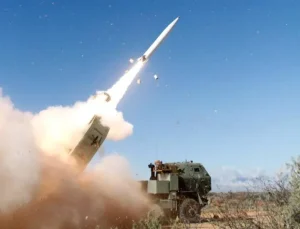
| Ballistic and cruise missiles | None. Mauritania has no ballistic or cruise missile capability; its air defence is limited to old man-portable missiles, guns and new short-range systems |
Naval Power
| Class / Type | Est. quantity |
|---|---|
| Patrol vessels | GFP counts 6 patrol craft; there are no frigates, corvettes or submarines. Limam El Hadrami (2001) and Timbedra and Gorgol (2016) are Chinese-built, Aboubekr Ben Amer is French-built |
| Coastal boats and other units | French Patra-class El Nasr, German Neustadt-class Z’bar and Conejera-class patrol boats handed over by Spain in 2010; a landing ship from China is reported (2019) |
| Coastline and mission | According to GFP, 754 km of Atlantic coastline; the navy (founded 1966) protects fishing waters, watches against illegal fishing and migrant smuggling and conducts search and rescue, based at Nouadhibou and Nouakchott |
The Turkey Angle: Turkish Defence Industry
The defence link between Türkiye and Mauritania is for now more institutional than visible in the inventory. According to defensa.com, Defence Minister Hanena Ould Sidi and Turkish National Defence Minister Yaşar Güler signed a military cooperation framework agreement and a memorandum of understanding during IDEF 2025 in Istanbul; the text reportedly targets training, equipment and technical support. As this comes from a single source, details are not verified.
In May 2026 Ould Sidi held bilateral talks with Güler and SSB head Haluk Görgün at SAHA EXPO; the Mauritanian state agency AMI reported the meetings but no new signing was announced. Some user lists name Mauritania as a Bayraktar TB2 operator, but without an official delivery announcement this article refers to it only as “reported” and does not add it to the inventory as a confirmed Turkish platform.
On the market side, Mauritania’s needs overlap with areas where Turkish industry is strong: light armoured vehicles to replace ageing T-54/55 and Panhard fleets, tactical drones for border and coastal surveillance, coastal patrol boats and training cooperation. These are potential areas; there is no announced contract.
The competitive picture must be read realistically: China (Norinco and the BZK-005E) has been the main supplier in recent years, France and Brazil (A-29B) in training and aviation, Spain in coastal boats, and Czechia is at the table with a NATO-backed defence cooperation agreement. Türkiye’s edge is price, delivery speed and cooperation without political conditions, but whether that edge has become a concrete contract has not been made public.
Frequently Asked Questions
How many tanks does Mauritania have? Global Firepower counts 51 tanks; open sources indicate they are old Soviet-design T-54/55s and the real ready number may be lower.
Does Mauritania have fighter jets? No. GFP shows zero fighters; the main air element is 4 Embraer A-29B Super Tucano light attack aircraft.
What has Mauritania bought from Türkiye? No verified Turkish platform is in the inventory. The Bayraktar TB2 is reported on user lists but has no official delivery announcement; press reports say the two countries signed a military framework agreement.
How large is Mauritania’s defence budget? GFP shows 270.6 million dollars; other sources give a range of 262-322 million dollars.
How many ships does the Mauritanian Navy have? GFP counts 6 patrol craft; there are no frigates, corvettes or submarines. The units come from China, France, Germany and Spain.
Bottom Line
The Mauritanian inventory shows a small but stable Sahel army trying to renew old equipment with new Chinese packages: 51 old tanks, light wheeled armour, an air force with no fighters and 6 patrol craft. For Türkiye the picture is not yet inventory but institutional groundwork: an IDEF 2025 framework agreement and SAHA 2026 talks, but no verified delivery. Armour renewal, tactical drones and coastal boats offer a potential market; the article relies only on publicly reported information to keep that distinction.