Israel’s Maris-Tech books repeat orders for defense observation system tech


Israel’s Maris-Tech has announced repeat orders from an existing defense customer for its edge-computing, AI-based defense observation system technology.
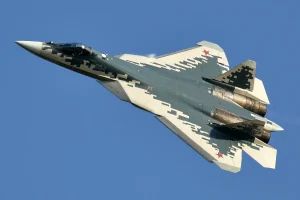
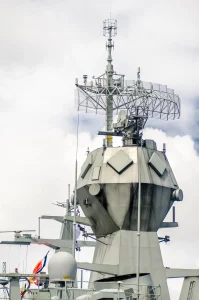
Representative image: Electro-optical observation system (representative)
Disclosed on 15 July 2026, the follow-on orders were placed over the previous two months by an existing defense customer. The company withheld the customer’s identity, the contract value and the delivery timeline. It said the repeat orders reflect the customer’s continued use of the technology following operational deployment.
Maris-Tech’s system combines edge computing, artificial intelligence and video processing to process and transmit data ‘at the point of collection,’ reducing the need for continuous high-bandwidth communications.
At a Glance
- Date: 15 July 2026 · Firm: Maris-Tech (Israel)
- Product: edge-computing, AI-based defense observation system tech
- Orders: follow-on from an existing customer (value/customer withheld)
- Key trait: process and transmit data at the point of collection (bandwidth saving)
- CEO Israel Bar: orders reflect ‘continued operational use’
Technology and use
The system is designed for unmanned platforms, surveillance equipment and intelligence applications in bandwidth-constrained environments. Processing data at the source cuts latency and reliance on continuous video streaming — a critical edge in electronic-warfare-heavy settings.
CEO Israel Bar said the follow-on orders ‘reflect the customer’s continued use of the company’s technology following its operational deployment.’ The company frames the announcement as a continuation of other recent defense contracts and product developments.
Why edge processing?
Modern defense systems generate ever more sensors and data, but hauling all of it to a central node is costly in both bandwidth and latency. Edge processing lets critical decisions be made close to the sensor, making distributed sensor networks easier to scale.
Demand for compact, real-time situational-awareness systems is rising as militaries and security organisations expand distributed sensor and edge-based processing capabilities.
Regional and strategic meaning
Competition in intelligence, surveillance and reconnaissance (ISR) now rests not just on a better camera but on the processing that turns data into usable information. Edge AI is becoming a core layer that boosts the autonomy and resilience of unmanned systems.
Israel’s defense industry holds a strong export position in such compact AI-video systems. For the unmanned-platform ecosystems of many countries, Turkey included, edge processing is becoming a defining component of indigenous ISR capability.