Russia’s Military Strength: How Many Tanks, Jets and Missiles? (2026)

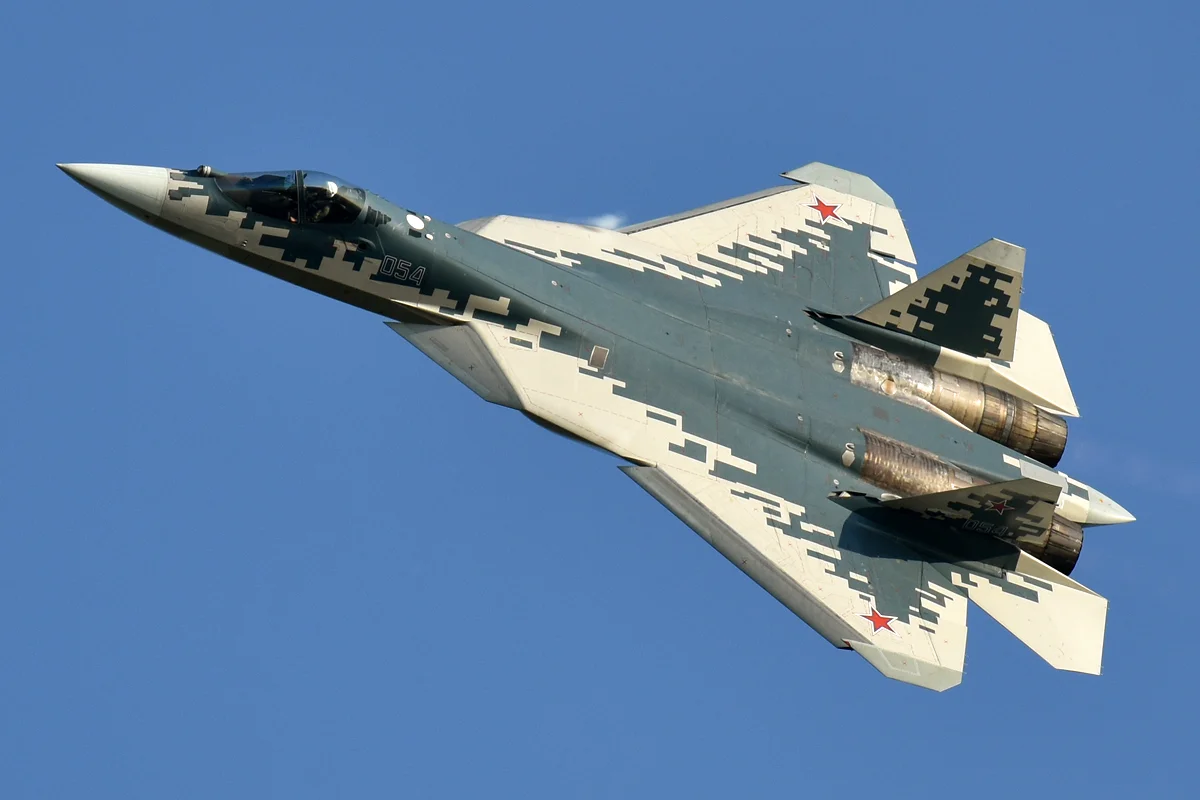
Russia’s military inventory combines the vast stockpiles of its Soviet legacy with modern systems. With tens of thousands of tanks, a large fighter fleet, S-400/S-500 air defences and hypersonic missiles such as the Kinzhal, the country also sits at the centre of nuclear deterrence.
At a Glance
- Active personnel: ≈ 1.100.000+
- Main battle tanks: ≈ 12.000 (depo dâhil)
- Military aircraft (total): ≈ 4.200
- Nuclear warheads: World’s largest stockpile
- Highlights: S-400/S-500, Iskander, Kinzhal
- GFP ranking: World No. 2
Note: The inventory figures below are approximate values drawn from open sources such as Global Firepower, the IISS Military Balance and SIPRI.
About the Russia Armed Forces
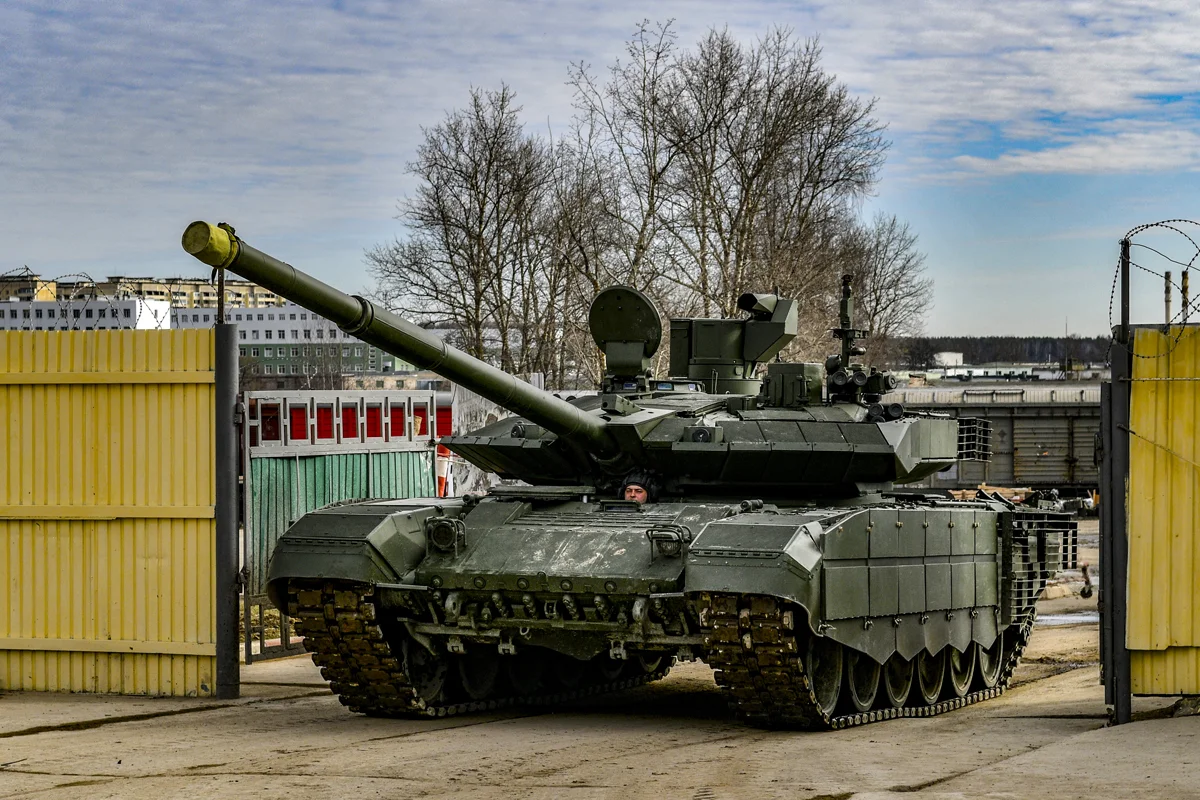
The Russian Armed Forces comprise the Army, Aerospace Forces and Navy, plus the Strategic Rocket Forces. Although much of the inventory is inherited from the Soviet era, it is being modernised with the T-90M, Su-57 and new missile systems.
The war in Ukraine has made both the size and the operational limits of the Russian inventory visible. Open sources frequently note that many platforms sit in storage and that the readily usable force is more limited than the total stock.
Land Forces Inventory
| System type | Est. quantity |
|---|---|
| Main battle tanks (T-90M, T-80, T-72B3) | ≈ 12.000 |
| Armoured fighting vehicles (BMP, BTR) | ≈ 30.000 |
| Howitzers (Msta, self-propelled) | ≈ 6.500 |
| MLRS (Grad, Smerch, Tornado) | ≈ 3.500 |
Air Force Inventory
| Platform | Est. quantity |
|---|---|
| Total military aircraft | ≈ 4.200 |
| Fighters (Su-35, Su-57, Su-30, MiG-31) | ≈ 1.500 |
| Bombers (Tu-160, Tu-95, Tu-22M) | ≈ 130 |
| Helicopters (Ka-52, Mi-28, Mi-24) | ≈ 1.500 |
Missile and Air-Defence Systems
| System | Type / Note |
|---|---|
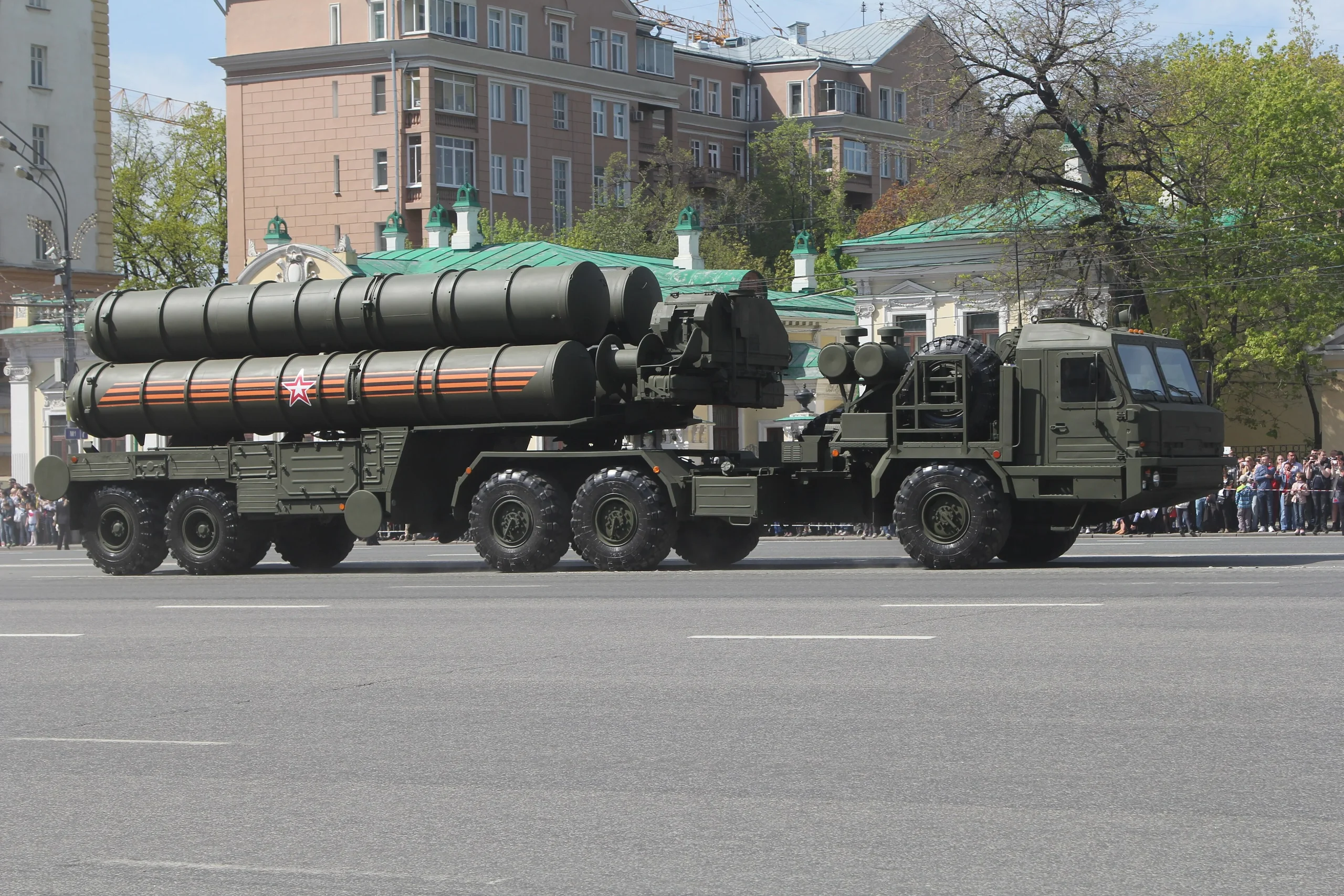
| S-400 / S-500 | Long-range air defence |
| Iskander-M | Short-range ballistic missile |
| Kinzhal / Zircon | Hypersonic missile |
| Sarmat / Yars | ICBM |
Naval Power
| Class / Type | Est. quantity |
|---|---|
| Total naval platforms | ≈ 350 |
| Aircraft carrier (Admiral Kuznetsov) | 1 |
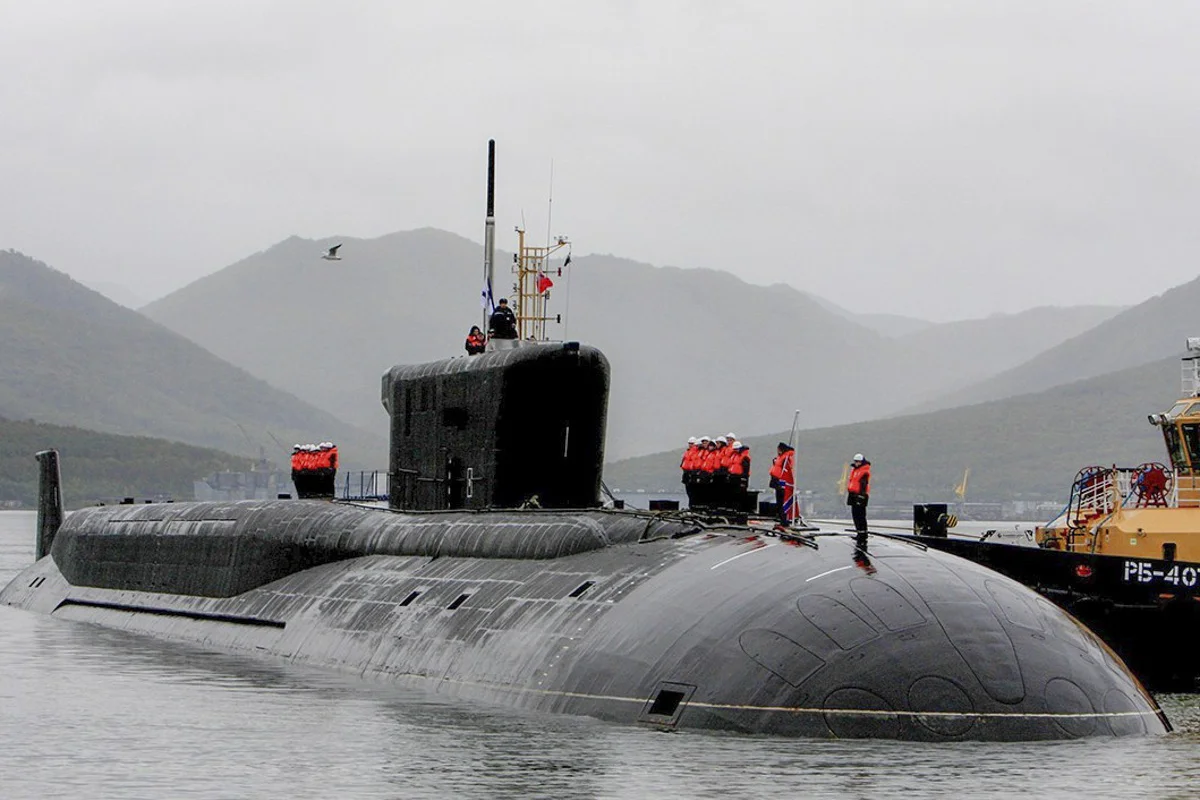
| Submarines (Borei, Yasen, Kilo) | ≈ 60 |
| Frigates / cruisers | ≈ 30 |
The Turkey Angle: Turkish Defence Industry
Russia is a complex actor with which Turkey pursues both competition and cooperation simultaneously. Turkey’s acquisition of the S-400 air-defence system from Russia was a historic decision that triggered the F-35 crisis with the United States.
Yet the two have often stood on opposing sides in Syria, Libya and Karabakh. While the Akkuyu nuclear plant and energy trade sustain cooperation, Turkey’s development of its own SİPER long-range air defence is read as part of a strategy to reduce dependence in this field and walk a balanced line.
Frequently Asked Questions
How many tanks does Russia have? About 12,000 including those in storage; the readily usable number is significantly lower.
What is Russia’s strongest air defence? The S-400 and the emerging S-500 form the backbone of its long-range air defence.
What is the Kinzhal? An air-launched hypersonic missile noted for its high speed and manoeuvrability.
Bottom Line
With nuclear deterrence, a vast land inventory and modern missile systems, Russia is the world’s second military power. For Turkey it represents a complex relationship — shaped by procurement items like the S-400 and by regional rivalry — that must be managed in balance.