GÖKBEY Test and Certification Process: Flight Testing and the SHGM Type Certificate

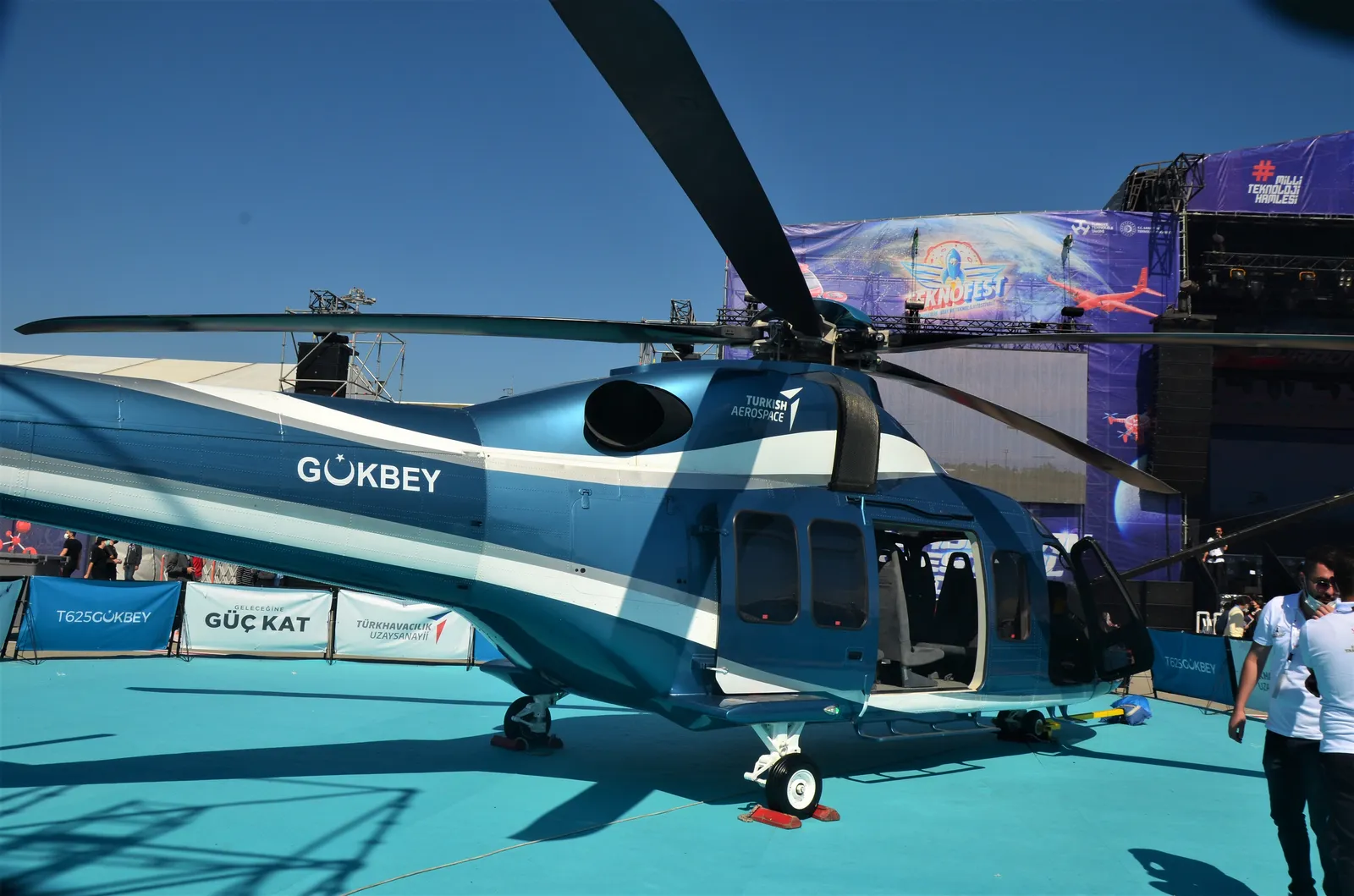
The GÖKBEY (T625) utility helicopter went through two separate processes between its first flight and its deliveries: the flight-test campaign run by Turkish Aerospace (TUSAŞ), and the type-certification work conducted with Turkey’s Directorate General of Civil Aviation (SHGM). Earlier parts of this series covered the cockpit, rotor system, performance and mission variants. This article looks at testing and certification: what happened and when, what a type certificate establishes, and what has not been disclosed.
A short chronology of the test programme
The programme rests on the Original Helicopter Programme contract signed in 2010 between the Presidency of Defence Industries (SSB) and TUSAŞ. The first prototype flew on 6 September 2018 with LHTEC CTS800-4AT engines. Public reporting says the second prototype made its first certification flight in 2019 with SHGM permission. The first flight with the domestic TEI-TS1400 engine took place on 19 April 2023. The first delivery went to the Gendarmerie General Command on 29 October 2024, and the first serial-production helicopter, J6004, was handed over on 19 August 2025.
What the flight-test campaign covers
Helicopter flight testing generally proceeds by expanding the flight envelope in steps. Hover and low-speed manoeuvres come first, then maximum speed, weight and density-altitude limits are approached. Engine-failure scenarios, vibration and structural-load measurement, and avionics and autopilot validation are separate test items. Public reporting says GÖKBEY cold-weather trials were held in Kiruna, Sweden. No detailed breakdown of flight hours per test item has been published.
What the SHGM type certificate means
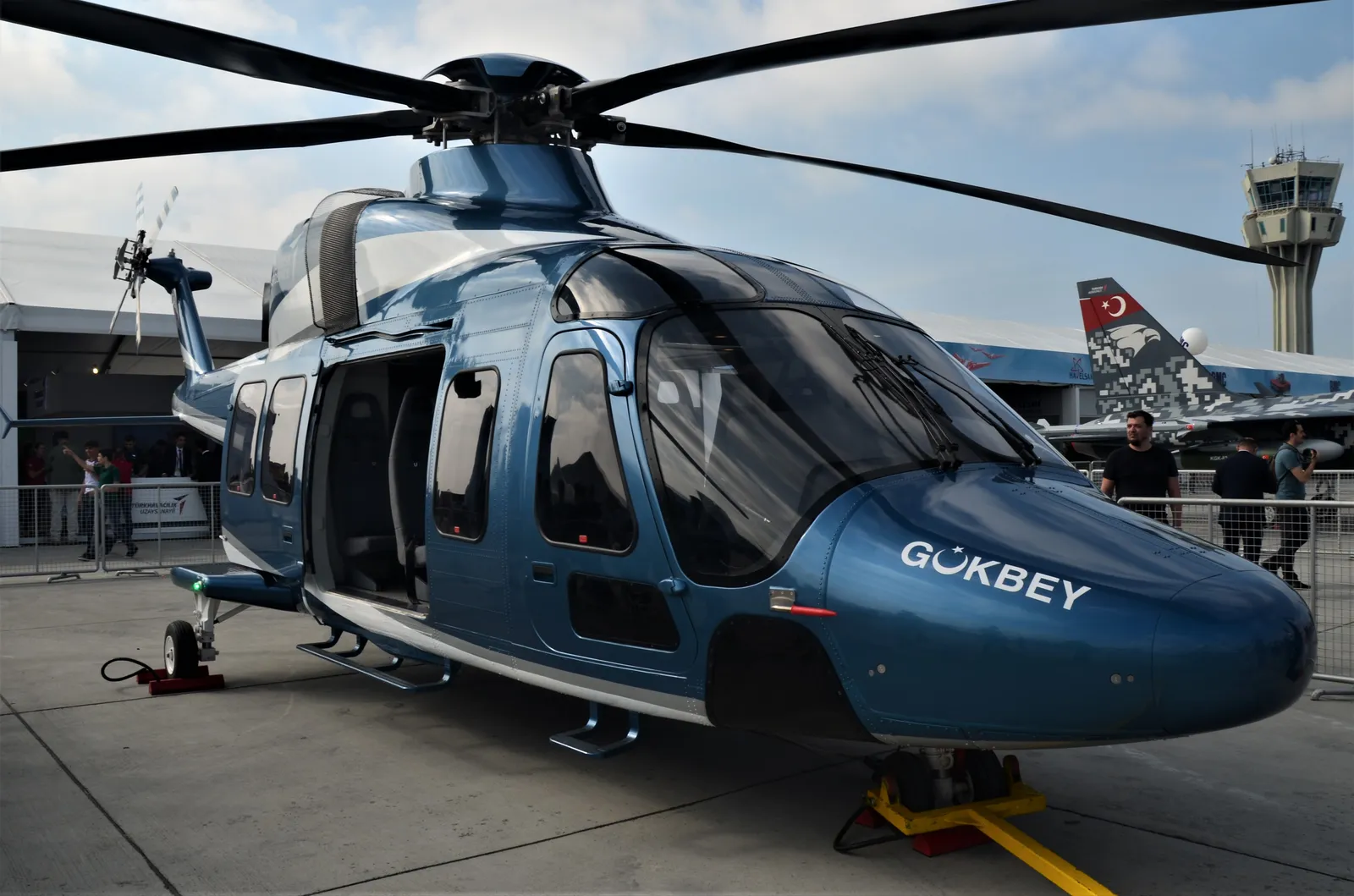
According to the document published by SHGM, the type certificate application for the GÖKBEY was made on 23 March 2016 and the certificate was issued on 16 March 2026. The document classes the aircraft as a Category A and B large rotorcraft, and press reports say the certificate is under CS-29, the large rotorcraft category. A type certificate records that the design complies with the applicable airworthiness requirements. It is the foundation for civil operation and civil-registered fleets; military delivery schedules follow separate contracts and acceptance procedures.
Why certification took ten years from application
A ten-year gap between application and certificate is not unusual for a programme in which design, testing and integration ran in parallel. Prototype flights, the engine change, software releases and system integrations all had to be reflected in the certification file. The SHGM president said the process ran through a certification module developed by SHGM. How much time each phase took has not been disclosed.
Total flight hours, the number of certification flights, hours per prototype and any plan for EASA validation have not been officially announced.
What certification means for customers
The type certificate is a prerequisite for offering the helicopter to civil operators. Civil variants such as air ambulance, search and rescue and VIP need it, but the certification status and orders for those variants have not been announced. For export customers, recognition of the certificate by the importing country’s authority is a separate process. For the 57-unit package, deliveries are planned with the TS1400 from 2028; a detailed schedule has not been published.
Frequently asked questions
When did the GÖKBEY first fly? The first prototype flew on 6 September 2018.
When did the GÖKBEY receive its type certificate? According to the SHGM document, the application was made on 23 March 2016 and the certificate issued on 16 March 2026.
Is a type certificate required for military deliveries? A type certificate is a civil aviation document. Military deliveries follow contracts and acceptance procedures; the first delivery was on 29 October 2024.
Has the GÖKBEY received EASA certification? EASA certification or a validation plan has not been officially announced.
When did the TS1400 first fly on the helicopter? On 19 April 2023.