KAAN Radar and Avionics: ASELSAN AESA Fighter Systems (2026)

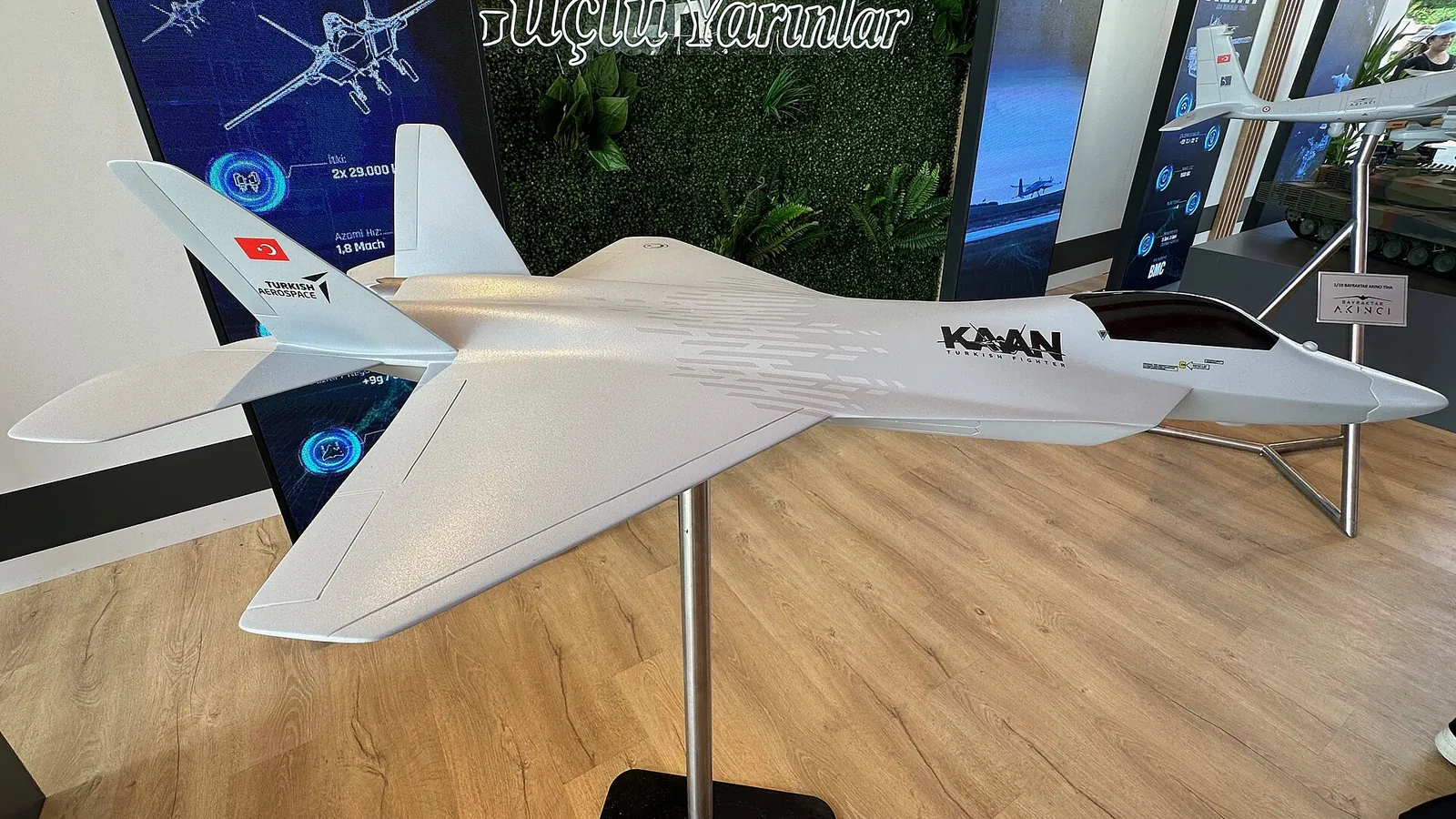
KAAN’s radar and avionics are developed largely by ASELSAN; the targeted radar is an electronically scanned AESA. Parts of these systems are still under development, and their exact technical values are not officially disclosed. KAAN is a fifth-generation fighter for which Turkish Aerospace (TAI) is the platform prime contractor. Its radar, sensor fusion, electronic warfare and electro-optical systems are the core components that make it fifth-generation. Targeted capabilities should not be confused with what is verified today.
| KAAN Radar and Avionics — Fact File (Verified / Undisclosed) | |
|---|---|
| Radar type (target) | AESA (active electronically scanned array) — under development |
| Radar developer | ASELSAN |
| Avionics / mission systems | Largely ASELSAN (indigenous) |
| Electronic warfare (EW) suite | ASELSAN — development / integration |
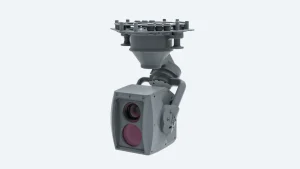
| Electro-optics / EO-IR | ASELSAN |
| Mission computer software | HAVELSAN contribution + ASELSAN |
| Platform prime contractor | Turkish Aerospace / TAI (integration) |
| Exact radar range / T-R module count | Not officially disclosed |
Who develops KAAN’s radar and avionics?
KAAN’s most critical and most talked-about systems are not the airframe but the electronics inside it. What makes an aircraft fifth-generation is largely its radar, sensor fusion, electronic warfare and electro-optical systems. On KAAN, most of these systems are developed by ASELSAN, while Turkish Aerospace (TAI), as the platform prime contractor, integrates them into the aircraft. In other words, the aircraft is TAI’s responsibility, and a large share of the radar and avionics is ASELSAN’s.
The targeted radar is an AESA (active electronically scanned array) — instead of a mechanically rotating antenna, it steers the beam electronically using hundreds of small transmit/receive modules. AESA radars offer advantages over fourth-generation sets in simultaneous multi-target tracking, resistance to jamming, and low probability of intercept. However, KAAN’s exact radar range, transmit/receive (T/R) module count and detection performance have not been officially disclosed by Turkish Aerospace, ASELSAN or the Presidency of Defence Industries (SSB); figures circulating in public are open-source estimates.
Fifth-generation avionics: sensor fusion and the pilot interface
KAAN’s avionics architecture is designed around the fifth-generation fighter concept. At the core of that architecture is sensor fusion: data from the radar, electronic warfare receivers and electro-optical sensors is merged into a single integrated picture, so the pilot works from one tactical display rather than several separate ones. The targeted avionics capabilities include:
- Wide-area displays: Large touchscreens and a simplified glass cockpit instead of many small gauges.
- Sensor fusion: Integrated situational awareness that combines different sensors’ data and reduces pilot workload.
- Electronic warfare (EW): Threat warning, jamming and self-protection systems (ASELSAN).
- Electro-optics / EO-IR: Electro-optical systems for passive detection and targeting.
- Network-centric warfare: A goal of sharing data with other platforms and unmanned systems.
Some of these capabilities are targets; maturation and integration on the prototype are ongoing. A capability shown at a display or event does not mean an operationally completed capability.
The table below separates the verified facts about KAAN’s radar and avionics from the values that are not officially disclosed. Range, T/R module count and performance figures found in open sources are estimates; unless confirmed by Turkish Aerospace, ASELSAN or SSB, they are not official data. Prototype capability should not be taken as a serial-production value.
KAAN’s avionics development is read alongside the corporate scale of Turkish Aerospace and its main subsystem contractor, ASELSAN. The indicators below are verified corporate figures surrounding the program; the unit cost of the radar and avionics and the program budget are not officially disclosed.
Why does AESA radar matter, and what makes KAAN fifth-generation?
What separates a fighter from earlier generations is not just its airframe but the electronic brain inside it. AESA radar, sensor fusion and low observability (stealth) together form the fifth-generation concept. An AESA radar has hundreds of small transmit/receive modules instead of one mechanically rotating antenna; the beam is steered electronically in a tiny fraction of a second. This lets the radar track many targets at once, makes it more resistant to jamming, and reduces the chance of being detected by enemy receivers. The radar targeted for KAAN is in this class and is being developed by ASELSAN. However, critical values such as the radar’s exact range, the number of targets it can track simultaneously and its transmit/receive module count are not officially disclosed; these are targeted capabilities, not completed and verified performance.
Role breakdown in radar and avionics: TAI, ASELSAN and HAVELSAN
KAAN’s radar and avionics are not the work of a single organization, and these systems are separate procurement and development items from the airframe itself. As the platform prime contractor, Turkish Aerospace (TAI) designs the aircraft and integrates all mission systems into it; but it does not build the radar or a large part of the avionics. Most of the radar, electronic warfare and electro-optical systems are ASELSAN’s responsibility, while HAVELSAN contributes to the mission computer and simulation software. This distinction is crucial: the aircraft (platform) belongs to TAI, but the radar and avionics that make it fifth-generation are largely indigenous systems developed by ASELSAN. Maturing these systems is one of the most critical steps remaining for KAAN to reach full operational capability.
KAAN’s radar and avionics are developed largely by ASELSAN; the targeted radar is an AESA, and parts of it are still under development. The radar’s exact range, transmit/receive (T/R) module count and detection performance are not officially disclosed. Figures in open sources are estimates. Targeted capability should not be confused with capability verified today; a system shown at a display should not be reported as an operationally completed capability.
Frequently Asked Questions
Who makes the KAAN radar?
KAAN’s radar is developed largely by ASELSAN; the targeted radar is an electronically scanned AESA. As the platform prime contractor, Turkish Aerospace (TAI) integrates this radar into the aircraft but does not build it. The radar’s exact range and technical values are not officially disclosed, and open-source figures are estimates rather than confirmed data.
Is the KAAN radar an AESA?
The radar targeted for KAAN is in the active electronically scanned array (AESA) class; this radar type steers the beam electronically with hundreds of transmit/receive modules instead of a mechanical antenna. The radar is being developed by ASELSAN. However, it is still under development, and its exact performance values are not officially disclosed.
Are KAAN’s avionics indigenous?
KAAN’s radar, electronic warfare and electro-optical systems are largely indigenous and developed by ASELSAN, with HAVELSAN contributing to the mission software. While some components, such as the engine, use foreign systems on the prototype, the avionics and mission systems emphasize an indigenous solution. Parts of these systems are still under development and not yet operationally complete.
What makes KAAN fifth-generation?
The main elements that make an aircraft fifth-generation are low observability (stealth), an AESA radar, sensor fusion and network-centric warfare capability. KAAN is designed around these capabilities, and its radar and avionics are developed by ASELSAN. Some of these capabilities are targets, and the integration process is ongoing, so prototype status should not be read as serial-production capability.
What is the range of the KAAN radar?
The exact range of the KAAN radar has not been officially disclosed by Turkish Aerospace, ASELSAN or the Presidency of Defence Industries (SSB). Range figures found in open sources are estimates and are not official data. The radar is still in development and maturation; prototype capability should not be taken as a serial-production value.
What is sensor fusion, and does KAAN have it?
Sensor fusion is the merging of data from the radar, electronic warfare and electro-optical sensors into a single integrated picture, so the pilot works from one tactical display rather than several. This is the core of fifth-generation avionics and is a targeted capability for KAAN. Maturation and integration are ongoing, so it should be treated as a target rather than a fully verified capability.
What is TAI’s role in KAAN’s radar and avionics?
Turkish Aerospace (TAI) is KAAN’s platform prime contractor; it designs the aircraft and integrates all mission systems into it. Most of the radar, electronic warfare and electro-optical systems are developed by ASELSAN, and part of the mission software by HAVELSAN. In short, the aircraft is TAI’s responsibility, and a large share of the radar and avionics is ASELSAN’s.
Sources
- Turkish Aerospace (TAI) official corporate site — tusas.com (KAAN / MMU program information)
- ASELSAN — airborne platform radar, avionics and electronic warfare systems
- Presidency of Defence Industries (SSB) — statements on KAAN mission systems
- HAVELSAN — mission computer and simulation software
- Anadolu Agency / Daily Sabah — KAAN first flight and system reporting
- Wikipedia — TAI TF Kaan and AESA radar entries (open source; estimated values flagged separately)