GÖKBEY for the Turkish Coast Guard: Six Helicopters in the 57-Aircraft Order, Maritime Requirements and Offshore Roles

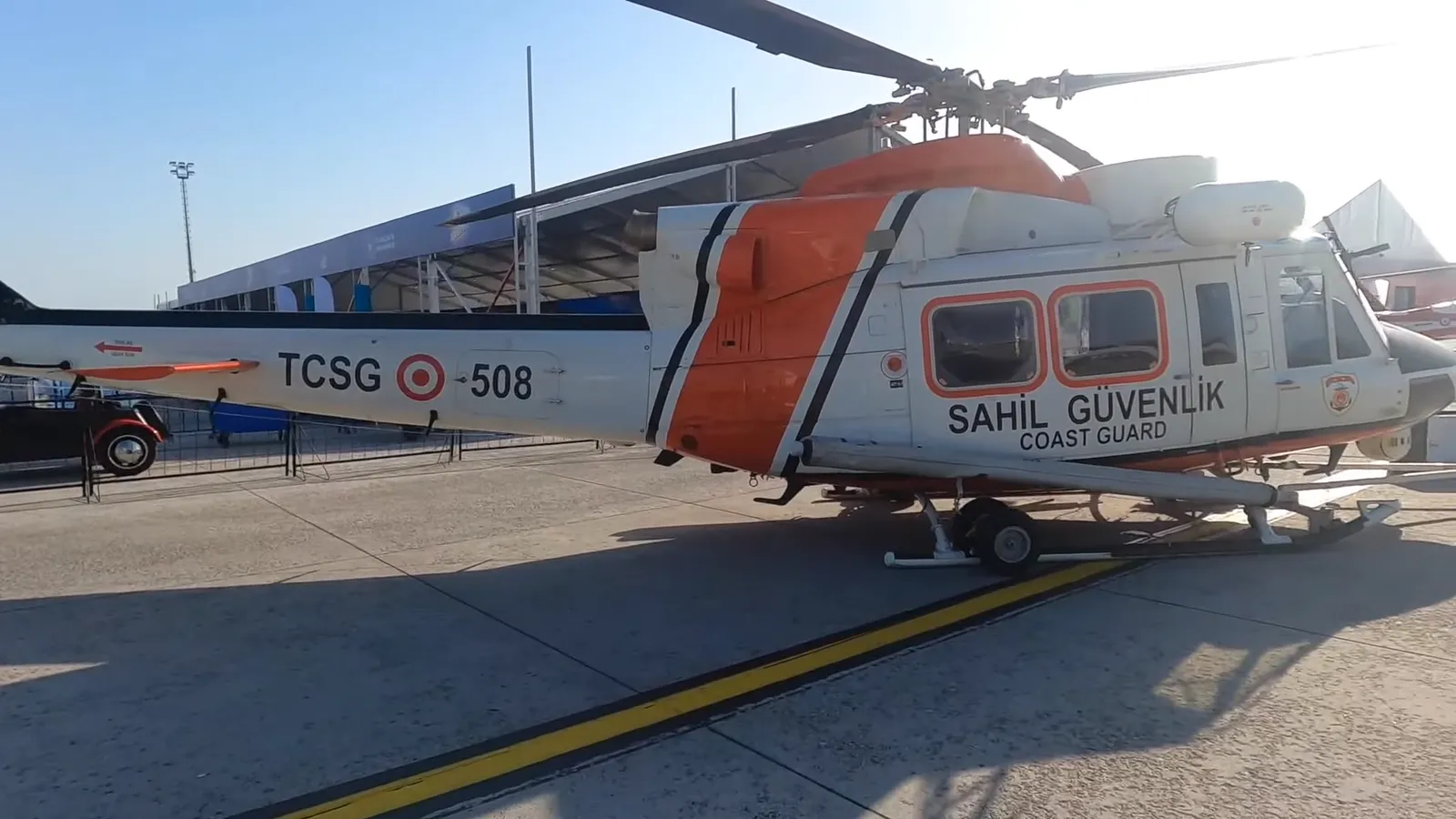
The 57-aircraft T625 GÖKBEY package signed at IDEF 2025 on 24 July 2025 includes six helicopters for the Turkish Coast Guard Command. That allocation takes the indigenous utility helicopter from land and internal-security roles out over the sea. This article covers the maritime mission profile, what a salt-water environment demands of an airframe, offshore use cases and the details that have not been officially released. The search-and-rescue kit was covered separately in the previous part of this series; here the focus is the wider maritime role.
Where the Coast Guard fits in the order
Deliveries of the 57-aircraft package with the indigenous TS1400 engine are planned from 2028. The specific delivery years for the six Coast Guard aircraft have not been announced.
What the Coast Guard needs from a helicopter
The Turkish Coast Guard handles law enforcement, search and rescue and environmental protection across Turkish maritime jurisdiction in the Black Sea, the Sea of Marmara, the Aegean and the Mediterranean. A helicopter extends its reach well beyond patrol boats and gives a wide view from above.
The surveillance radar, EO/IR sensor, hoist and mission console for the Coast Guard aircraft have not been officially named. The table maps mission types to the GÖKBEY’s published general characteristics; the final fit depends on the customer specification.
What the sea demands of an airframe
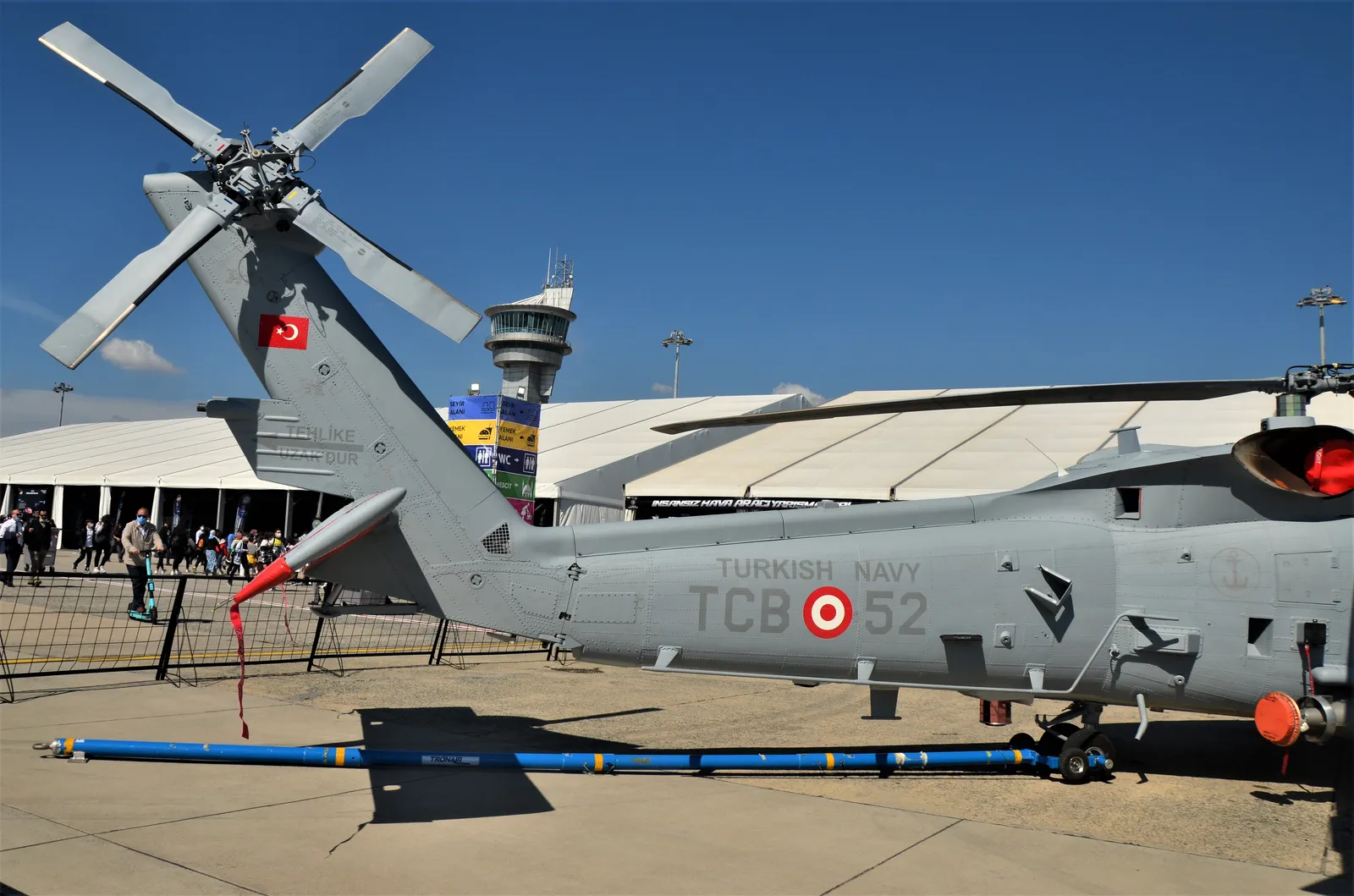
A helicopter operating over water faces a harsher wear environment than its land-based counterpart. Salt air and humidity accelerate corrosion on metal surfaces, and salt ingested through the engine intakes can erode compressor performance. On long over-water legs, engine-failure safety and the ability to stay afloat after a ditching become central.
- Corrosion protection: marine-grade coatings and material choices for the structure and fasteners. Extensive use of composites in the GÖKBEY airframe reduces exposed metal area.
- Engine protection: regular compressor washes and intake protection in a salt-laden environment.
- Twin engines: the ability to continue flight on one engine (OEI) far from shore. The GÖKBEY has this architecture with two TEI-TS1400s.
- Emergency flotation: keeping the aircraft upright after a ditching so the crew can egress.
- Navigation: precise navigation and autopilot support over featureless water, especially at night.
Offshore roles: from platforms to ships
“Offshore” covers missions to installations and vessels away from the coast: crew change flights to energy platforms, platform evacuation and lowering people or supplies onto a ship. The GÖKBEY’s 6-tonne class, cabin for up to 12 passengers and 948 km range with auxiliary fuel give it a suitable envelope for this kind of work.
Shipboard operation is a separate set of requirements: folding rotor and tail, a deck-lock system and strengthened landing gear. No ship-based naval version of the GÖKBEY, and no deck-operations clearance, has been officially announced. On current information, the Coast Guard configuration is best read as a shore-based maritime patrol and SAR helicopter.
Fit with the existing fleet
The Coast Guard’s helicopter fleet today is centred on the AB 412. The six GÖKBEYs add an indigenously designed type to that inventory. Because the same type also serves the Gendarmerie, the Land Forces and other agencies, pilot training, maintenance and spares can draw on a shared support base.
Programme timeline
Reading the numbers
The performance figures here are the official values for the GÖKBEY’s utility configuration. Maritime mission equipment such as radar, sensors, hoist and flotation consumes payload and therefore reduces range and endurance. The 2028 date is a delivery plan, and neither the final Coast Guard equipment list nor its delivery schedule has been officially released.
Frequently asked questions
How many GÖKBEYs will the Turkish Coast Guard receive? Six, as part of the 57-aircraft package signed at IDEF 2025 on 24 July 2025.
When will the Coast Guard aircraft be delivered? Deliveries of the 57-aircraft package with TS1400 engines are planned from 2028. Delivery years for the six Coast Guard helicopters have not been announced separately.
Can the GÖKBEY operate from ships? No ship-based version or deck-operations clearance has been officially announced. The Coast Guard configuration is described as a shore-based maritime patrol and SAR helicopter.
What equipment will the maritime version carry? Surveillance radar, EO/IR sensors, a rescue hoist and emergency flotation are common on maritime helicopters in this class. The specific models for the GÖKBEY have not been officially disclosed.
How far offshore can the GÖKBEY operate? Official range is 740 km on internal fuel and 948 km with an auxiliary tank. Mission equipment and the fuel reserve needed for the return leg reduce the practical radius of action below those figures.