Canada Joins GCAP as First Observer Nation on Sixth-Gen Fighter

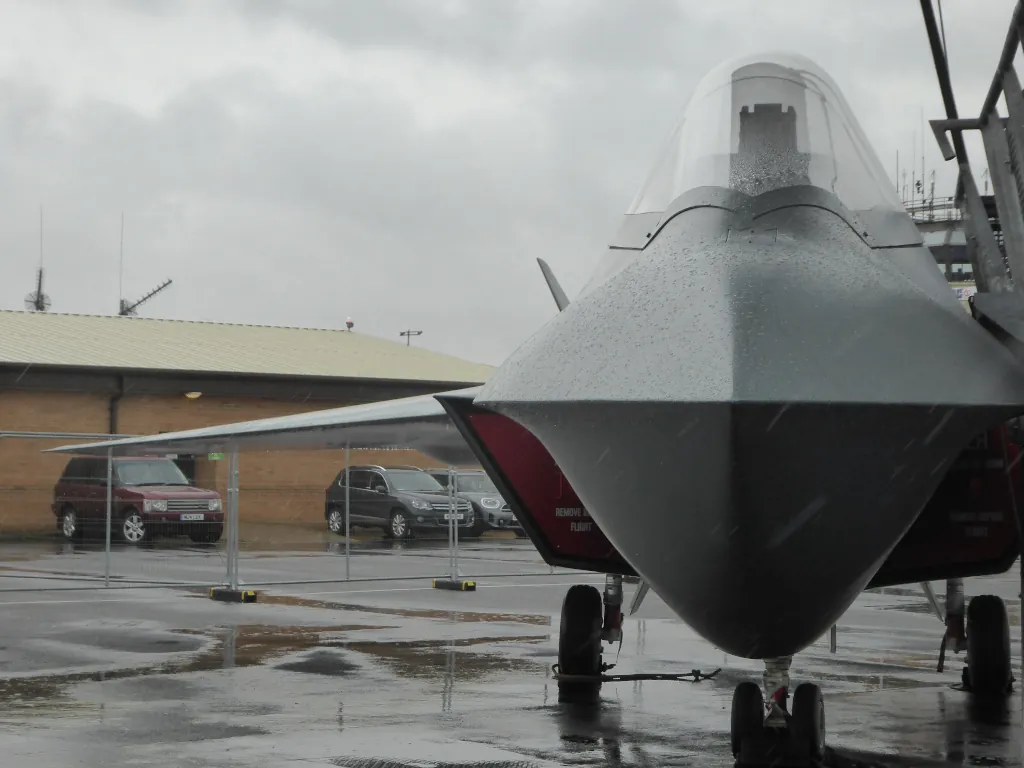
The next-generation fighter programme run jointly by the UK, Italy and Japan has expanded beyond its three founding members for the first time. After a meeting in London, the four countries’ defence ministers announced that Canada had joined GCAP as an observer nation.
At a Glance
- What: Canada becomes GCAP’s first observer nation
- Founders: United Kingdom, Italy, Japan
- Where/when: 21 July, London — four-nation defence ministers’ meeting
- Status: No decision-making role; access to governance, capabilities, industrial framework
- Next: Germany and Saudi Arabia named as possible future partners
The Global Combat Air Programme (GCAP) has opened beyond the trio that founded it. Following a meeting in London between UK Defence Secretary Wes Streeting, Italian Defence Minister Guido Crosetto, Japanese Defence Minister Shinjiro Koizumi and Canadian Defence Minister David McGuinty, the partners announced that Canada had joined the programme as its first observer nation.
Observer status gives Canada no decision-making role. But according to the UK government, it provides Ottawa with enhanced insight into the programme’s governance, capabilities and industrial framework, along with its security requirements and wider partnering opportunities.
The West’s Last Sixth-Gen Programme Standing

The timing of Canada’s move is more than symbolic. The deep dispute inside the rival French-German-Spanish FCAS programme has left GCAP as effectively the only major multinational effort in the West still building a sixth-generation fighter. Canada has long been weighing a successor path for its CF-18 fleet and allied industrial ties; observer status opens a long-term option to complement its F-35 buy.
GCAP aims to field a next-generation combat aircraft around 2035, equipped with advanced autonomy, artificial intelligence, uncrewed systems and next-generation sensors, and designed to operate alongside existing platforms including the F-35. Germany and Saudi Arabia have also been floated as possible future partners.
GCAP — Key Facts
| Programme | Global Combat Air Programme (GCAP) |
| Founding nations | United Kingdom, Italy, Japan |
| New observer | Canada (first) |
| In-service target | ~2035 |
| Prime contractors | BAE Systems, Leonardo, Japanese industry (Edgewing JV) |
| Headline features | Sixth-gen, AI, loyal wingman, sensor fusion |
| Possible future partners | Germany, Saudi Arabia |
Türkiye Goes Its Own Way: KAAN

As the West’s sixth-generation landscape reshapes itself between FCAS and GCAP, Türkiye is charting an independent course with its national KAAN programme. Designed as a fifth-generation platform but with a growth path toward sixth-generation capabilities through AI and unmanned teaming, KAAN has already secured its first export order from Indonesia. Against a multinational model like the observer-inclusive GCAP, Ankara is pursuing a go-it-alone approach that keeps design and intellectual property in its own hands.
Sources
- Breaking Defense — Canada officially joins GCAP as observer (21 July 2026)
- GOV.UK — Canada joins next-generation fighter jet programme as first Observer Nation
- The Japan Times / defence-industry.eu — GCAP expansion coverage