Ukraine Hits Novorossiysk: Four Russian Warships Damaged at the Black Sea Fleet’s Last Refuge

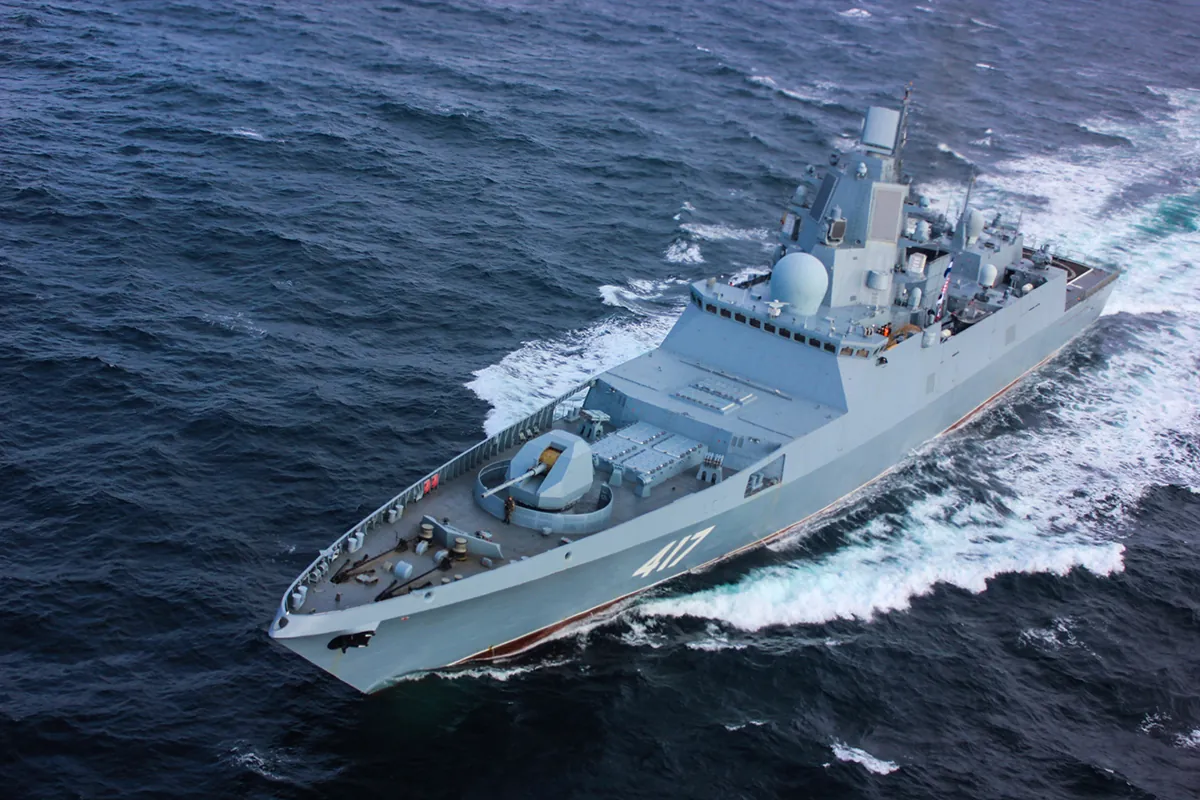
Ukraine’s Defence Forces mounted a layered overnight raid on Novorossiysk on 12 August, the last major harbour left to Russia’s Black Sea Fleet. According to Ukraine’s General Staff, two Project 11356 frigates capable of firing Kalibr cruise missiles, a Buyan-M small missile ship and a Project 22160 patrol vessel were damaged. Palianytsia missile-drones, R-360 Neptune cruise missiles and uncrewed surface vessels were used together.
At a Glance
- When and where: Overnight 12 August 2026, Novorossiysk naval base, Krasnodar Krai
- Ships damaged: Admiral Makarov and Admiral Essen (Project 11356 frigates), a Buyan-M class small missile ship, Vasily Bykov (Project 22160 patrol ship)
- Weapons used: Palianytsia missile-drone, R-360 Neptune cruise missile, uncrewed surface vessels
- Secondary targets: A 30N6E radar from an S-300 battery, a mobile firing position at pier two, the tunnel entrance of the Sheskharis oil terminal, infrastructure at piers three, six and seven
- Knock-on effect: Russian industry sources say operations halted at two major grain terminals
- Casualties: The regional governor reported an eight-year-old child killed and more than a dozen wounded
Novorossiysk became the Black Sea Fleet’s de facto main base after a sustained campaign of sea drones and missiles forced Russian warships out of occupied Sevastopol. What happened on the night of 12 August suggests that relocation bought time rather than safety: Ukraine’s strike chain now reaches ports east of the Kerch Strait as comfortably as it once reached Crimea.
Ukraine’s General Staff described the operation as a joint effort, meaning missile troops, the Unmanned Systems Forces and intelligence units worked the same target set on the same night. President Volodymyr Zelensky confirmed the use of Palianytsia missile-drones, Neptune cruise missiles and naval drones. That mix is the clearest sign yet that Kyiv has matured a doctrine it began improvising in 2023: saturate the defence with cheap mass, then push the expensive munition through the gap.

The escape from Sevastopol did not end in Novorossiysk
The identity of the damaged ships explains why this was more than a harbour raid. Admiral Makarov and Admiral Essen belong to the Project 11356R class: roughly 4,000-tonne frigates whose vertical launch cells fire the Kalibr-NK land-attack cruise missile. Both have been among the principal sea-based carriers of the salvos launched at Ukrainian cities.
The Buyan-M is smaller than a corvette at around 950 tonnes, yet it carries the same Kalibr cells — the physical expression of Russia’s “small hull, big missile” doctrine. The Project 22160 lead ship Vasily Bykov is a different animal: a lightly armed, modular patrol platform built for presence and escort work rather than strike.
Read together, the target list looks deliberate rather than opportunistic. Kalibr carriers first, escorts second. Moscow has not confirmed the damage, as it rarely does with naval losses, but the Krasnodar governor’s statement on civilian casualties makes the scale of the raid difficult to dismiss.
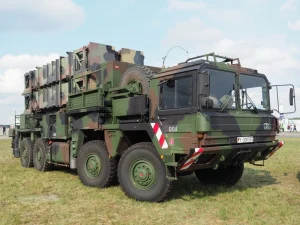
The second layer of the attack was the port itself. The 30N6E radar reported hit is the illuminating and guidance eye of an S-300 battery; without it, the battery cannot steer its missiles. Striking the Sheskharis tunnel entrance and pier infrastructure points to the raid’s dual purpose: Novorossiysk is not only a naval base but one of Russia’s largest export gateways.
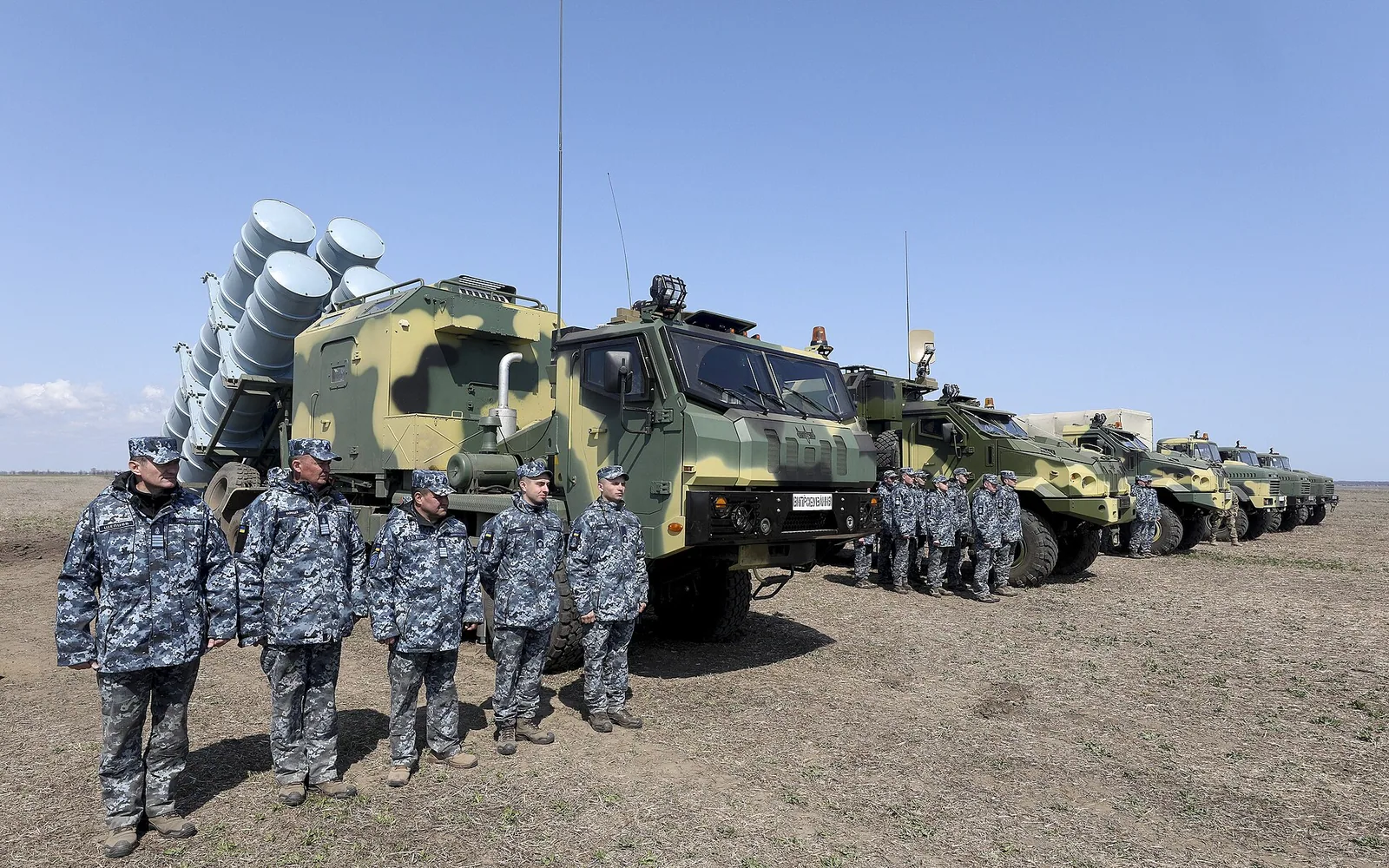
Sea drones and cruise missiles, working the same night
Technically, the notable feature is the simultaneity. Uncrewed surface vessels occupy harbour defences with low-profile, numerous contacts while sea-skimming weapons such as Neptune and Palianytsia approach beneath the radar horizon. For the defender, that means resolving a surface threat and an air threat in the same compressed decision window.
Palianytsia, unveiled by Kyiv in 2024, sits between a cruise missile and a jet-powered strike drone. Its purpose is straightforward: reduce dependence on scarce and expensive Western missiles while raising domestic salvo volume. Neptune began life as an anti-ship weapon and has since acquired land-attack variants, with successive upgrades pushing its reach past the 300-kilometre band.
Ukraine has no conventional navy to speak of. It has nonetheless constrained the freedom of movement of a fleet built over generations. That is the practical proof of a changed equation: sea control is now shaped as much by shore-launched missiles and uncrewed density as by hull counts.
Platforms Reported Damaged
| Admiral Makarov / Admiral Essen | Project 11356R frigates, ~4,000 t, Kalibr-NK carriers |
| Buyan-M class | Small missile ship, ~950 t, eight-cell Kalibr VLS |
| Vasily Bykov | Project 22160 patrol ship, ~1,700 t, modular payload |
| 30N6E radar | Illumination and guidance radar of the S-300/S-400 family |
| Sheskharis terminal | Novorossiysk oil export infrastructure |
A different Black Sea
The raid is another reminder that maritime security in the Black Sea has become a shared problem for every littoral state. Merchant traffic, the grain corridor and pipeline terminals share the same operating area as the war itself, which pushes the economic consequences directly onto the region. For Türkiye, which holds one of the longest coastlines and the heaviest commercial traffic in the basin, navigation safety and drifting-mine risk will stay firmly on the agenda.
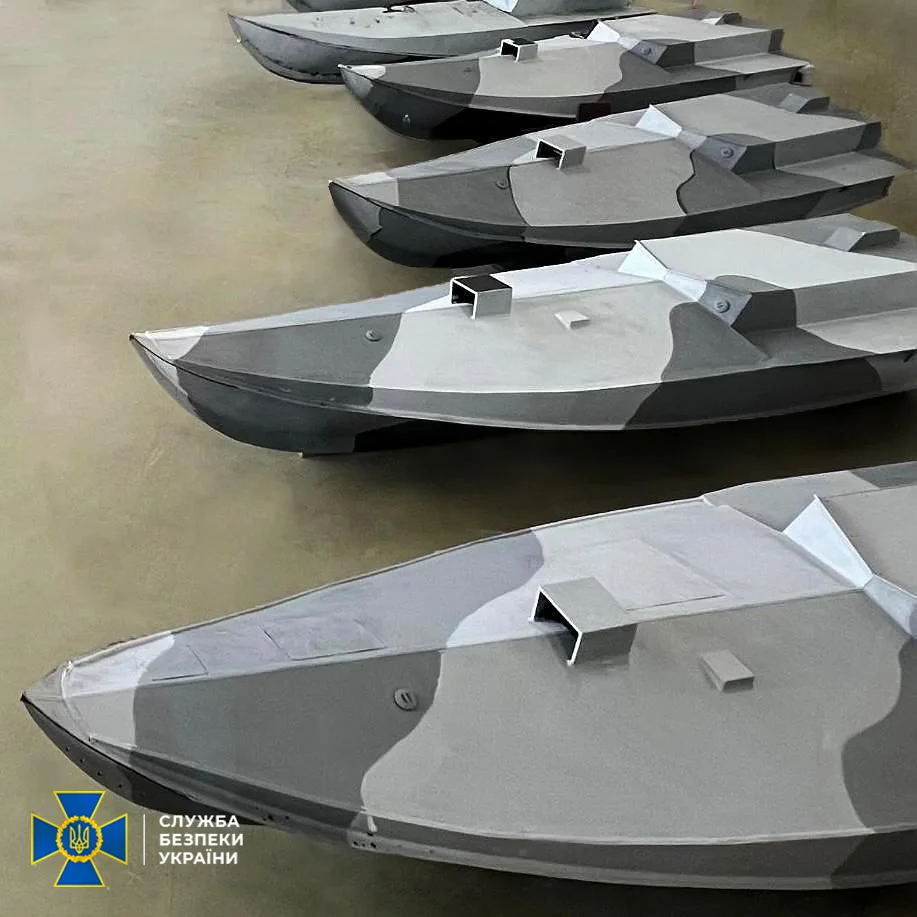
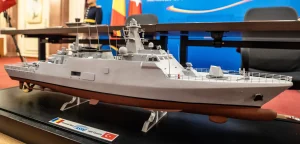
In an era where a shore-launched anti-ship missile can pin a fleet inside its own harbour, states holding that capability gain leverage. Türkiye’s decision to field Roketsan’s ATMACA in series production and integrate it across both surface combatants and coastal batteries reads as a straightforward response to exactly this arithmetic.
Sources
- General Staff of the Armed Forces of Ukraine, statement of 12 August 2026
- Defense Express (en.defence-ua.com) – Novorossiysk raid report
- Euromaidan Press – identification of damaged vessels
- Kyiv Independent / United24 Media – strike details and official statements
- Krasnodar Krai governor’s office statements