Africa’s 10 Strongest Air Forces (2026): Egypt, Algeria and Nigeria on Top

Who really commands the skies over Africa? At the continent’s northern edge, the Mediterranean-facing nations are locked in an arms race of 4.5-generation fighters like the Rafale and Su-30, while south of the Sahara air power is often reduced to counter-insurgency and internal security operations. So which force truly dominates the skies of this vast continent?
According to GlobalFirepower 2026 data, the map of African air power tells a far more dramatic story than conventional military rankings. Some nations appear to field hundreds of aircraft on paper, yet civil wars and budget crises have rendered their fleets nearly unusable; others, with modest numbers, have gained a genuine deterrent punch thanks to Turkish drones.
Now the countdown begins: #10 to #1, Africa’s strongest air forces. The two giants at the top of the list may not surprise you — but some of the placements will spark debate. Ready? Let’s start from the bottom.
#10 · TUNISIA
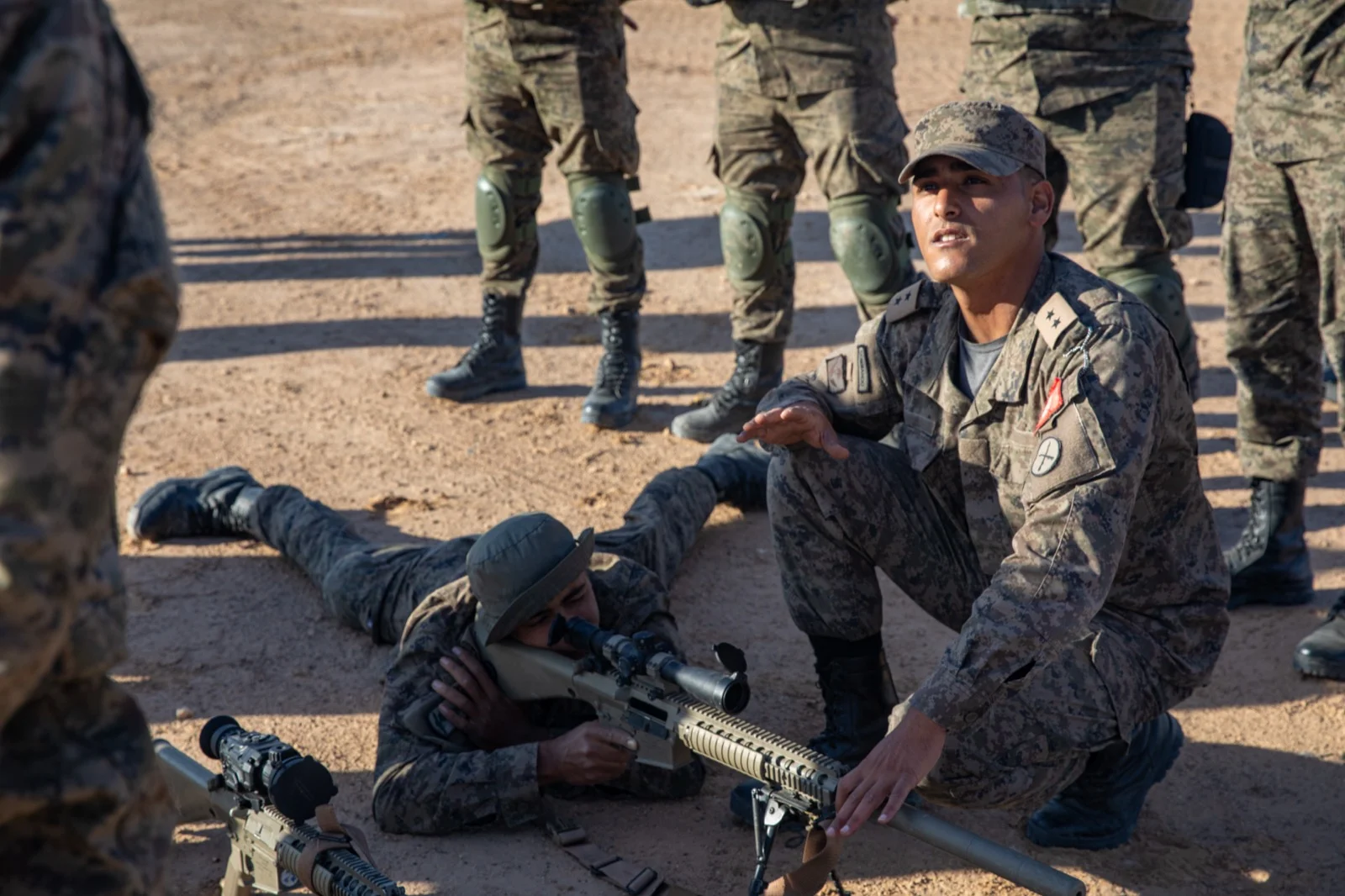
A small but professional, training-heavy fleet. The Tunisian Air Force fields one of Africa’s most disciplined yet lightest air arms. Its backbone consists of aging F-5E/F Tiger II fighters and L-59 jet trainers. The country’s doctrine is built not around offensive strike but border security and light attack — particularly against jihadist groups operating in the mountainous zones along the Algerian frontier.
In recent years, with U.S. military assistance, Tunisia added A-29 Super Tucano light attack aircraft and T-6 Texan II trainers to its inventory. These moves reflect a deliberate choice to build air power around low-cost, easy-to-maintain platforms suited to counter-terrorism rather than expensive modern fighters. A non-NATO nation granted “major non-NATO ally” status by the United States, Tunisia remains firmly tied to the Western supply chain.
Compared with the fractured fleet of neighboring Libya, Tunisia — though numerically small — fields a far more operational and better-trained force. The country makes no claim to fighter production; its priority is personnel quality and airspace security.
| Element | Value |
|---|---|
| Fighters | ~12 (F-5E/F) |
| Light attack | A-29 Super Tucano |
| Training | L-59, T-6 Texan II |
| Doctrine | Border security / counter-terrorism |
But next comes a far larger fleet, one reduced to ruins by civil war.
#9 · LIBYA
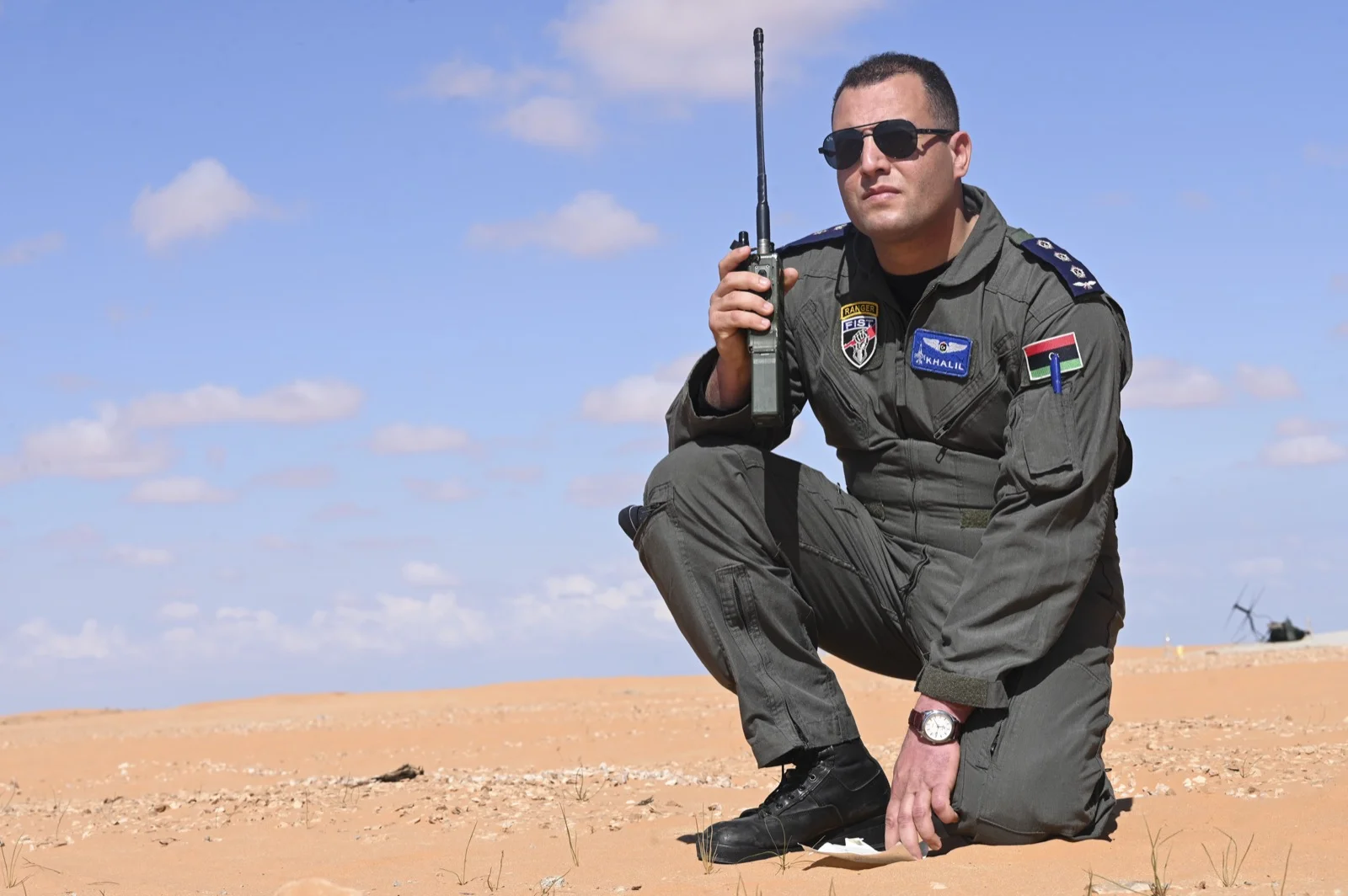
Once a formidable fleet, now split between two governments. Under Gaddafi, Libya fielded one of Africa’s largest air forces. Since 2011, ongoing civil war has left a fractured picture. Two rival military structures now claim the country’s airspace: the Tripoli-based GNU (Government of National Unity) and Khalifa Haftar’s LNA (Libyan National Army).
Though the inventory lists MiG-21, MiG-23 and Mirage F1 fighters on paper, most of these platforms are either destroyed or grounded for lack of spare parts. Libya earned its real significance not through fighters but as one of the most intense drone-warfare theaters of recent years. GNU forces broke Haftar’s siege of Tripoli using Turkish-made Bayraktar TB2s, while the LNA deployed Chinese-made Wing Loong drones. It became a rare battlefield laboratory where two distinct UAV schools clashed head-on.
Unlike Tunisia’s small but coherent fleet, Libya — though theoretically fielding more platforms — has extremely limited effective operational power due to fragmentation. The country’s future hinges on whether political unity can be achieved.
| Element | Value |
|---|---|
| Fighters | MiG-21/23, Mirage F1 (mostly grounded) |
| UAV (GNU) | Bayraktar TB2 (Turkey) |
| UAV (LNA) | Wing Loong (China) |
| Readiness | Low (civil war) |
Next comes a country far stronger on paper — yet ravaged by a similar collapse.
#8 · SUDAN

~180 aircraft on paper, overshadowed by civil war on the ground. The Sudanese Air Force has traditionally fielded a mid-sized fleet built on Russian and Chinese platforms, including MiG-29 fighters, Su-25 attack jets and MiG-23s. But the bloody civil war that erupted in 2023 between the army (SAF) and the Rapid Support Forces (RSF) has severely eroded the country’s air power.
Air bases and maintenance facilities in Khartoum have sat at the heart of the fighting; many aircraft have been destroyed on the ground or left without maintenance. As a result, Sudan’s ~180-aircraft strength on paper bears little resemblance to operational reality. Its air power has been reduced largely to a limited number of jets used to strike enemy positions, alongside a growing reliance on drones.
Geopolitically, Sudan sits in a strategic position with a Red Sea coastline and a border with Egypt. Yet internal instability has, for now, shelved its potential to become a regional air power. Like Libya before it, Sudan is a tragic example of numerical size failing to translate into effective power.
| Element | Value |
|---|---|
| Total aircraft (paper) | ~180 |
| Fighters | MiG-29, MiG-23 |
| Attack | Su-25 |
| Status | Degraded by civil war (2023+) |
Now we move from the wreckage of war to a force seeking modernization through oil revenue.
#7 · ANGOLA
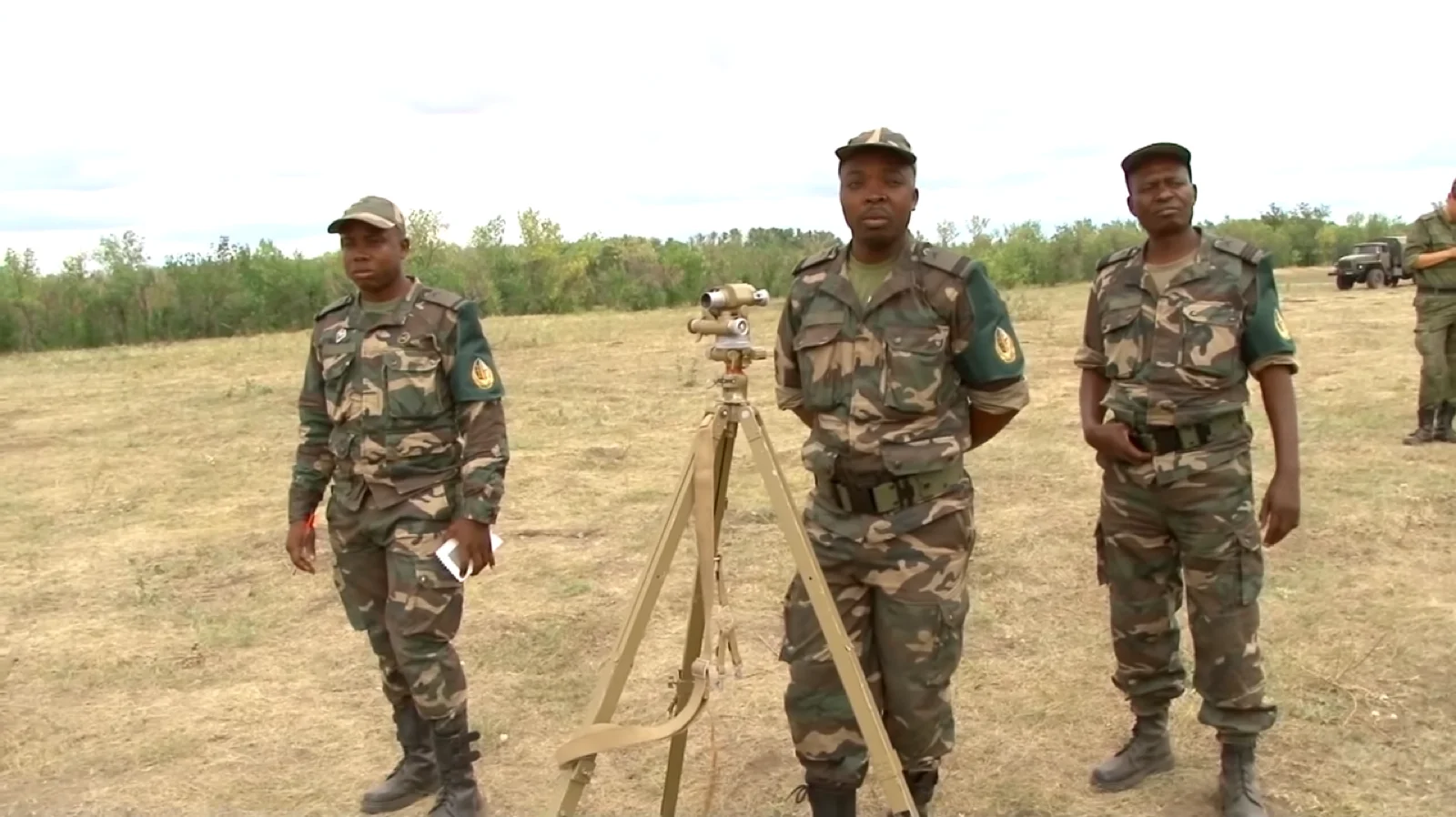
A modest, Russian-sourced fleet fueled by oil revenue. The Angolan Air Force is one of the most notable users of Russian-origin platforms in southern Africa. Its striking power rests on roughly 12 Su-30K multirole fighters, complemented by aging Su-22 attack aircraft and MiG-23 fighters. The country’s long civil-war history led its air force to develop a doctrine centered on supporting ground operations.
As one of Africa’s major oil exporters, Angola tries to channel part of its revenue into defense modernization. But those efforts are periodically disrupted by volatile oil prices and economic fragility. While the Su-30Ks give Angola a modern strike capability, the rest of the fleet faces serious aging problems.
With no direct state adversary in the region, Angola’s air power functions largely as a tool of internal stability and regional prestige. Unlike Sudan’s large-but-ruined paper fleet, Angola fields fewer aircraft but a more modern and operational core. The country remains one of the rare centers of enduring Russian influence in southern Africa.
| Element | Value |
|---|---|
| Main fighter | ~12 Su-30K |
| Attack | Su-22 |
| Legacy fighter | MiG-23 |
| Supply source | Russia |
The next name is an East African power that has tested Turkish drones in a real war.
#6 · ETHIOPIA
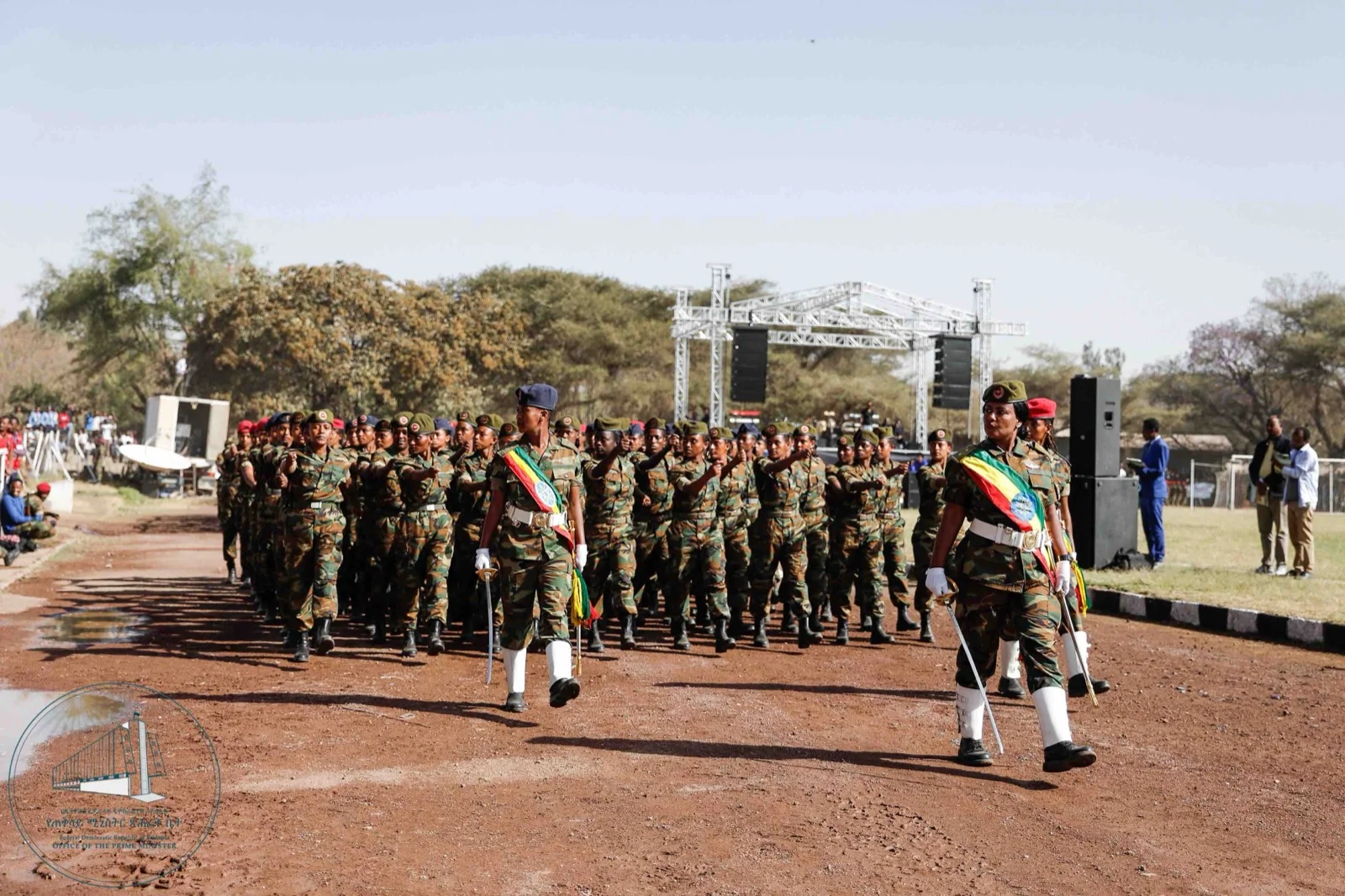
A power shaping the balance of East Africa, now in the drone age. The Ethiopian Air Force, one of the continent’s most established, fields a core fleet of Su-27 air-superiority fighters, MiG-23s and Su-25 attack aircraft. But what truly elevates Ethiopia in this ranking is not its legacy jets but the drone inventory that has expanded rapidly in recent years.
The 2020-2022 Tigray War marked a turning point in Ethiopian air doctrine. The federal army secured decisive superiority over TPLF forces largely through armed drones, led by the Bayraktar TB2. Drone acquisitions from Turkey, Iran and China gave the country a fast, effective strike capacity in place of costly fighter fleets. It became one of the clearest examples of how UAVs have reshaped the course of war in sub-Saharan Africa.
With a total inventory of around 90 aircraft, Ethiopia is not a numerical giant, but it is a regional center of gravity, sitting within a delicate geopolitical equation intersecting Eritrea, Somalia and Sudan. Unlike Angola’s oil-dependent modernization drive, Ethiopia multiplied its power by directing a limited budget toward battle-proven drone technology.
| Element | Value |
|---|---|
| Total aircraft | ~90 |
| Air-superiority fighter | Su-27 |
| Attack | Su-25 |
| UAV | Bayraktar TB2 (used in Tigray) |
Now we enter the top five — starting with a country that once had the continent’s most advanced defense industry.
#5 · SOUTH AFRICA
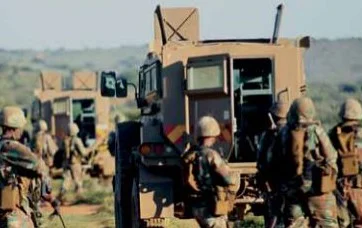
The most modern aircraft, one of the lowest readiness rates. The South African Air Force (SAAF) fields, on paper, one of Africa’s most modern fighter fleets: roughly 26 Swedish-built Gripen C/D multirole jets and Hawk lead-in trainer / light-attack aircraft. The country is also one of the rare African nations with a domestic defense industry, home to the indigenous Denel Rooivalk attack helicopter.
But a serious crisis lies behind this impressive inventory. Years of budget cuts, spare-parts shortages and maintenance problems have left much of the Gripen fleet effectively unable to fly; at times, only a handful of jets have reportedly been operational. Denel, the state defense company once the continent’s pride, came to the brink of financial collapse, and its production capacity has sharply declined.
This paradox places South Africa in a difficult position: it owns the most advanced platforms yet cannot keep them airborne. Compared with Ethiopia’s battle-proven, drone-centric practical power, South Africa is technologically superior but fragile in readiness. The fleet’s fate depends on whether the government can revive its defense budget.
| Element | Value |
|---|---|
| Total aircraft | ~220 |
| Main fighter | ~26 Gripen C/D |
| Attack helicopter | Denel Rooivalk (indigenous) |
| Readiness | Low (budget crisis) |
The next country adds real striking power to its fleet through Turkish drones — a fast-rising player.
#4 · MOROCCO
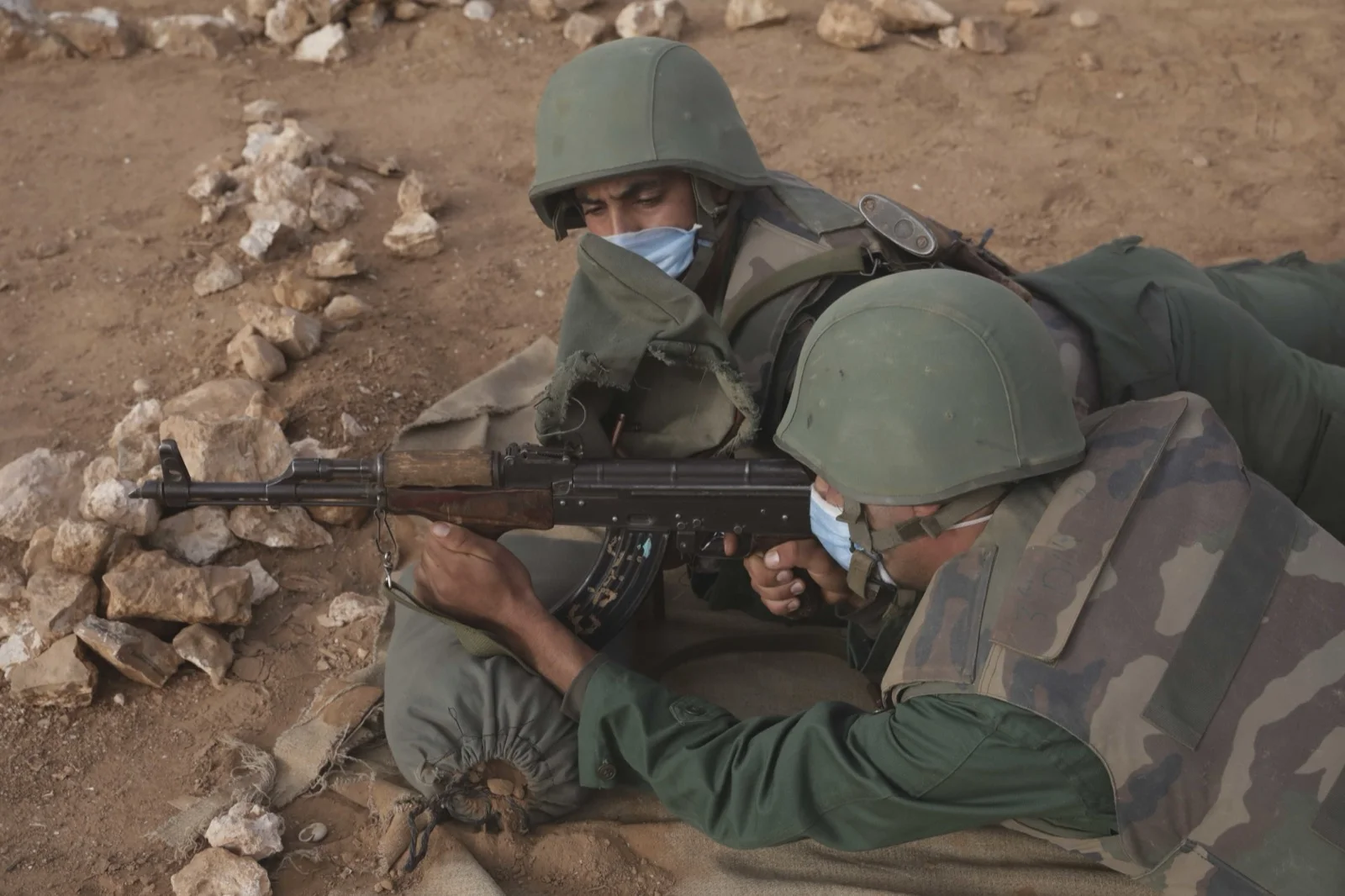
North Africa’s modernizing western flank, built on pro-U.S. procurement. The Royal Moroccan Air Force built its fleet largely on American platforms, reflecting a Western-leaning defense policy. At the heart of its striking power sit roughly 48 F-16 Block 52/72 Viper multirole fighters, complemented by aging Mirage F1s and F-5s. Morocco has also signed major deals for additional F-16s and a comprehensive modernization of its existing fleet.
The country’s military doctrine is shaped largely by its long-standing rivalry with Algeria and the Western Sahara issue. That tension drives Morocco into a constant modernization race. Alongside its American fighters, Morocco strengthened its fleet with Bayraktar TB2 armed drones, boosting both its reconnaissance and strike capacity at low cost. It shows the country invests not only in expensive platforms but also in cost-effective solutions.
With a total inventory of around 260 aircraft, Morocco — unlike South Africa’s grounded modern fleet — fields a force that is both advanced and highly ready. Yet this powerful western player still ranks second against its larger rival on its eastern border.
| Element | Value |
|---|---|
| Total aircraft | ~260 |
| Main fighter | ~48 F-16 Block 52/72 Viper |
| Legacy fighter | Mirage F1, F-5 |
| UAV | Bayraktar TB2 |
Now we step onto the podium — and the third-place name makes its mark not through numbers, but Turkish drones.
#3 · NIGERIA
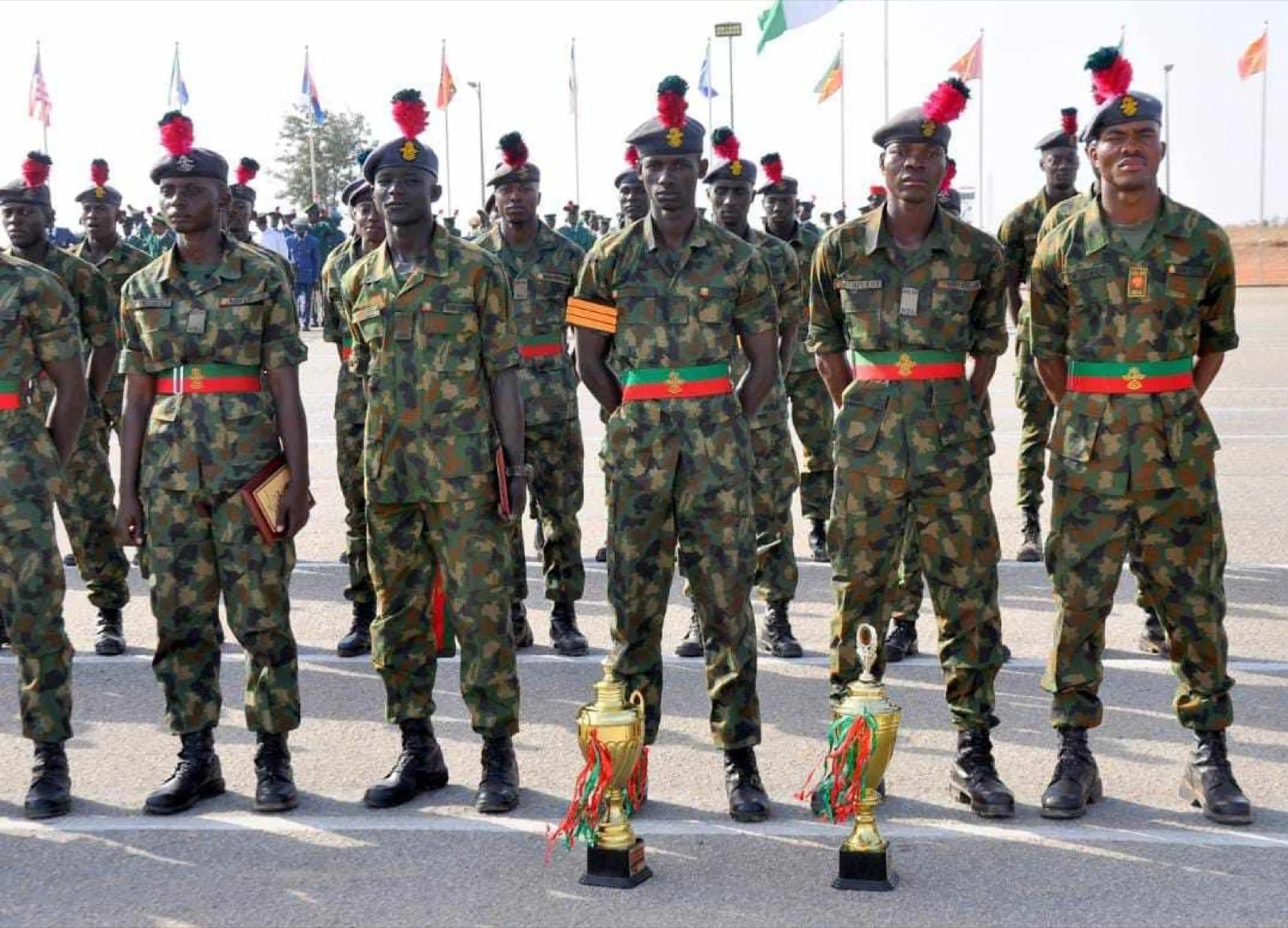
A modest fighter fleet, striking power transformed by Turkish drones. The Nigerian Air Force, the air arm of West Africa’s most populous military, has become one of the continent’s fastest-modernizing fleets in recent years. Its conventional fighter strength is modest: JF-17 Thunder (a Chinese-Pakistani joint venture), Alpha Jet light attack aircraft and aging F-7 fighters. But Nigerian air doctrine focuses less on external threats than on internal security operations against armed groups like Boko Haram and ISWAP.
What truly carries the country onto the podium is its aggressive drone modernization. Alongside A-29 Super Tucano light attack aircraft, Nigeria added Bayraktar TB2 and the more advanced Bayraktar Akıncı armed drones to its inventory. These Turkish platforms provide a precise, persistent strike capability against insurgent groups in the country’s north, fundamentally shifting the balance on the ground. Nigeria has become one of the most important customers of the Turkish defense industry in Africa.
Compared with Morocco’s F-16-centric conventional power, Nigeria lags in traditional fighter numbers but wields a far more flexible and effective capability against asymmetric threats through modern drones. The country’s population, economy and rising defense spending suggest this fleet will grow stronger in the years ahead.
| Element | Value |
|---|---|
| Main fighter | JF-17 Thunder, F-7 |
| Light attack | A-29 Super Tucano, Alpha Jet |
| Armed UAV | Bayraktar TB2, Akıncı |
| Doctrine | Internal security / counter-terrorism |
But the two giants at the summit belong to an entirely different league. In second place stands North Africa’s Russian-built powerhouse.
#2 · ALGERIA
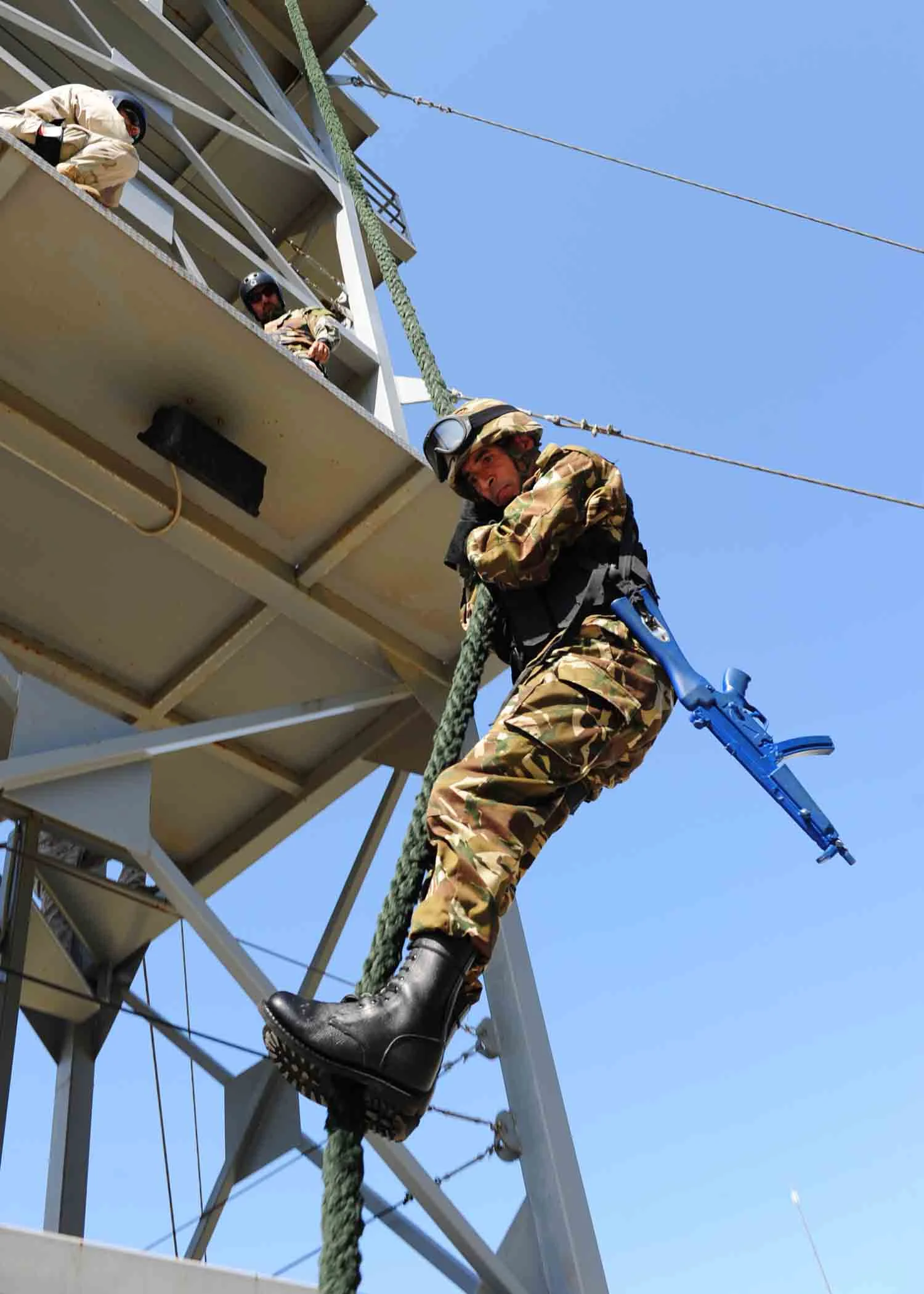
Russian-built, modern and deep — Egypt’s most serious rival. The Algerian Air Force, Africa’s second-most modern and best-equipped air arm, relies heavily on advanced Russian-sourced platforms. Its backbone is roughly 70 Su-30MKA multirole superiority fighters, complemented by MiG-29 fighters and Su-24 tactical bombers. With about 180 combat aircraft and a total inventory of ~570, Algeria is a genuine heavyweight in North Africa.
Its attack-helicopter fleet is equally impressive: modern Mi-28 “Havoc” and proven Mi-24 gunships provide strong close air support to ground forces. Algeria’s high defense budget and energy revenues keep the fleet continuously updated. The country maintains deep military cooperation with Russia and is often cited as one of the African nations most likely to transition to fifth-generation platforms such as the Su-57.
Algeria’s doctrine is built largely on its historic rivalry with western neighbor Morocco. Algeria’s Russian Su-30s facing Morocco’s American F-16s make North Africa a virtual showcase of East-West weapons technology. Unlike Nigeria’s drone-centric asymmetric power, Algeria embodies classic air superiority and a deep combat fleet. Even so, it is not enough to surpass the giant atop the list.
| Element | Value |
|---|---|
| Total aircraft | ~570 |
| Combat aircraft | ~180 |
| Main fighter | ~70 Su-30MKA |
| Attack helicopter | Mi-28, Mi-24 |
And now, the summit. Africa’s overwhelmingly largest air power comes next.
#1 · EGYPT
Africa’s undisputed air-power giant — ~1,080 aircraft, world-class diversity. The Egyptian Air Force is one of the largest and most diverse air forces not only in Africa but across the entire Middle East. With a total inventory of roughly 1,080 aircraft and more than 240 combat jets, Egypt leaves every other nation on this list far behind. The fleet’s defining trait is that it houses platforms from rival great powers under a single roof.
Egypt’s striking power reads like a global arms catalog: around 200 American F-16 C/Ds, 24 French Rafales, 46 Russian MiG-29M/M2s and Mirage 2000 fighters. Its attack-helicopter fleet places the American AH-64 Apache alongside the Russian Ka-52 “Alligator.” This multi-source structure gives Egypt both strategic flexibility and freedom from dependence on any single supplier. The country also sits at the center of processes to acquire additional Rafales and Su-35s.
The strategic importance of the Suez Canal, instability along the Libyan border and regional power balances all push Egypt to maintain a consistently powerful air force. While Algeria’s modern, Russian-heavy fleet is a serious rival, it can match Egypt in neither numerical size nor platform diversity. Even the rest of the continent combined would struggle to balance Egypt’s fleet. That is why Egypt is the undisputed king of Africa’s skies.
| Element | Value |
|---|---|
| Total aircraft | ~1,080 |
| Combat aircraft | ~240+ |
| Main fighters | F-16 (~200), Rafale (~24), MiG-29M/M2 (~46), Mirage 2000 |
| Attack helicopter | AH-64 Apache, Ka-52 |
Though Turkey does not appear in this regional ranking, it is an increasingly decisive actor in redrawing the map of African air power. Baykar’s Bayraktar TB2 and Akıncı armed drones have been exported across the continent — to Nigeria, Ethiopia, Morocco, Tunisia, Libya (GNU), Niger, Chad, Rwanda and Togo, among others. These platforms have given nations unable to field expensive fighter fleets a low-cost, battle-proven strike capability. Together with TAI’s Hürkuş trainer and the future export potential of the Hürjet light combat jet, Turkey is emerging — through the TAI/Baykar ecosystem — as a rising supplier to Africa’s air industry. Across the continent, “drone diplomacy” is steadily expanding Ankara’s sphere of influence.
Why This Ranking? Overall Assessment
The map of African air power lays bare the continent’s deep inequalities and geopolitical fault lines. The ranking’s most striking feature is the concentration of power in North Africa. Egypt and Algeria field fleets more modern and deeper than the rest of the continent combined. Their Mediterranean-coast arms race is, in essence, an extension of Middle Eastern and European power balances; Egypt’s mixed American-French-Russian fleet and Algeria’s Russian-heavy force constitute the largest showcase of the global arms market on African soil.
A second major theme is that numbers alone no longer mean power. Sudan and Libya field significant fleets on paper, yet civil wars have largely dissolved that strength. South Africa, despite owning the most modern jets, has fallen sharply in readiness due to a budget crisis. These cases prove that operational readiness, maintenance infrastructure and political stability are at least as decisive as raw aircraft counts.
The third — and perhaps most transformative — theme is the armed drone revolution. Nigeria, Ethiopia and even Libya have redefined their striking power through relatively cheap and effective drones rather than costly fighter fleets. At the center of that transformation stands, in large part, the Turkish defense industry. The Bayraktar TB2 and Akıncı changed the course of wars in sub-Saharan Africa and lifted these nations outside the traditional fighter-centric hierarchy. At the same time, Chinese (Wing Loong) and Iranian drones compete fiercely in this market.
Regional rivalries also shape the ranking. The Morocco-Algeria tension keeps North Africa in a perpetual modernization race, while Ethiopia’s delicate balances in the Horn of Africa (Eritrea, Somalia, Sudan) pushed it toward drone investment. Power is positioned not only against neighbors but often against internal insurgencies and terror groups — which explains why so many African states favor light attack and drone platforms over heavy fighters.
Looking ahead, the picture will clearly grow more dynamic. Algeria’s Su-57, Egypt’s Su-35 and additional Rafale processes will further strengthen the continent’s top tiers. Nigeria’s economic growth and ongoing drone investments could make its podium position permanent over the medium term. Turkey’s “drone diplomacy,” meanwhile, will keep reshaping the lower and middle tiers; with the Hürkuş and, in future, the Hürjet, that relationship may expand into fighter and trainer exports. In short, African air power will remain one of the liveliest arenas of both great-power competition and next-generation drone technology over the coming decade.
Comparison Table
| Rank | Country | Total Aircraft | Combat Aircraft | Signature Platform |
|---|---|---|---|---|
| 1 | Egypt | ~1,080 | ~240+ | F-16, Rafale, MiG-29M |
| 2 | Algeria | ~570 | ~180 | Su-30MKA, Mi-28 |
| 3 | Nigeria | Medium | Modest | JF-17, TB2, Akıncı |
| 4 | Morocco | ~260 | ~48 F-16 + Mirage | F-16 Viper, TB2 |
| 5 | South Africa | ~220 | ~26 Gripen | Gripen, Rooivalk |
| 6 | Ethiopia | ~90 | Su-27, MiG-23 | Su-27, TB2 |
| 7 | Angola | Modest | ~12 Su-30K | Su-30K, MiG-23 |
| 8 | Sudan | ~180 (paper) | MiG-29, MiG-23 | MiG-29, Su-25 |
| 9 | Libya | Fragmented | MiG-21/23 (grounded) | TB2 / Wing Loong |
| 10 | Tunisia | Small | ~12 F-5 | F-5, A-29 Tucano |
Next Military Power Analysis
Coming up: Israel or Turkey — which military is stronger?
Frequently Asked Questions
Which country has Africa’s strongest air force?
Egypt, with roughly 1,080 total aircraft and more than 240 combat jets, has by far Africa’s strongest and most diverse air force. Housing the F-16, Rafale, MiG-29M and Mirage 2000 under one roof, its fleet offers unmatched diversity on the continent.
Why isn’t Turkey in the African air-power ranking?
This ranking covers only African continental nations; as a European/Middle Eastern country, Turkey is not on the list. However, through exports of the Bayraktar TB2 and Akıncı drones, Turkey is a rising supplier directly strengthening the air power of many African nations, including Nigeria, Ethiopia, Morocco, Tunisia and Libya.
Does Algeria or Morocco have the stronger air force?
Algeria ranks ahead of Morocco thanks to its modern Russian fleet of roughly 70 Su-30MKAs and its deeper inventory. Morocco fields strong modern capability with U.S.-built F-16 Vipers and Bayraktar TB2s; the historic rivalry between the two fuels a constant arms race in North Africa.
Why is Nigeria third despite having few fighters?
Though Nigeria’s conventional fighter fleet is modest, its Bayraktar TB2 and Akıncı armed drones and A-29 Super Tucanos form a highly effective modern strike force for counter-terrorism. This asymmetric capability lifts the country above the traditional fighter hierarchy.
Why isn’t South Africa in the top three despite its modern jets?
Although South Africa owns modern fighters like the Gripen C/D, years of budget cuts and maintenance problems have left much of its fleet effectively unable to fly. This low readiness drops the country below its paper strength.
Have Turkish drones truly been effective in African wars?
Yes. The Bayraktar TB2 played a decisive role in shifting the battlefield balance during Ethiopia’s Tigray War and in the GNU’s defense of Tripoli in Libya. These successes made Turkish drones the preferred low-cost strike option across Africa.
Sources
- Source: GlobalFirepower — 2026 air-power and inventory data.
- SIPRI — arms transfers and defense spending database.
- IISS Military Balance — fleet and platform inventories.
- NATO — regional security and partnership data.
- Defense ministries and official air-force statements of the relevant nations.