Burkina Faso’s Military Power: Which Armoured Vehicles, Aircraft and Drones Are in the Inventory? (2026)

Burkina Faso’s military inventory maps an army built around mobility, aerial surveillance and armoured protection rather than heavy weapons. Chinese and South African MRAPs, French armoured cars, Russian helicopters and, since 2022, Turkish drones and armoured vehicles form the backbone of the Burkina Faso Armed Forces today.
At a Glance
- Active personnel: About 12,000 (7,000 army, 500 air force, 4,500 gendarmerie; IISS, approximate), not counting the Volunteers for the Defence of the Homeland (VDP) and people’s militias. Ranked 127th of 145 countries in Global Firepower 2026
- Tanks: None; a light force built around Chinese-made WMA301 fire-support vehicles (about 6), wheeled armoured cars and MRAPs rather than heavy armour
- Armoured vehicles: About 400: Chinese-made CS/VP14 (100) and VP11 (40), PUMA M26-15 (63), Otokar Cobra (38), Ejder Yalçın (24), Stark Storm (21), Panhard AML (19), EE-9 Cascavel (24) and Bastion (approximate)
- Military aircraft: About 40 air assets: Mi-35 (5), Mi-17 (3), Mi-26 (1), AS350 (8), EMB-314 Super Tucano (3), C-295 (1), King Air 200 (1) and seven Turkish-made Bayraktar drones (approximate)
- Navy: None; Burkina Faso is a landlocked Sahel country
- Defence budget: Around 2.9 percent of GDP (2022 estimate); security spending is among the largest items in the public budget because of the insurgency
Note: The inventory figures below are approximate values drawn from open sources such as Global Firepower, the IISS Military Balance and SIPRI.
About the Burkina Faso Armed Forces
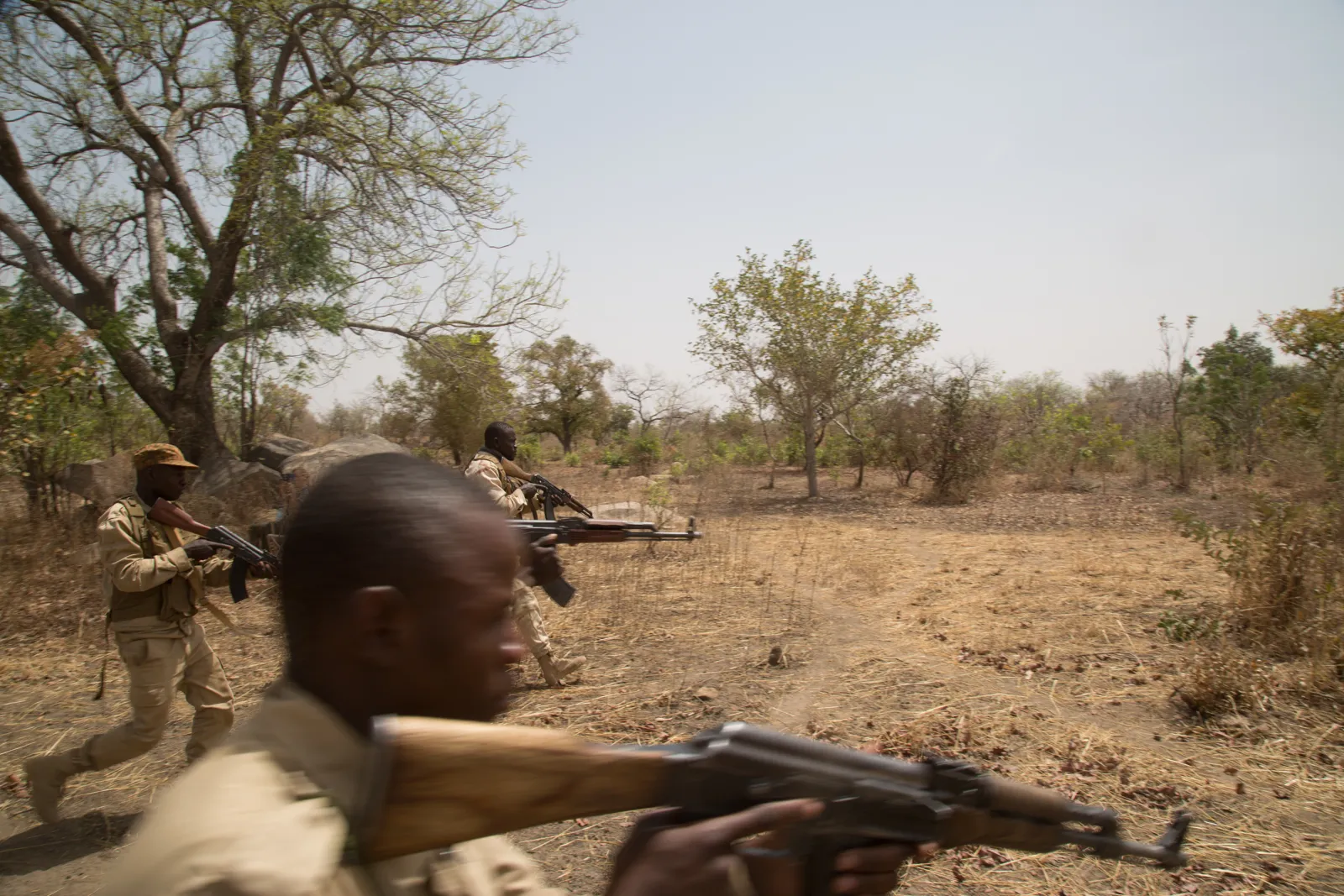
The Burkina Faso Armed Forces consist of the Army, the Air Force and the National Gendarmerie, with people’s militias and volunteers also part of the security architecture. According to IISS and open-source compilations, regular personnel number about 12,000: roughly 7,000 army, 500 air force and 4,500 gendarmerie. Figures are approximate and exclude volunteers.
The army has been closely entangled with politics since its founding in 1960, and the country has seen numerous coups. Captain Ibrahim Traoré took power in the September 2022 coup. The defence minister is Brigadier General Célestin Simporé and the chief of general staff is Brigadier General Moussa Diallo.
The defining feature of the security picture is the jihadist insurgency that has grown since 2015. The army is fighting JNIM and Islamic State-linked groups across a wide geography. The Volunteers for the Defence of the Homeland (VDP), created in 2020, are local civilian volunteers supporting regular units, and new volunteer recruitment was also reported in 2026.
In foreign policy, Burkina Faso left ECOWAS in January 2025 and, with Mali and Niger, belongs to the Alliance of Sahel States (AES). A joint force of the three countries was reported to have been set up in December 2025. After French troops left the country in 2023, Burkina Faso diversified its suppliers, with Türkiye, China, Russia and Gulf states prominent.
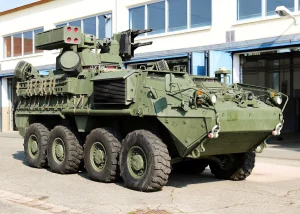
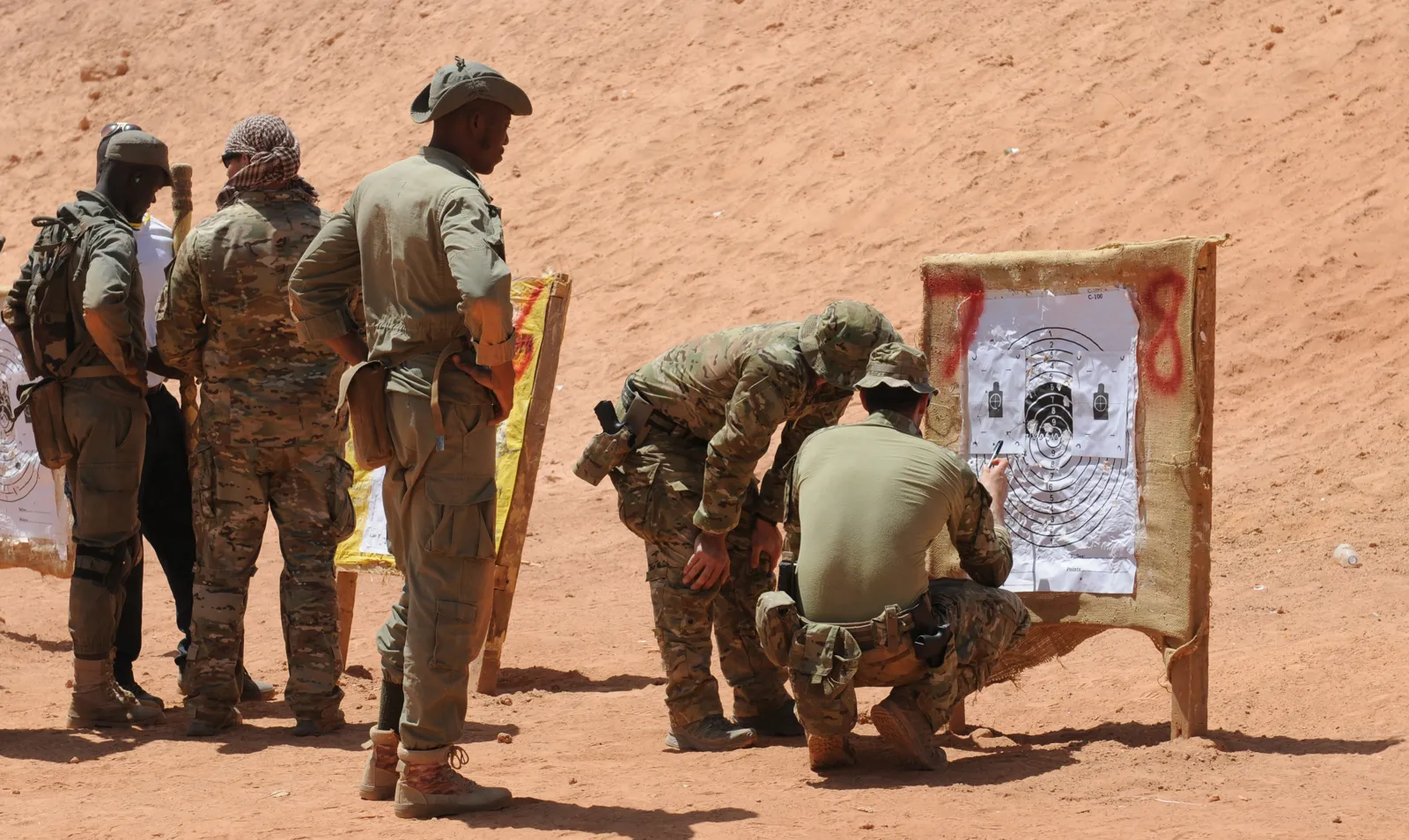
The land inventory is light and mobility-oriented. There are no main battle tanks; Chinese-made WMA301 wheeled fire-support vehicles, Panhard AML and EE-9 Cascavel reconnaissance cars, and CS/VP14, VP11, PUMA M26-15 and Gila MRAPs stand out. Turkish-made Otokar Cobra, Ejder Yalçın and Nurol Ejder vehicles are also in service. Artillery consists of M101 howitzers, Type 63 and APR-40 rocket launchers, and mortars.
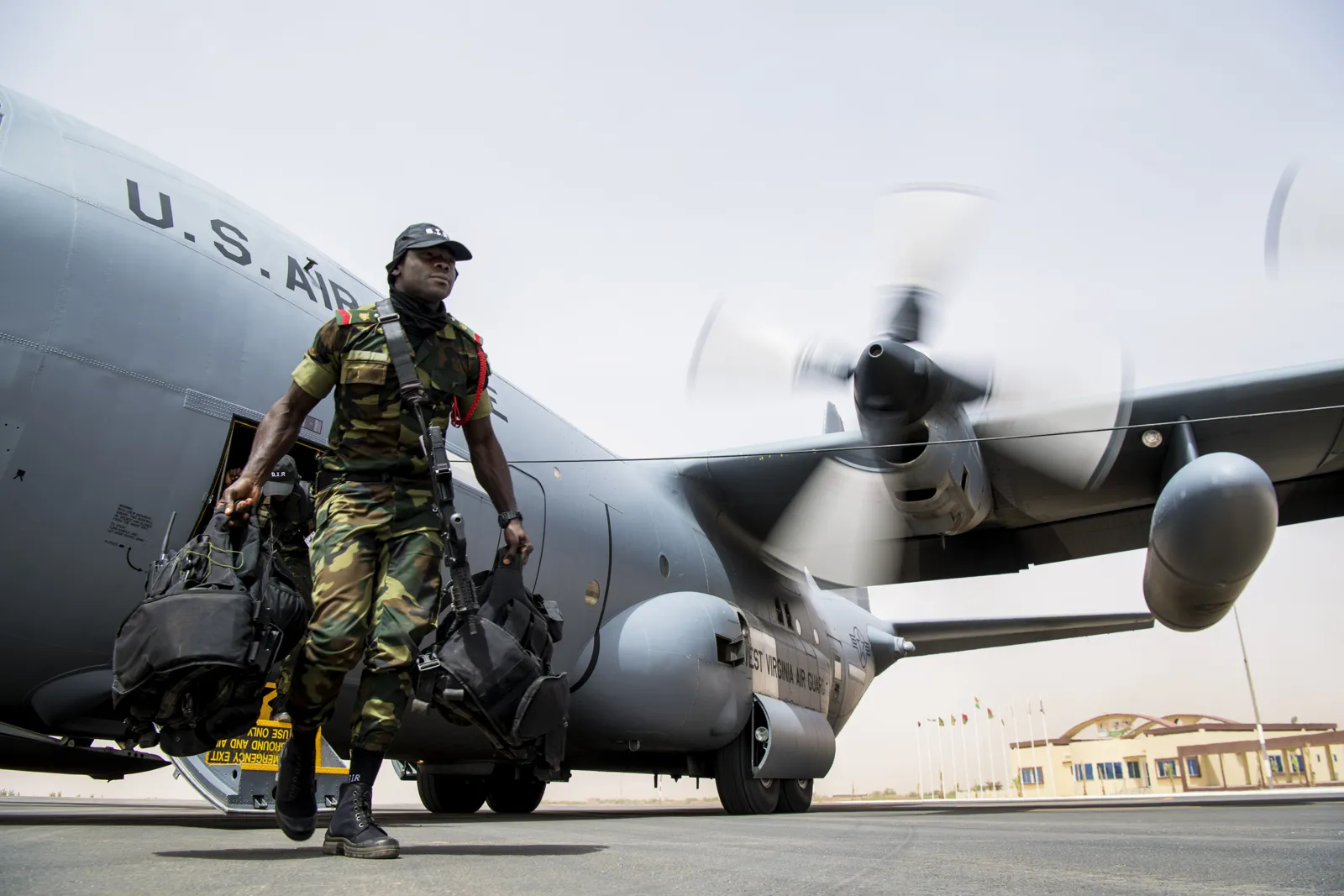
The air force is small but focused: five Mi-35 attack helicopters, Mi-17 and Mi-26 transports, three Super Tucano light attack aircraft, C-295 and King Air transport and surveillance aircraft, and Bayraktar TB2 and Akıncı drones. Burkina Faso is landlocked and has no navy.
Land Forces Inventory
| System type | Est. quantity |
|---|---|
| Tank destroyers and fire-support vehicles | No main battle tanks; about 6 WMA301 wheeled fire-support vehicles (reportedly ordered in 2023 and showcased in January 2024) |
| Armoured reconnaissance cars | Panhard AML-60/90 (19), EE-9 Cascavel (24), Ferret (30), M8 Greyhound (8) and M20 (2); many are old and their operational status is uncertain (approximate) |
| Armoured personnel carriers and MRAPs | CS/VP14 (100), VP11 (40), PUMA M26-15 (63), Gila (6), Temsah 2 (2), Panhard M3 (13), Bastion (11); Turkish-made Otokar Cobra (38), Ejder Yalçın (24) and Nurol Ejder (4) (approximate) |
| Artillery and rocket launchers | M101 105 mm howitzers (8), Type 63 (4) and APR-40 (5) multiple rocket launchers, PM-43 120 mm mortars (12) and 81 mm CS/SM1 self-propelled mortars on Dongfeng chassis (6) (approximate) |
| Light vehicles and engineering | Toyota Land Cruiser pick-ups, ACMAT ALTV, Ural-4320 trucks and three KrAZ Shrek-M mine-clearing vehicles; the improvised-explosive threat is driving demand for mine-resistant vehicles |
Air Force Inventory
| Platform | Est. quantity |
|---|---|
| Attack aircraft | Three Embraer EMB-314 Super Tucano light attack aircraft (approximate); no conventional jet fighters, the MiG-21 and MiG-17 era is over |
| Helicopters | Mi-35 attack helicopters (5), Mi-17 transports (3, with 2 reportedly on order), one Mi-26 heavy lifter, AS350s (8) and one Taiwanese-donated UH-1H (approximate) |
| Transport and surveillance aircraft | One CASA C-295, one Super King Air 200, one Diamond DA42 and one DA62 on surveillance duty, plus eight light Tétras aircraft (approximate) |
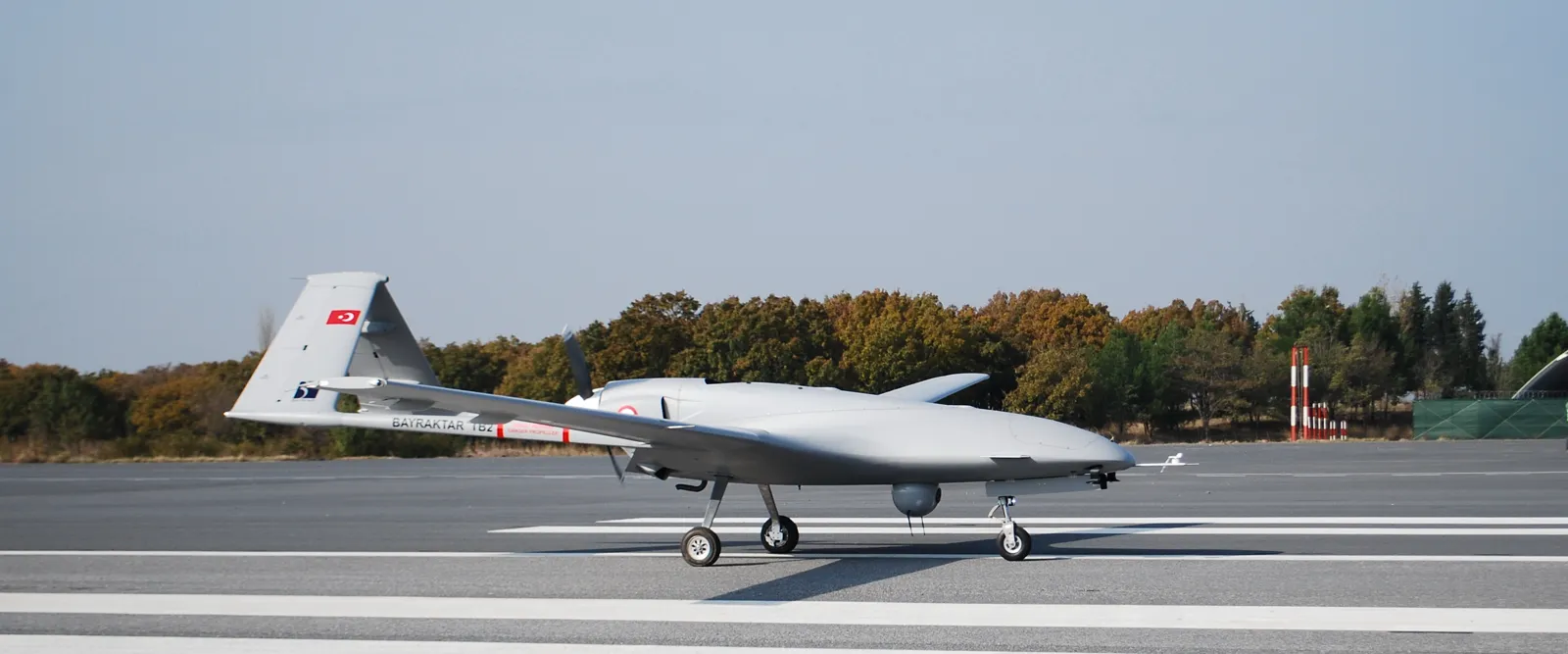
| Armed drones | Five Bayraktar TB2s (delivered in 2022) and two Bayraktar Akıncıs (shown in April 2024), about seven Turkish-made armed drones; the army’s most effective air strike asset |
Missile and Air-Defence Systems
| System | Type / Note |
|---|---|
| Air defence | No meaningful ground-based air-defence layer; only shoulder-fired Strela-2 missiles and around 30 ZPU-2 and 12 TCM-20 anti-aircraft guns (approximate) |
| Anti-tank weapons | RPG-7 launchers, 84 mm Carl Gustaf and Type 52 75 mm recoilless rifles; a guided anti-tank missile inventory is not documented in open sources |
| Tactical missiles | There are no ballistic or cruise missiles; precision strike relies on the smart munitions carried by the TB2 and Akıncı |
Naval Power
| Class / Type | Est. quantity |
|---|---|
| Naval forces | None; Burkina Faso’s nearest sea access is through Ghana, Togo, Benin and Côte d’Ivoire |
| River and logistics | River transport is limited; troops and supplies move by road and air bridge |
The Turkey Angle: Turkish Defence Industry
The defence relationship between Türkiye and Burkina Faso has taken concrete shape in recent years through drones and armoured vehicles. According to open sources, five Bayraktar TB2s were delivered in April-May 2022 and officially commissioned in March 2023. On 8 April 2024 Captain Traoré handed about a dozen Turkish-made drones to the defence ministry; two Bayraktar Akıncıs and three TB2s were shown at the ceremony.
Traoré praised the TB2 and said the Akıncı had exceeded the technical capabilities planned by the manufacturer. These drones are among the few assets able to loiter for long periods over a vast territory and offer surveillance and precision strike, a significant force multiplier for a limited air force. Independent verification is limited, but Turkish drones have become decisive in the air strike capacity of Sahel armies.
On the land side, open-source compilations list about 38 Otokar Cobras, 24 Nurol Makina Ejder Yalçıns and 4 Nurol Ejders in the Burkinabé inventory. Mine and IED-resistant vehicles are a priority need for an army in the middle of a counter-insurgency fight.
Burkina Faso’s needs overlap with areas where the Turkish defence industry is strong: drones and surveillance systems, armoured mobility, counter-drone systems, training and maintenance support. Mali and Niger also operate Turkish drones, which lays groundwork for shared training and sustainment infrastructure in the region.
Frequently Asked Questions
How many tanks does Burkina Faso have? There are no main battle tanks in the Burkinabé inventory. Instead the army uses about six Chinese-made WMA301 wheeled fire-support vehicles, reconnaissance cars and roughly 400 MRAPs and armoured vehicles.
Does Burkina Faso have fighter jets? No conventional jet fighters. Air strike power comes from three Embraer Super Tucano light attack aircraft, five Mi-35 helicopters and the Turkish-made Bayraktar TB2 and Akıncı drones.
Does Burkina Faso buy weapons from Türkiye? Yes. Burkina Faso received five Bayraktar TB2s in 2022 and Bayraktar Akıncı drones were shown in April 2024. Otokar Cobra, Ejder Yalçın and Nurol Ejder armoured vehicles are also in the land inventory.
Does Burkina Faso have a navy? No. Burkina Faso is landlocked and reaches the sea through its neighbours.
How many regular troops does Burkina Faso have? According to IISS and open-source compilations, about 12,000 regular personnel: roughly 7,000 army, 500 air force and 4,500 gendarmerie. The Volunteers for the Defence of the Homeland are not included.
Bottom Line
The Burkinabé inventory shows an army that is small in numbers but focused on counter-insurgency. Hundreds of light armoured vehicles and MRAPs provide mobility, Mi-35s and Super Tucanos provide close air support, and Bayraktar TB2s and Akıncıs carry surveillance and precision strike. The weak links are air defence, maintenance, logistics and the burden placed on a small number of aircraft across a vast territory. For a Burkina Faso that is diversifying its suppliers, Türkiye is among the most visible partners through drone and armoured vehicle supplies.