US Anchors Its Submarine Force in Australia: Squadron 3 Reestablished at HMAS Stirling

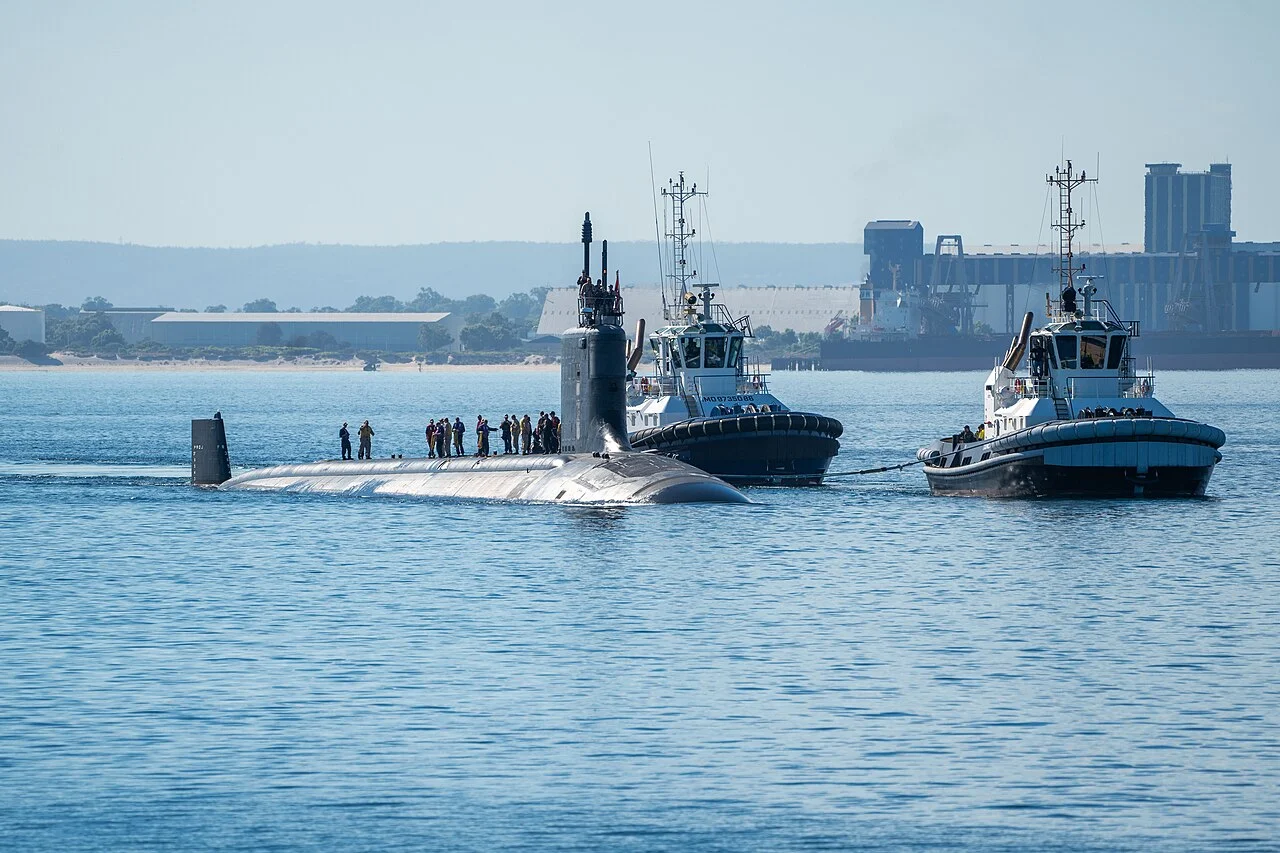
Rear Adm. Chris Cavanaugh, commander of the US Pacific Fleet’s submarine force, reactivated the squadron, Defence Industry Europe reported. Previously homeported at Pearl Harbor and stood down in February 2012, CSS-3 now plants its flag permanently on Australian soil, days after the May 30 trilateral joint statement confirmed SRF-West milestones remain on track.
In the Navy’s official release published via DVIDS, Vice Adm. Rob Gaucher, director of submarine programs, said the model “reduces burden on the US shipyards” while laying the groundwork for Australia’s future nuclear-powered submarine capability.
- What: Submarine Squadron 3 (CSS-3) reestablished
- Where: HMAS Stirling, Western Australia
- Mission: Maintenance, logistics and operational support for SRF-West rotations
- Timeline: Rotations start 2027; Pearl Harbor shipyard detachment arrives mid-2026
- Training: 20 Australian civilian maintainers and 25 RAN divers qualified; 230+ training in Hawaii
- Framework: AUKUS Pillar I — May 30 trilateral statement
Background: What Is SRF-West?
Submarine Rotational Force-West is AUKUS’s first concrete military deliverable: from 2027, US Virginia-class and UK Astute-class attack boats will operate rotationally from HMAS Stirling near Perth. The aim is twofold — a persistent allied submarine presence in the Indo-Pacific, and live experience for the Australian personnel who will take over used Virginia-class boats in the early 2030s, as confirmed in early June’s revised AUKUS plan.
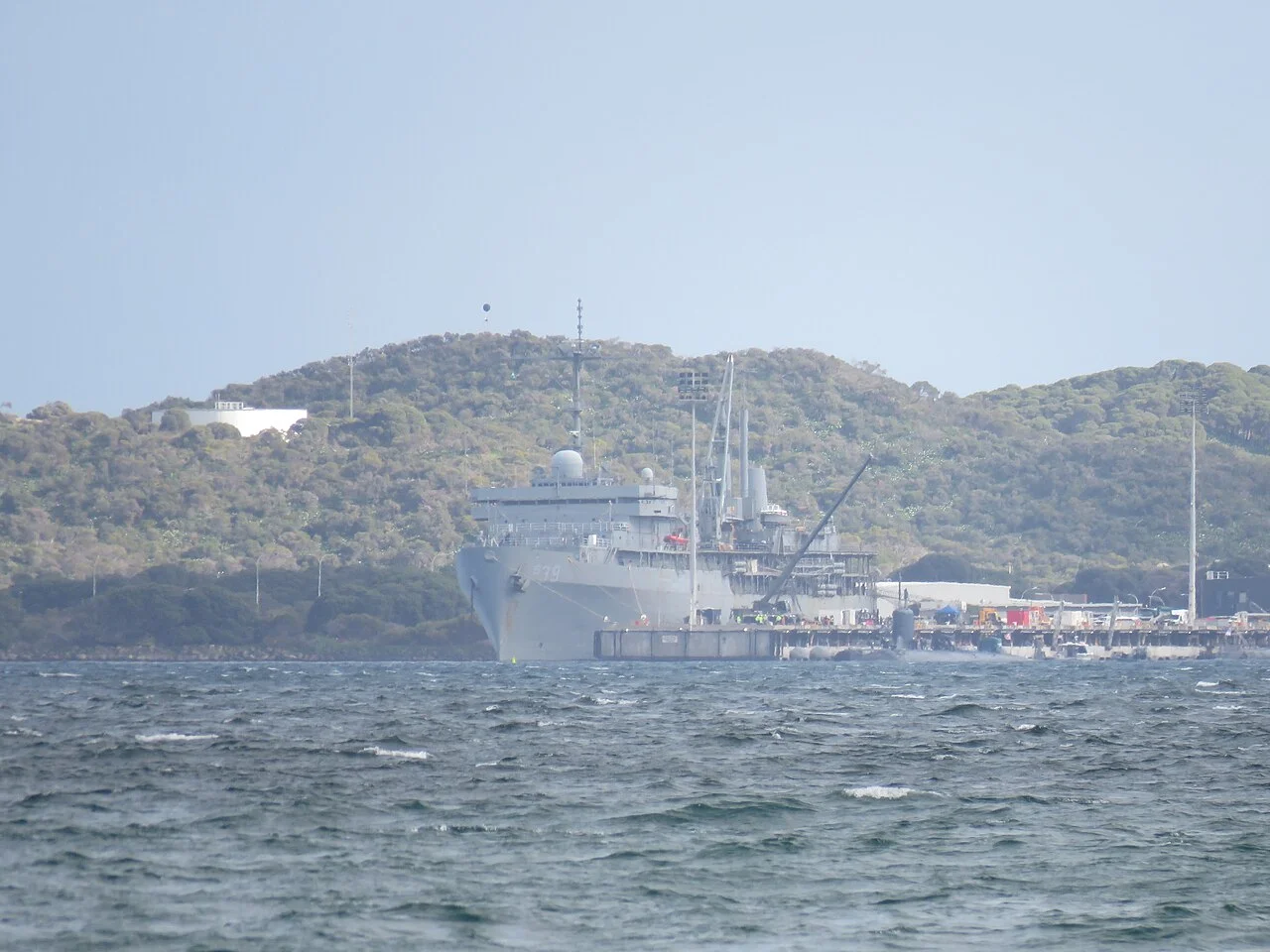
The Base Becomes a Maintenance Ecosystem
| Building block | Status |
|---|---|
| CSS-3 command element | Established — integrating with RAN counterparts |
| Pearl Harbor Naval Shipyard detachment | Stands up in Western Australia mid-2026 |
| Australian maintainer training | 20 civilians + 25 divers qualified; 230+ in Hawaii pipeline |
| Naval Support Activity Stirling | Operating — services for US personnel and families |
| First rotations | 2027 — US and UK SSNs |
Why It Matters for Turkey
The Stirling model proves that the real multiplier in submarine power is the maintenance and sustainment base, not just hull count — the US is fixing its own shipyard backlog by building allied repair capacity abroad. Turkey already runs that equation at its own scale: STM’s deep modernization of Pakistan’s Agosta 90B boats is a proven export of submarine MRO expertise, Reis-class (Type 214TN) deliveries continue at Gölcük, and the national MİLDEN design is advancing. As Washington locks its submarine enterprise onto the Pacific, the capacity gap opening in Europe and the Mediterranean widens the export window for both the MİLGEM family and Turkish submarine maintenance services.
Frequently Asked Questions
Is SRF-West the same as Australia buying submarines?
Why reestablish CSS-3?
How many personnel will serve there?
Bottom Line
CSS-3’s flag at Stirling moves AUKUS from timetable to command structure. The metrics to watch before 2027: how fast Australian maintenance crews qualify, and whether base infrastructure keeps pace.