The World’s Most Exported Armoured Vehicles

How many countries a vehicle reaches is one of the most concrete measures of a defence programme’s success — and also one of the easiest numbers to inflate. This file compares wheeled and tracked armoured personnel carrier (APC), infantry fighting vehicle (IFV) and mine-resistant (MRAP) families using only figures the manufacturers themselves have published, or single contracts confirmed through official channels. No unofficial estimates were used; wherever a number could not be verified, we wrote ‘undisclosed’ rather than guessing.
Methodology: Which Number, and Why?
‘Export success’ is not one number — it answers at least three different questions: how many countries actually field the vehicle, how large was the single biggest contract, and how many units were built or ordered worldwide in total. We treat these as three separate axes and label every figure by the kind of data it is (manufacturer statement / contract data / undisclosed).
| Data type | Description | Where it’s used in this file |
|---|---|---|
| Manufacturer statement | Total country/vehicle count the company itself publishes on its site or in official press material | Main table (M113, Otokar, Piranha, Patria AMV) and the third axis |
| Programme / contract data | Delivery quantity from a single, publicly confirmed export or licensed-production contract | Second axis (Poland, Bahrain, Philippines) |
| Undisclosed | Contract value is public, but the delivered quantity was never officially released | Second axis, Romania row |
How Many Countries Actually Field It?
The ranking below is based on the total operator-country count each manufacturer publishes through its own corporate channels. Counting methods differ between companies (for instance, whether demonstration or trial deliveries are included), so figures are presented as approximate (‘+’) values.
| System | Origin / manufacturer | Country count | Data type | Source |
|---|---|---|---|---|
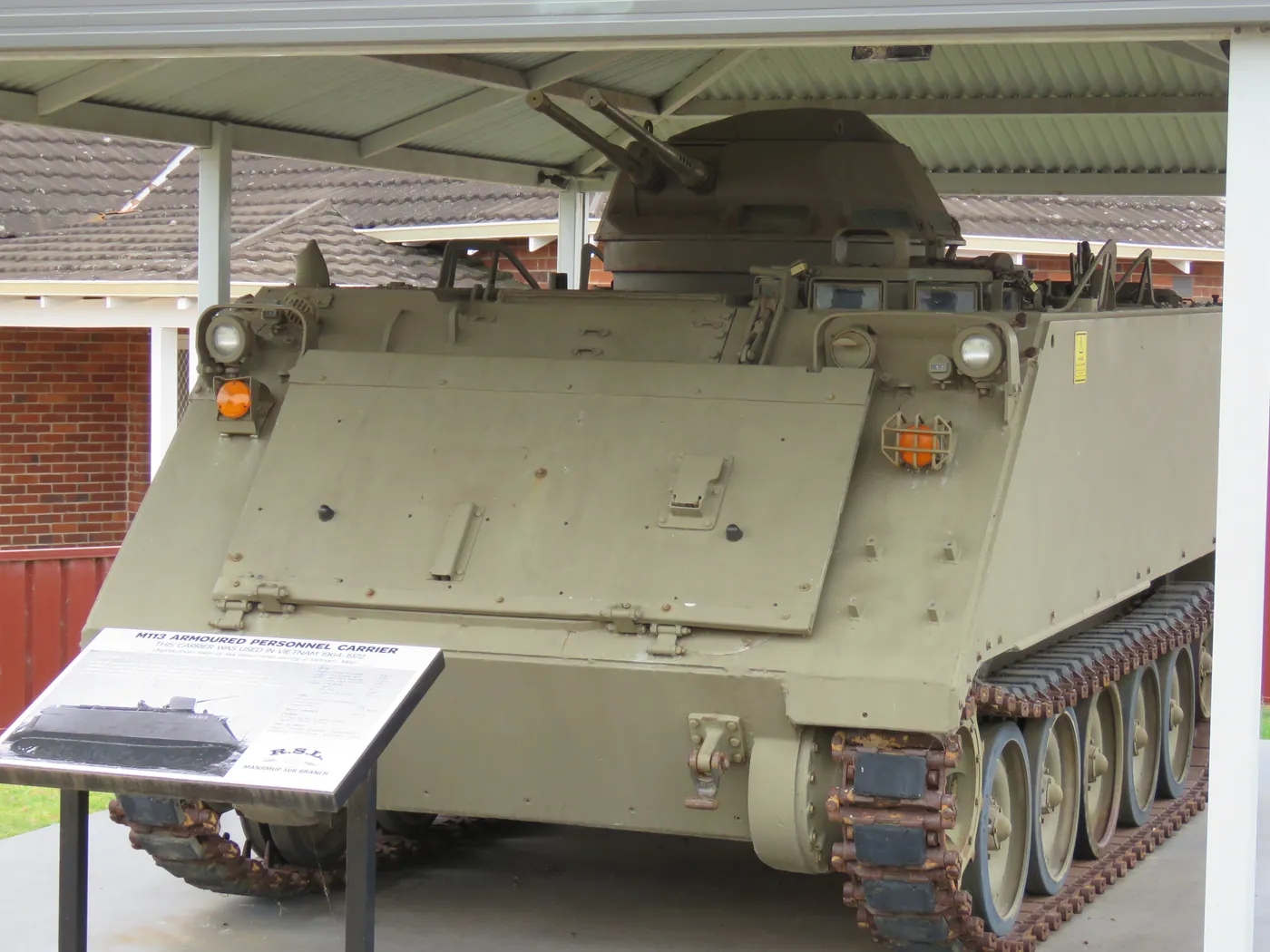
| M113 family | USA — BAE Systems (formerly FMC) | 44+ countries, 80,000+ vehicles | Manufacturer statement | BAE Systems product page |
| Cobra / Arma / Akrep II family | Turkey — Otokar | 40+ countries | Manufacturer statement | Otokar official news page |
| Piranha family | Switzerland — GDELS (Mowag) | 20+ countries, 12,000+ vehicles | Manufacturer statement | GDELS official data |
| AMV | Finland — Patria | ~10 operator countries + 4 licensed-production countries (Poland, South Africa, Croatia, Japan) | Manufacturer statement | Patria official sources |
Second Axis: The Biggest Single Contracts of the Last 15 Years
Country count shows how widespread a vehicle is; the size of a single contract tells a different story. Below are single export or licensed-production contracts signed in the last 15 years for which the delivery quantity is publicly confirmed.
| Buyer country / programme | System | Units | Year | Source |
|---|---|---|---|---|
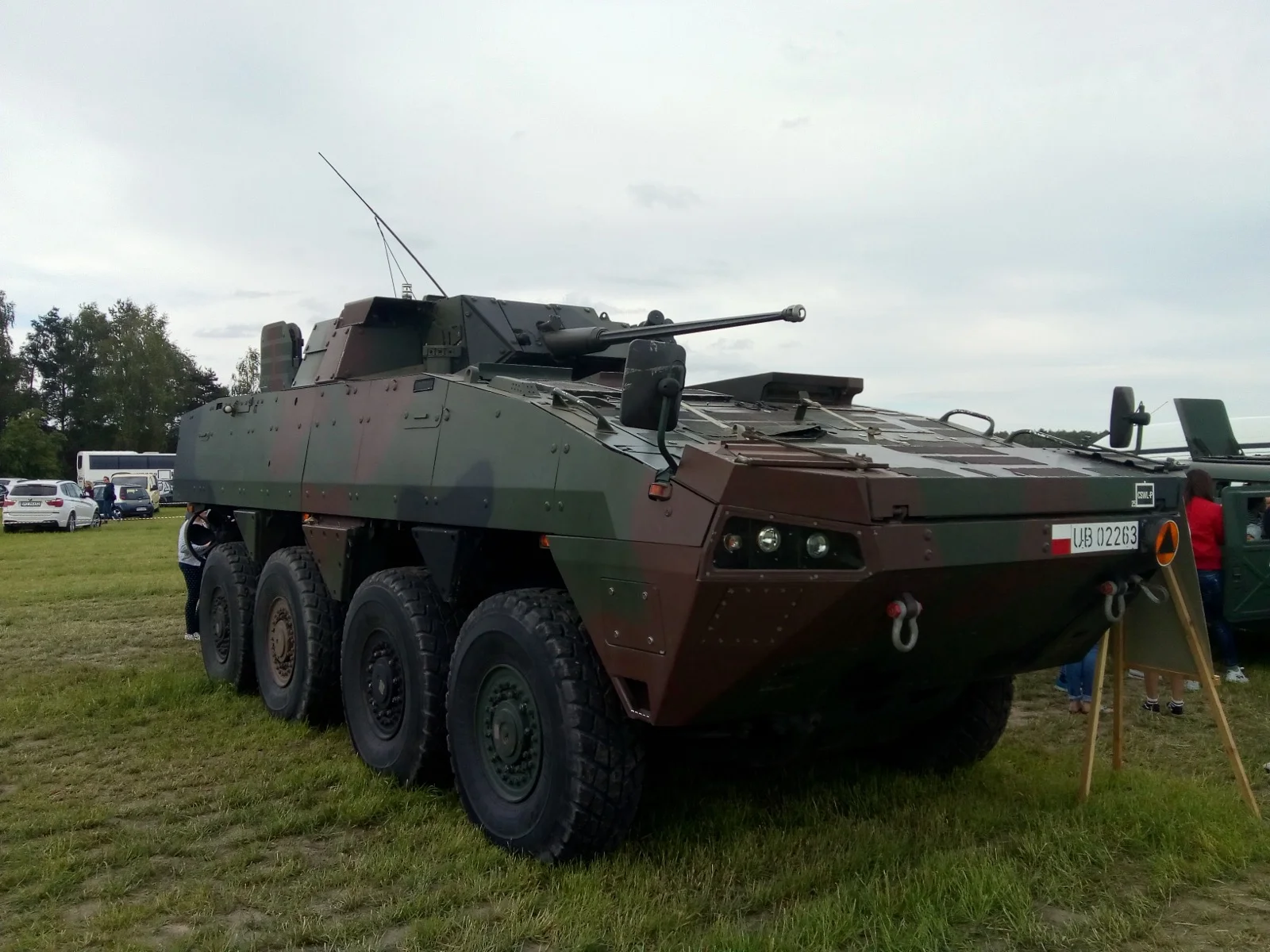
| Poland | KTO Rosomak (Patria AMV licence) | 690 (initial contract) | 2002-2013 | Patria / Army Technology |
| Bahrain | Otokar Arma 8×8 | 73 | 2010 | Defenceturkey / Otokar |
| Philippines | FNSS Kunduz AACE | At least 6 | 2020 contract | Army Technology |
| Romania | Otokar Cobra II | Undisclosed (contract value ~$83.6 million) | 2025 delivery target | Otokar / Defence Industry Europe |
Third Axis: Total Production / Order Scale
Independent of country count, the third axis shows the total production or order volume a family has reported worldwide. This scale should not be confused with a single country’s own fleet size — here the subject is the global total.
| Family / programme | Origin | Total scale | Data type | Source |
|---|---|---|---|---|
| M113 family | USA | 80,000+ vehicles | Manufacturer statement | BAE Systems |
| Otokar total military fleet | Turkey | 33,000+ vehicles (full portfolio including Cobra, Arma, Akrep II and other models) | Manufacturer statement | Otokar |
| Piranha family | Switzerland | 12,000+ vehicles | Manufacturer statement | GDELS |
| FNSS ACV family (Turkish Army deliveries only) | Turkey | 2,249 vehicles | Programme data | FNSS / public sources |
| AMV | Finland | 1,400+ orders | Manufacturer statement | Patria |
Why Do Some Families Spread So Widely?
The modularity of wheeled platforms
8×8 or 6×6 wheeled chassis let manufacturers build personnel-carrier, command-and-control, reconnaissance and fire-support variants on the same base. That modularity lets a single contract cover several needs at once, making the platform an attractive procurement model for buyer nations.
Post-Cold War surplus stock and the second-hand market
Families like the M113, which entered production in the 1960s, were first issued to large armies; as those armies modernised, surplus stock moved on to smaller-budget countries. The same dynamic historically applied to Soviet/Russian-origin systems, but in this file only figures backed by a single official source made it into the main table.
Joint production and technology-transfer agreements
Poland’s Rosomak (a Patria AMV licence) and South Africa’s Badger show that programmes offering local production partnerships tend to boost both export numbers and industrial buy-in in the recipient country.
NATO/EU standardisation and joint exercises
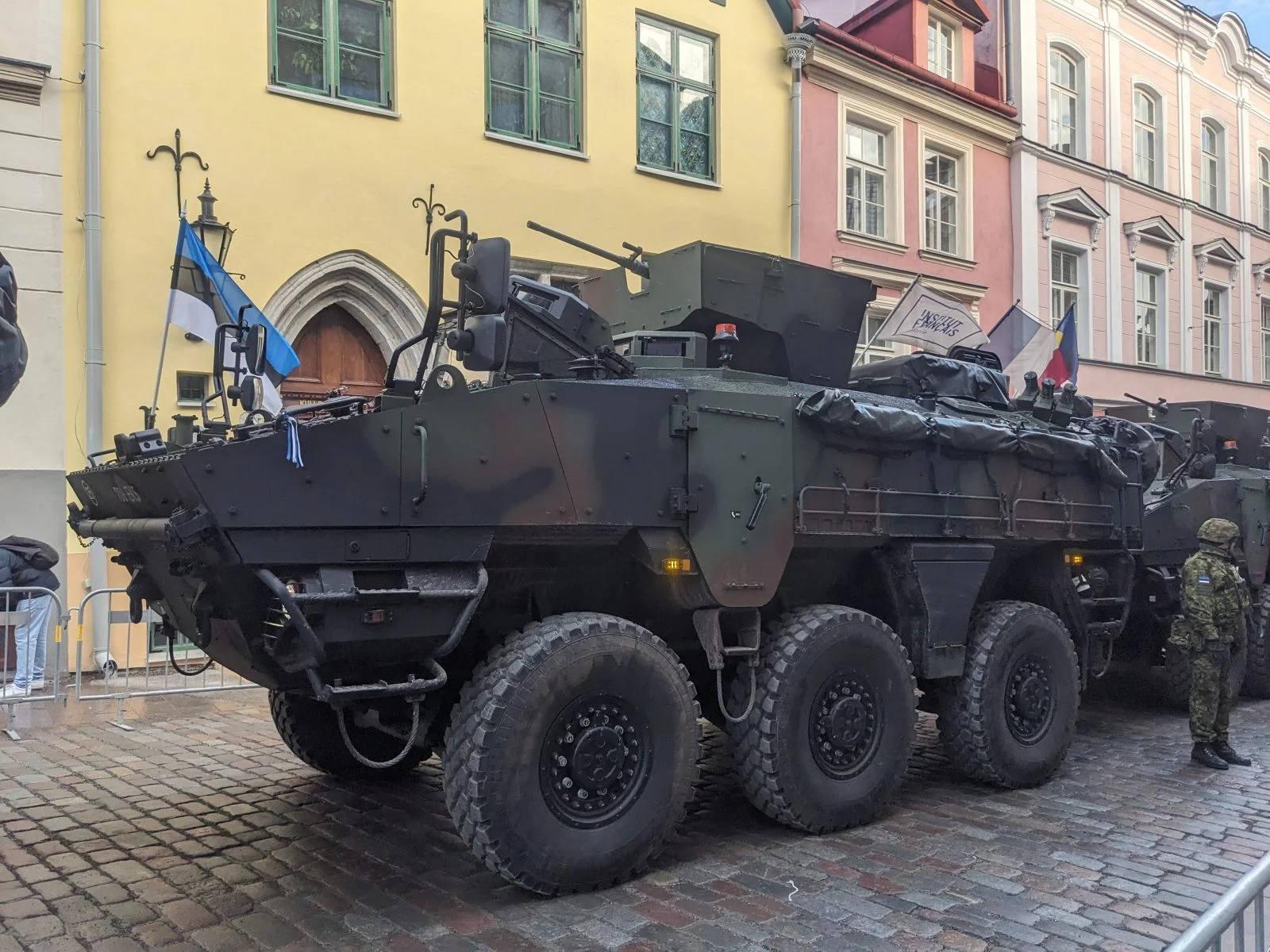
For countries on NATO’s eastern flank, such as Estonia, interoperability with allied forces in joint exercises and logistics plays a real role in procurement choices — a factor that speeds up regional acceptance of wheeled platforms.
Turkey’s Position In This Category
Turkey appears in this file through two separate manufacturers: Otokar and FNSS. Otokar’s Cobra, Arma and Akrep II family, per the company’s own figures, is fielded in more than 40 countries, placing it second in the main table right behind the US M113 family. FNSS’s ACV/Pars family shows a different profile: 2,249 vehicles delivered to the Turkish Armed Forces, plus exports to Malaysia, the Philippines, the United Arab Emirates and Oman.
Together, these figures show Turkey operating at two different scales in armoured-vehicle exports: Otokar’s broad country network, and FNSS’s smaller but growing customer base. This file’s ‘export reach’ axis should not be confused with the ‘fleet size’ axis covered in a separate file on this site.
Frequently Asked Questions
Which armoured vehicle family has been exported to the most countries?
How is the ‘country count’ figure in this file calculated?
How many countries use Otokar’s armoured vehicles?
What is the biggest single armoured-vehicle export or licence contract?
Why aren’t Russian-origin BMP/BTR families in the main table?
Where does Turkey rank in armoured-vehicle exports?
Sources
- BAE Systems — M113 Family of Vehicles product page
- Otokar — official news and press pages (otokar.com.tr)
- General Dynamics European Land Systems (GDELS) — official product data
- Patria Group — official corporate page and KTO Rosomak case study (patriagroup.com)
- FNSS Savunma Sistemleri — official corporate data
- Army Technology — industry outlet relaying manufacturer/official statements (Rosomak, Philippines-FNSS contracts)
- Defenceturkey — Bahrain-Arma contract reporting