Germany is buying 149 mobile rescue stations — the quiet half of preparing for a long war

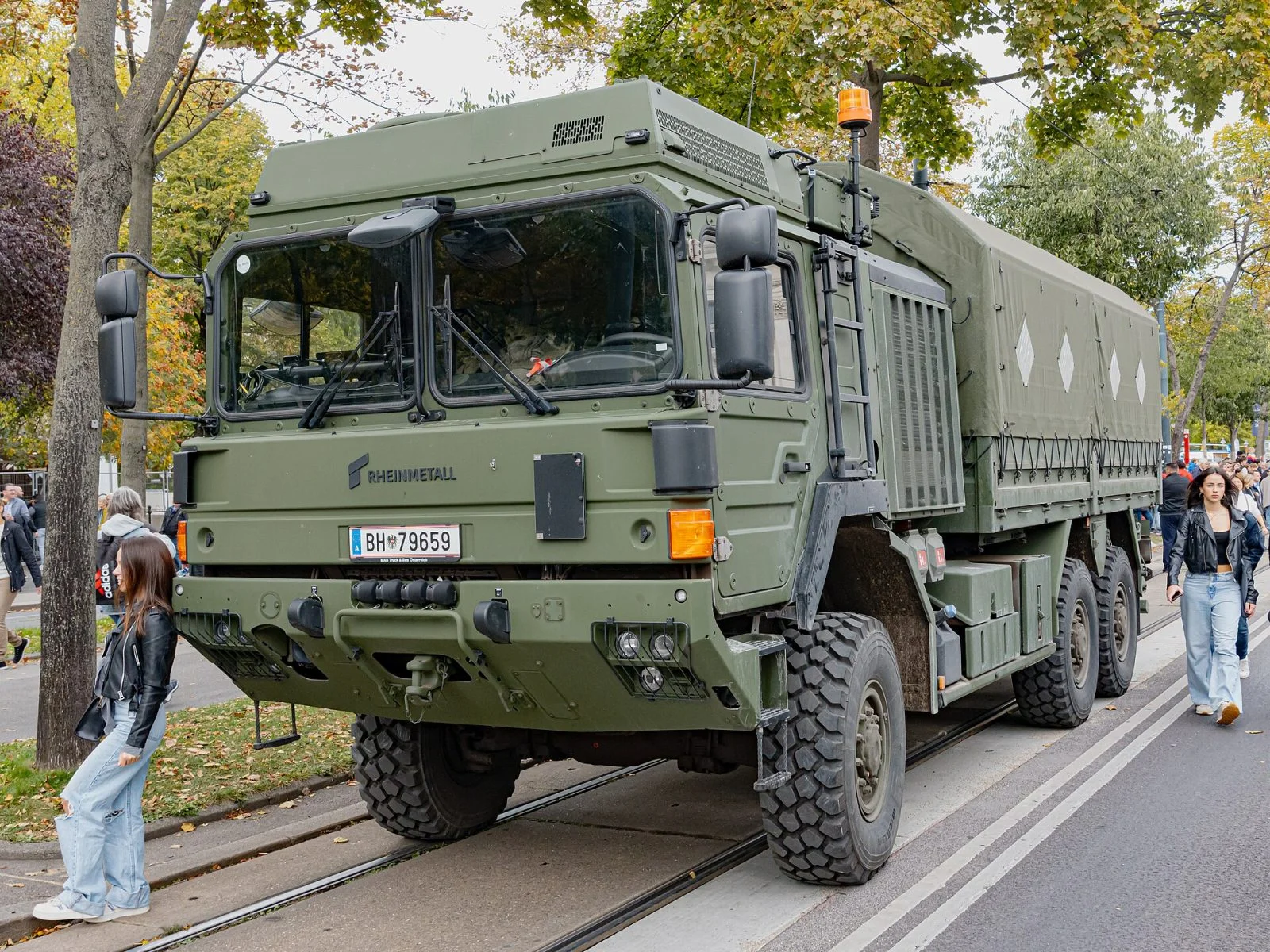
Rheinmetall has secured an order worth more than €500 million from the Bundeswehr for 149 mobile rescue stations. The call-off, booked in July, expands the planned fleet to 165 systems with a combined value above €600 million. It points to a corner of defence procurement that rarely makes headlines but largely determines whether an army can sustain a long fight: the capacity to keep casualties alive.
At a Glance
- Who: Rheinmetall and Germany’s Federal Office of Bundeswehr Equipment, Information Technology and In-Service Support (BAAINBw).
- What: 149 mobile rescue stations, taking the planned fleet to 165 systems.
- How much: This call-off exceeds €500 million; the combined programme is worth over €600 million.
- When: Booked in July 2026; production begins in the first quarter of 2027.
- Structure: Ordered under a framework contract awarded in December 2024, which initially covered 10 protected and 6 unprotected systems.
- Design: Each station is two independent containers, each with its own generator and air conditioning; four soldiers can assemble or strike one quickly.
- Why it matters: Ukraine’s lesson is blunt — a static medical facility is a target.
From tents to containers
Military field medicine has looked much the same for decades: large tents, generator cabling, duckboards laid over churned ground. That arrangement worked well enough in Afghanistan and Iraq, because the base hosting the field hospital was rarely under direct threat. Ukraine dismantled that assumption.
Fixed facilities behind the line now sit inside the reach of long-range artillery and unmanned aircraft. Medical units consequently have to move, and keep moving. A tented complex that takes hours to erect cannot match that tempo, and the time spent striking, moving and re-establishing translates directly into casualty survival rates.
Rheinmetall’s system is built around that requirement. Each mobile rescue station consists of two independent containers, each with its own generator and air conditioning unit. The two can operate jointly as a single facility or split and work independently at separate locations for several days.
Redundancy sits at the centre of the design. If one generator fails, the station keeps running. Given what a power interruption means on an operating table, that is not a technical footnote.
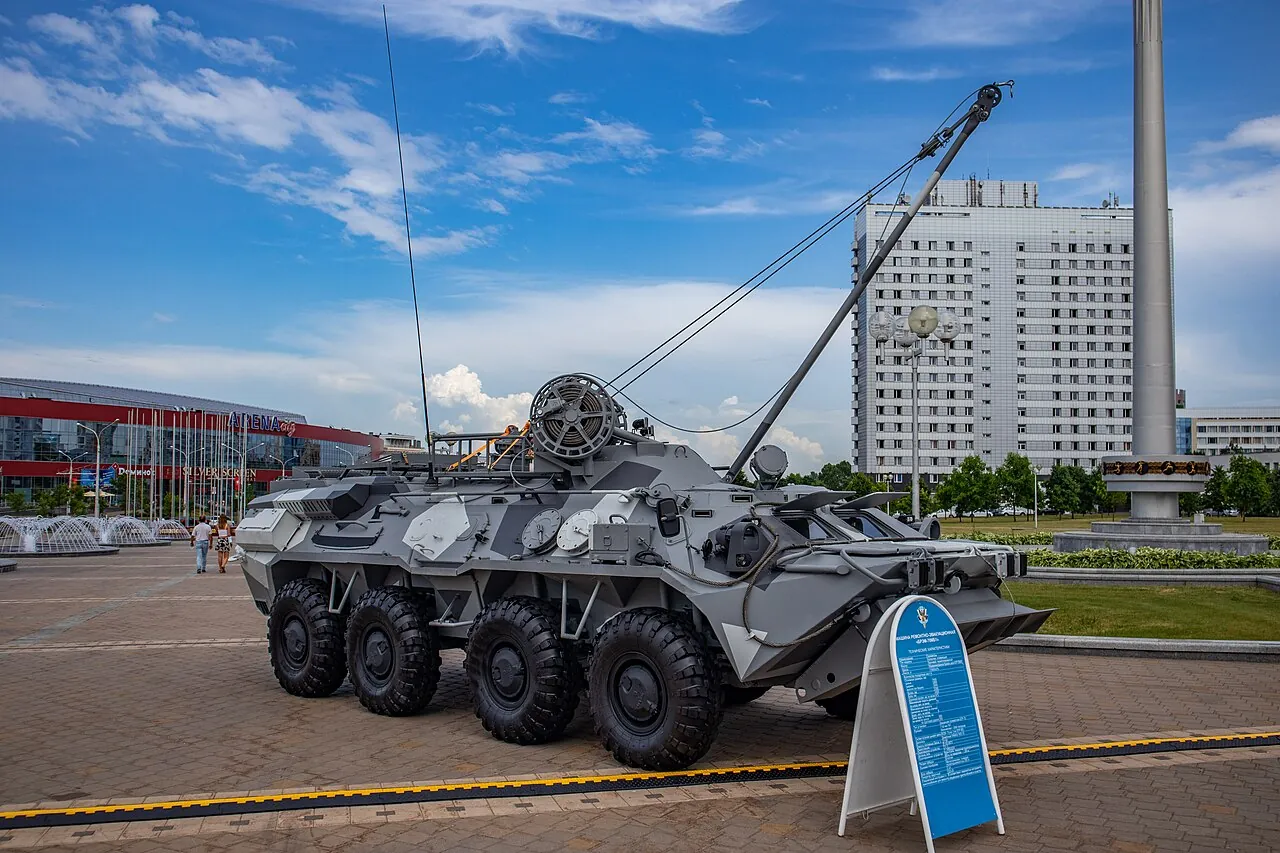
What is inside
Each station holds a fully equipped emergency treatment area plus four additional treatment positions — up to five casualties handled simultaneously. Medical equipment mounts on adjustable rails, the same principle used to secure cabin fittings in aviation, so the internal layout can be reconfigured for the mission at hand.
One detail from the company is telling. Setting containers down evenly on sloping ground proved beyond available commercial lifting solutions, so Rheinmetall developed its own. Level ground is not a given in the field, which makes that a more consequential capability than it first appears.
The system comes in protected and unprotected variants. The protected version carries armour for deployment closer to the line; the unprotected one offers a lighter, faster option in rear areas. Both fit a range of existing Bundeswehr carrier vehicles, which means they integrate into the army’s current logistics chain rather than adding a separate platform to it.
Programme Details
| Contractor | Rheinmetall |
| Customer | BAAINBw — Germany’s Federal Office of Bundeswehr Equipment, Information Technology and In-Service Support |
| Quantity in this order | 149 mobile rescue stations |
| Total fleet | 165 systems |
| Value | This call-off over €500 million; combined programme over €600 million |
| Framework contract | December 2024 — initially 10 protected and 6 unprotected systems, plus options and personnel training |
| Production start | First quarter of 2027 |
| Configuration | Two independent containers, each with dedicated generator and air conditioning |
| Capacity | Fully equipped emergency treatment area plus four additional treatment positions |
| Deployment | Assembled or struck quickly by four soldiers; bespoke lifting system for sloping terrain |
| Variants | Protected and unprotected; compatible with various Bundeswehr carrier vehicles |
Europe’s quiet preparation
This order represents the less visible face of Europe’s rearmament. Public attention gravitates to tanks, fighters and missiles, yet an army’s ability to sustain prolonged combat rests largely on its logistics and medical chain. A unit whose casualty evacuation capacity fails loses combat power quickly, however well armed it is.
Germany planning a fleet of 165 mobile medical systems is a clear signal that planning assumptions have changed. That scale is not calculated for a limited peace support operation; it is sized for a high-intensity, sustained conflict scenario. Read alongside Rheinmetall’s parallel expansion of ammunition, propellant and rocket motor capacity, the picture sharpens further.
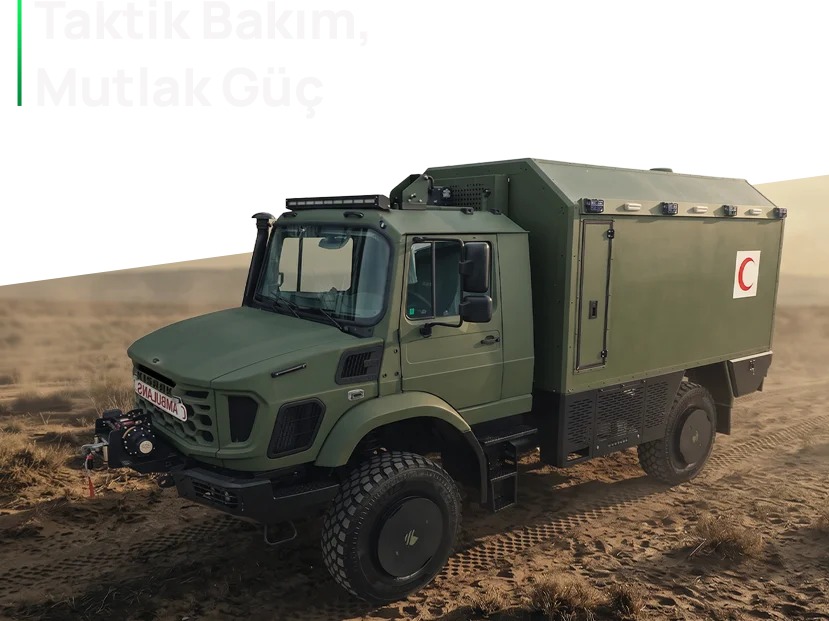
From a Turkish perspective this is familiar territory. Turkish industry has produced armoured ambulances and casualty evacuation vehicles for years — BMC’s Kirpi-based ambulance variant and Koluman’s evacuation configurations among them. Turkey also holds field experience with rapidly deployed mobile hospitals after earthquakes and disasters that few countries can match. The capability Germany’s order describes — a modular medical facility that erects fast, powers itself and relocates — is a natural extension of that base. And the demand signal is unmistakable: as European armies converge on the same requirement at the same time, the supply chain in this segment will need to widen.

Sources
- Defence Industry Europe — “Rheinmetall wins Bundeswehr order worth over €500 million for 149 mobile rescue stations”, 17 August 2026
- Rheinmetall AG corporate statements, July-August 2026
- BAAINBw framework contract announcement, December 2024
- BMC — Kirpi ambulance variant product information
- Koluman — Kısrak casualty evacuation vehicle product information