Cyprus wants Israel’s Merkava — and it just turned down Greece’s Leopard 1A5s


Cyprus is negotiating to buy Israeli Merkava Mk3 or Mk4 main battle tanks to replace the Russian-built T-80Us that still form the backbone of its armoured force. An alternative — 75 to 90 surplus Leopard 1A5s offered by Greece — was inspected in June and rejected as unable to meet requirements “even as an interim solution.” If the talks succeed, Israel will export a complete Merkava for the first time.
At a Glance
- Who: The Cypriot National Guard and Israel’s defence industry.
- What: Talks on acquiring Merkava Mk3 or Mk4 main battle tanks.
- Why now: Sustaining the Russian-origin T-80U fleet has become costly and, after 2022, logistically unworkable.
- Rejected option: 75-90 Leopard 1A5s offered by Greece, inspected in June 2026 and judged inadequate.
- Historic first: Israel has never exported a complete Merkava to a foreign army.
- Open question: Israeli opinion is split between backing the sale and keeping the tanks for reserve formations.
The end of the road for Cyprus’s Russian armour
Cyprus bought its T-80Us in the 1990s, and for two decades they were the heaviest thing on the island’s order of battle. What has changed is not the tank’s paper performance but everything behind it. Spare parts, powerpack overhauls and fire-control upgrades all run back to a Russian supply chain that, for most of Europe, effectively closed after 2022.
That leaves operators in a familiar bind: the vehicles still start, but the industry that keeps them running does not answer the phone. From Central Europe to the Eastern Mediterranean, the same conversation is being had in different capitals — replace now, or watch readiness rates fall year by year.
The armour problem is broader than tanks. Cyprus is also looking to replace 126 EE-9 Cascavel wheeled armoured vehicles. Taken together, this is less a procurement line item than a decision to move the ground forces’ entire supply axis away from Russia — in this case, towards Israel.
That is what turns a maintenance dossier into a political one. Defence and energy contacts between Nicosia and Israel have deepened steadily over the past decade; a tank sale would be the first hard military output of that relationship, and it lands in one of the most closely watched theatres in the Mediterranean.
Why the Leopard 1A5 was never going to work
Greece’s offer looked attractive on paper: 75 to 90 vehicles from a neighbouring operator, shared training, shared logistics, low acquisition cost. Cypriot officers inspected the tanks in June 2026 and concluded they could not satisfy operational requirements even as a stopgap.
The technical verdict is not surprising. The Leopard 1 family carries a 105 mm rifled gun and 1960s armour philosophy. The 1A5 package modernises fire control and night vision, but the hull protection stays where it was. Against top-attack anti-tank missiles, tandem warheads and munitions dropped from small drones, that combination puts crews at risk the moment they move forward.
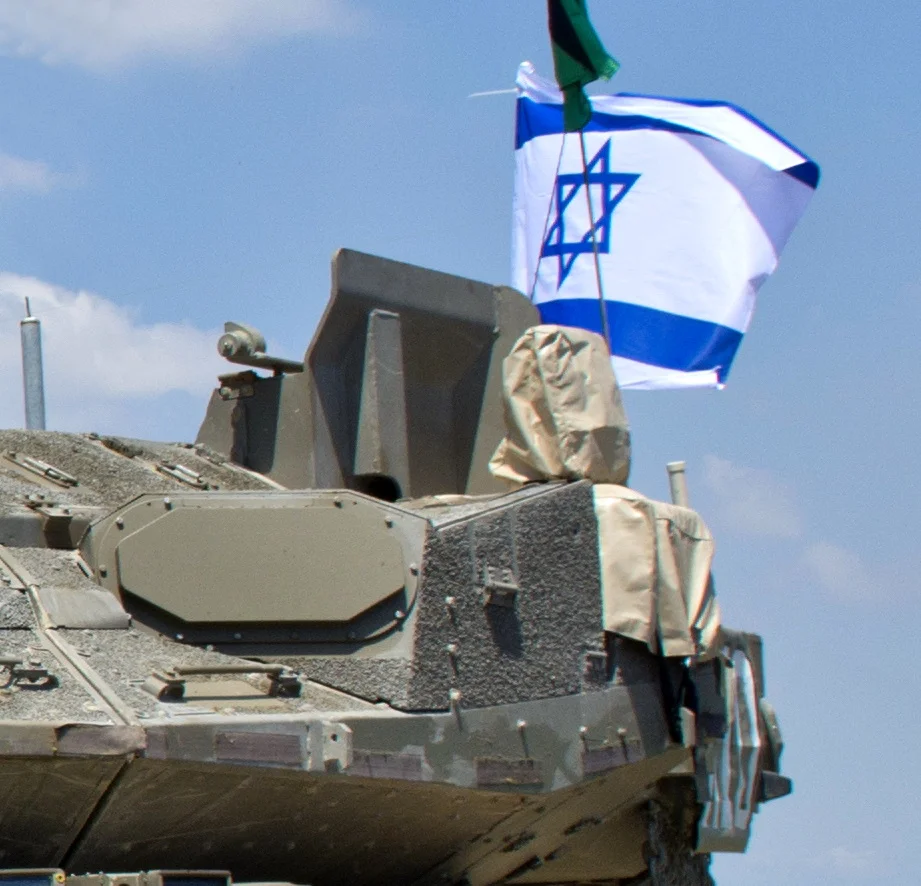
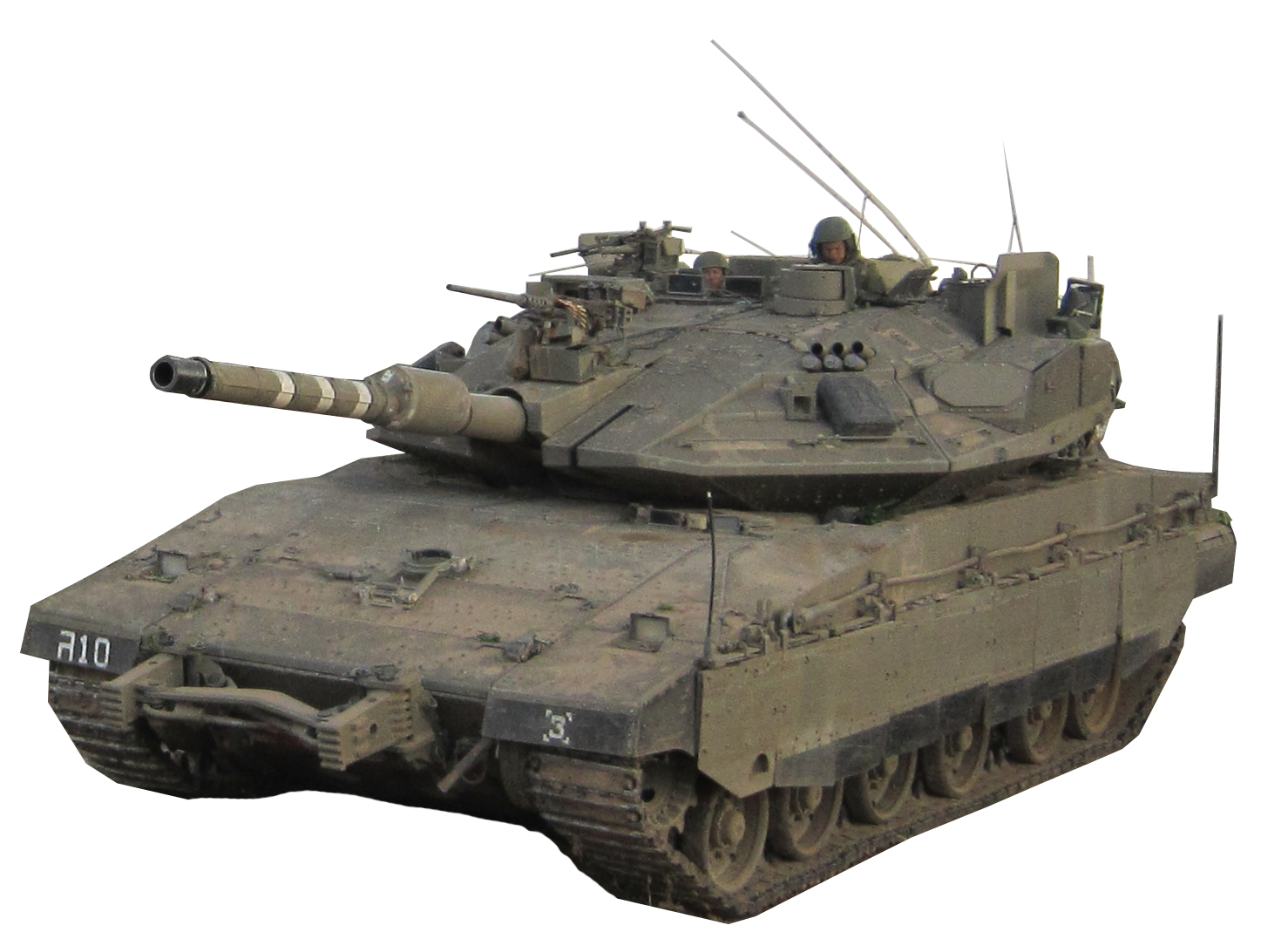
The Merkava was designed from the opposite premise. Israeli armour doctrine, shaped by hard experience, put crew survival ahead of silhouette and speed: the engine sits at the front, a rear compartment allows personnel access and casualty evacuation, and protection is layered and modular. The Mk3 matured that concept around a 120 mm smoothbore gun and roughly 1,200 horsepower. The Mk4 adds digital fire control, an improved armour package and integration with active protection.
Geography helps too. Israeli industry is close enough to make spares, depot support and technical assistance practical. For an island army with no strategic depth, a short logistics tail can matter more than a datasheet advantage.
Merkava Mk3 and Mk4: Key Data
| Class | Main battle tank |
| Manufacturer | Israeli defence industry (Merkava and Armoured Vehicles Directorate) |
| Main gun | 120 mm smoothbore |
| Engine (Mk3) | Approximately 1,200 hp diesel |
| Crew | Four |
| Design signature | Front-mounted engine, rear personnel/evacuation compartment |
| Mk4 additions | Digital fire control, improved protection package, active protection integration |
| Export history | No complete system exported to date |
The argument inside Israel
The real uncertainty is not in Nicosia. Inside Israel, opinion is divided. One camp argues that exports keep the production line warm and the industrial base healthy. The other points out that the Merkava fleet is tied to a mobilisation system: every battalion set released is a reserve formation that has to be re-equipped, and that takes years rather than months.
This is the classic export dilemma — industrial sustainability against your own readiness. Transferring used Mk3s is the formula that strains that balance least. An Mk4 sale would be a far heavier decision, on cost and on politics alike.
However it resolves, the outcome will shape the armoured balance in the Eastern Mediterranean for the next decade. Every heavy platform based on the island registers in regional military planning, which is why the decision will be taken at a political level rather than a commercial one.
A wider replacement wave
The move away from Russian platforms is not a Cypriot phenomenon. From Eastern Europe to the Caucasus, operators are looking for the same thing at the same time, and that has turned into one of the more visible market openings of the decade for countries able to build their own main battle tank.
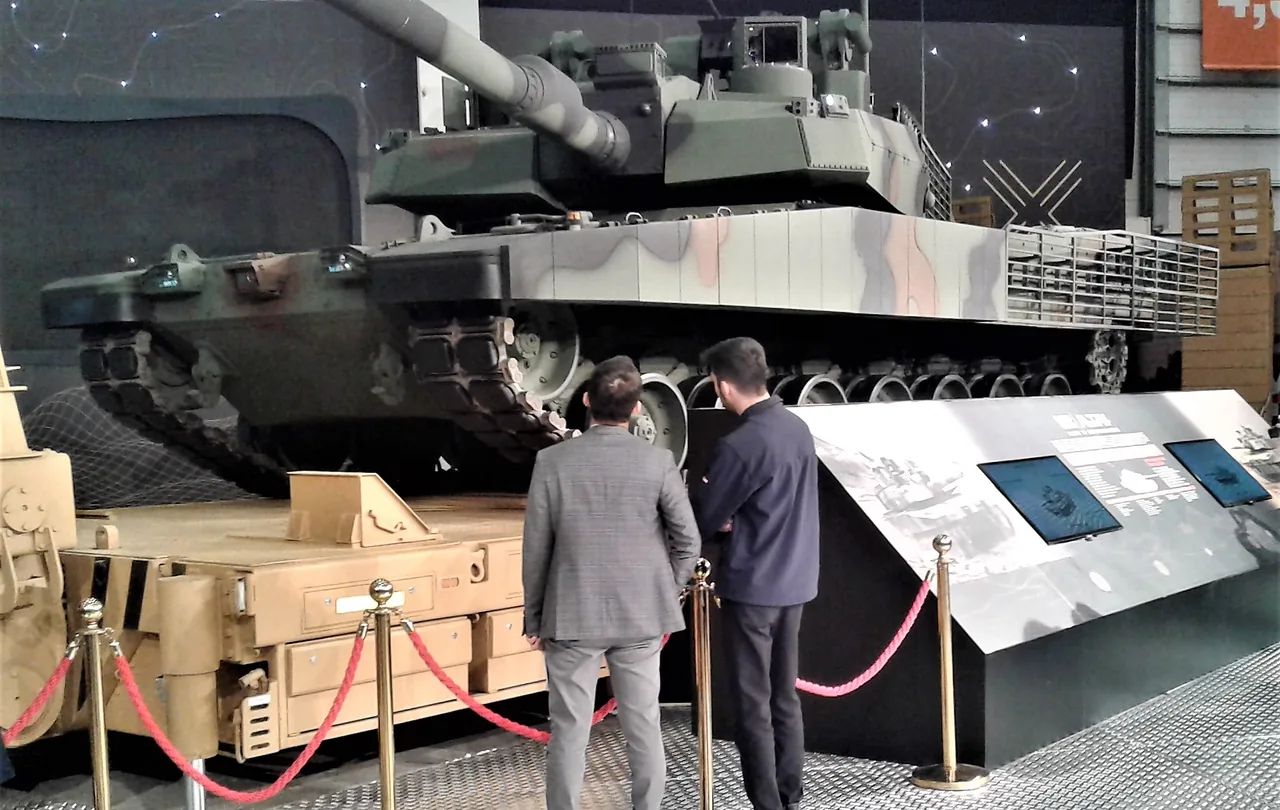
Turkey enters that market with ALTAY, now in serial production, alongside domestic powerpack work and an ASELSAN line covering fire control, electro-optics and active protection. That is the part buyers increasingly weigh: not the vehicle alone, but the industry that will still be supporting it in twenty years.
Sources
- Army Recognition — “Cyprus Could Become First Foreign Operator of Israel’s Merkava Tanks After Rejecting Leopard 1A5s”, 16 August 2026
- Cypriot National Guard inventory data (open sources)
- Israeli defence industry Merkava programme material (publicly released documentation)