South Korea signs main KDDX destroyer contract with Hanwha Ocean

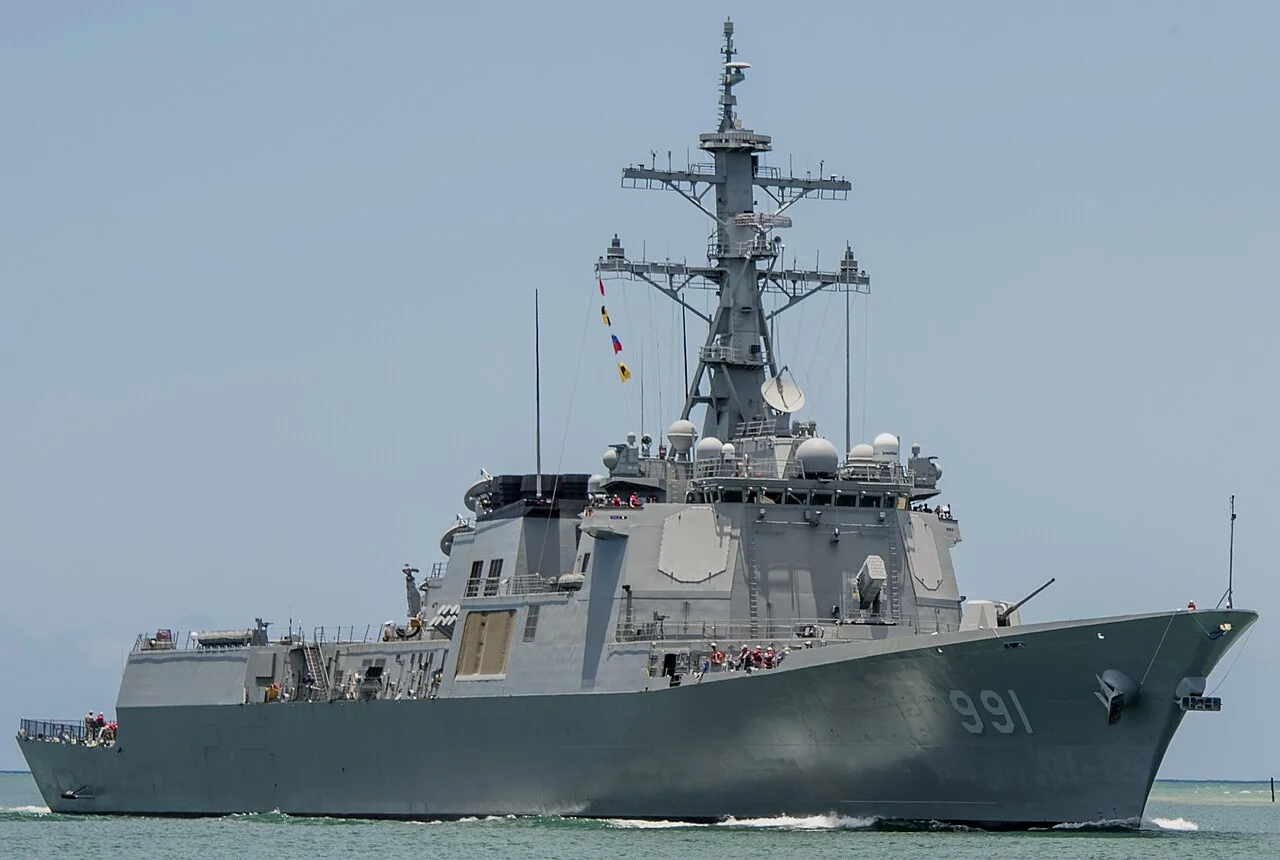
South Korea’s Defense Acquisition Program Administration (DAPA) has signed the main contract for the detailed design and construction of the lead ship of its next-generation KDDX destroyer programme with prime contractor Hanwha Ocean. According to a Naval News report dated 1 August and Korean media coverage, the deal was concluded on 31 July, opening the most critical phase of the programme.
Reports citing DAPA put the value of the lead-ship detailed-design and construction contract at roughly 838 billion won, while the six-ship programme carries a total budget of about 7.8 trillion won (around US$5.7 billion). The contract runs through 30 June 2032 and covers design work and the assessment of operational capabilities.
Scope and timeline
DAPA launched the tender in March and, following site inspections and proposal evaluations, named Hanwha Ocean the preferred bidder on 1 July. Korean outlets report that the company edged out HD Hyundai Heavy Industries in a close competition.
Under the programme schedule, the Republic of Korea Navy plans to commission the lead ship in 2032 and to field all six vessels by 2036. Jung Jae-jun, head of DAPA’s Advanced Capabilities Bureau, described the effort as “a national initiative bringing together top-tier warship construction and defence industry capabilities.”
Why KDDX matters
For Seoul, KDDX is more than a new ship class. It is the country’s first Aegis-type destroyer developed with both the hull and the combat system built on domestic technology. Earlier Sejong the Great-class ships relied on the US-origin Aegis combat system; KDDX aims to indigenise core components, chiefly the combat management system and the radar.
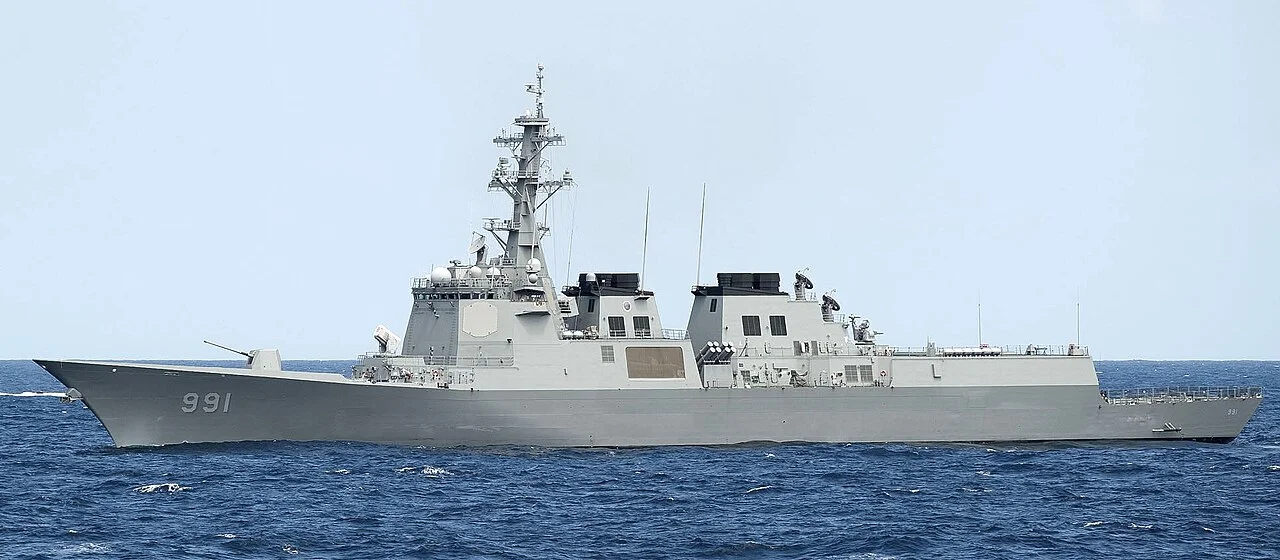
According to technical data in open sources, the KDDX destroyers will displace 6,000-7,000 tonnes. The ships are expected to carry a dual-band S/X phased-array Multi-Function Radar (MFAR) housed in an Integrated Mast (I-MAST), an indigenous combat management system, and KVLS-I and KVLS-II vertical launch cells. An Integrated Electric Propulsion System (IEPS) is intended to reduce the acoustic signature.
Manned-unmanned teaming and automation
Hanwha Ocean says nine indigenous systems will be integrated into the ships. The design incorporates a manned-unmanned integrated combat system, a multi-layered defence architecture and a cyber-defence framework, along with ship-automation technologies meant to reduce crew requirements.
Precise figures such as radar detection range or missile effective range have not been officially released and should be treated with caution. The serial-production phase will take shape once the lead ship completes sea acceptance trials.
Regional and allied context
KDDX points to a technological direction similar to programmes elsewhere that seek to indigenise air-defence destroyers with domestic radars and combat systems, including Turkey’s TF-2000 air-defence destroyer effort. Both aim to build Aegis-like capability through national industry.
The award signals sharper competition in the international market among firms offering ships and systems in this class. Given Hanwha Ocean’s growing activity in markets such as Australia and Poland, an indigenous destroyer capability could also serve as an export reference.
Sources
- Naval News – “South Korea’s KDDX Enters Detailed Design and Lead Ship Construction Phase” – 1 August 2026.
- The Korea Times – “State arms agency, Hanwha Ocean ink final deal for 7.8 tril.-won Navy destroyer project” – 31 July 2026.
- The Korea Herald / Korea JoongAng Daily – 31 July 2026.
Images are representative and reused from Wikimedia Commons under suitable licences (CC BY-SA / public domain); they do not depict KDDX itself.