New Zealand Signs $1.5 Billion Deal for Five MH-60R Seahawks as Its Fleet Shrinks 37.5%

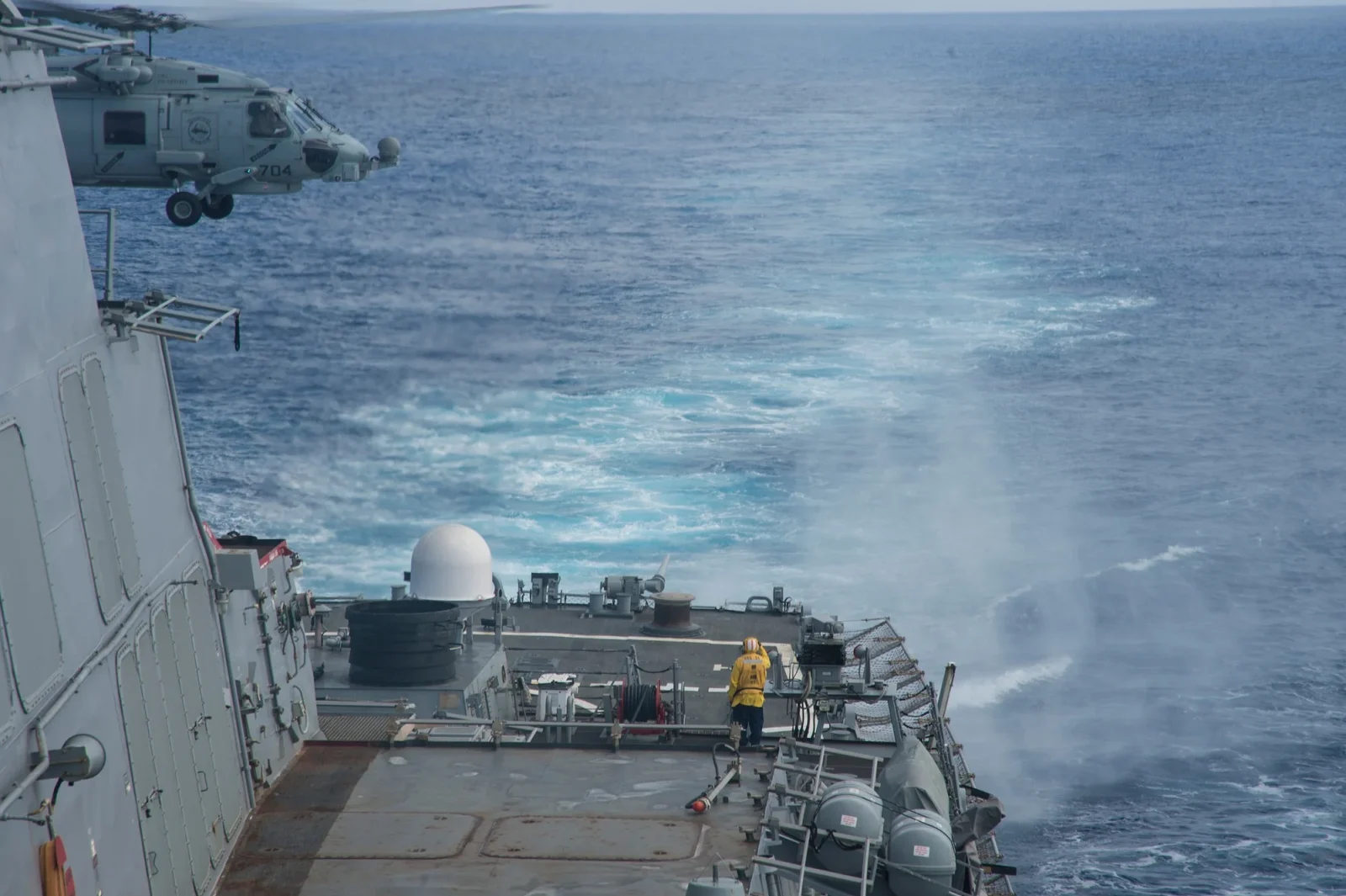
New Zealand signed an agreement with the United States on October 16, 2026 to purchase five Sikorsky MH-60R Seahawk maritime helicopters. The aircraft will replace eight older Kaman SH-2G(I) Super Seasprites in the Royal New Zealand Navy (RNZN) fleet, with deliveries scheduled to begin in 2030.
Timeline and Cost
New Zealand selected the MH-60R on August 21, 2025. Washington approved potential sales worth $1.5 billion for the helicopters and $69 million for torpedoes on June 5, 2026. The deal’s cost breakdown: NZ$1.648 billion (about US$927.1 million) in capital expenditure; roughly NZ$110 million per year (about US$61.9 million) in operating funding over ten years; and a total of NZ$2.748 billion (about US$1.546 billion).
A Smaller Fleet, a Bigger Operational Load
The fleet shrinks by 37.5 percent, from eight aircraft to five. The helicopters will operate from the Anzac-class frigates HMNZS Te Kaha (F77) and HMNZS Te Mana (F111), which currently lack dedicated ship-launched anti-ship missiles. RNZN aircrew will fly the helicopters, while RNZAF No. 6 Squadron will handle maintenance.
Army Recognition’s analysis notes that five aircraft leave little reserve: assigning one helicopter to each frigate uses 40 percent of the fleet. With availability rates typically running 60–80 percent, New Zealand could expect roughly three to four helicopters available on average, though no official availability target has been announced. RNZAF Base Auckland (Whenuapai) will receive temporary facilities and infrastructure-design funding, while permanent infrastructure, training systems, and uncrewed aircraft remain subject to future decisions.
Specifications and Weapons
The MH-60R measures 19.76 meters in length, with a top speed of 333 km/h and a range of 963 km (520 nm), powered by two General Electric T700-GE-401D turboshaft engines. It features folding rotors, a hinged tail, and corrosion protection for shipboard storage. Its anti-submarine suite includes five AN/AQS-22-based dipping sonars, five digital magnetic anomaly detectors, and sonobuoys (DIFAR, DICASS, bathythermograph). The $69 million weapons package includes 20 Mk 54 Mod 0 lightweight torpedoes, roughly four per helicopter.
Surveillance equipment includes five AN/APS-153(V) radars, five AN/AAS-44C(V) electro-optical/infrared systems, five AN/ALQ-210 electronic support systems, and Link 16 terminals (five installed, two spares). Strike weapons comprise 65 AGM-114R Hellfire missiles (about 13 per aircraft), 225 APKWS 70mm guided rockets (about 45 per aircraft), plus M240D machine guns and GAU-21 12.7mm guns. These weapons can engage patrol boats and fast attack craft but cannot match the range or warhead of dedicated heavy anti-ship missiles.
Regional Context
Australia has operated the MH-60R since 2014 and had 23 aircraft as of October 2026, following a 2021 loss in the South China Sea; 13 more aircraft ordered in 2022 are expected to begin arriving in late 2026, bringing its total to 36. Combined with New Zealand’s five, the bilateral MH-60R inventory would reach 41 aircraft, with New Zealand holding about 12.2 percent of that total. Australia also plans to buy 40 UH-60M Black Hawks, which would bring the combined H-60-family total to 81, though the Black Hawks carry different mission equipment.
Sources
Army Recognition, “New Zealand Signs $1.5 Billion Deal With U.S. for Five MH-60R Seahawk Helicopters to Track Submarines,” October 16, 2026, armyrecognition.com — primary source for cost, specifications, and regional context.