The US Army Tells Industry: “Don’t Bring Us Another Battery”

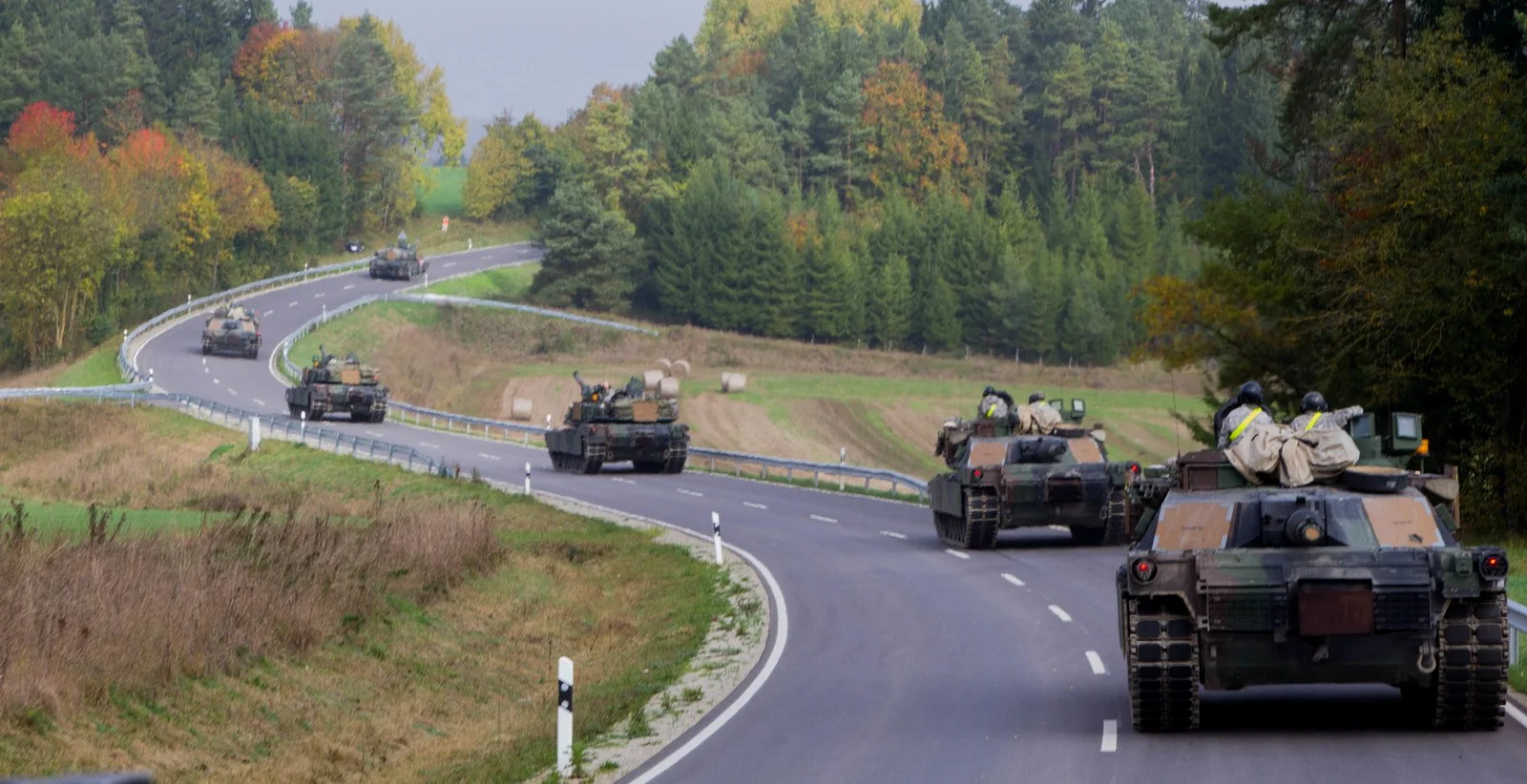
“Every formation we have today is underpowered. Every single one of them, and more power requirements are coming.” That was Brig. Gen. Troy Denomy’s message to industry at the GVSETS conference in Detroit. The US Army is no longer asking for more batteries or more generators — it wants usable electricity generated on the vehicle. At the centre of the problem sit the drones that have to stay in the air.
At a Glance
- What happened: at the GVSETS conference in Detroit on 14 August 2026, the US Army asked industry for new answers to battlefield power.
- Who said it: Brig. Gen. Troy Denomy, Program Acquisition Executive for Maneuver, and Alex Miller, the Army’s Chief Technology Officer.
- The diagnosis: “Every formation we have today is underpowered” — current vehicles cannot export enough electricity to feed drones, communications and command posts.
- What was rejected: more batteries and more generators. Generators are loud and leave visual and thermal signatures.
- The real bottleneck: formations say their number one problem is planning recharge cycles to keep their drones flying.
- What is wanted: novel generation technologies such as fuel cells, and integrated power solutions for both legacy and new vehicles.
“Every formation is underpowered”
Speakers at defence industry conferences usually choose careful language. The keynote at GVSETS in Detroit on 14 August was an exception. Brig. Gen. Troy Denomy, the US Army’s Program Acquisition Executive for Maneuver, put the problem to the assembled industry representatives without qualification: “Every formation we have today is underpowered. Every single one of them, and more power requirements are coming.”
The power in question is not engine horsepower but exportable electricity — what a vehicle can generate and hand out beyond its own systems. That capacity determines how many devices a platform can charge while still running its own electronics. Look at what a modern manoeuvre formation carries and the growth in demand explains itself: reconnaissance drones, electronic warfare systems, satellite and radio terminals, command post equipment and the electronics strapped to each individual soldier.
Denomy’s specific example showed this is no abstract engineering concern. He relayed what formations tell him is their number one problem: how to plan recharge cycles so their unmanned aircraft stay in the air. That sentence is a direct read-out of the past three years of combat experience. A unit’s reconnaissance capability is no longer set by how many drones it holds, but by how quickly it can put charge back into them in the field.
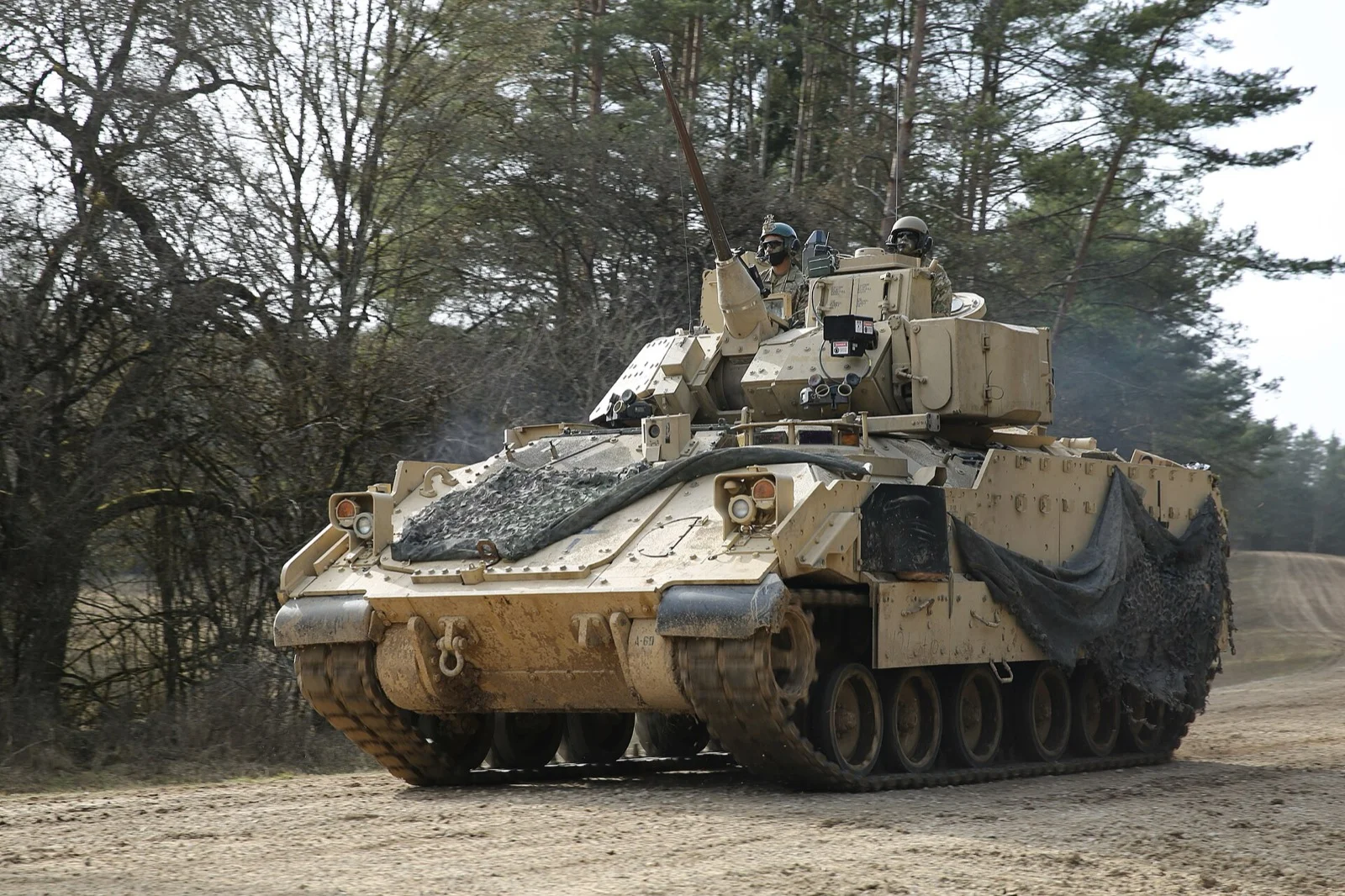
The equation touches the whole inventory. M1A2 Abrams tanks, Bradley fighting vehicles, the XM30 and M1E3 Abrams still in development, and Infantry Squad Vehicles are all versions of the same problem at different scales. Hybrid-electric drive is on the agenda for next-generation platforms, but the bulk of the fleet the Army owns today will still be in service a decade from now.
Two doors closed to industry: batteries and generators
The striking part of the keynote was how plainly the Army said what it does not want. Denomy dismissed the idea of solving the problem by carrying more batteries with a short illustration: “Just give them another battery… you walk with five batteries… tell me how your feet feel.” Soldier load has been contested ground in infantry formations for years; every additional cell is a charge taken out of mobility.
The objection to generators rests on survivability. Alex Miller, the Army’s Chief Technology Officer, kept the reasoning short and technical: “Generators are loud. They create a lot of visual signature. They create a lot of thermal signature.” On a battlefield where a thermal-imaging drone is overhead at night, a running diesel generator is a hot spot advertising itself from a long way off. The same applies acoustically.
That leaves changing how the energy is produced in the first place. Fuel cells came up as the promising option. A fuel cell converts fuel to electricity through a chemical reaction rather than combustion; it has few moving parts, runs quietly and produces a markedly smaller thermal signature than an internal combustion generator. Fuel supply, storage safety and field ruggedness have remained the open questions for military use.
The Army’s second demand is integration. It wants power solutions that can be fitted not only to new vehicles but to platforms already in the inventory — the harder engineering task, since an existing vehicle’s internal volume, weight balance and electrical architecture were never laid out to accept a large power unit later. Given the size of the fleet, that is also where the real return sits.
| Event | GVSETS — Detroit, 14 August 2026 |
| Speakers | Brig. Gen. Troy Denomy (Program Acquisition Executive, Maneuver); Alex Miller (Army Chief Technology Officer) |
| Diagnosis | All current formations are short of exportable power |
| Number one problem | Planning drone recharge cycles |
| Rejected answer 1 | More batteries — increases soldier load |
| Rejected answer 2 | More generators — acoustic, visual and thermal signature |
| Technologies sought | Fuel cells and novel power generation |
| Integration requirement | Applicable to both new and legacy vehicles |
| Platforms affected | M1A2 Abrams, Bradley, XM30, M1E3 Abrams, Infantry Squad Vehicles |
Exportable power: the quiet metric that decides fights
Exportable power rarely features in military vehicle brochures, yet its operational value is climbing fast. Classically, an armoured vehicle’s generator is sized to feed its own systems — radio, fire control, climate control. That calculation never assumed the vehicle would also power a command post or refill the drone batteries of the squad alongside it.
This is part of why hybrid-electric drive has moved up the agenda. A hybrid driveline cuts fuel burn while creating far greater onboard generating capacity, and it adds the option of running systems in silent watch without the engine turning. That hybrid-electric architecture features prominently in both the M1E3 Abrams and XM30 programmes suggests designers have taken the requirement on board from the start.
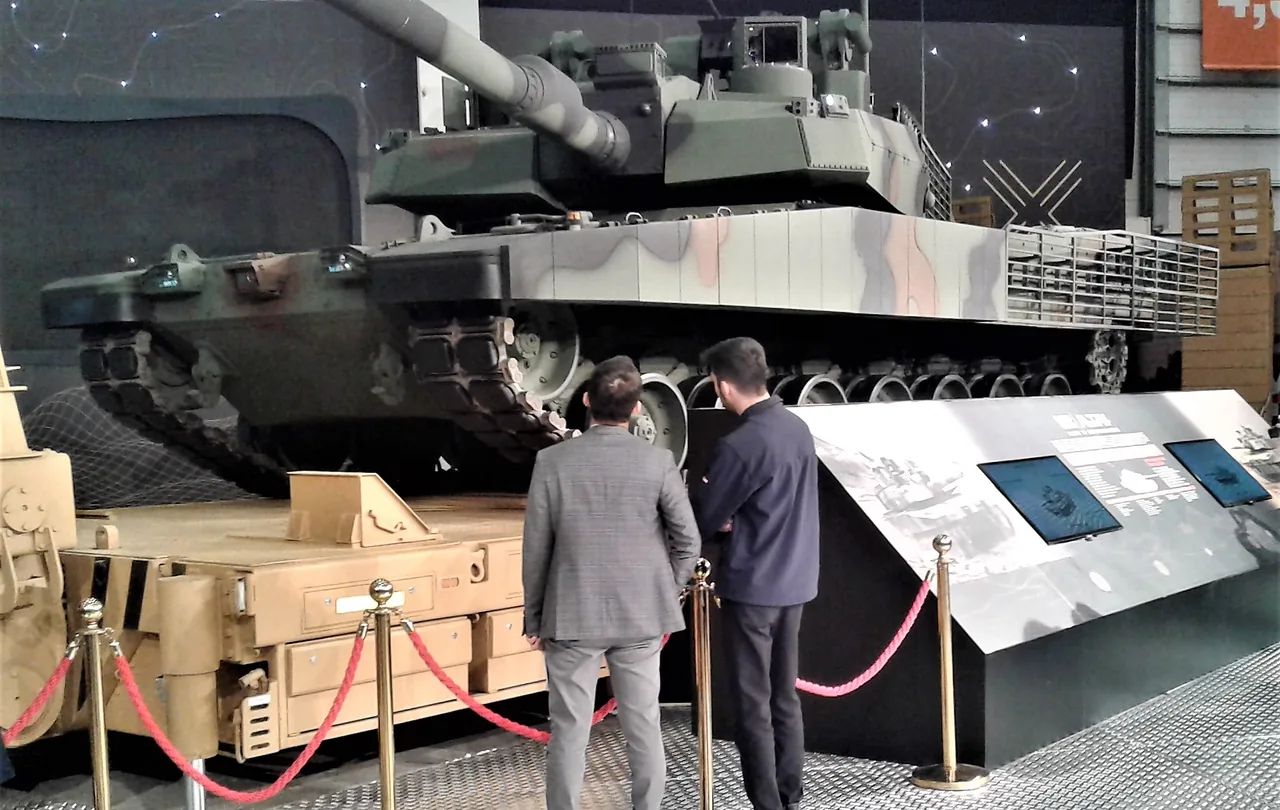
A comparable equation faces any army fielding unmanned systems at scale. As tactical drone inventories expand, charging infrastructure becomes a logistics line item at brigade and battalion level rather than an afterthought. Designing generous electrical margins into new armoured vehicle programmes — a point increasingly raised in export competitions, including for Türkiye’s ALTAY and the FNSS platform family — is becoming a discriminator in its own right. The observation made at GVSETS therefore reaches well past the US Army: the more unmanned systems a force fields, the more its combat power is bounded by electricity.
Sources
- Breaking Defense — “Army tells industry: Soldiers need more power, but don’t just offer batteries”, 14 August 2026
- GVSETS 2026 (Ground Vehicle Systems Engineering and Technology Symposium) presentations
- US Army programme releases