Trump and Xi Agreed Humans Must Stay in Control of Military AI Decisions, Bessent Says After Shenzhen Talks

US President Donald Trump and Chinese President Xi Jinping agreed during their meeting in Shenzhen that humans should always be involved in military decisions that rely on artificial intelligence, US Treasury Secretary Scott Bessent said on November 20. Speaking to CNBC after the talks on the sidelines of the APEC summit, Bessent said the two leaders concluded that AI “should not be allowed to be autonomous for major military actions.” No joint written statement containing that language has been published.
What each side has said
Bessent framed the understanding as a guardrail against what he called super-intelligent systems acting on their own in warfare. China’s official readout of the meeting, as reported by Reuters, quotes Xi as saying the two sides should ensure that artificial intelligence remains under human control. The wording is close to Bessent’s account but not identical, and neither government has released a document defining which systems are covered, what “human control” means in practice or how compliance would be checked.
The same week, Trump told APEC leaders that the United States opposes any form of “globalist regulation” of AI, according to Eurasia Review. That position is consistent with Washington’s broader approach: support for national guardrails on military use, resistance to binding international rules on commercial AI.
How this builds on earlier steps
The Shenzhen remarks follow a September summit in Washington where the two governments agreed to set up a channel for handling AI-related incidents and to speed up work on military crisis communications. Analysts at the time said that summit produced no major breakthroughs but created working groups that could stop disputes from escalating.
The idea is older still. In November 2024 in Lima, then-President Joe Biden and Xi affirmed the need to maintain human control over the decision to use nuclear weapons, a principle SIPRI described as a political statement rather than a treaty commitment. The 2026 understanding, as described by Bessent, appears broader in scope because it covers “major military actions” rather than nuclear use alone, but narrower in form because it exists only in verbal accounts.
Why the wording matters
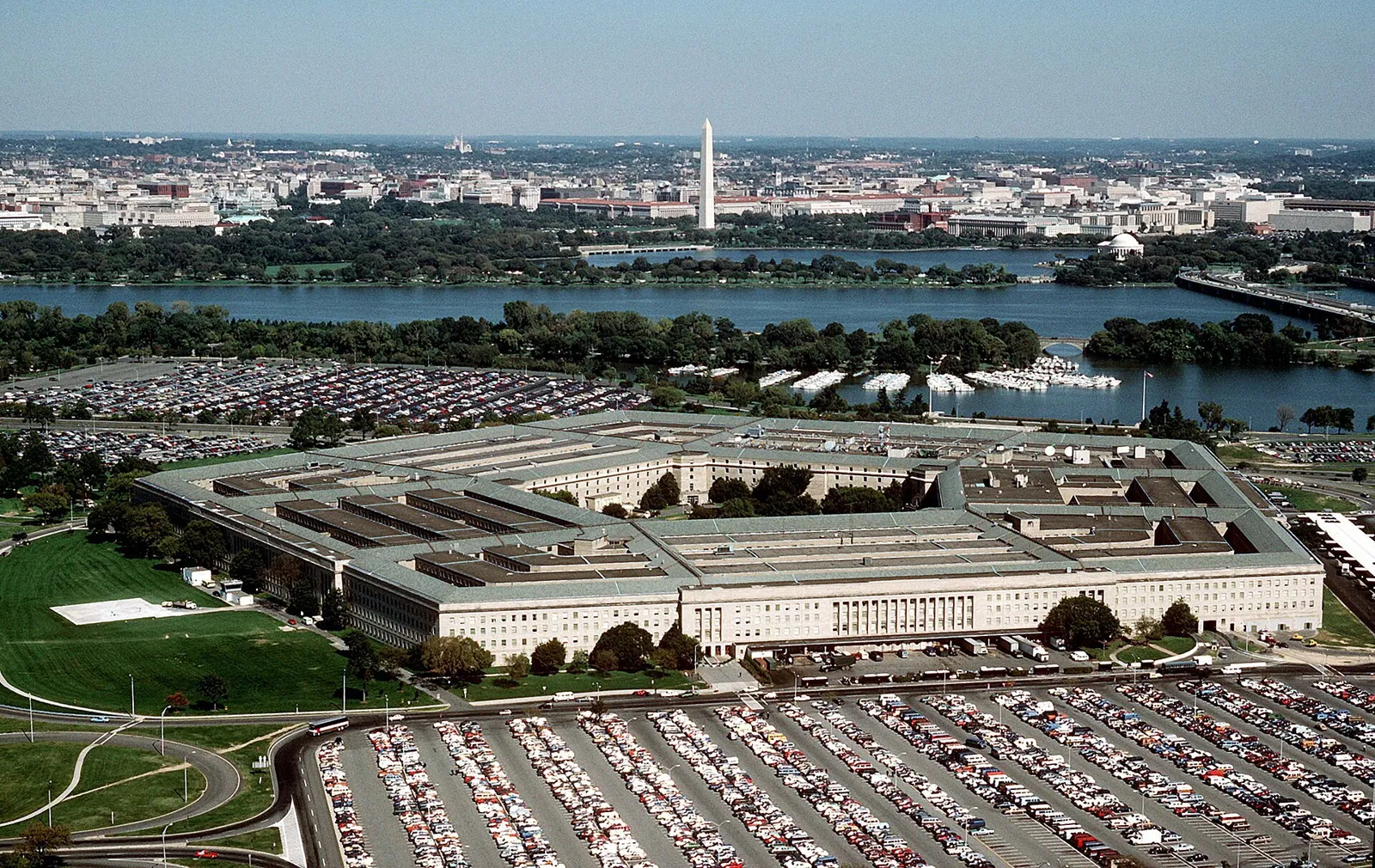
Defence planners on both sides are already fielding AI in targeting support, intelligence analysis, logistics and air and missile defence, where reaction times can be measured in seconds. A commitment to keep humans “involved” can mean anything from a commander approving each strike to an operator supervising an automated system that fires on its own within set rules. The US Department of Defense’s own policy, Directive 3000.09, requires “appropriate levels of human judgment” over the use of force, a standard that deliberately leaves room for autonomous defensive modes.
Analysis: a confidence-building gesture, not arms control
For allies in the Indo-Pacific and NATO, the significance lies in the channel rather than the text. Japan, South Korea, Australia and European governments have pressed Washington to keep military AI on the agenda with Beijing because accidents involving autonomous drones or AI-enabled sensors near Taiwan or in the South China Sea could escalate quickly. A shared principle, even an informal one, gives diplomats something to build on in the AI-specific dialogue the two sides have scheduled.
It does not change force planning. The US military is accelerating programmes such as Collaborative Combat Aircraft and autonomous maritime drones, and the People’s Liberation Army is pursuing what it calls “intelligentised” warfare. Without definitions, verification or a written text, the Shenzhen understanding is best read as a statement of intent. The test will be whether negotiators can turn it into language both militaries are prepared to sign.
FAQ
Is there a signed US-China agreement on military AI?
No. The understanding has been described by US and Chinese officials but not published as a joint document.
Does it cover nuclear weapons?
Human control over nuclear use was affirmed separately by Biden and Xi in 2024. Bessent’s description refers to major military actions in general.