Rheinmetall Cuts 2030 Sales Target to €33-37 Billion After Berlin Drops the F126 Frigate Programme

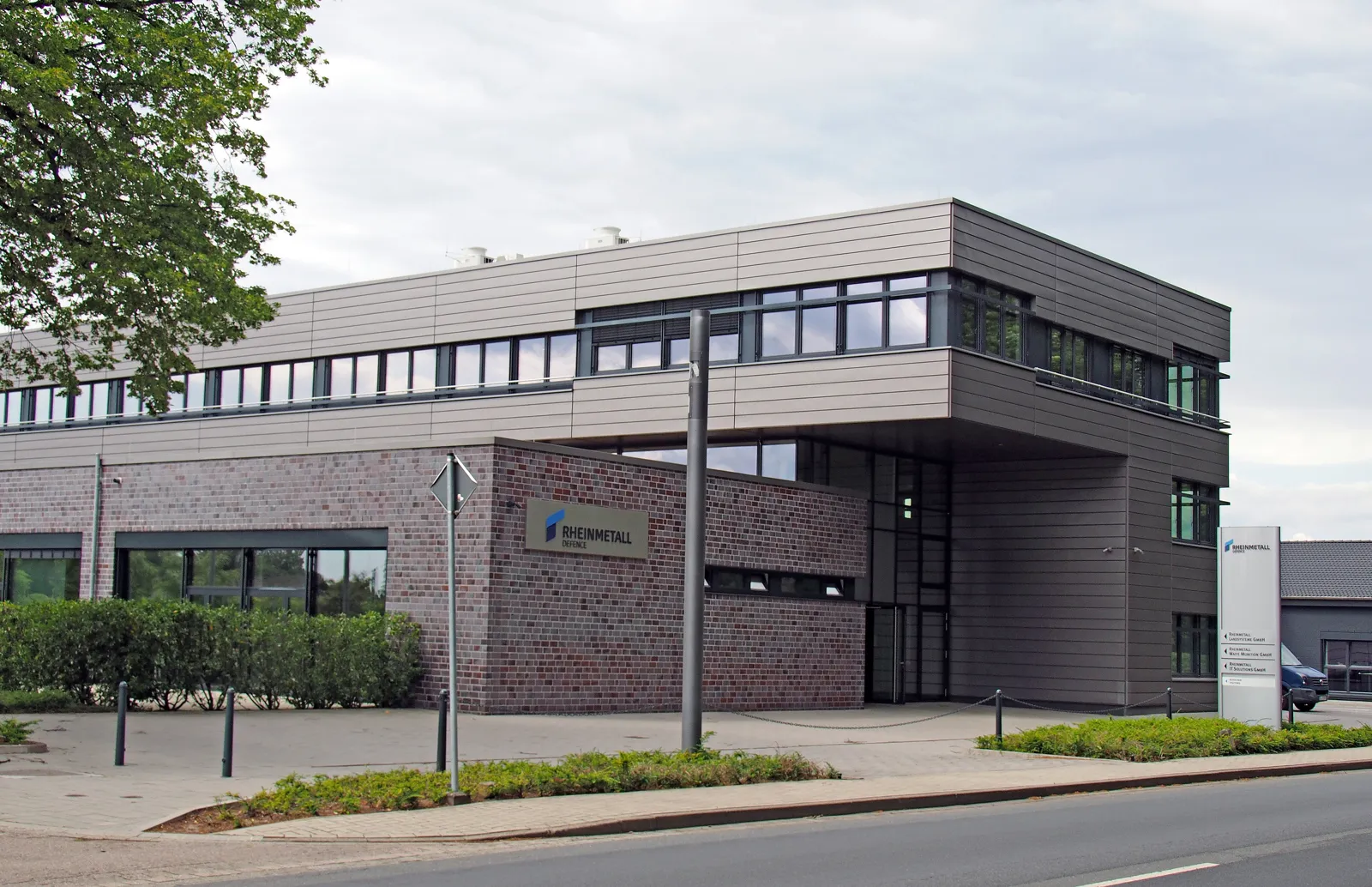
Rheinmetall, Germany’s largest defence company, has cut its 2030 sales target from about €45 billion to between €33 billion and €37 billion, citing the German government’s cancellation of the F126 frigate programme and delays to a major armoured vehicle order. The new outlook was presented at the group’s Capital Markets Day in Hamburg on 27 November 2026. Shares rose about 4 percent in morning trading, as investors had already priced in much of the bad news after a 49 percent fall this year.
What changed in the forecast
Rheinmetall now expects organic sales of €33-37 billion in 2030, with an operating margin of around 20 percent. Targets for both the vehicle systems division and the weapons and ammunition division were lowered. The naval systems forecast no longer includes the F126 frigates, and the company has not added revenue from any replacement project. Chief executive Armin Papperger said a €2 billion reduction in the vehicle target was a buffer against project delays and supply chain disruption, not a sign of weaker demand.
| Metric | Previous | New / latest |
|---|---|---|
| 2030 sales target | ~€45 billion | €33-37 billion |
| 2030 operating margin | – | ~20% |
| 2026 sales guidance | – | ~€13.2 billion, margin ~18.5% |
| Order backlog (end Sept) | €56.7 billion a year earlier | €78 billion |
| Q3 2026 sales | – | €3.15 billion (+32%) |
The F126 decision
The F126 contract would have been Rheinmetall’s largest order since the Second World War, following its acquisition of naval shipbuilder NVL. Papperger said he understood investors’ disappointment but called the cancellation a political decision taken by the government and the defence minister. Other setbacks cited include delays in artillery ammunition acceptance tests, the after-effects of a January explosion at the company’s plant in Murcia, Spain, and the Arminius project for Boxer armoured vehicles, which is now expected to be commissioned in 2027. Papperger said that contract could be signed immediately if Rheinmetall cut its price, but that the company is pursuing both the order and profitability.
Good news on the same day
The reset came alongside a fresh order from Romania: a €738 million call-off for 66 more Lynx infantry fighting vehicles, bringing Bucharest’s total to 298. Rheinmetall also kept its 2026 guidance of about €13.2 billion in sales. Nine-month sales rose 38 percent to €8.38 billion, and operating profit was up 68 percent.
Analysis: from hypergrowth to delivery
Rheinmetall’s share price averaged triple-digit annual gains between 2022 and 2025 on expectations of a long European rearmament boom. The new targets show that demand alone does not guarantee revenue: contracts depend on government negotiations, ammunition must pass acceptance tests and large naval programmes can be cancelled. Papperger rejected the idea that drones will make traditional equipment obsolete, arguing that armies still need to replace ageing fleets. With a record €78 billion backlog, the group’s challenge is less about winning orders than turning them into deliveries on time.
Why did Germany cancel the F126?
Rheinmetall described it as a political decision by the government; the company has removed the programme from its naval forecast.
Did Rheinmetall change its 2026 guidance?
No. It kept its forecast of about €13.2 billion in sales and an 18.5 percent margin, after an earlier cut in November.