US Army Expands ISV Fleet Target from 649 to 11,582 Vehicles

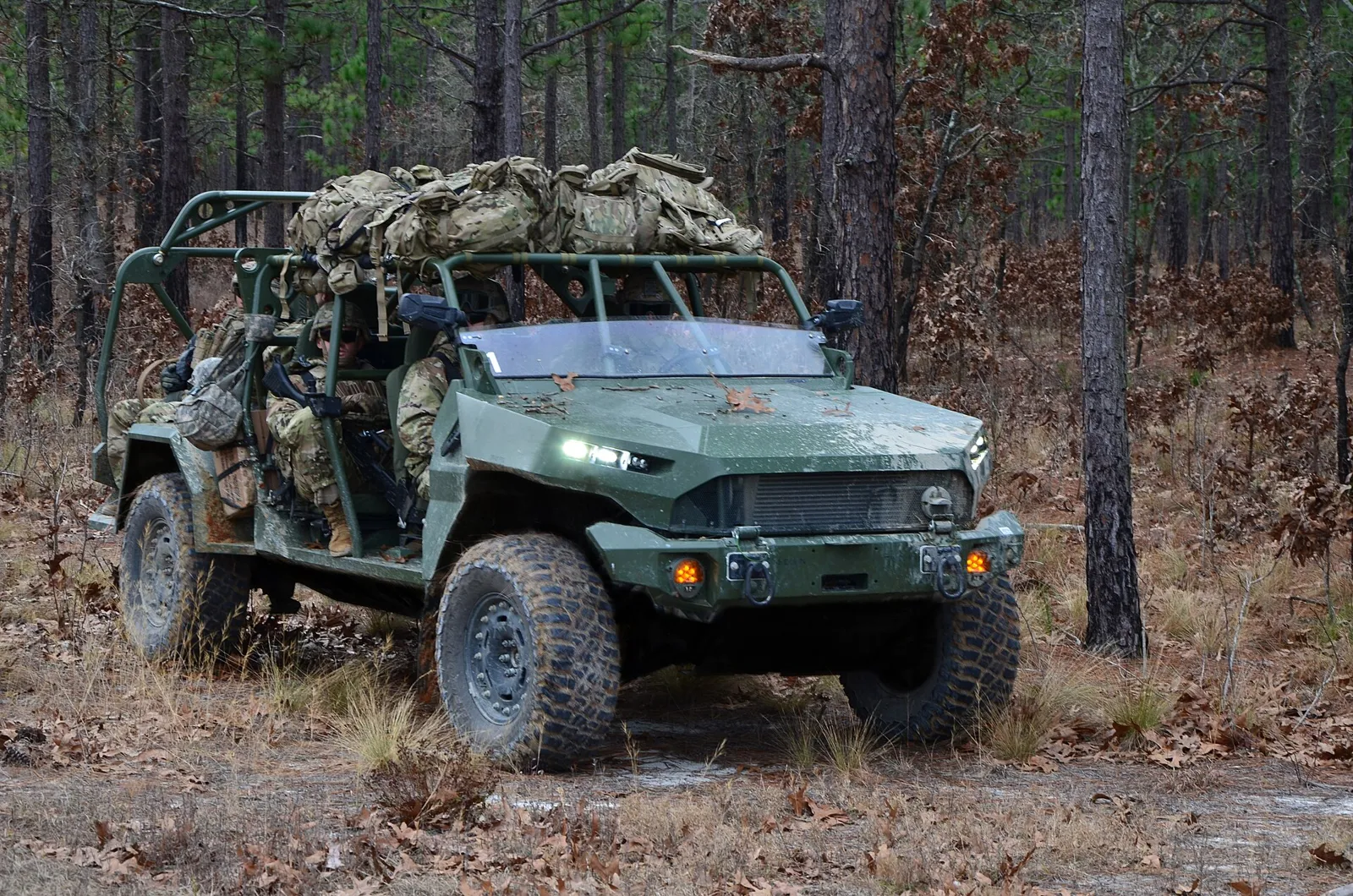
The US Army has raised its procurement target for the Infantry Squad Vehicle from 649 to 11,582 units, an 18-fold expansion driven by troop demand.
The US Army has raised its procurement target for the Infantry Squad Vehicle (ISV) from an original 649 units to 11,582 — an 18-fold expansion of the planned fleet. The development was reported by outlets including Defence Blog and The Defense Post in August 2026.
Army officials attribute the growth not to a conventional shift in requirements, but to soldiers repeatedly validating the vehicle through operational trials and requesting more units as familiarity with the platform grew. In other words, demand appears to have expanded organically as units gained confidence in the ISV through hands-on use.
About the Vehicle and Program
The ISV is an ultra-light tactical vehicle designed to carry nine soldiers along with their equipment. GM Defense’s Chevrolet Colorado ZR2 mid-size pickup was selected as the base platform. Roughly 90 percent of the vehicle’s components are commercial off-the-shelf (COTS) parts, modified to meet military requirements for suspension, structure, and load-carrying capacity.
The program was launched in 2019 to fill a capability gap between two existing vehicle classes in the Army’s inventory: the Joint Light Tactical Vehicle (JLTV) and the Humvee, both of which were considered too heavy for certain combat missions. The Army needed a lighter platform that could be air-dropped and give infantry units greater tactical mobility.
Operational and Strategic Significance
Expanding the ISV fleet at this scale aligns with the Army’s priority of boosting tactical mobility for infantry brigades, particularly airborne units operating in scenarios where heavier armored vehicles are impractical or unavailable. The vehicle’s reliance on commercial components helps keep costs manageable while allowing production to scale quickly.
Looking ahead, the Army is developing a “heavy ISV” variant with enhanced power generation to support next-generation command-and-control equipment in the field — addressing the growing energy demands of digital battlefield systems and communications infrastructure.
An April 2026 Congressional Research Service (CRS) report published via Congress.gov also flagged the expansion of the program’s scope, signaling a substantial modernization of the Army’s light tactical vehicle fleet in the coming years.
Sources
- Defence Blog, August 2026
- The Defense Post, August 21, 2026
- Military Times
- Congress.gov, Congressional Research Service report, April 2026