IDF Destroys Dozens of Hezbollah Radwan Force Rockets in Lebanon as Israel and US Run Black Sands Counter-Drone Trials

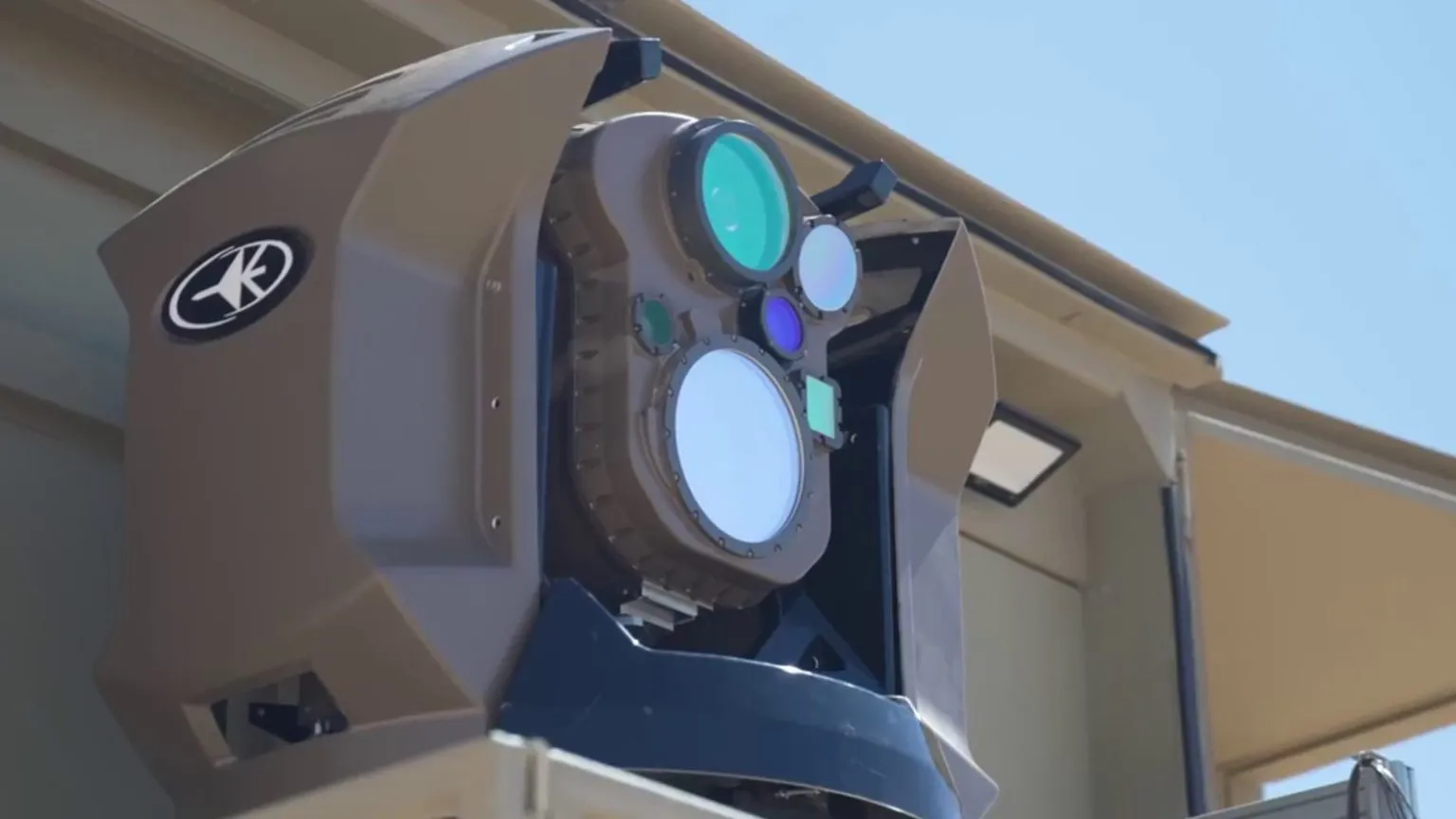
The Israel Defense Forces said on 26 November 2026 that its aircraft struck dozens of rockets and rocket launchers at a training camp of Hezbollah’s elite Radwan Force in the Ain al-Tineh area of Lebanon’s West Bekaa. On the same day, Israel’s Ministry of Defence revealed that it had hosted Black Sands, its first joint counter-drone trial campaign with US defence organisations on Israeli soil, evaluating about 20 systems against a range of drone threats.
The strike on the Radwan camp
According to the IDF, the weapons at the site were intended for attacks on Israeli civilians and troops, and the strikes were carried out to remove that threat. The military said it would continue to act against threats while remaining committed to the ceasefire with Lebanon. It did not say whether any Hezbollah members were killed or wounded. Lebanese outlet Naharnet described the target as a Radwan Force training camp in West Bekaa. The operation followed an Israeli strike the previous week on a former Hezbollah missile production and storage site in the Janta area of the Bekaa Valley, after intelligence indicated the group had returned to it.
Black Sands: Israel and the US test counter-drone systems
The Black Sands campaign was jointly led by Israel’s Directorate of Defense Research and Development (DDR&D) and several US organisations: the Capabilities Development and Innovation office, Special Operations Command Central, US Central Command, the Office of Naval Research and Joint Interagency Task Force 401. The IDF Ground Forces, the Israeli Air Force and Israeli and American companies also took part. The trials put around 20 systems against threats ranging from large fixed-wing drones to small quadcopters, with Israeli and US end users working side by side.
The ministry did not name the systems, but footage released with the announcement appeared to show the Iron Beam laser in action, according to Israeli business outlet CTech. Israel presented the campaign as part of its effort to keep a qualitative edge and deepen defence cooperation with Washington.
| Item | Detail |
|---|---|
| Strike location | Ain al-Tineh, West Bekaa, Lebanon |
| Target | Radwan Force rockets and launchers |
| Black Sands systems tested | About 20 counter-UAS systems |
| US participants | CENTCOM, SOCCENT, ONR, JIATF 401, CD&I office |
Why drones are the priority
Calibre Defence, citing the Jerusalem Post, notes that the IDF suffered more casualties from Hezbollah drones than from Iranian ballistic missiles in recent fighting. Israel’s layered missile defences were built for rockets and ballistic threats, while cheap first-person-view drones exposed gaps. US forces have faced similar problems: small drones have damaged radars and aircraft at bases in the Middle East since the start of Operation Epic Fury.
Analysis: two sides of the same problem
The two announcements fit together. Strikes on stored rockets and launchers aim to reduce Hezbollah’s capacity before it can be used, while Black Sands tests the systems needed to stop what still gets through. For the US, holding the trials in Israel gives access to a force with recent combat experience against drones. For NATO armies watching from Europe, the results will feed into a common question: which mix of lasers, guns, interceptors and electronic warfare can protect troops at an affordable cost per kill.
What is the Radwan Force?
It is Hezbollah’s elite unit, trained for raids and ground operations near the Israeli border.
Is Black Sands a regular exercise?
Israel describes it as the first joint counter-drone trial campaign with US organisations held in Israel; Janes reported it as the second Black Sands event overall.
Sources
- The Jerusalem Post – IDF strikes dozens of Hezbollah rockets, launchers at Radwan Force training camp
- Calibre Defence – Black Sands: Israel and US trial counter-drone systems
- Defence Industry Europe – U.S. and Israel evaluate about 20 counter-drone systems in joint Black Sands trials
- Unmanned Airspace – Israel and US conduct joint C-UAS evaluation campaign