Turkey’s Defense Industry: The Landmark Projects of the Last 25 Years (2001–2026)

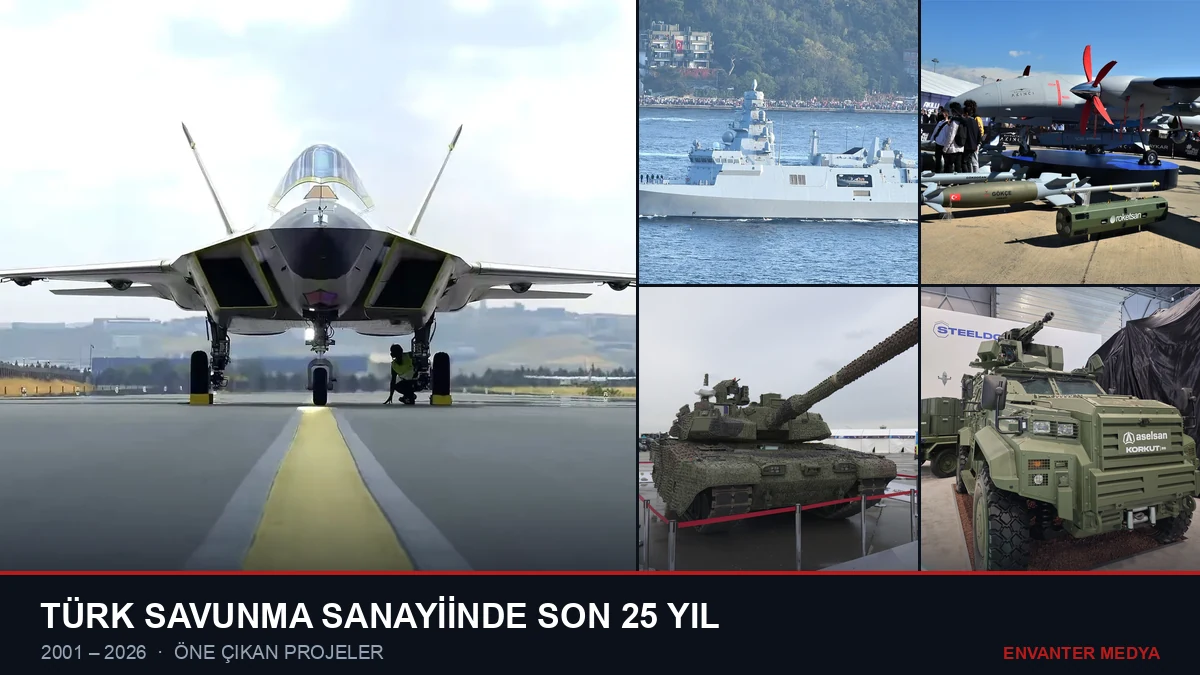
A quarter of a century ago, Turkey bought most of its weapons abroad — and with them, it bought conditions. Export licenses, software black boxes and end-use restrictions shaped what the Turkish military could and could not do. Twenty-five years later, the same country flies a fifth-generation fighter prototype, builds its own frigates in three shipyards simultaneously, series-produces long-range air defense missiles and has signed its largest-ever export deal: 48 KAAN fighters for Indonesia.
This dossier tells that transformation through 18 programs. Every date and figure below was verified against official sources — Turkey’s Defence Industry Agency (SSB), the manufacturers (TUSAŞ, Baykar, ASELSAN, ROKETSAN, TEI, STM) and the Turkish Presidency. Where no official schedule exists, we say so instead of guessing.
1. Bayraktar TB2
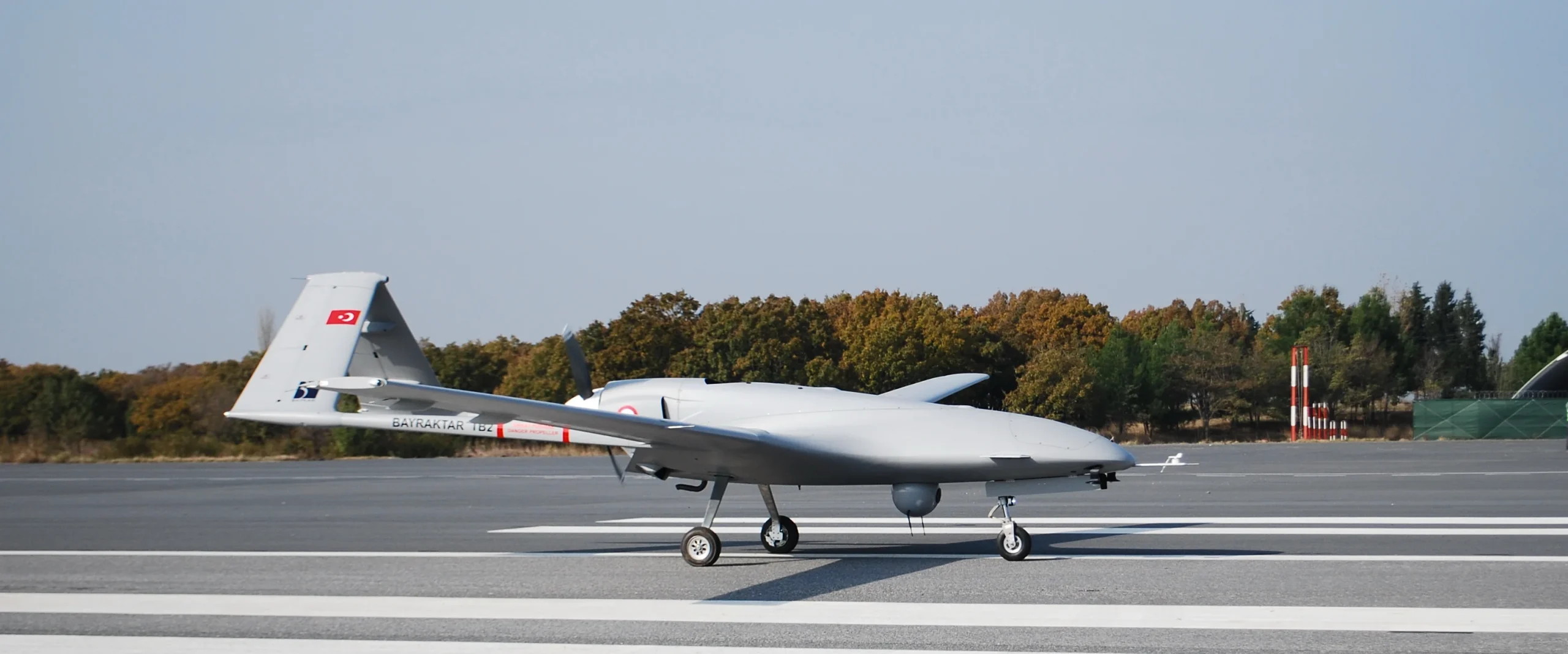
The drone that made Turkish defense a global talking point. Fully-loaded flight tests were completed in 2014, the year it entered the Turkish Armed Forces inventory; it was armed in 2015. Baykar puts its fleet past 1.25 million flight hours — proven over Syria, Libya, Karabakh and Ukraine.
Its real legacy is the ecosystem it forced into existence: indigenous smart micro-munitions, electro-optics and datalinks that later carried AKINCI, AKSUNGUR and TB3. Its limits are equally instructive — TB2 thrives where enemy air defense is weak or suppressed, not against a modern integrated network.
| Entered inventory | 2014 |
|---|---|
| Armed | 2015 |
| Fleet flight hours | 1.250.000+ (Baykar) |
| Status (2026) | In serial production, exported |
| Prime contractor | Baykar |
2. Bayraktar AKINCI
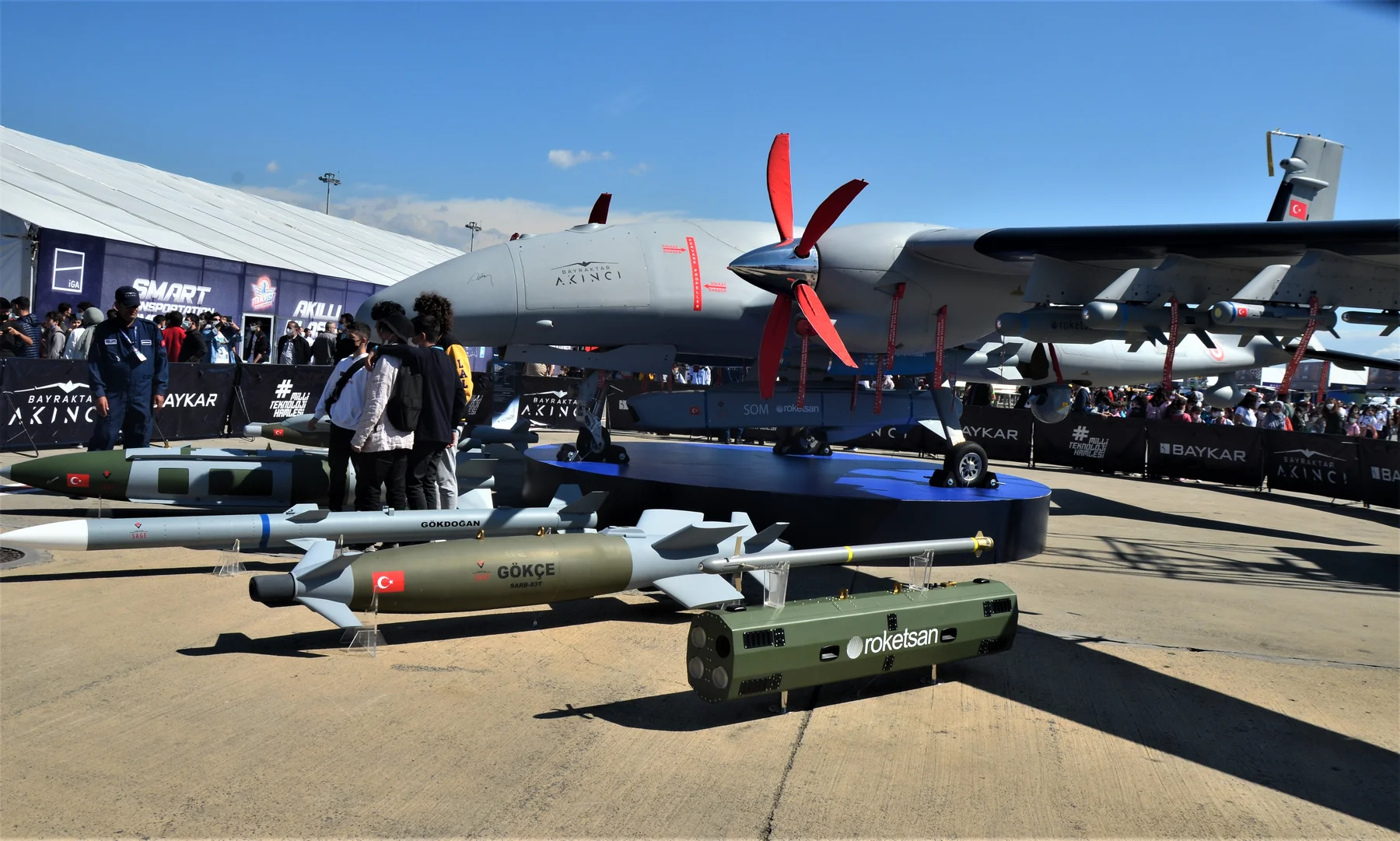
AKINCI moved Turkish drones from tactical support into missions once reserved for manned combat aircraft: satellite-controlled, heavily armed, long-endurance. First flight came on 6 December 2019, first delivery to the armed forces on 29 August 2021.
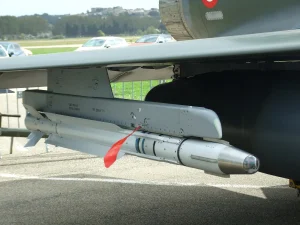
Integrated with SOM-A cruise missiles and Gökdoğan air-to-air missiles, it also served as the flying testbed for Turkey’s missile programs, and has been exported to allied countries including Azerbaijan.
| First flight | 06.12.2019 |
|---|---|
| First delivery | 29.08.2021 |
| Fleet flight hours | 100.000+ (Baykar) |
| Status (2026) | In serial production, exported |
| Prime contractor | Baykar |
3. Bayraktar KIZILELMA
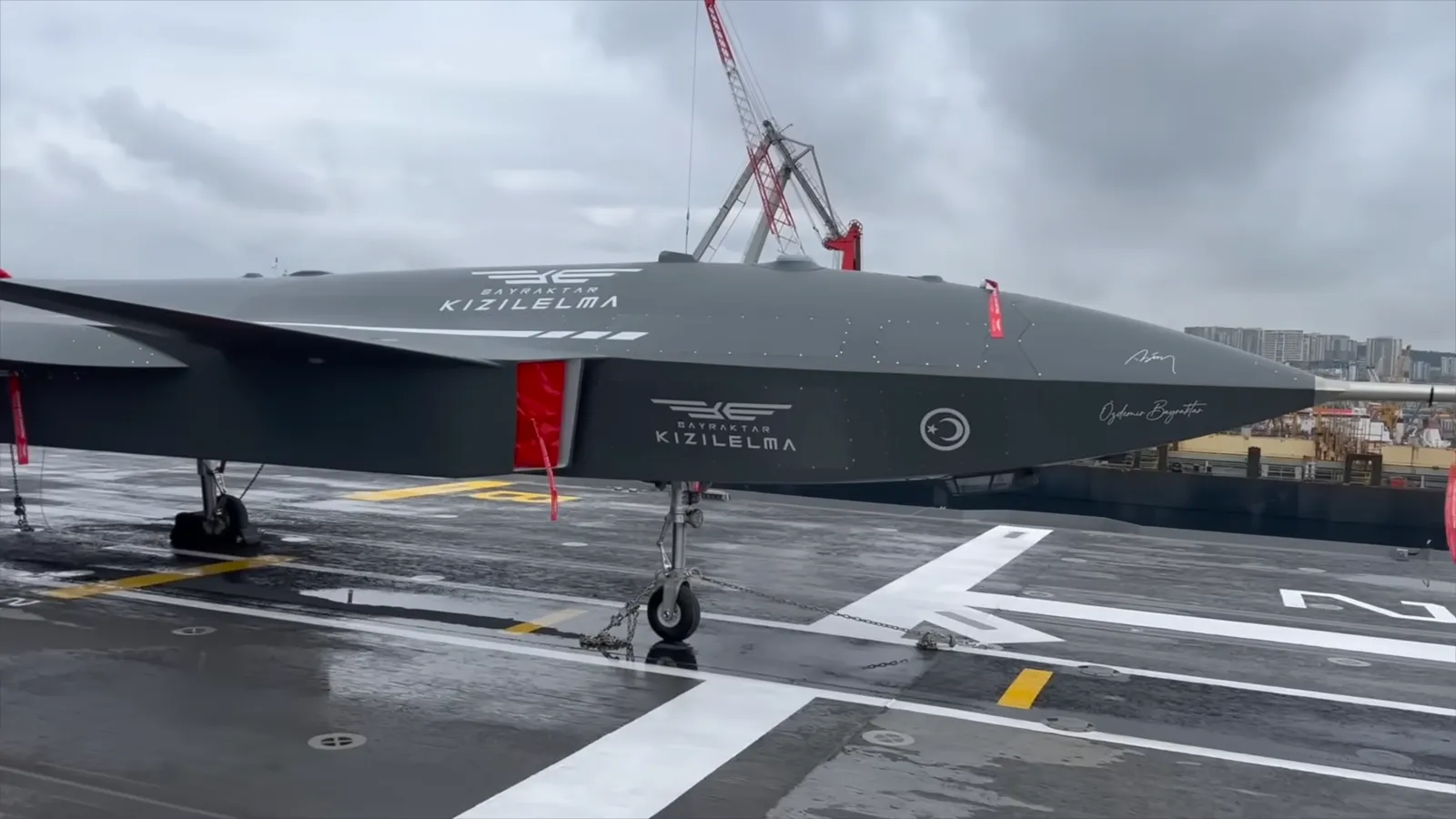
A jet-powered, low-observable unmanned combat aircraft that flew on 14 December 2022 — roughly a year after the program began. It has since released munitions from an internal bay and flown with the Gökdoğan beyond-visual-range missile.
Baykar says KIZILELMA has downed an aerial target it detected with its own radar — closing the full air-combat loop without a pilot. The program is still maturing: no inventory date has been officially announced, which is why it should be read as a preview of the next decade rather than today’s order of battle.
| First flight | 14.12.2022 |
|---|---|
| Program start | 2021 |
| Status (2026) | Flight testing / maturation |
| Prime contractor | Baykar |
4. ANKA & AKSUNGUR
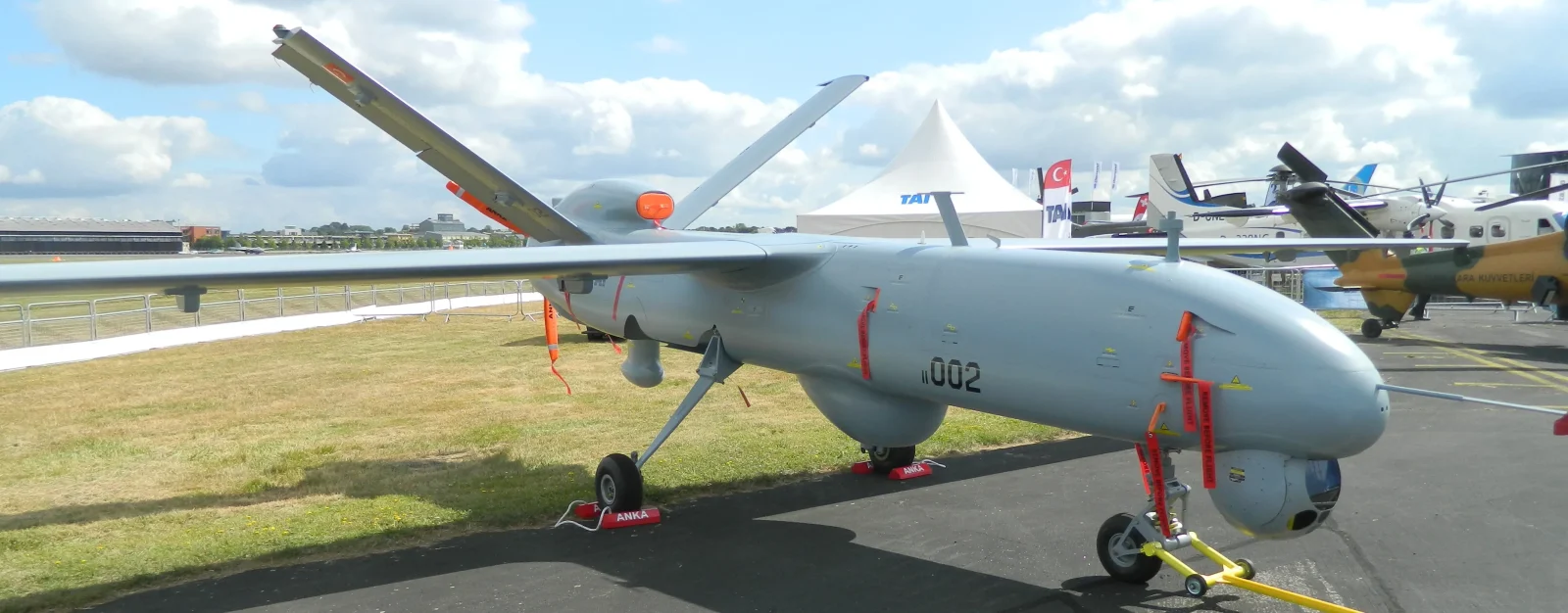
TUSAŞ’s answer to the black-box problem: a MALE-class drone designed from scratch, first flown on 30 December 2010, now past 400,000 fleet flight hours. AKSUNGUR — Turkey’s first twin-engine UAV — followed in 2019 and serves with the Navy; the tailless, turbofan ANKA-III flew on 28 December 2023.
The family’s strategic value is redundancy: two competing national drone makers mean no single point of failure in a critical capability.
| First flight | 30.12.2010 (ANKA) / 2019 (AKSUNGUR) / 28.12.2023 (ANKA-III) |
|---|---|
| Fleet flight hours | 400.000+ (TUSAŞ) |
| Status (2026) | In serial production, exported |
| Prime contractor | TUSAŞ |
5. KAAN
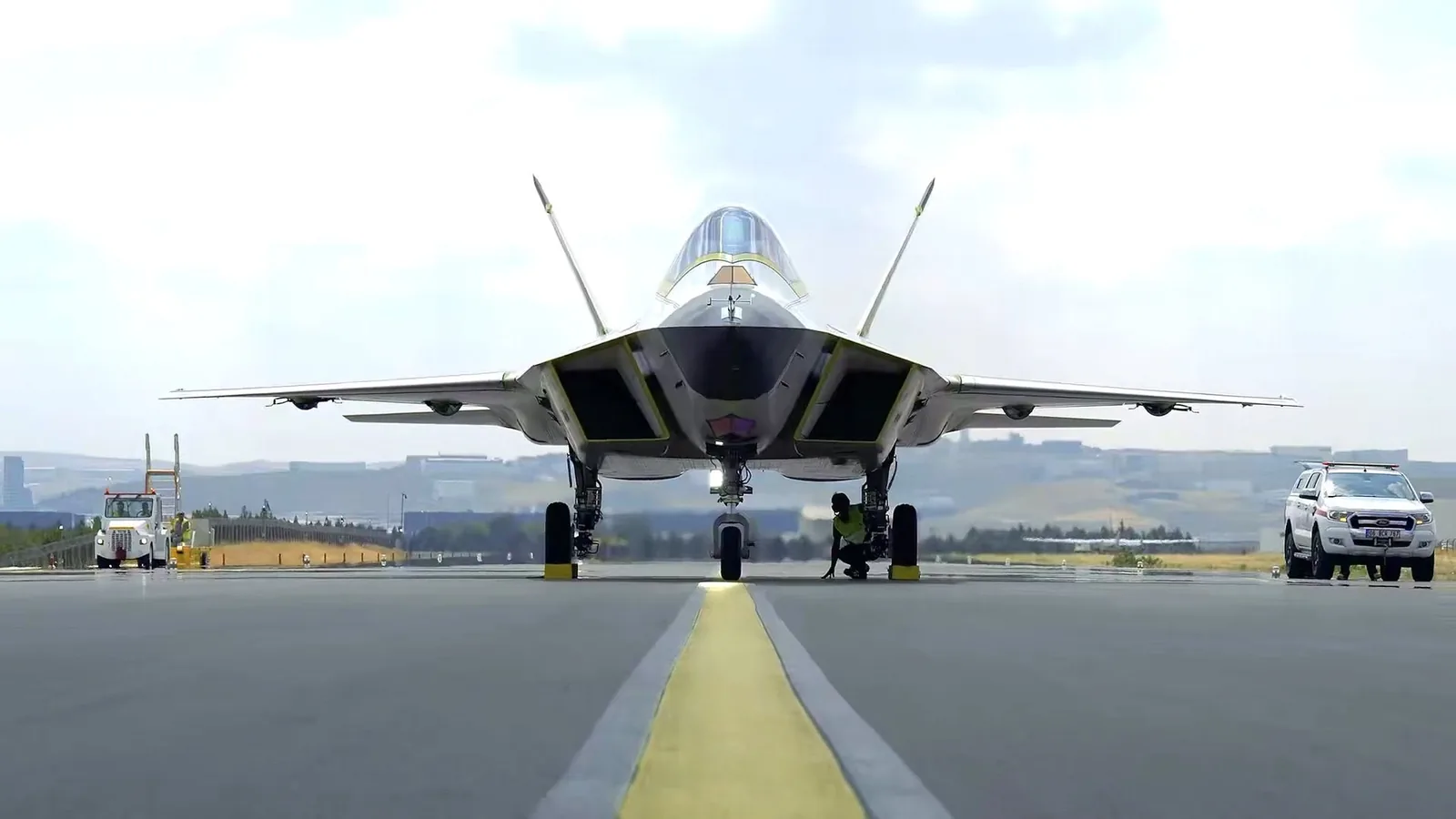
Turkey’s most complex defense undertaking: a twin-engine, fifth-generation fighter meant to replace the F-16 fleet from the 2030s. The prototype flew on 21 February 2024 — 13 minutes, 8,000 ft, 230 knots — and again on 6 May 2024. TUSAŞ lists a 34,750 kg maximum takeoff weight, Mach 1.8 at 40,000 ft and a 55,000 ft ceiling.
In 2025, Indonesia signed for 48 aircraft — announced by TUSAŞ as the largest single export contract in Turkish history, with deliveries over 120 months. The honest caveat: prototypes fly on GE F110 engines, and the indigenous engine remains the program’s defining risk. Comparing KAAN to the operational, 2,000-plus-strong F-35 fleet confuses maturity with capability.
| First flight | 21.02.2024 |
|---|---|
| Max takeoff weight | 34.750 kg |
| Top speed / ceiling | Mach 1.8 / 55.000 ft |
| Export | Indonesia — 48 aircraft, 120-month delivery (2025) |
| Status (2026) | Flight testing / maturation |
| Prime contractor | TUSAŞ |
6. HÜRJET

A supersonic jet trainer and light attack aircraft, first flown on 25 April 2023 and past 150 test events including its 100th sortie. The second prototype is flying.
The breakthrough came from Madrid: Spain’s Air and Space Force selected HÜRJET for its advanced trainer requirement, with a final procurement agreement and a TUSAŞ–Airbus industrial partnership — a NATO and EU member trusting a Turkish airframe for pilot training.
| First flight | 25.04.2023 |
|---|---|
| Test campaign | 150+ / 100+ (TUSAŞ) |
| Export | Spain — final procurement agreement (TUSAŞ–Airbus) |
| Status (2026) | Flight testing / maturation |
| Prime contractor | TUSAŞ |
7. T129 ATAK & T625 GÖKBEY

Two helicopters, two lessons. T129 ATAK — a deeply re-engineered, Turkish-avionics evolution of the A129 — first flew on 17 August 2011, was delivered from 22 April 2014 and has reached 90 airframes including exports to the Philippines and Nigeria. GÖKBEY, designed from scratch, flew on 6 September 2018.
The pivot: on 19 April 2023 GÖKBEY flew on TEI’s indigenous TS1400 turboshaft. T129’s Pakistani export collapsed over a US engine license; a national engine makes the export decision national too.
| First flight | 17.08.2011 (T129) / 06.09.2018 (GÖKBEY) |
|---|---|
| First delivery | 22.04.2014 (T129) |
| Total delivered | 90 (TUSAŞ) |
| Status (2026) | In serial production, exported |
| Prime contractor | TUSAŞ |
8. MILGEM
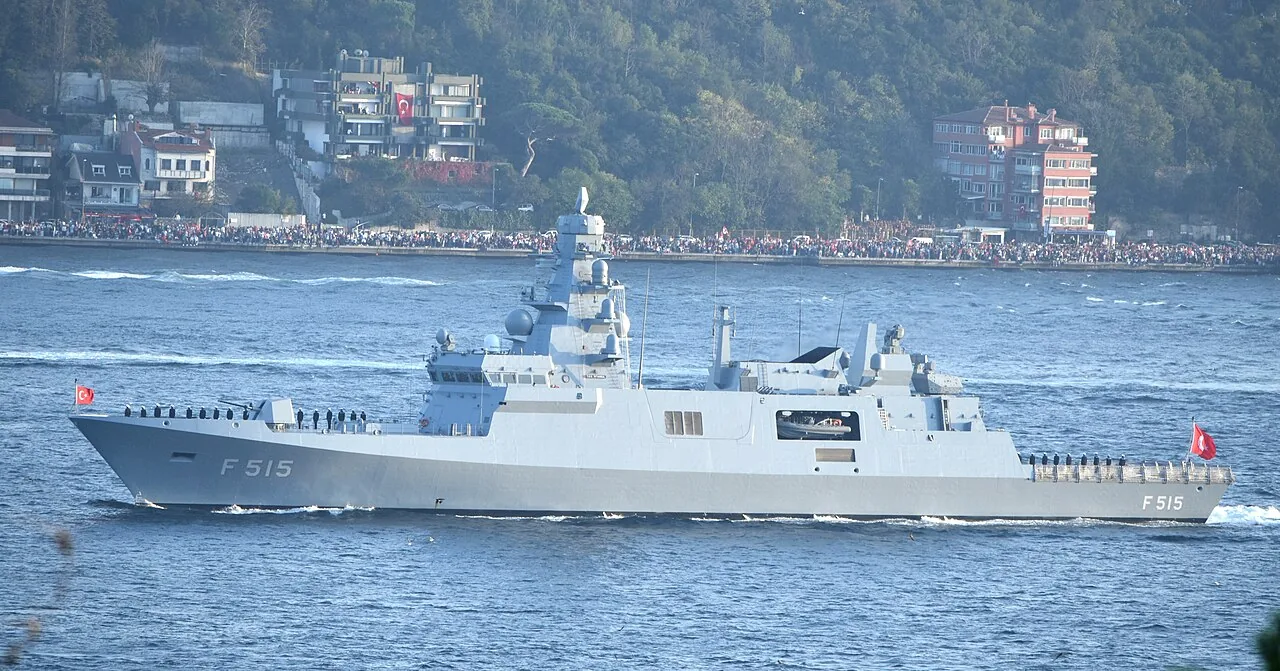
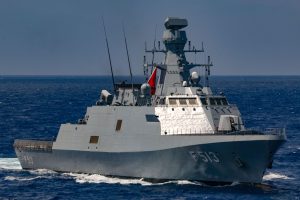
The program through which Turkey learned to design warships, not just build them. Corvette TCG Heybeliada was commissioned on 27 September 2011; frigate TCG İstanbul began sea trials on 20 June 2023. The current phase covers eight frigates built simultaneously in three Turkish shipyards.
MILGEM matured an entire supply chain — ASELSAN’s CENK AESA radar, HAVELSAN’s ADVENT combat management system, ROKETSAN’s ATMACA missile and the MIDLAS vertical launcher — and won export orders from Pakistan and Ukraine.
| Commissioned | 27.09.2011 (TCG Heybeliada) |
|---|---|
| First delivery | 20.06.2023 (TCG İstanbul) |
| Export | Pakistan (Babur class), Ukraine (Hetman Ivan Mazepa) |
| Status (2026) | Construction and deliveries ongoing |
| Prime contractor | Turkish Naval Forces / national shipyards |
9. TF-2000 Destroyer

The Turkish Navy’s missing piece: an air-defense destroyer able to shield a task group from saturation missile attack. Planned at 149 meters and roughly 8,300 tons, it centers on the 96-cell national MIDLAS vertical launch system carrying navalized SIPER missiles; first block welding has been completed at Istanbul Shipyard.
No official commissioning date has been announced — this is a program for the 2030s naval balance, not today’s.
| Program start | 07.2017 |
|---|---|
| Length / displacement | 149 m / ~8.300 t |
| Vertical launch system | MİDLAS — 96 |
| Status (2026) | No official schedule announced |
| Prime contractor | Turkish Naval Forces / national shipyards |
10. MILDEN National Submarine
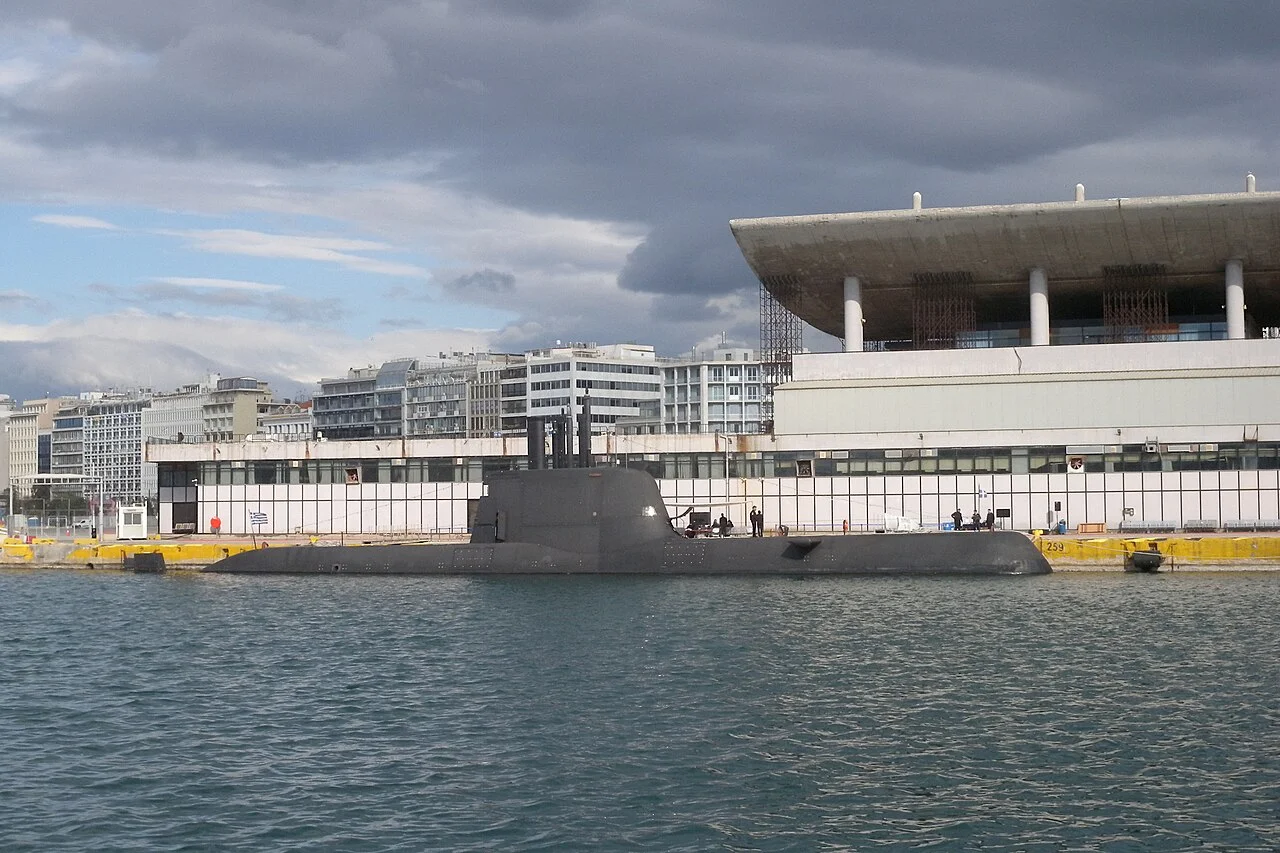
Turkey has built German-designed submarines for decades; MILDEN is the attempt to own the design itself. First test-block construction has begun at Gölcük Naval Shipyard, with national systems and weapons declared as the target.
It is the hardest naval engineering problem there is, and the program is at an early stage: no launch or commissioning schedule has been officially announced.
| Status (2026) | Early construction phase |
|---|---|
| Schedule | No official schedule announced |
| Prime contractor | Turkish Naval Forces / national shipyards |
11. TCG Anadolu & Bayraktar TB3
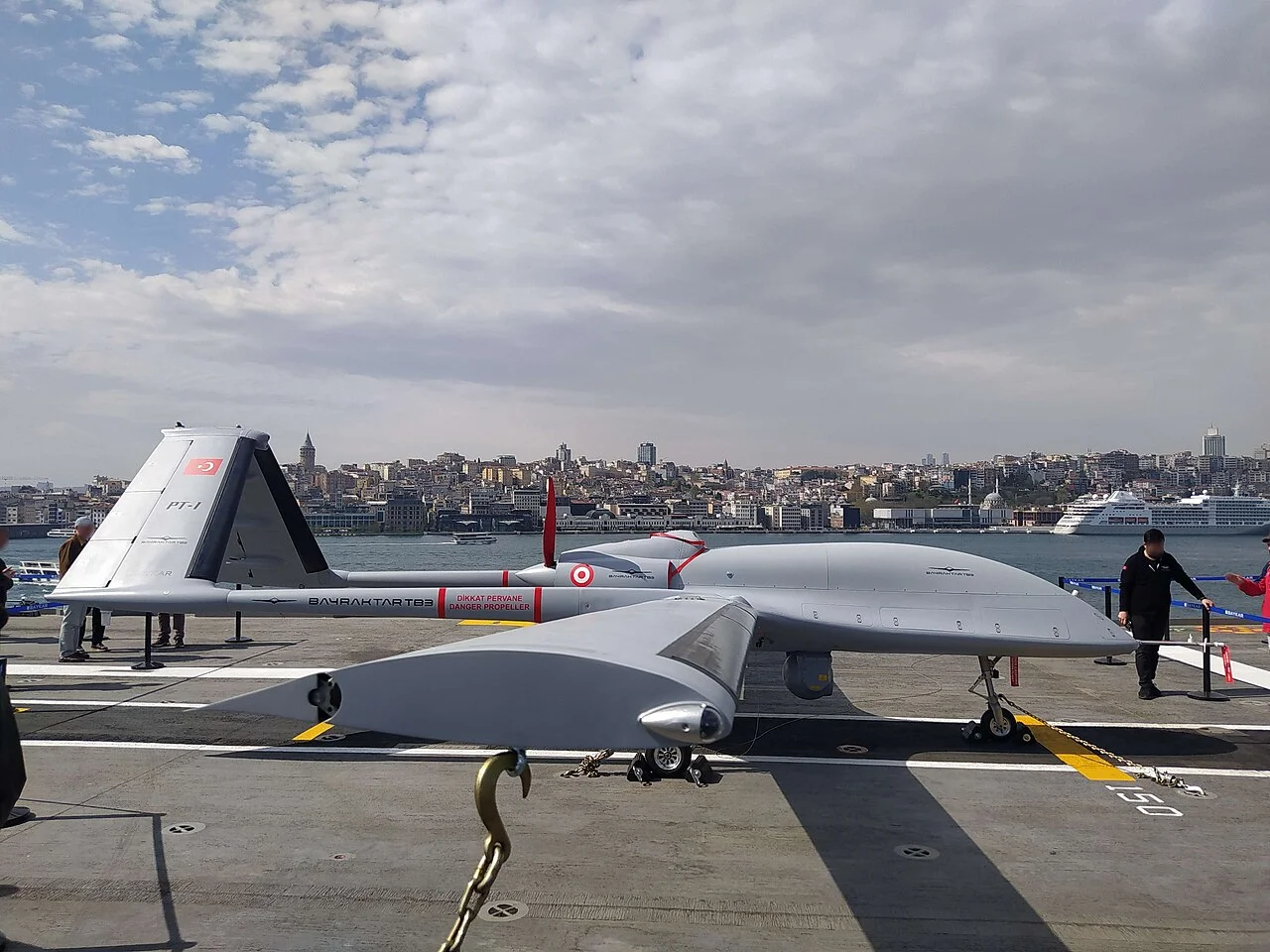
When the F-35B was lost, the amphibious assault ship built to carry it was re-imagined around drones. TCG Anadolu was commissioned on 10 April 2023 — about 70 percent local content, 131 subcontractors. On 19 November 2024, Bayraktar TB3 made history as the first UAV to take off from and land on a short-runway ship fully autonomously; it has since logged over 100 deck sorties.
A constraint became a concept few navies have operationalized. The sober note: drone payloads and ranges remain below manned carrier aviation — this is persistent ISR and limited strike, not a fleet carrier.
| Commissioned | 10.04.2023 |
|---|---|
| TB3 first deck sortie | 19.11.2024 |
| Deck sorties | 100+ (Baykar) |
| Status (2026) | In service, expanding |
| Prime contractor | Sedef / Baykar |
12. HISAR & SIPER Air Defense
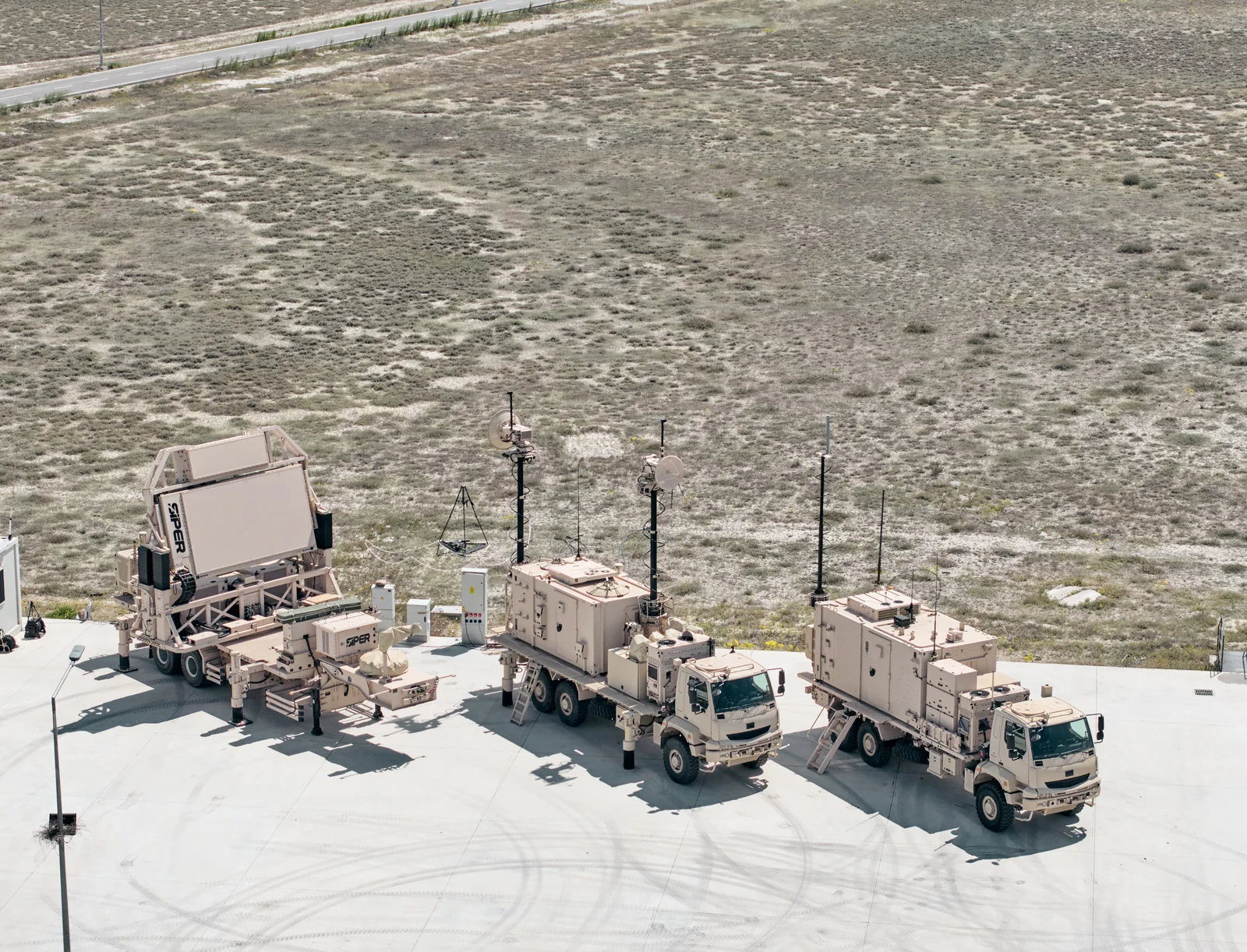
Turkey’s layered answer to decades of dependence on allied air-defense deployments. HISAR-A+ covers low altitude and has entered the inventory off the serial production line; HISAR-O+ covers medium altitude. SIPER, the top layer, lists a 150 km detection range, 360-degree coverage and 100-track capacity in ASELSAN documentation.
ASELSAN has signed follow-on serial production contracts worth €1.12 billion with deliveries through 2027–2030. Equating SIPER with S-400 or Patriot skips over different threat sets and maturity — the point is that Turkey now builds this class of system itself.
| Range | 150 km (SİPER) |
|---|---|
| Tracks / simultaneous engagements | 100 / 10 |
| Serial production contract | 1.122.139.260 € (2027–2030) |
| Status (2026) | In serial production |
| Prime contractor | ASELSAN, ROKETSAN, TÜBİTAK SAGE |
13. Steel Dome (Çelik Kubbe)
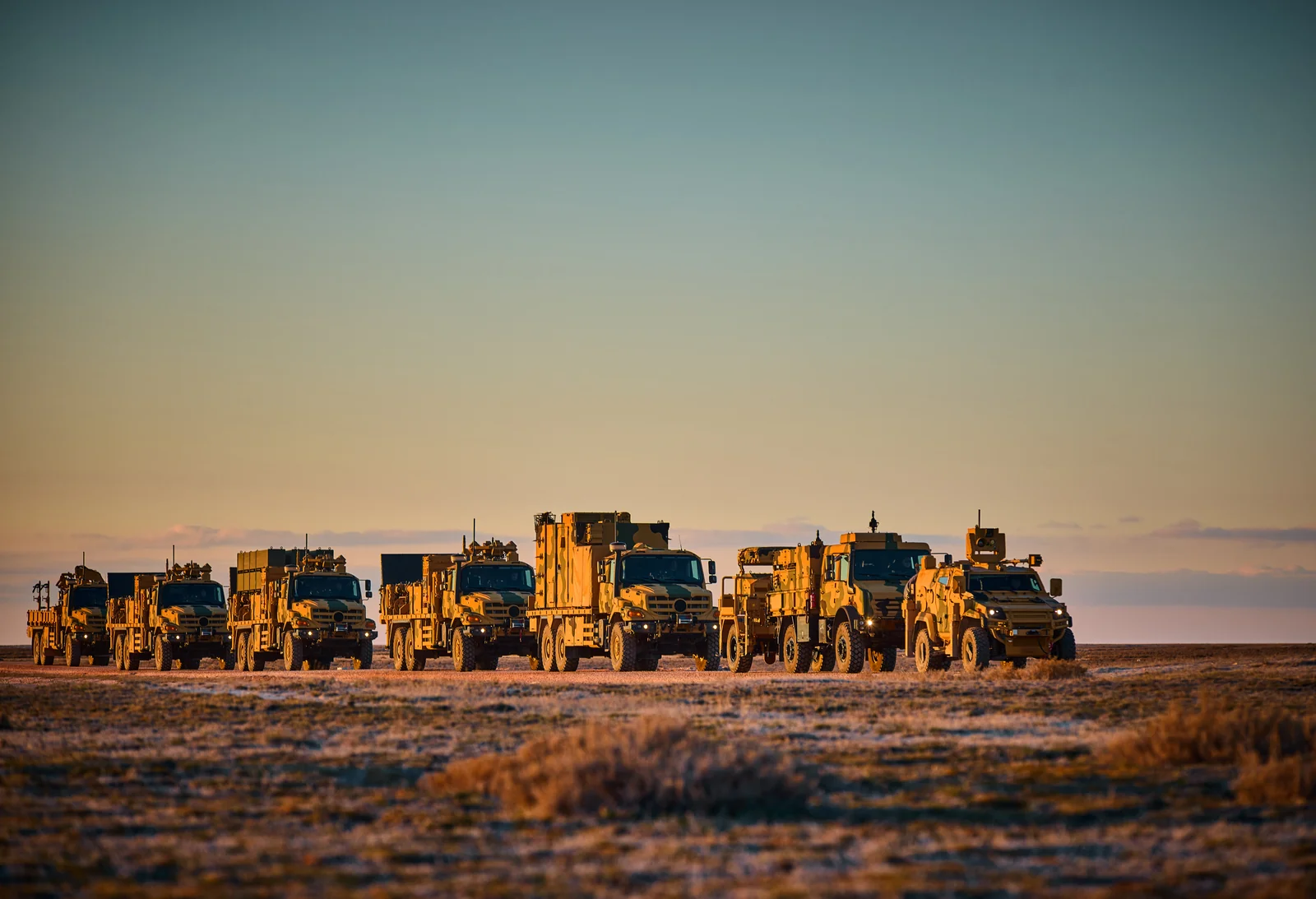
Not a new weapon but the network that makes existing ones count: Steel Dome fuses HISAR, SIPER, KORKUT, radars and jammers into one AI-assisted command-and-control picture. A first tranche — 47 vehicles worth 460 million dollars — was delivered in a presidential ceremony, and laser and high-power microwave systems are being added against drone swarms.
Despite the name, it is not Turkey’s Iron Dome: Israel’s system is a single short-range layer, Steel Dome is the integration architecture across all layers.
| First delivery | 47 / 460M $ |
|---|---|
| Investment | 1,5 Mrd $ (Oğulbey) |
| Status (2026) | In service, expanding |
| Prime contractor | ASELSAN |
14. SOM, ATMACA & KARA ATMACA
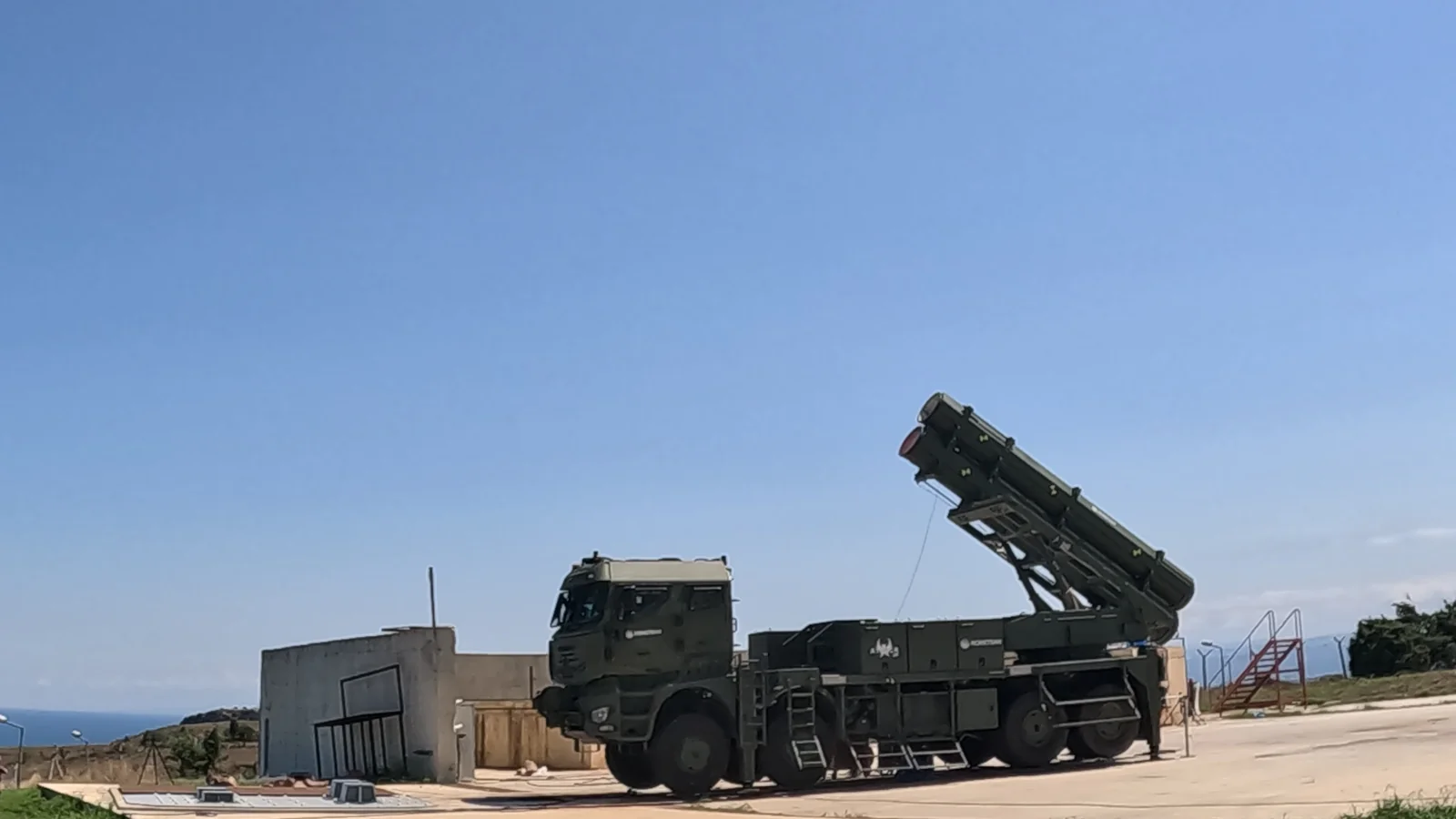
Turkey’s stand-off strike line. The SOM cruise missile has been in the Air Force inventory since 2011; SOM-J was shaped for the F-35’s internal bay — an irony, since Turkey’s expulsion left it hunting for other carriers. At sea, ATMACA was first fired from TCG Kınalıada in November 2019 and sank a real ship target on 18 June 2021; ROKETSAN lists 250 km range and a 220 kg warhead.
KARA ATMACA extends the family to land attack at 280 km from truck-mounted launchers.
| Entered inventory | 2011 (SOM) |
|---|---|
| Key tests | 11.2019 / 18.06.2021 (ATMACA) |
| Range | 250 km / 280 km (KARA ATMACA) |
| Status (2026) | In serial production |
| Prime contractor | TÜBİTAK SAGE, ROKETSAN |
15. TAYFUN Ballistic Missile
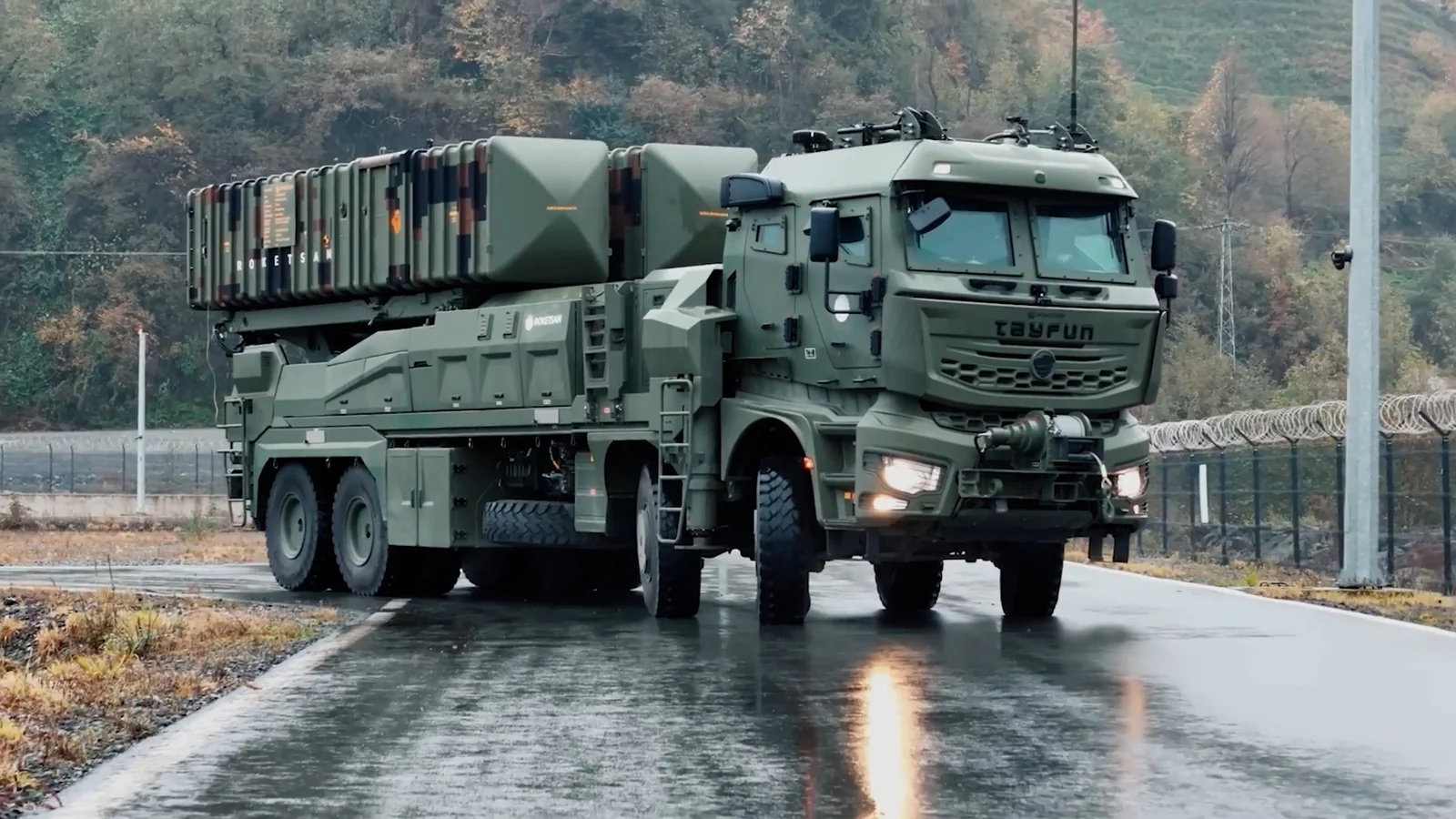
Turkey’s longest-range declared missile: on its first test on 18 October 2022 TAYFUN flew 561 kilometers from Rize-Artvin airport into the Black Sea. It has since entered serial production, and the much heavier Block-4 was unveiled in 2025.
Range figures for Block-4 circulate widely but remain officially unconfirmed — we do not repeat them.
| Key tests | 18.10.2022 — 561 km |
|---|---|
| Status (2026) | In serial production |
| Prime contractor | ROKETSAN |
16. ALTAY Main Battle Tank
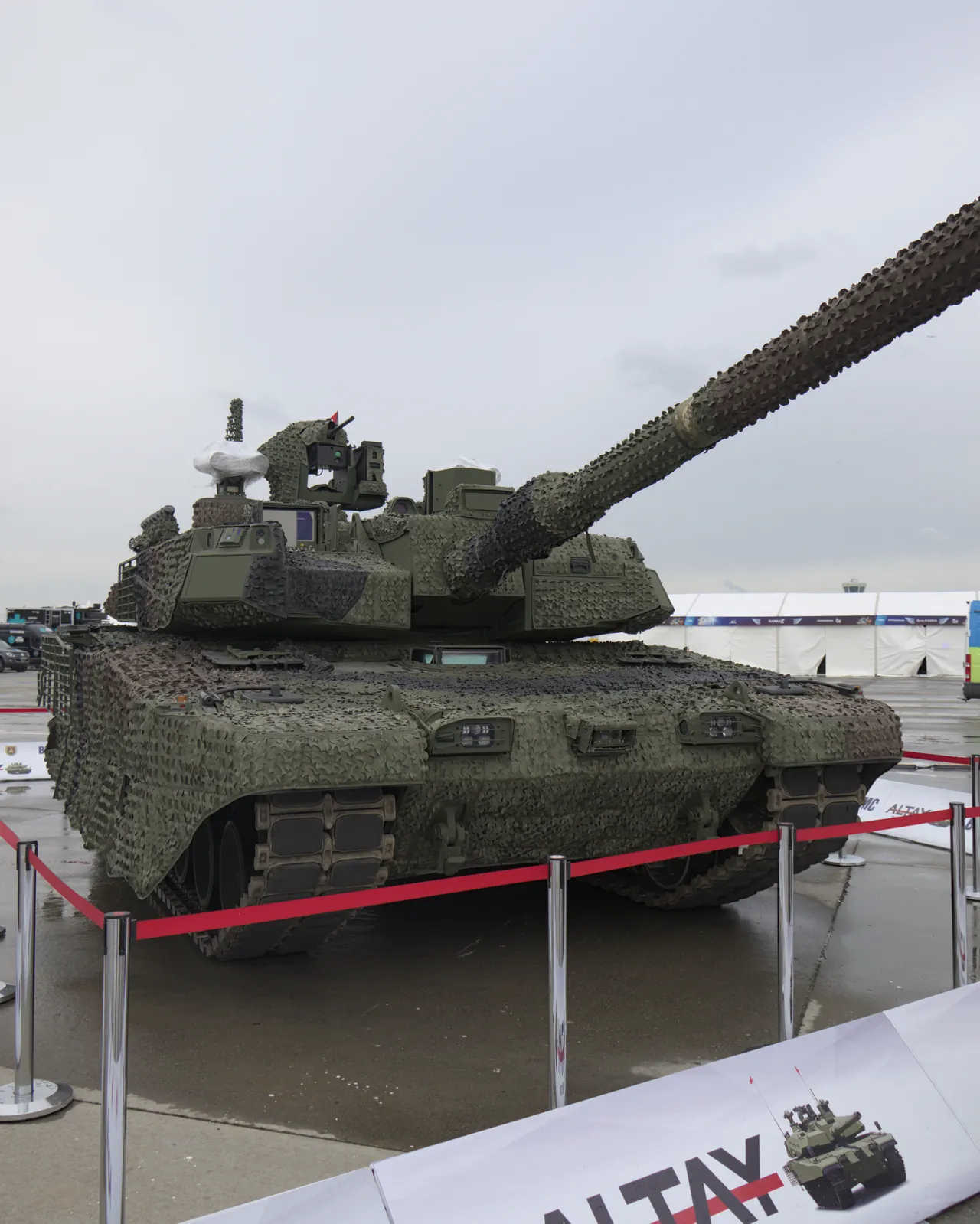
The most honest lesson in the portfolio: designing a tank proved easier than sourcing its powerpack. After years of delay, serial production began at BMC’s Ankara plant and the first tanks were handed over on 28 October 2025 — 1.5 million engineering hours and 35,000 km of testing later. The plant is sized for 8 tanks and 10 Altuğ 8×8s a month.
The first batch runs on a South Korean powerpack; the national BATU engine is the step that will actually complete the program.
| First delivery | 28.10.2025 |
|---|---|
| Monthly capacity (tanks + 8×8) | 8+10 / |
| Status (2026) | In serial production |
| Prime contractor | BMC |
17. KORAL Electronic Warfare

The quiet capability: a truck-mounted radar electronic-warfare system — one support and four attack vehicles — that blinds and deceives hostile radars while on the move, NATO-interoperable and NBC-protected. A next-generation KORAL has been announced, and a KORAL AD variant has joined the Steel Dome architecture.
EW is the most export-restricted field in defense; owning it means owning the threat library that makes it work.
| Configuration (support + attack) | 1+4 (8×8) |
|---|---|
| Status (2026) | In service, expanding |
| Prime contractor | ASELSAN |
18. TEI Engine Family (PD170, TS1400, TF6000)

Every delayed Turkish program traces back to the same word: engines. TEI’s answer is a family — the PD170 turbodiesel (40 units delivered by 2022) powering drones, the TS1400 turboshaft (delivered 5 December 2020, flying in GÖKBEY since 19 April 2023) and the TF6000 turbofan in development.
The fleet is not yet complete — KAAN still flies on the GE F110 — but Turkey has crossed the line from importing engines to designing, producing and certifying them.
| TS1400 delivered | 05.12.2020 |
|---|---|
| PD170 serial batch | 40 — 2022 |
| TF6000 | In development |
| Status (2026) | In serial production |
| Prime contractor | TEI |
Milestones, 2010–2026
For TF-2000 and MILDEN, no official commissioning schedule has been announced; we deliberately publish no speculative dates.
Frequently Asked Questions
What is the most important Turkish defense project of the last 25 years?
By operational impact and exports, Bayraktar TB2; by technological threshold, KAAN; by architectural change, Steel Dome. MILGEM built the broadest industrial supply chain.
When will KAAN enter service?
No official service-entry date has been announced. KAAN is in flight testing, targeted to begin replacing F-16s in the 2030s; the serial production schedule depends on the indigenous engine program.
Is SIPER comparable to the S-400?
Both are long-range systems, but they differ in design philosophy, maturity and integration. SIPER’s advantage is sovereignty: national production, NATO-compatible integration and unrestricted use. A one-to-one equation is misleading.
Has the ALTAY tank been delivered?
Yes — the first ALTAY tanks were handed to the Turkish Armed Forces on 28 October 2025 at BMC’s Ankara facility. Early batches use a South Korean powerpack pending the national BATU engine.
What weapons does Turkey export?
UAVs lead the way (TB2, AKINCI exported to dozens of countries), followed by warships to Pakistan and Ukraine (MILGEM), T129 helicopters to the Philippines and Nigeria, armored vehicles, and the record 48-aircraft KAAN deal with Indonesia.
What is Turkey’s biggest defense-industrial weakness?
Propulsion. The T129 export block, ALTAY’s years of delay and KAAN’s schedule all trace to engines — the area where TEI’s PD170, TS1400 and TF6000 programs are now concentrating.
Sources
All dates and figures were verified against official sources: SSB, TUSAŞ, Baykar, ASELSAN, ROKETSAN, TEI, STM, TÜBİTAK SAGE, the Turkish Ministry of National Defence and the Presidency. The full per-project source list is maintained in the Turkish master dossier
Photo Gallery: 25 Years of Products
At least one clear image of every system in this dossier. Use the arrows to browse; click a photo for fullscreen.
⤢Bayraktar TB2 — the tactical UCAV that entered service in 2014 and passed 1.25M flight hours (Baykar)