GÖKBEY Cockpit & Avionics: Glass Cockpit, 4-Axis Autopilot and ASELSAN Systems


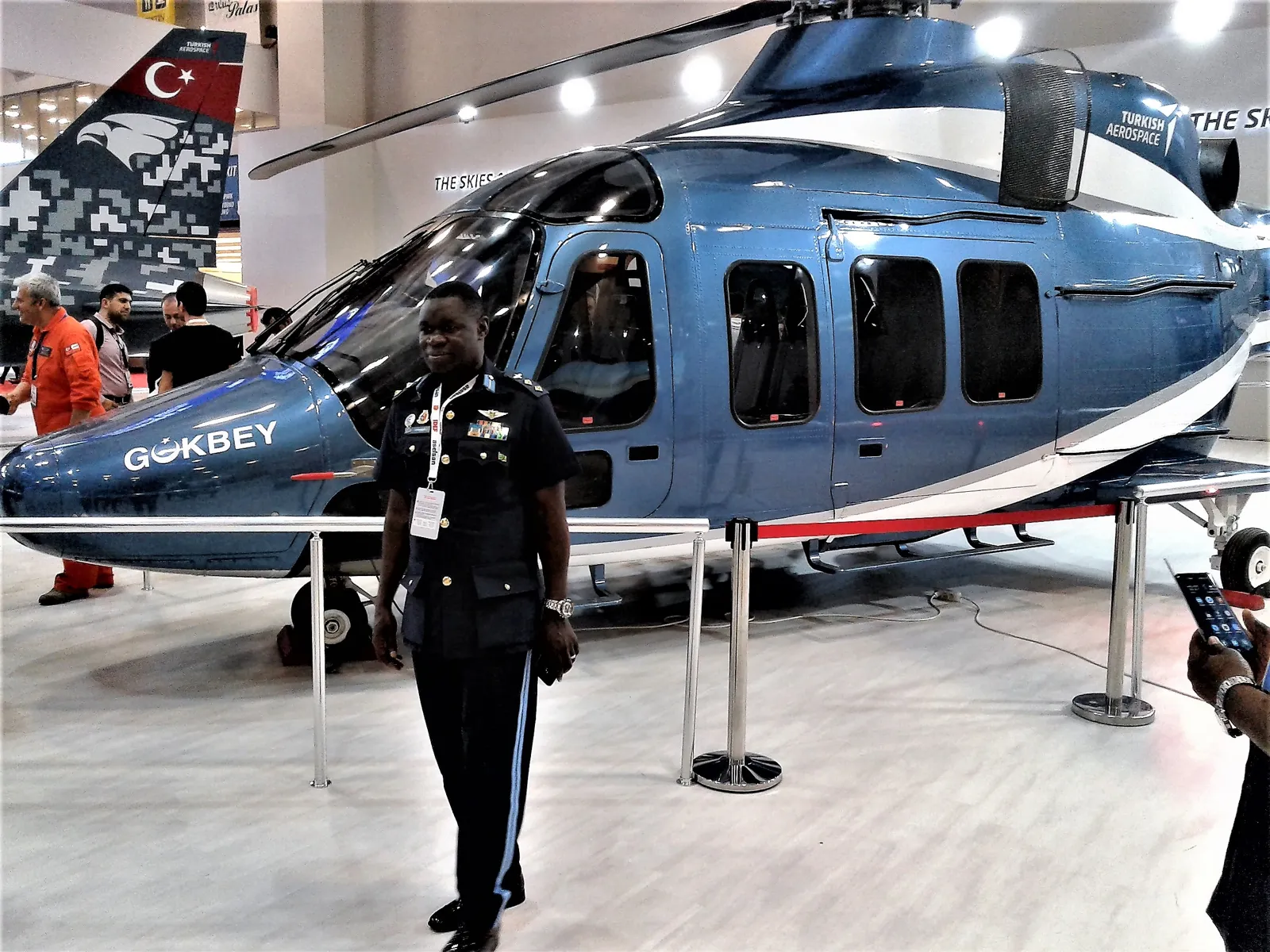
The most visibly modern face of the GÖKBEY (T625) utility helicopter sits on the panel in front of its pilots. Analog dials have given way to an end-to-end digital glass cockpit and an indigenous avionics suite built around ASELSAN. The architecture is designed to cut workload in single- or dual-pilot flight and to make mission data readable at a glance.
Glass cockpit: multi-function displays
Instead of mechanical needles, the GÖKBEY carries large multi-function digital displays (MFDs). Flight data, engine and system status, the navigation map and mission information are layered on these screens. The pilot can reconfigure the layout by mission phase, and critical warnings are surfaced by priority. That is the essence of the glass-cockpit philosophy: a few large screens read faster than many small gauges.
4-axis digital autopilot
A headline of the flight-control suite is the 4-axis digital automatic flight control system (AFCS/autopilot). The four axes cover pitch, roll, yaw and the collective (vertical) axis. This lets the helicopter hold a set altitude and speed, and modes such as automatic hover and automatic approach ease the pilot’s hand. A digital autopilot is especially valuable in poor visibility, at night and over water.
ASELSAN avionics suite
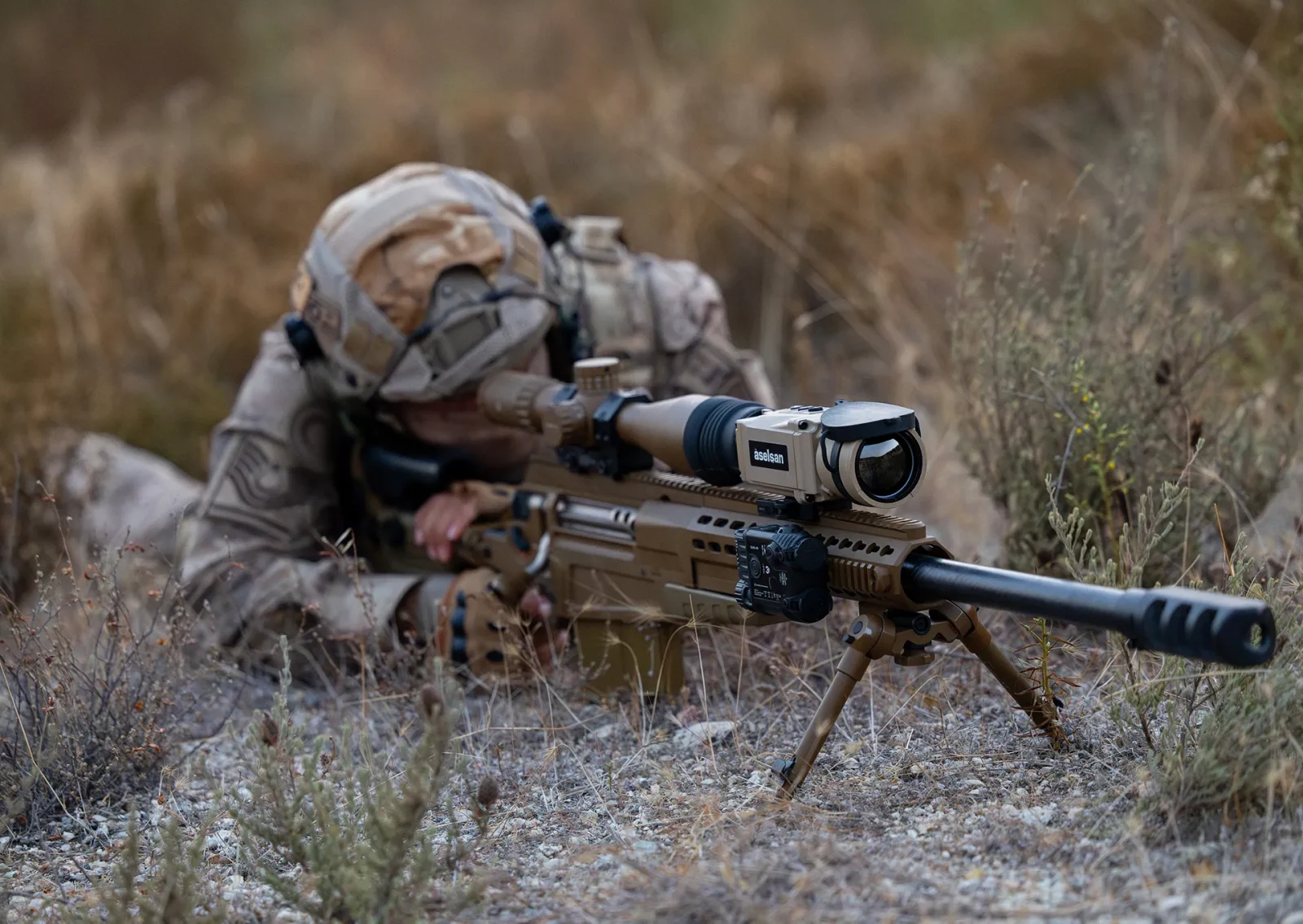
The GÖKBEY’s avionics backbone is largely supplied by ASELSAN. The suite is an indigenous whole covering integrated navigation, communications, identification and mission systems. Local avionics matter for both supply-chain security and reducing dependence on third-party export approvals.
Integrated modular avionics (IMA)
Modern helicopter avionics trend toward integrated modular avionics (IMA) rather than a separate box for every function. Shared processing resources are used through software-defined modules. The result is less wiring, less weight and easier upgrades. The contribution of local software houses such as HAVELSAN to the GÖKBEY’s software base underpins the sustainability of this integrated architecture.
Pilot workload and mission flexibility
The shared aim of the glass cockpit, digital autopilot and integrated warning management is to reduce pilot workload. In transport, search-and-rescue, air-ambulance or maritime tasks, the crew can focus on managing the mission rather than flying the aircraft. Being able to tailor the display layout to the task also makes it easier to field the same platform in different variants.
The GÖKBEY’s avionics configuration can vary by customer and variant; final mission systems are set by contract. Some mission systems have not yet been officially detailed item by item.
Frequently Asked Questions
Does the GÖKBEY have a glass cockpit? Yes. It uses multi-function digital displays (MFDs) instead of analog dials.
How many axes does the autopilot control? It uses a 4-axis digital automatic flight control system (AFCS).
Who supplies the avionics? The avionics backbone is largely indigenous, supplied by ASELSAN.
What do the four axes mean? Automatic control of pitch, roll, yaw and the collective (vertical) axis.
What is the autopilot for? It holds altitude and speed and offers automatic hover and approach modes to cut workload.
{“@context”:”https://schema.org”,”@type”:”Article”,”headline”:”GÖKBEY Cockpit and Avionics”,”inLanguage”:”en”,”datePublished”:”2026-07-24″,”author”:{“@type”:”Organization”,”name”:”Envanter Medya”},”publisher”:{“@type”:”Organization”,”name”:”Envanter Medya”}}