US CNO: Strait of Hormuz Escort Would Exceed Navy Capacity — Iran Blockade Continues
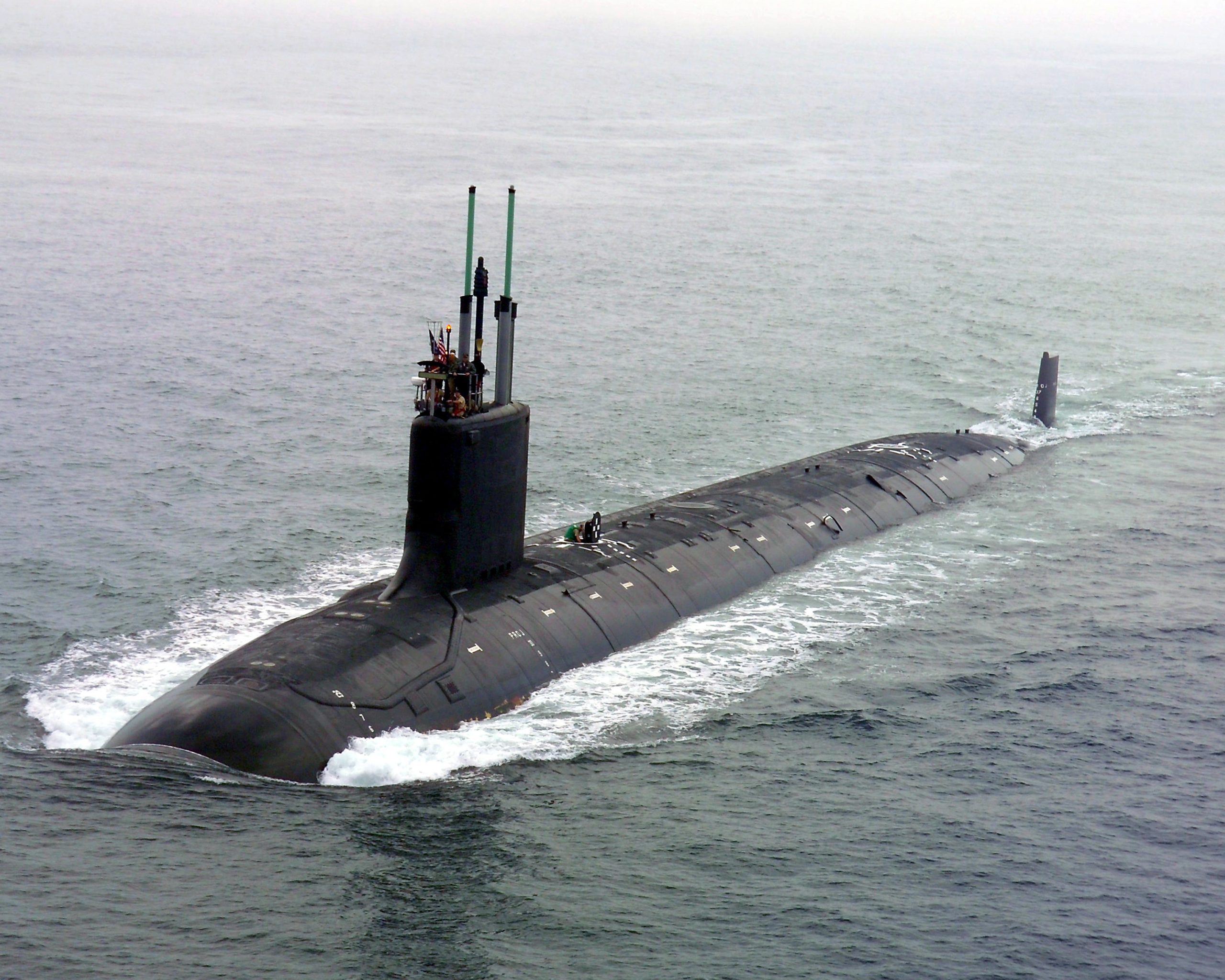
US Chief of Naval Operations (CNO) Adm. Daryl Caudle has openly admitted that escorting commercial vessels through the Strait of Hormuz would “exceed the capacity of the Navy to do that effectively.” The statement comes in the middle of a US blockade against Iranian maritime traffic that has been running since April 2026.
According to Breaking Defense’s 21 May 2026 report, Caudle called the mission “very challenging” in the narrow waterway, stressing that the persistent threat from Iran and its proxies precludes effective mine-clearance and escort coverage. The CNO instead emphasised that the ongoing Iranian-ports blockade is “probably the single most important military operation” available.
Blockade scorecard: 94 vessels redirected, 4 disabled
Since April 2026, the US Navy’s blockade has redirected 94 commercial vessels and disabled four ships. The Trump administration cancelled a planned strike on Iran amid “final-stage” peace talks. Caudle’s remarks signal that the military-diplomatic balance cannot absorb an additional Hormuz escort burden on top of current operations.
Hormuz’s strategic weight
The Strait of Hormuz is the geopolitical artery for roughly one-fifth of global oil shipments. The 33 km narrows present unusual escort conditions: an air-defence umbrella over a constricted passage, Iranian coastal threats including USVs, fast inshore attack craft (FIAC), anti-ship missiles and potential mining activity. Even with five force packages on station (CSG, ESG and reinforcement Aegis destroyers), the US Navy is openly stating it cannot guarantee a full escort regime — a sharp signal about the operational equilibrium in the region.
Turkish industry perspective
The Turkish Navy does not directly operate in the Strait of Hormuz, but the supply equation around the region drives strong demand into Turkish defence industry. Gulf states’ urgent need for short-range air defence, coast guard platforms and anti-FIAC systems represents a tangible market for Turkish manufacturers:
- HİSAR-A+ and SUNGUR — short-to-medium-range air defence
- KORKUT (35 mm) and the GÜRZ turret — low-altitude UAV and rocket protection
- ULAQ armed USV — ideal for rapid reaction in the narrows
- MILGEM family — proven export product in Pakistan and Indonesia
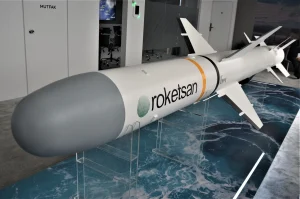
- ATMACA anti-ship missile — flexible target set including FIAC and larger platforms
Capacity gaps in Saudi, UAE, Kuwaiti and Omani air-defence and coastal-defence inventories will shape the next round of competition between Türkiye, South Korea and Israel.
Next steps
The CNO’s statement implies the US Navy is conditioning Hormuz escort operations on a “generally accepted ceasefire.” The outcome of ongoing talks with Tehran will continue to drive not only the military picture but the broader energy market.
Sources
- Breaking Defense — “Strait of Hormuz escort missions would exceed Navy’s capacity, CNO says”, 21 May 2026
- US Navy official releases
- Wikipedia — “Strait of Hormuz”
- EIA — global oil shipment statistics
- ASELSAN / Roketsan / STM open product catalogue