KAAN vs F-35: Turkey’s National Fighter Meets the World’s Most-Produced Stealth Jet

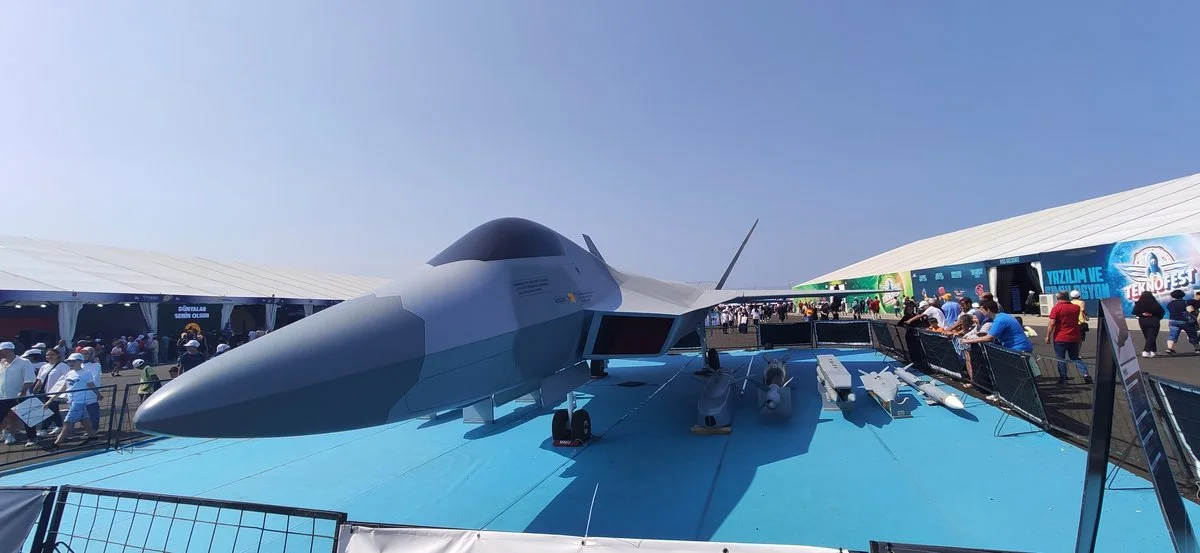
Turkey’s removal from the F-35 program was one of the sharpest turning points in its defense history. The gap that opened is now being filled by KAAN, TUSAŞ’s indigenous fifth-generation fighter. The benchmark is the jet Turkey was once meant to fly: the Lockheed Martin F-35 Lightning II.
One is a young program that has only just reached a serial-production decision; the other is a mature platform flying in the thousands. It is an uneven comparison — and a revealing one.
Maturity or Independence?
The F-35’s edge is maturity. Its sensor fusion, networked warfare and stealth were refined over years; the pilot sees the battlespace as a single integrated picture. But that capability is leashed to an American approval chain that runs from software to spare parts.
KAAN is built to break exactly that leash. Its twin-engine airframe offers more thrust and survivability, but its real claim is that the jet’s brain stays in Turkey. Avionics, mission computer and an increasingly national engine line make KAAN less an export product than an instrument of sovereignty.
Head-to-Head Specifications
| Specification | KAAN (Turkey) | F-35A (USA) |
|---|---|---|
| Generation | 5th | 5th |
| Configuration | Twin-engine | Single-engine |
| Top speed | ~Mach 1.8 (target) | Mach 1.6 |
| Stealth | Low observable, internal bay | Very low RCS, internal bay |
| Engine | F110 initially, national engine goal | Pratt & Whitney F135 |
| Status | Prototype flown, serial decision | Full production, 1000+ delivered |
| Supply | National control | US approval & partner rules |
Why Two Engines Matter
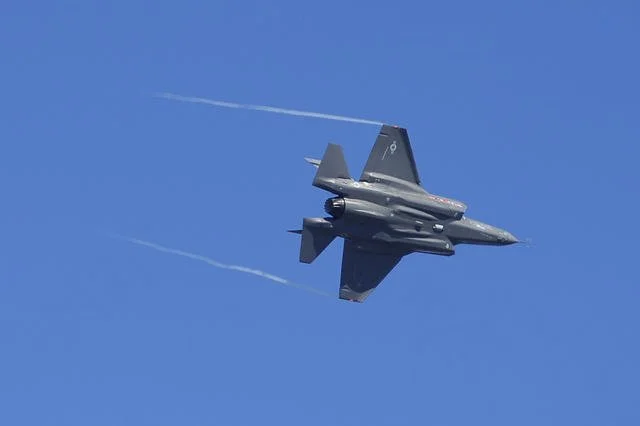
The F-35 is a single-engine light-to-medium fighter — relatively cheap and easy to maintain. KAAN sits in the twin-engine heavy class: more internal fuel and weapons, stronger climb performance, and the safety of getting home on one engine. For an air force operating across vast, demanding geography, that is no small thing.
The Verdict
Compared head-to-head today, the F-35 leads by a wide margin on the strength of decades of development and combat use. There is no point hiding that. But KAAN should be measured against its future, not the F-35’s 2010.
KAAN’s real win is freeing Turkey from depending on anyone’s willingness to sell a fifth-generation jet. A twin-engine, nationally-controlled fighter already in serial production has, in the strategic ledger if not yet the technical one, already paid off.
Compare KAAN, F-35, KF-21 and Eurofighter spec by spec: