Japan Keeps Nuclear-Powered Submarine Option on the Table Amid China’s Pacific Buildup

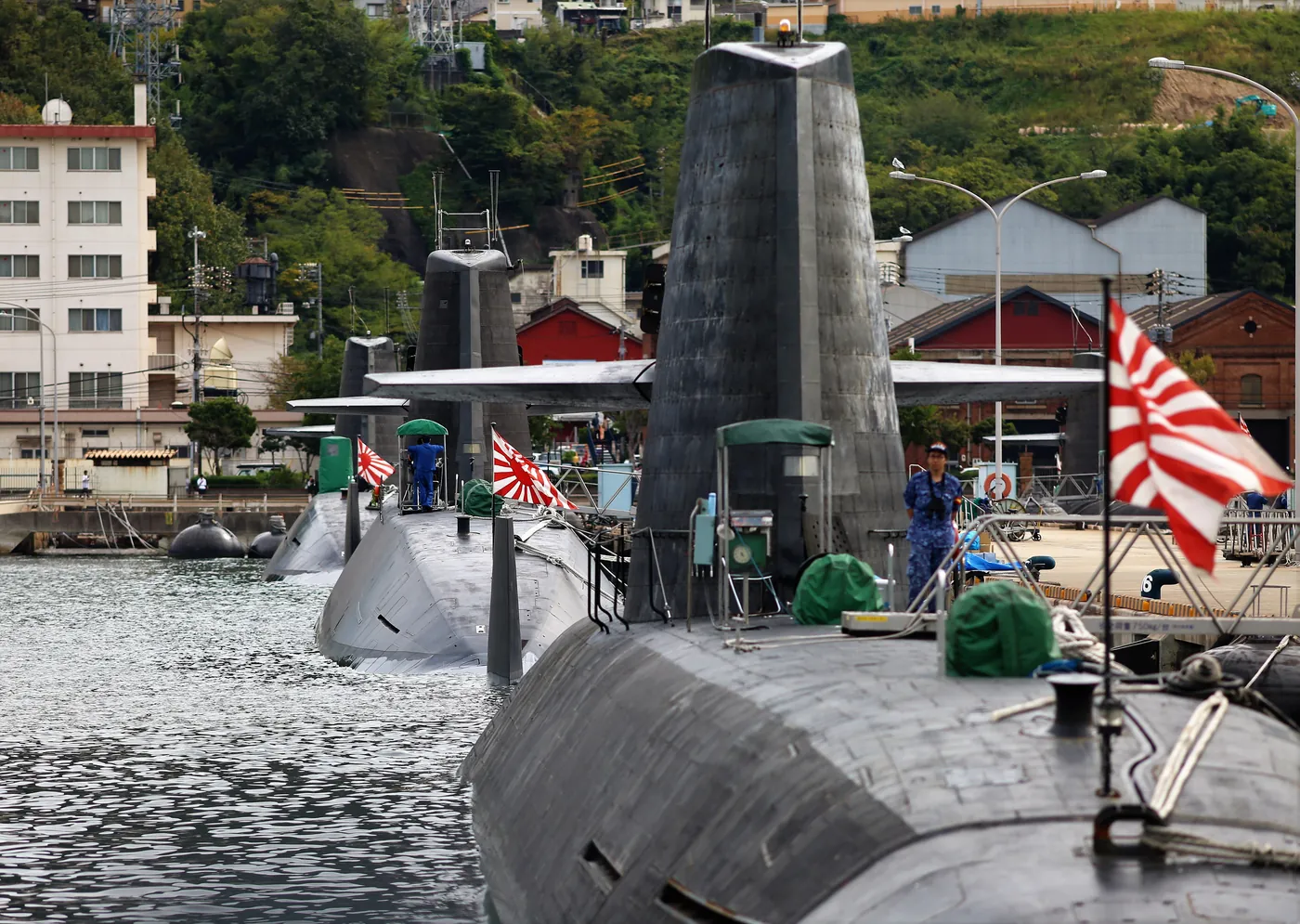
Japan’s Defense Minister Shinjiro Koizumi said on September 11, 2026 that nuclear-powered submarines will “not be ruled out” as part of Tokyo’s ongoing review of its key national security documents. The remarks came after reports that a US Navy official had expressed a positive view of Japan potentially acquiring nuclear-powered submarines.
At a Glance
- Koizumi told reporters on September 11 that the nuclear submarine option would be weighed as part of the government’s planned revision of three key security documents.
- The documents under review: the National Security Strategy, National Defense Strategy, and Defense Buildup Program, expected to be finalized by year-end.
- In January 2026, JMSDF Chief of Staff Adm. Akira Saito had already acknowledged that nuclear submarines’ long submerged endurance and high speed could provide a significant tactical capability improvement.
- The obstacles are substantial: nuclear-powered submarines cost far more than Japan’s current conventional fleet and require an entirely new infrastructure for reactor maintenance, nuclear fuel management, and specialized personnel.
- Japan’s Atomic Energy Basic Act restricts nuclear energy use to peaceful purposes, raising longstanding legal questions about compatibility with nuclear-powered warships.
Background
Japan currently operates one of the world’s most advanced conventional/AIP (air-independent propulsion) submarine fleets. The Taigei class, successor to the Soryu class, uses lithium-ion battery technology to extend quiet running and submerged endurance. But China’s expanding submarine fleet and broader naval power projection in the Pacific has reignited debate in Tokyo over whether nuclear propulsion’s unlimited range and continuous submerged endurance have become a strategic necessity. The debate is not new — a Japanese Defense Ministry panel made a similar call in October 2025 — but recent reports of a positive US Navy view have pushed the discussion into official channels.
Regional Impact
While Turkey is not pursuing a nuclear-powered submarine program, it faces a parallel sovereignty question as it builds out its own national submarine design capability. The MİLDEN (National Submarine) program aims to convert Turkey’s conventional AIP experience — built through the Reis class (Type 214TN) — into a fully indigenous design capacity. Japan’s decision to keep the nuclear option open signals a broader trend among allied navies toward a layered submarine hierarchy, combining conventional/AIP fleets with a limited number of nuclear-powered platforms — a precedent likely to inform Turkey’s post-MİLDEN roadmap.
FAQ
Has Japan decided to build nuclear submarines? No — Koizumi said only that the option would not be ruled out; no formal decision has been announced.
Which documents are being revised? The National Security Strategy, National Defense Strategy, and Defense Buildup Program, due by year-end.
What is Japan’s biggest obstacle? Cost, the need for new nuclear infrastructure, and compatibility with the Atomic Energy Basic Act’s peaceful-use restriction.