


Ukrainian Intelligence Claims Russia Received First North Korean KN-30/Hwasong-11C Ballistic Missiles

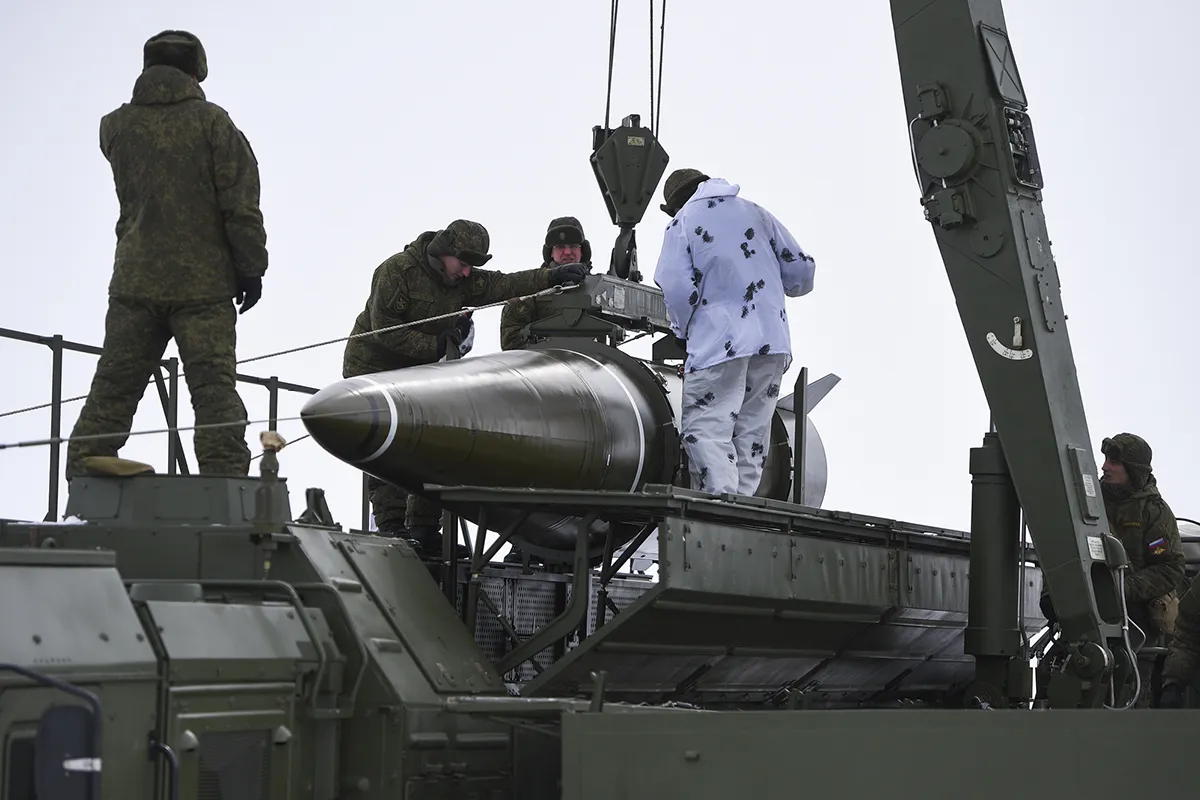
Ukraine’s military intelligence agency GUR alleges Russia has received its first shipment of North Korean Hwasong-11C/KN-30 short-range ballistic missiles and deployed six launchers in Voronezh.
Ukraine’s Main Directorate of Intelligence (GUR/HUR) claimed on August 20, 2026 that Russia has received its first shipment of Hwasong-11C short-range ballistic missiles, also referred to in Western sources as KN-30, from North Korea. The claim spread through outlets citing the GUR statement, including Militarnyi and Army Recognition; it is important to note the allegation has not been independently verified.
According to GUR, Russia has deployed six transporter-erector-launchers (TELs) in Russia’s Voronezh region. The intelligence agency states this deployment would give Russia the ability to strike deep infrastructure targets across seven Ukrainian regions using warheads weighing up to 2,500 kilograms.
Per the claim, North Korea has supplied Russia with roughly 50 ballistic missiles to date. GUR describes the KN-30 as a 10.2-meter-long system capable of carrying a 2,500-kilogram payload up to 900 kilometers. If accurate, that range-payload combination suggests the system could fill an operational role similar to Russia’s existing Iskander family of missiles.
Another notable detail in the claim concerns personnel allegedly present on the ground. GUR states around 90 North Korean personnel are operating alongside Russia’s 112th Guards Missile Brigade, suggesting the alleged transfer includes not just missile hardware but also technical and operational knowledge sharing.
GUR further alleges the Voronezh inventory stands at around 120 units and that these missiles are being used to supplement Russia’s existing Iskander stockpiles. If accurate, this would suggest Russia is working to expand its short-range ballistic missile inventory through North Korean supply, potentially working around constraints in its own production capacity.
A significant aspect of the claim is that it represents the first allegation of KN-30/Hwasong-11C transfer to Russia or use in the war in Ukraine. North Korea had previously been known to supply KN-23 and KN-24 type ballistic missiles to Russia, which were reportedly used against Ukraine; the KN-30 claim is being presented as evidence of an expanding supply relationship.
It bears emphasizing that all of the information above originates from Ukraine’s military intelligence agency and lacks independent, third-party verification. Statements from intelligence services during wartime can serve both informational and psychological or deterrence purposes, and such claims warrant cautious evaluation. Neither Russia nor North Korea has issued an official confirmation or denial of the allegation to date.
The strategic dimension of the claim also deserves attention. Military cooperation between North Korea and Russia has reportedly deepened over the past several years, previously surfacing in the form of artillery ammunition transfers, KN-23/KN-24 short-range ballistic missiles, and reported troop deployments. If accurate, the KN-30 claim would suggest that cooperation is expanding toward heavier-warhead, longer-range systems, positioning North Korea as an increasingly significant link in Russia’s missile supply chain. Whether Western intelligence services have independently corroborated GUR’s assessment has not been made public, leaving the claim to be weighed against future satellite imagery or additional reporting.
Sources
- Militarnyi, August 20, 2026 (citing GUR statement)
- Army Recognition, August 2026