US Army Awards Nine Companies $93.6 Million for Next-Gen Command and Control Software

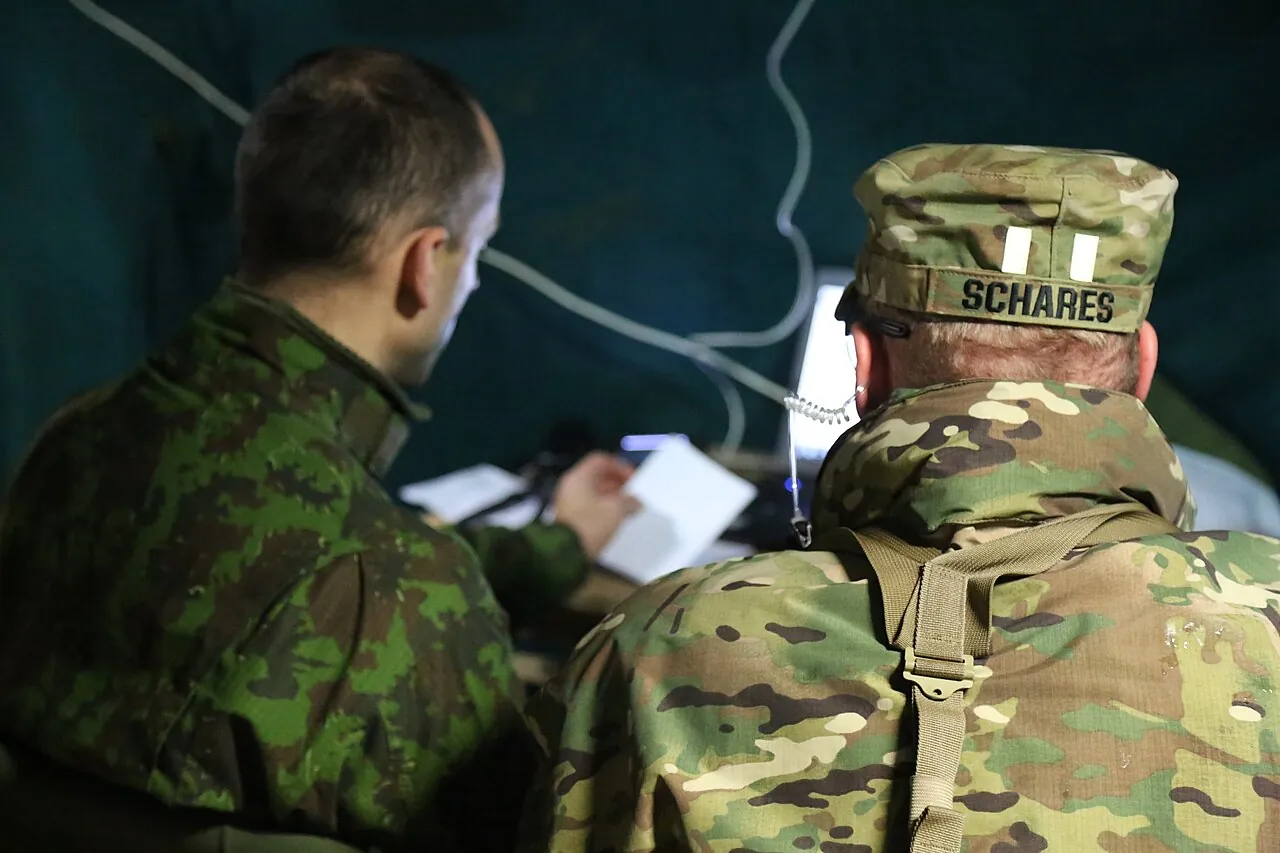
The US Army awarded nine companies roughly $93.6 million in one-year application-development contracts under its Next Generation Command and Control (NGC2) program, Breaking Defense and Defense Daily reported separately on October 14, 2026. The awards mark a step in scaling the program from unit-level testing toward corps-level deployment.
The nine companies are General Dynamics Mission Systems, Air Space Intelligence Federal, Immersive Wisdom, LMI Consulting, Mente Systems, Stilman Advanced Strategies, Onebrief, Rune Technologies, and AIR (formerly known as Govini). According to Defense Daily, the resulting applications will be fielded with US Army Pacific’s I Corps.
Building on Anduril’s prototype contract
NGC2 drew wide attention in 2025 when Anduril Industries won the program’s first prototype contract, valued at $99.6 million, and delivered the system to the 4th Infantry Division. The nine new awards signal a shift from a single-vendor prototype toward a broader ecosystem of competing software developers.
NGC2 aims to connect sensors, weapons systems, and command echelons in a shared real-time data network, shortening the Army’s decision cycle. The program sits at the center of the Army’s push toward an AI-enabled, networked command architecture.
Awarded amid budget uncertainty
The contracts were announced as a congressional continuing resolution was described by Army officials as the “biggest challenge” facing Army Pacific Command’s planning. Despite that short-term budget uncertainty, Army leaders have signaled that digital command modernization programs like NGC2 remain a priority.
The program is also being watched closely by NATO allies. The open-architecture, multi-vendor model the Army is using for NGC2 has become a reference point for allied militaries modernizing their own digital command systems. In Turkey, companies such as HAVELSAN and ASELSAN are developing command-and-control and battle-management systems built around similar open-architecture, network-centric principles aligned with NATO standards.
Applications developed under the nine contracts are expected to undergo field testing with I Corps in the coming months, with officials saying successful applications could lead to larger production contracts.
A multi-vendor procurement model
NGC2 is a prominent example of the Army’s shift toward a multi-vendor acquisition model, in which software from many companies competes on a shared open architecture rather than being built around a single prime contractor. That approach aligns with broader Pentagon efforts to give defense-tech startups and commercial software firms faster access to military programs.
The announcement came during the final day of the Association of the United States Army’s (AUSA) annual conference in Washington, where exhibitors showcased products ranging from counter-drone systems to AI-enabled command software. Technically, NGC2 applications aim to fuse data from sensors such as radar, satellite imagery, and drone feeds into a single shared picture, shortening the sensor-to-shooter timeline that underpins the Army’s future multi-domain operations concept.
Army officials say software developed under NGC2 is planned to be rolled out gradually to additional corps in future budget cycles, with the program’s ultimate goal of linking all Army units to a shared digital command network. That network is expected to ease real-time data sharing with allied forces, improving interoperability within NATO’s combined operations framework.
Sources
- Breaking Defense, “Army issues just under $100M in application awards for NGC2 to 9 companies”, October 14, 2026 — https://breakingdefense.com/2026/10/army-issues-just-under-100m-in-application-awards-for-ngc2-to-9-companies/. Used for the contract value and company list.
- Defense Daily, “Army Awards $93.6 Million to Nine Companies for NGC2 Applications”, October 14, 2026 — https://www.defensedaily.com/army-awards-93-6-million-to-nine-companies-for-ngc2-applications/army/. Used for the I Corps deployment detail.