Germany, Norway and Canada Begin Joint 212CD Submarine Planning with TKMS

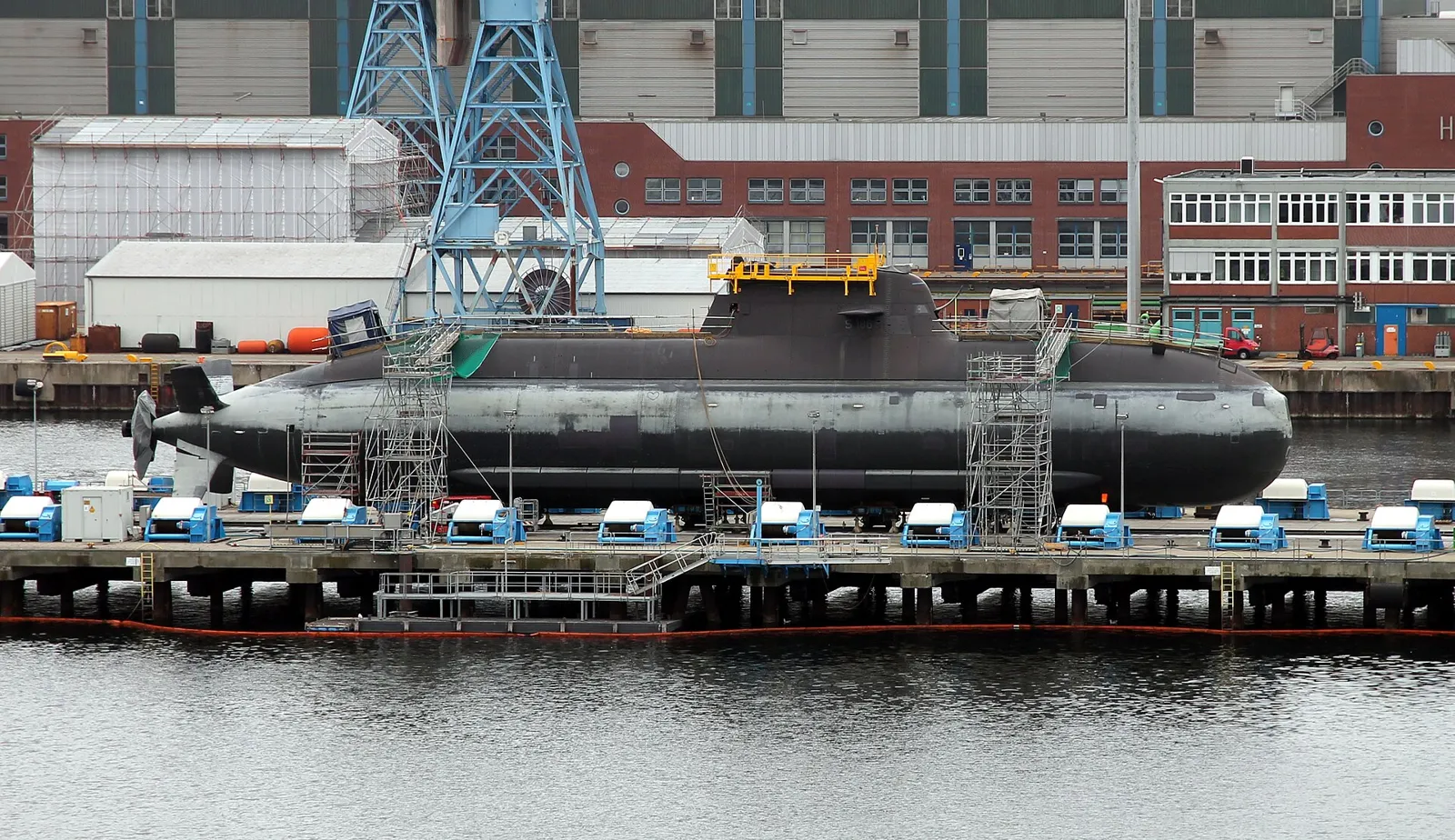
The three NATO navies have opened a joint planning phase for the 212CD submarine programme with ThyssenKrupp Marine Systems, following a four-day meeting in Kiel that set the stage for formal contract negotiations.
At a Glance
- Germany, Norway and Canada have started joint 212CD planning with TKMS
- A four-day trilateral planning meeting was held in Kiel in late July
- TKMS was named Preferred Supplier for Canada’s patrol submarine project three weeks earlier
- Formal contract negotiations will follow the planning phase
- Kongsberg and Multiconsult are industrial partners in the programme
- Goals include interoperability, North Atlantic and Arctic maritime security, and fleet-wide lifecycle synergies
From preferred supplier to a trilateral table
Germany, Norway and Canada have begun joint planning for the 212CD submarine programme with ThyssenKrupp Marine Systems (TKMS), with the process now moving towards formal contract negotiations, defence-industry.eu reported on August 10, 2026. In late July, the three parties held a four-day planning meeting in Kiel, the first multilateral gathering within the programme.
The Kiel talks covered programme phases, working structures and contract preparation. The meeting came just three weeks after TKMS was selected as Preferred Supplier for the Canadian Patrol Submarine Project. Formal contract negotiations with Ottawa are expected to begin once the current planning phase is complete.
What the partners want from the programme
Alongside TKMS, Kongsberg and Multiconsult serve as partners in the programme. The stated objectives of the trilateral structure are naval interoperability, maritime security in the North Atlantic and the Arctic, and lifecycle synergies across the combined fleet. Operating a common submarine class allows the three navies to pool training, spares and maintenance arrangements over decades of service.
TKMS Sales Director Thomas Keupp said the programme ‘combines advanced technology with a shared security vision and will lastingly strengthen maritime cooperation within NATO.’ As background, Germany and Norway have each ordered six 212CD boats under their existing joint procurement; Canada’s entry would extend that common-class logic to a third NATO navy, though the report gives no figures or delivery schedule for the Canadian requirement.
A wider renewal of NATO’s submarine fleets
The 212CD expansion lands in a period when conventional submarine fleets across NATO are being renewed, whether through new-build programmes or deep modernisation. The German-Norwegian-Canadian model stands out for spreading design, production and support costs across several navies from the outset rather than exporting a finished design.
The trend extends beyond the programme’s immediate members. Turkey, for instance, is advancing its national MILDEN submarine design while STM applies its submarine modernisation experience to extending the existing fleet. For planners across the alliance, the 212CD’s multilateral planning structure offers a live case study in how common-class procurement is organised and contracted.
Why It Matters
The Kiel meeting marks the first concrete step in turning a bilateral German-Norwegian procurement into a three-nation NATO cooperation structure. Convening the joint planning table within three weeks of Canada’s Preferred Supplier decision suggests the parties intend to keep momentum, with contract talks sequenced to follow the planning phase rather than run in parallel.
A common submarine class across three navies creates long-term industrial and operational alignment: shared training pipelines, common spares pools and coordinated mid-life upgrades. The explicit focus on the North Atlantic and the Arctic also signals where the alliance expects its next underwater challenges to concentrate.
Frequently Asked Questions
Which countries are involved in the 212CD programme?
Germany and Norway are the founding customers; Canada joined the joint planning process after TKMS was named Preferred Supplier for the Canadian Patrol Submarine Project. Kongsberg and Multiconsult are industrial partners alongside TKMS.
What was discussed at the Kiel meeting?
The four-day session in late July covered programme phases, working structures and contract preparation. It was the first multilateral meeting held within the programme.
When will Canada sign a contract?
Formal contract negotiations are expected to begin after the current planning phase concludes. No signature date, boat numbers or delivery schedule for Canada have been announced.
Sources
- defence-industry.eu — Kiel meeting, preferred supplier status and programme objectives; August 10, 2026