F-35 and the S-400: What Official Assessments Say About the Matchup

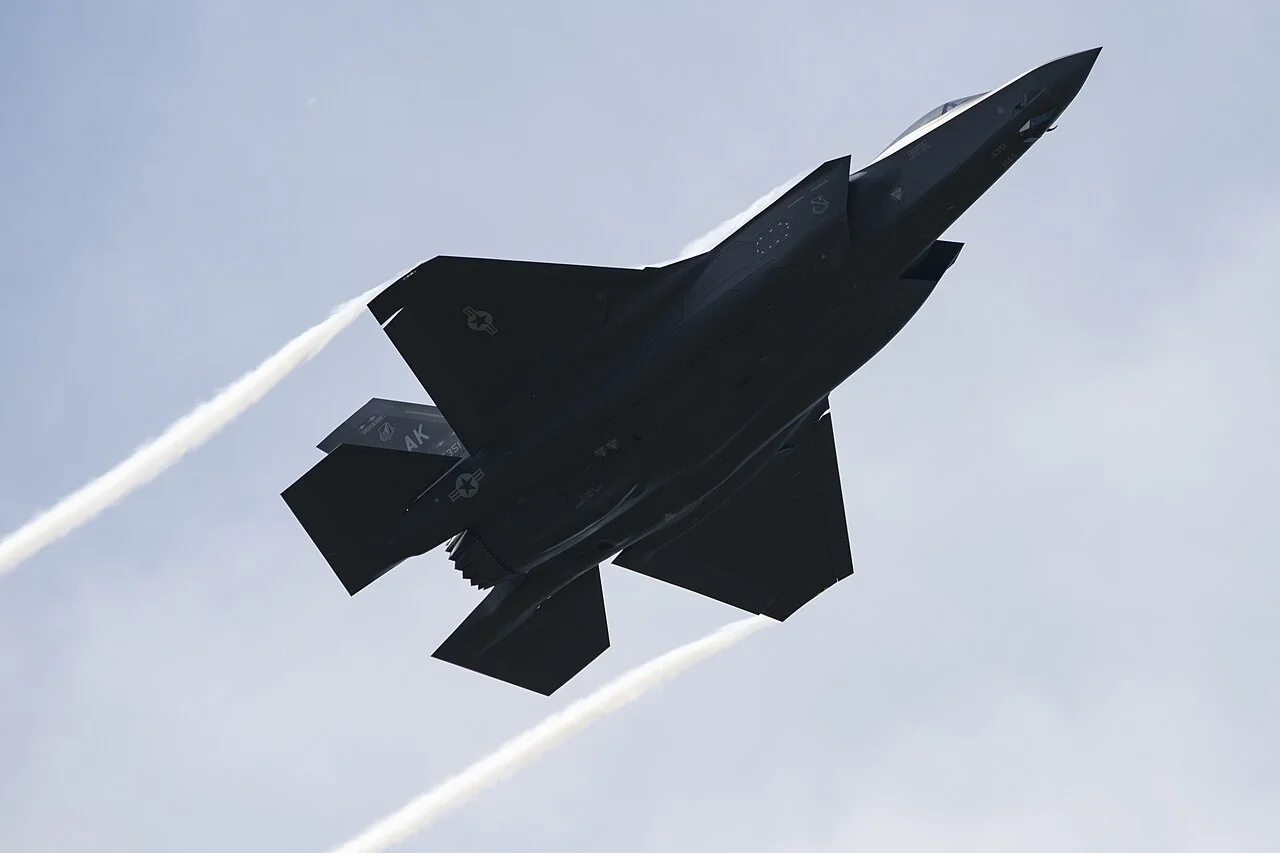
Public “F-35 versus S-400” searches often ask which platform would win in a fight. The most detailed official U.S. government statements on the two systems together are not a combat-simulation result. They are policy statements about why the United States treated the Russian S-400 air- and missile-defense system as incompatible with participation in the F-35 program. This article stays with those official statements, especially a July 17, 2019, Defense Department news story and the official remarks it records. It does not invent a radar-versus-stealth scorecard. For separate official-source explainers of each system, see What is the F-35 Lightning II? and What is the S-400?.
What official U.S. officials said in July 2019
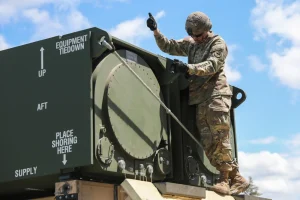
On July 17, 2019, an official Defense Department story reported that the United States was “unwinding” Turkey from the F-35 Joint Strike Fighter program because Turkey had taken delivery of the Russian-built S-400 system. Undersecretary of Defense for Acquisition and Sustainment Ellen M. Lord and Deputy Undersecretary of Defense for Policy David J. Trachtenberg told reporters that Turkey cannot have both the Russian system and the fifth-generation fighter. Trachtenberg said the U.S. government had been clear that Turkey could acquire the S-400 or the F-35, but not both, and that the day’s response was “a specific response to a specific event,” separate from the broader U.S.-Turkey security relationship.
Lord said the United States and other F-35 partners were aligned in the decision to suspend Turkey from the program and to begin formally removing it. She said that since early 2017, when Turkey began publicly discussing interest in the S-400, all levels of the U.S. government had consistently communicated that “the F-35 and S-400 are incompatible.” In the official account she gave the reason in security terms, not as a claim about a one-versus-one intercept: “Turkey cannot field a Russian intelligence collection platform in proximity to where the F-35 program makes repairs and houses F-35s. Much of the F-35 strengths lie in its stealth capabilities. So the ability to detect those capabilities would jeopardize the long-term security of the F-35 program.” She also said Turkey’s purchase of the S-400 affects the country’s interoperability with its NATO allies, and that the United States had offered the Patriot as a missile-defense system that would satisfy Turkey’s air-defense needs within alliance interoperability standards.
What those official statements do and do not settle
The official U.S. position recorded in July 2019 is a program-security and interoperability judgment: the United States would not allow the S-400 and the F-35 to be operated together by the same partner in the way Turkey proposed. Officials described a planned, orderly removal of Turkish personnel from the program and later changes to the supply chain. Those are official policy facts as of that announcement. They are not a published, classified or unclassified test report showing whether an S-400 battery would or would not detect or engage an F-35 in a particular scenario, and this article does not invent such a result. Later official F-35 partner decisions, or later official statements about other countries and the S-400, should be read in those later official texts. The official Air Force F-35A fact sheet, current as of April 2014, still listed Turkey among development-partner nations; the July 2019 official announcement is the later, controlling public U.S. statement on Turkey’s participation.
Sources
- Jim Garamone, DOD News, “U.S. Begins Process of ‘Unwinding’ Turkey From F-35 Program, DOD Officials Say,” July 17, 2019, https://www.war.gov/News/News-Stories/Article/Article/1908351/…
- U.S. Air Force official fact sheet, “F-35A Lightning II,” current as of April 2014, https://www.af.mil/About-Us/Fact-Sheets/Display/Article/478441/f-35a-lightning-ii/