US Air Force Pilot Requirements and Pay: What Official Sources Say

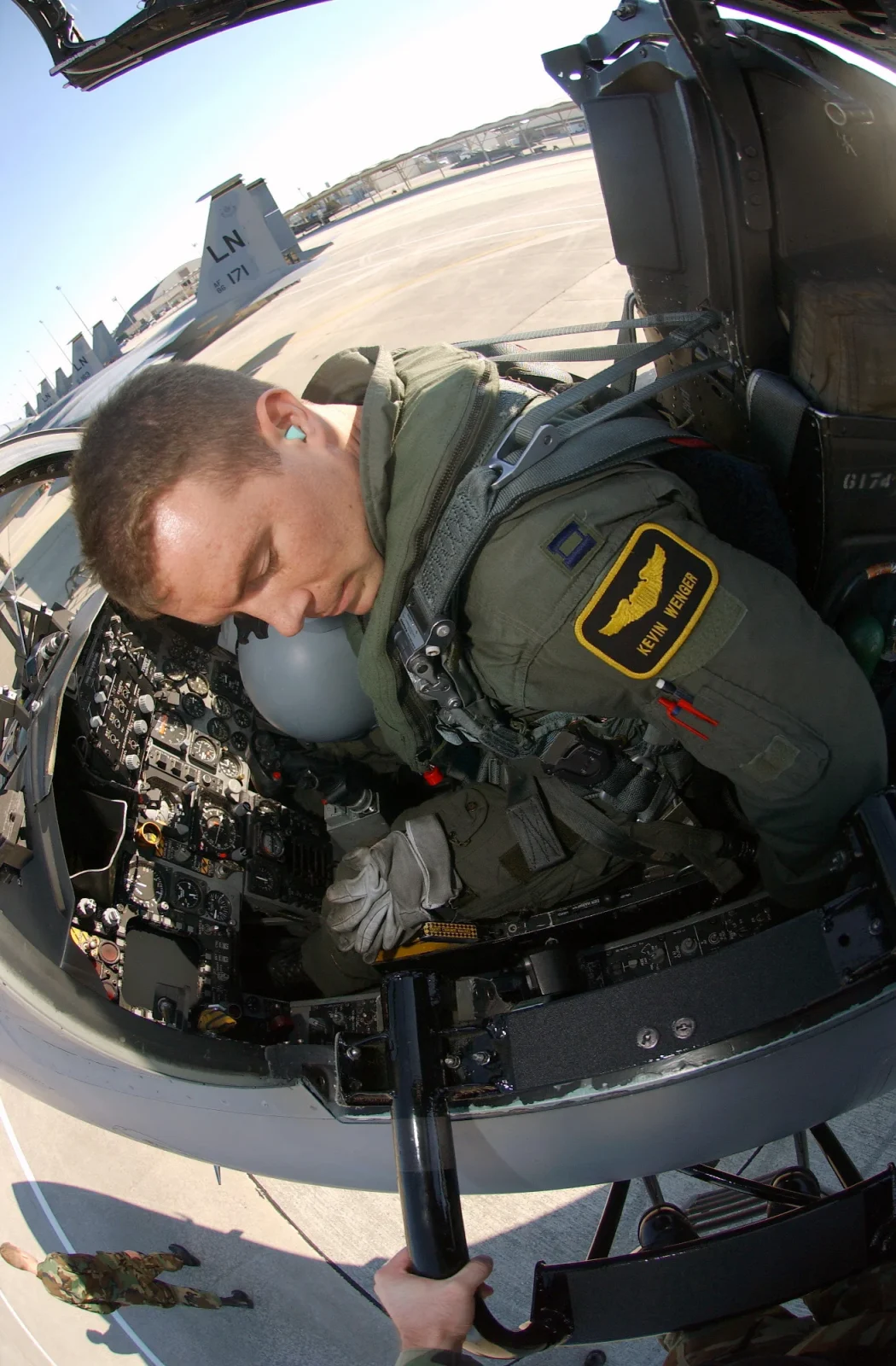
Becoming a U.S. Air Force pilot is an officer accession and training path, not a direct-enlistment job title. The official Air Force recruiting page for pilots sets education, medical and training requirements, describes how aircraft assignments are made, and states the service commitment that begins after a pilot is awarded an aeronautical rating. Those official statements are the basis of this article. A recruiter, not a third-party summary, makes the final eligibility determination.
You must first become an officer
The official pilot career page lists completion of Officer Training School (OTS), the U.S. Air Force Academy or Air Force Reserve Officer Training Corps (AFROTC) among the qualifications. OTS is described as an 8.5-week program at Maxwell Air Force Base, Alabama. Applicants also need a bachelor’s degree. In the official frequently asked questions, pilot candidates must have a baccalaureate degree in any major, or be within 365 days of receiving one, with a grade-point average of at least 2.5.
Applicants must achieve qualifying scores on the Air Force Officer Qualifying Test (AFOQT), meet the published requirements and pass a selection board before age 33. The official page does not reprint a single public cutoff score for every board; qualifying scores are confirmed through the accession process.
Age, medical and vision standards the Air Force publishes
The official qualifications list requires that a candidate must have begun pilot training between the ages of 18 and not have reached his or her 33rd birthday. In other words, the age limit is tied to the start of pilot training, not merely to submitting an application.
The same official FAQ says pilot candidates must meet Air Force weight and physical-conditioning requirements; have no history of hay fever, asthma or allergies after age 12; have normal color vision, near visual acuity of 20/30 without correction, and distance visual acuity of no worse than 20/70 in each eye, correctable to 20/20; and meet refraction, accommodation and astigmatism requirements. The page warns that corrective eye surgery could be a disqualifier. Height standards vary by aircraft. The Air Force says most applicants can pursue an aviation career and that people significantly taller or shorter than average may need special screening; applicants of all heights are encouraged to apply.
A Single Scope Background Investigation is listed among the qualifications, as is later completion of Specialized Undergraduate Pilot Training. Prior flight time is described as a plus in consideration for pilot or combat systems officer assignments, not as a published prerequisite.
Undergraduate Pilot Training and aircraft assignment
Once qualified as an officer, the official path is: complete officer training; enter Undergraduate Pilot Training (UPT) for about one year; receive a “seat assignment” near the end of UPT; then complete advanced flight training in the assigned aircraft, lasting six months to one year; and, near the end of that training, receive a squadron and location assignment.
The official page says seat assignment is determined by class ranking, training performance reports, instructor recommendations, the student’s aircraft preferences and the Air Force’s needs. Location preferences are considered for the later squadron assignment. Those are official assignment factors, not a guarantee of a first-choice aircraft or base.
Service commitment and pay
The official site states that the commitment for an Air Force pilot is 10 years of active-duty service after completion of pilot training. A related official explanation says pilots incur a 10-year service commitment from the date they complete training and are awarded an aeronautical rating, and that navigators incur a six-year commitment from the same kind of date. Airmen in those roles are evaluated for continued service one year to 18 months before the commitment ends.
Basic pay for Air Force officers follows the official 2026 military basic-pay tables, which depend on grade and years of service, as explained in our U.S. military pay scale 2026 guide. Aviation incentive pay and related special pays are published in official pay-policy tables and can change. This article does not invent flight-pay amounts. Confirm current special-pay rates with official Defense Finance and Accounting Service or Air Force personnel sources.
Sources
- U.S. Air Force official recruiting site, “Pilot” career page, including requirements, training path, vision standards and service commitment, https://www.airforce.com/careers/aviation-and-flight/pilot/pilot
- U.S. Air Force official recruiting site, Officer Training School page (8.5 weeks at Maxwell Air Force Base), https://www.airforce.com/training/military-training/ots