China Fires Submarine-Launched Ballistic Missile Into Open Pacific in a First
China launched a submarine-launched ballistic missile (SLBM) into international open waters in the Pacific Ocean for the first time on 6 July 2026. Fired from the South China Sea, the test marks the first time Beijing has openly demonstrated a submarine-based strategic nuclear strike capability in the Indo-Pacific. The move unsettled regional states and revived debate over the lack of ballistic-missile launch notifications.
Details of the test
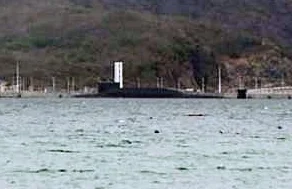
Military sources and independent analysts assess that the missile tested on 6 July was likely the JL-3, China’s newest submarine-launched ballistic missile — though it is difficult to confirm from released imagery whether it was a JL-2 or a JL-3. The two missiles share the same number of stages and general shape, differing mainly in dimensions and maximum range. China’s only in-service class of nuclear ballistic-missile submarines is the Type 094, of which it has at least six; the more modern Type 096 is understood to be in development.
Why it is a first
China had previously conducted SLBM tests mostly in waters near its own coast or in closed areas. This test differs in being fired toward open international waters for the first time. A long-range launch of a submarine-based missile into the open ocean is one of the strongest signals that the sea leg of a nation’s nuclear triad is credibly operational. Submarines that can remain on continuous patrol and are hard to detect are seen as the most survivable element of a second-strike capability.
Regional reactions and the notification debate
The launch into open waters raised security concerns among states near the flight path and splashdown area. Japan and others highlighted the uncertainty created when such launches are not announced in advance. The absence of a binding ballistic-missile launch notification agreement is seen as a gap that raises the risk of miscalculation. The test also coincided with the start of an annual joint exercise between China and Russia.
Strategic significance
Submarine-based deterrence is one of the most critical dimensions of great-power competition. China’s open demonstration of this capability bears directly on the military balance in the Indo-Pacific and on anti-submarine warfare investments by the U.S. and its allies. For NATO and partners, the spread of sea-based strategic weapons underlines the growing importance of early warning and ocean surveillance.
Sources
- CSIS and The Diplomat analyses — nature of the test, missile and submarine assessment.
- USNI News / CNN — date, location and regional reactions.
Image: Chinese Type 094 (Jin) class ballistic-missile submarine — archive (public domain).