Turkish MoD Weekly Roundup: SOM-B1T Acceptance, GÖKBEY and HİSAR-A Deliveries

The Turkish Ministry of National Defence’s weekly press briefing revealed a busy week in the acceptance and delivery schedule of domestic defence systems.
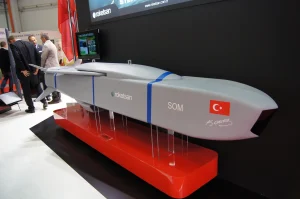
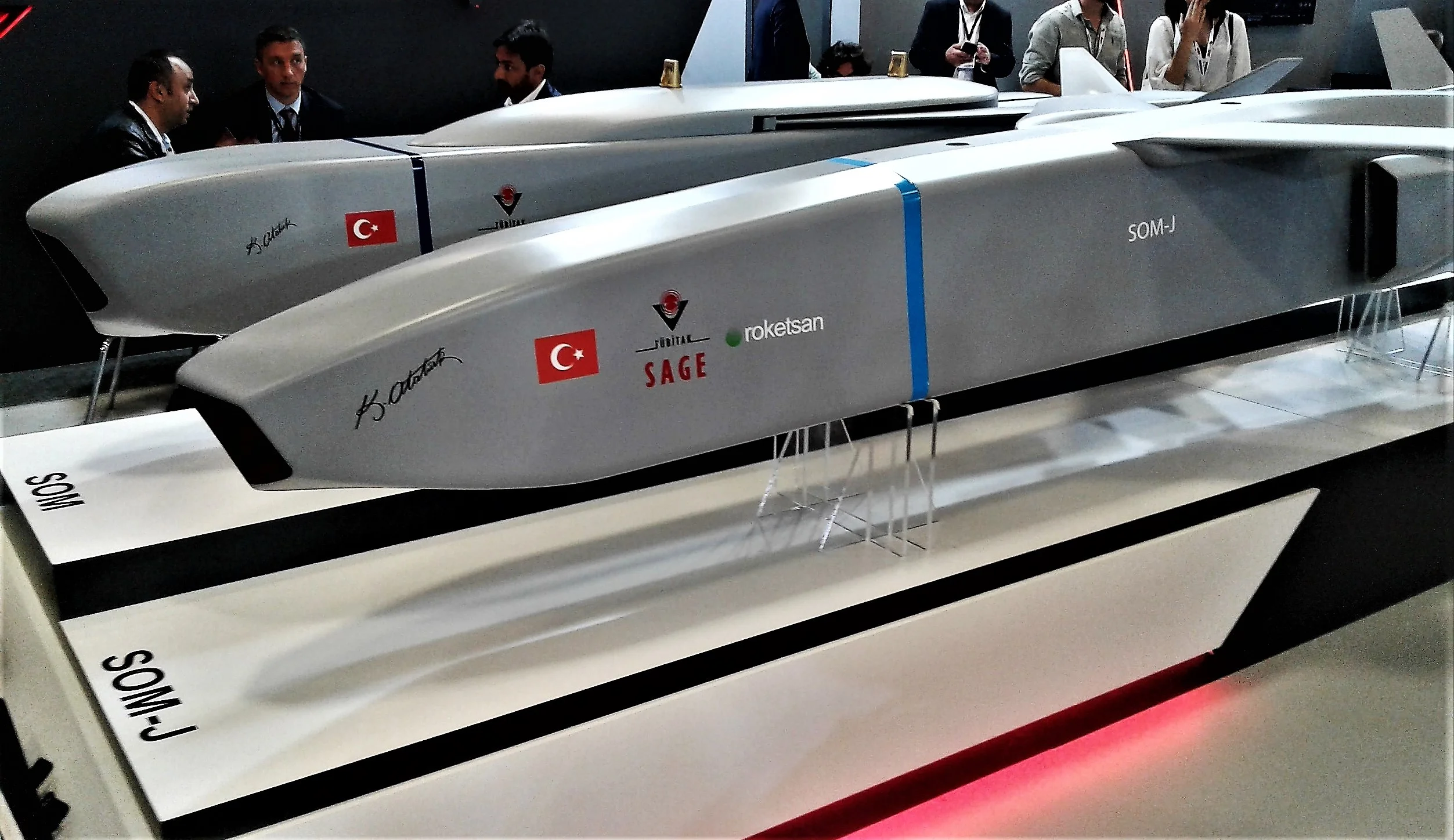
The headline item was the acceptance of a quantity of SOM-B1T munitions for the Air Force, carried out at ROKETSAN. The SOM family is the backbone of the standoff precision-strike capability of Turkish air platforms, and acceptance of the B1T variant deepens that capability in the inventory.
The briefing covered far more than missiles. Inspection and acceptance were completed for the domestically produced GÖKBEY general-purpose helicopter and the ALP-300G low-altitude radar system. GÖKBEY is expected to become a multi-role backbone of the Turkish helicopter ecosystem, while ALP-300G is a critical sensor for early detection of low-flying air threats.
The list of delivered systems shows how broad a field Turkish industry is producing across at once: quantities of ARTNET 100-G tactical communication systems, the HİSAR-A missile launch system (MLS), the KARETTA 560 anti-jam GNSS unit, the HGK-84 precision guidance kit and the İHTAR counter-UAV system.
The delivery of the İHTAR counter-UAV system in particular maps directly onto the current threat environment. As the danger from cheap, numerous drones grows in the field, demand rises for layered, cost-effective defences against them. The HİSAR-A MLS, meanwhile, shows the domestic solution for low-to-medium-altitude air defence continuing to reach the field.
Why does this matter? Taken individually these are routine acceptance items. Read together, the picture sharpens: Türkiye can produce and deliver a broad inventory that reduces external dependence, all at once. Fitting communications, radar, air defence, precision munitions and counter-UAV items into a single week shows an industry resting not on one flagship project but on a network of complementary systems.