Lockheed Martin Unveils More Affordable Patriot, MBDA Demonstrates Low-Cost Interceptor at Farnborough

At Farnborough 2026 Lockheed Martin unveiled the PAC-3 ACE (Adapted Capability Effector), costing about half as much per unit as the existing PAC-3 MSE, while MBDA showcased a low-cost Counter Mass interceptor against drones, helicopters and cruise missiles.
At a Glance
- Lockheed PAC-3 ACE: against cruise missiles and short-range ballistic missiles, at half the price of the PAC-3 MSE.
- How: a ‘throttled back’ solid rocket motor plus advanced manufacturing and AI.
- First test: early 2028; designed to supplement, not replace, the MSE.
- MBDA Counter Mass: ASRAAM-based, 53 kg, targeting drones, helicopters and cruise missiles.
- Common trend: global demand for affordable air defence in greater quantity.
What was announced
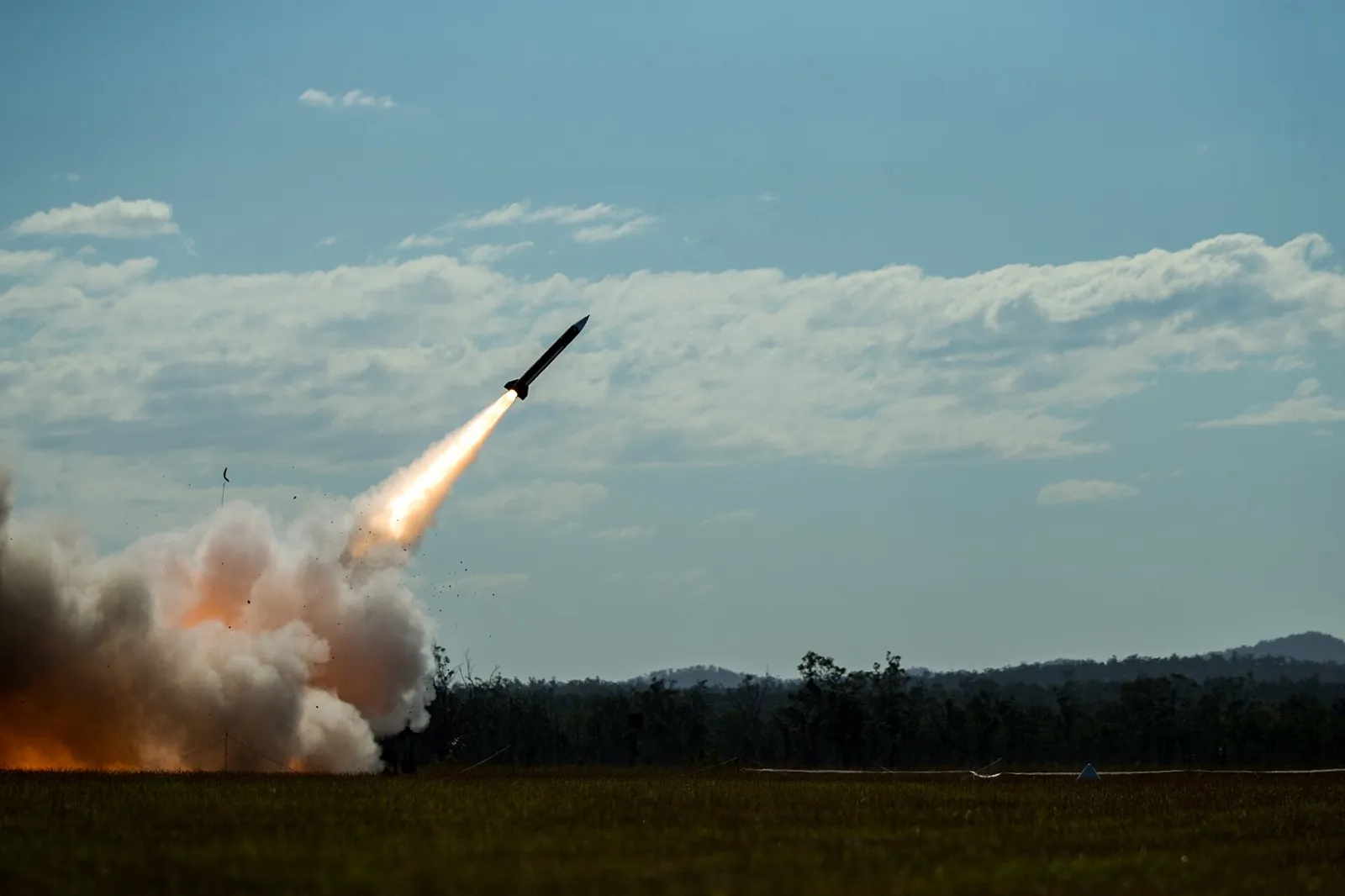
Lockheed Martin’s PAC-3 ACE is designed to defeat cruise missiles and short-range ballistic missiles at about half the per-unit price of the PAC-3 MSE. The cost reduction comes from modified component capabilities, including a ‘throttled back’ solid rocket motor, plus advanced manufacturing techniques and AI to improve production efficiency. Lockheed’s missiles and fire control president Tim Cahill said it is designed to supplement, not replace, the MSE. A first test is expected in early 2028.
MBDA showcased its Counter Mass interceptor. Based on the ground-launched ASRAAM short-range air-to-air missile, it weighs 53 kg and is built to defeat drones, helicopters and cruise missiles. It roughly doubles the altitude ceiling of traditional counter-UAS effectors, reaching about 4-6 km, and can be truck-mounted or integrated on unmanned ground or surface vehicles. A live-fire test is planned within 18 months.
System context
Both systems answer a shared lesson from recent conflicts: against high volumes of cheap drones and missiles, the cost balance of expensive interceptors turns against the defender. A defence cannot spend a multi-million-dollar interceptor on a $20,000 drone. Manufacturers are therefore pursuing cheaper, mass-producible options to complement existing high-end interceptors.
Lockheed said it will seek European partners such as Saab and Diehl for radio-frequency and seeker technology for the PAC-3 ACE, with seeker production planned overseas. Ukraine’s recent licence to produce Patriots domestically could make a scaled-back system like ACE easier to establish.
Why it matters
Affordable, layered air defence is directly relevant to Turkey’s Steel Dome concept and indigenous interceptors (HISAR-A/O, SIPER, SUNGUR). The idea that the most expensive interceptor should not be used against every target is a design philosophy Turkish industry has also embraced. Close-in systems like GURZ and the search for low-cost interceptors align with the trend Western makers displayed at Farnborough, and global demand shaping this way creates opportunities for Turkish export products too.
Frequently Asked Questions
Does PAC-3 ACE replace the MSE?
No. Lockheed says ACE is designed to supplement, not replace, the MSE, at about half the price.
What does MBDA Counter Mass target?
An ASRAAM-based 53 kg interceptor targeting drones, helicopters and cruise missiles up to about 4-6 km altitude.
Sources
- Breaking Defense — Lockheed cheaper Patriot, MBDA low-cost interceptor — PAC-3 ACE and MBDA Counter Mass detail; Farnborough 2026.
- MBDA — Farnborough 2026 — MBDA showcase context.