Ballistic protection levels compared: IIIA, III+, IV

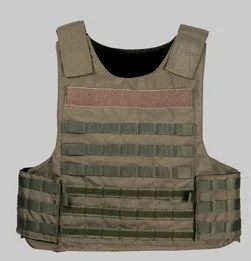
Quick answer: The classification most widely used in body armor is based on the US-based NIJ (National Institute of Justice) 0101.06 standard: Level IIA and IIIA for soft armor, and Level III, III+ and IV for hard plates. Yiltex Armor‘s product range covers most of these levels: a Level IIIA soft panel, Level III+ polyethylene and Level IV ceramic composite hard plates, and a Level IIIA-class steel plate. As the level rises, the material generally gets heavier, which is why material choice matters based on the use scenario.
Soft armor: Level IIIA
Level IIIA is recognized as the highest soft-armor class, offering protection against handgun ammunition. Yiltex Armor’s soft panel, made from UHMWPE (ultra-high-molecular-weight polyethylene) fabric, sits in this class. Soft armor’s advantage is flexibility and low weight; its drawback is that it falls short against rifle ammunition.
Hard plate: Level III, III+ and IV
Level III and III+ plates generally protect against rifle ammunition; the “+” designation indicates additional testing beyond the standard Level III test against certain tougher threats. Level IV is recognized as the highest certified class, protecting against armor-piercing ammunition. Yiltex Armor’s official site states that its Level III+ group is made from pure polyethylene and its Level IV group from a PE/ceramic composite.
| Level | General threat coverage | Yiltex Armor equivalent | Material |
|---|---|---|---|
| IIIA (soft) | Handgun ammunition | Soft ballistic panel | UHMWPE fabric |
| IIIA (hard) | Handgun ammunition, lightweight solution | AR500-550-600 steel plate | Steel |
| III+ | Standard rifle ammunition | Pure polyethylene plate | Polyethylene |
| IV | Armor-piercing ammunition | PE/ceramic composite plate | Polyethylene + ceramic |
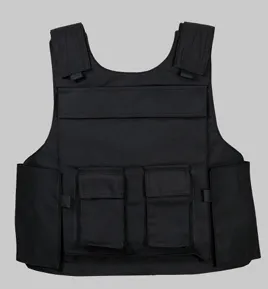
Why does the steel plate sit differently?
Steel plates are generally rated at Level III or IIIA; their hardness lets them stop rifle ammunition, but they carry a spalling risk and a weight penalty. Yiltex Armor’s AR500, AR550 and AR600 grade steel plates fall into this category; details are covered in the steel plate file.
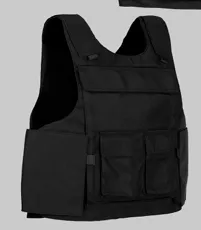
Which level suits which user?
General industry practice favors soft armor (IIIA) for everyday security and police duty, while hard plates (III, III+ or IV) are used in active-engagement scenarios. Yiltex Armor’s YVA012 and YVA014 models occupy a middle ground between the two: soft-armor flexibility with a rifle-ammunition rating. Which independent laboratory tested these claims has not been disclosed publicly.
Frequently asked questions
What is the difference between Level IIIA and Level III?
Level IIIA is the highest soft-armor class against handgun ammunition, while Level III is the baseline hard-plate class against rifle ammunition.
Is Level III+ an official NIJ class?
The “+” mark is a common manufacturer term indicating additional testing beyond the standard Level III test; it is not one of NIJ 0101.06’s official classes.
Is steel plate or polyethylene plate better?
Steel plate is generally cheaper but heavier and carries spalling risk; polyethylene/ceramic plate is lighter but generally more expensive. The right choice depends on the use scenario.
Have Yiltex Armor’s products been independently tested?
The company states testing was done to NATO and NIJ standards; no independent laboratory report has been published publicly.
Sources and verification note
General NIJ 0101.06 level definitions are drawn from widely accepted open-source industry information; material details specific to Yiltex Armor come from the company’s official product pages. The two types of information are reported separately and not conflated.
- https://www.yiltexarmor.com/hardbalisticplates (Accessed: August 25, 2026)
- https://www.yiltexarmor.com/balisticsoftplates (Accessed: August 25, 2026)
- https://www.yiltexarmor.com/textile-vest (Accessed: August 25, 2026)