Ethiopia’s Military Strength: Tanks, Jets and Drones (2026)

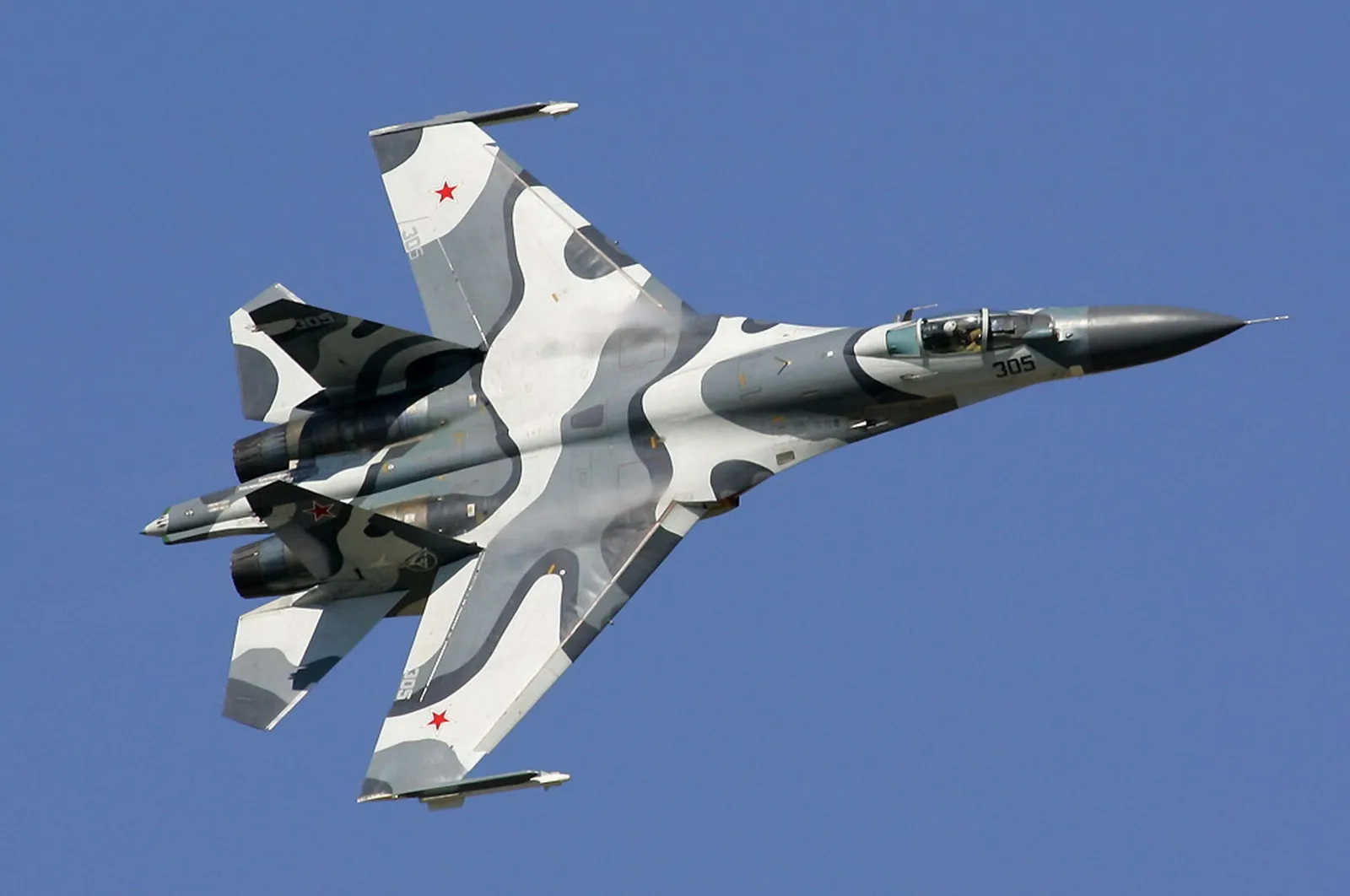
Ethiopia’s military inventory reflects one of East Africa’s largest and most battle-hardened armed forces. Historically built on Soviet- and Russian-origin Su-27 fighters, T-72 tanks and a broad artillery park, the Ethiopian National Defense Force (ENDF) rapidly diversified its procurement during the 2020-2022 Tigray civil war. The Bayraktar TB2 armed UAVs that entered the inventory in that period stood out as a capability that shifted the course of the conflict. Because of its landlocked position, the country has no operationally capable navy.
At a Glance
- Active personnel: ≈ 162.000
- Main battle tanks: ≈ 400
- Military aircraft (total): ≈ 90
- Key fighter: Su-27, MiG-23BN
- GFP ranking: ≈ 50
- Sea access: Landlocked (no navy)
Note: The inventory figures below are approximate values drawn from open sources such as Global Firepower, the IISS Military Balance and SIPRI.
About the Ethiopia Armed Forces
The Ethiopian National Defense Force (ENDF), with around 162,000 active personnel, forms one of East Africa’s largest militaries. Comprising Army and Air Force, the structure remains in continuous mobilization and modernization because of historical tension with Eritrea, the Tigray civil war and instability along the Sudanese border. When Eritrea became independent in 1993 the country lost its coastline and its navy effectively ceased to exist.
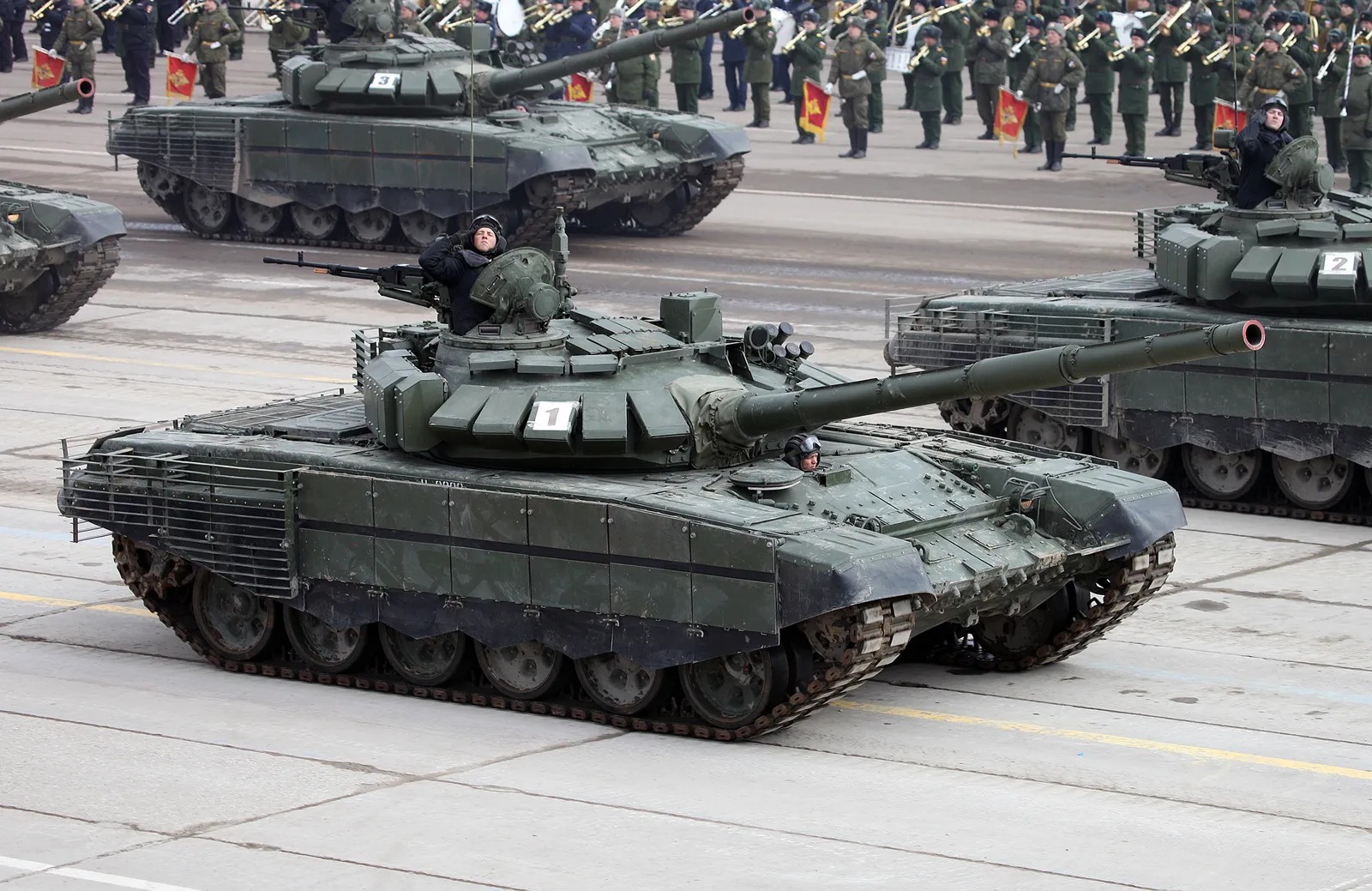
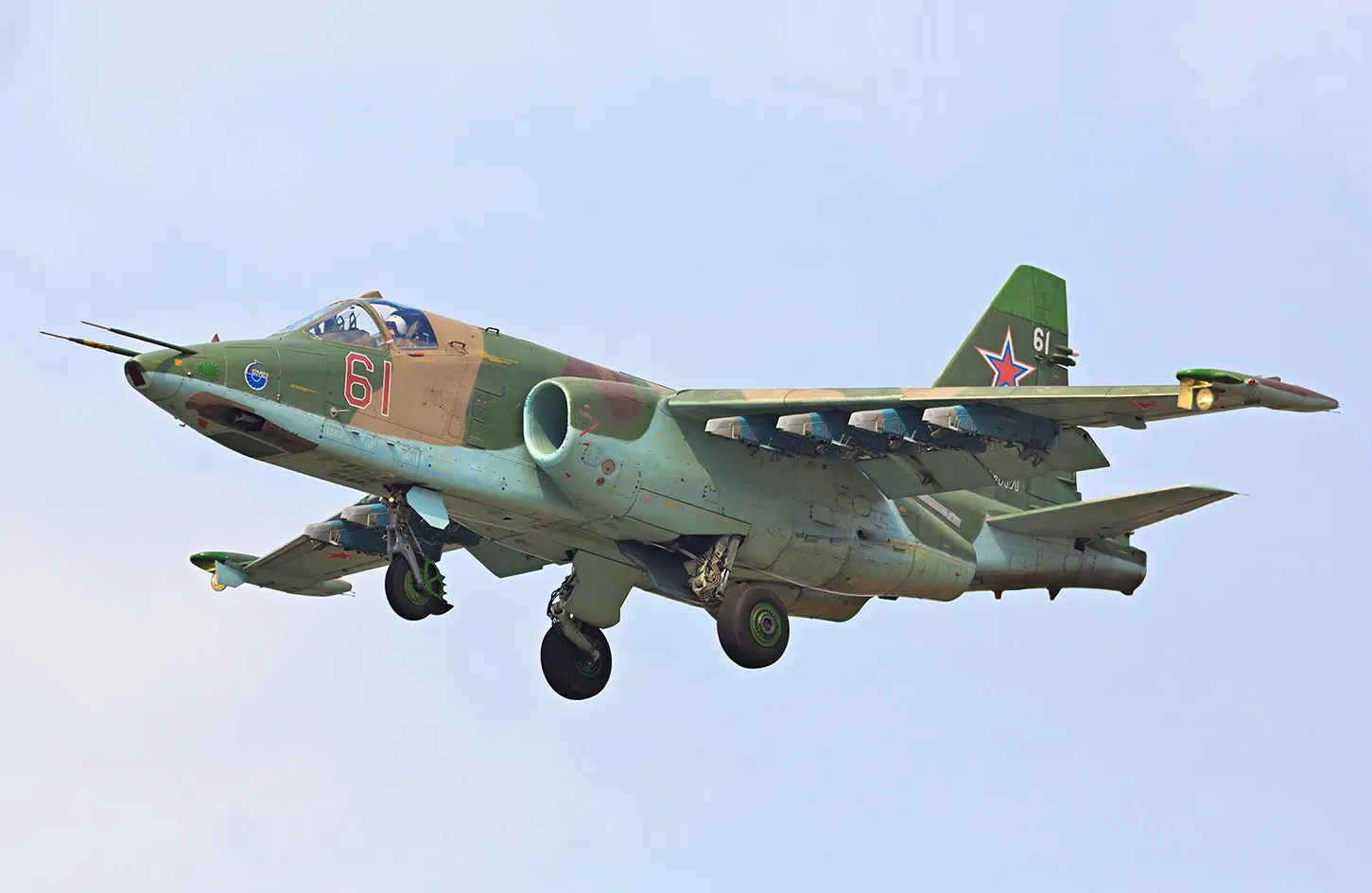
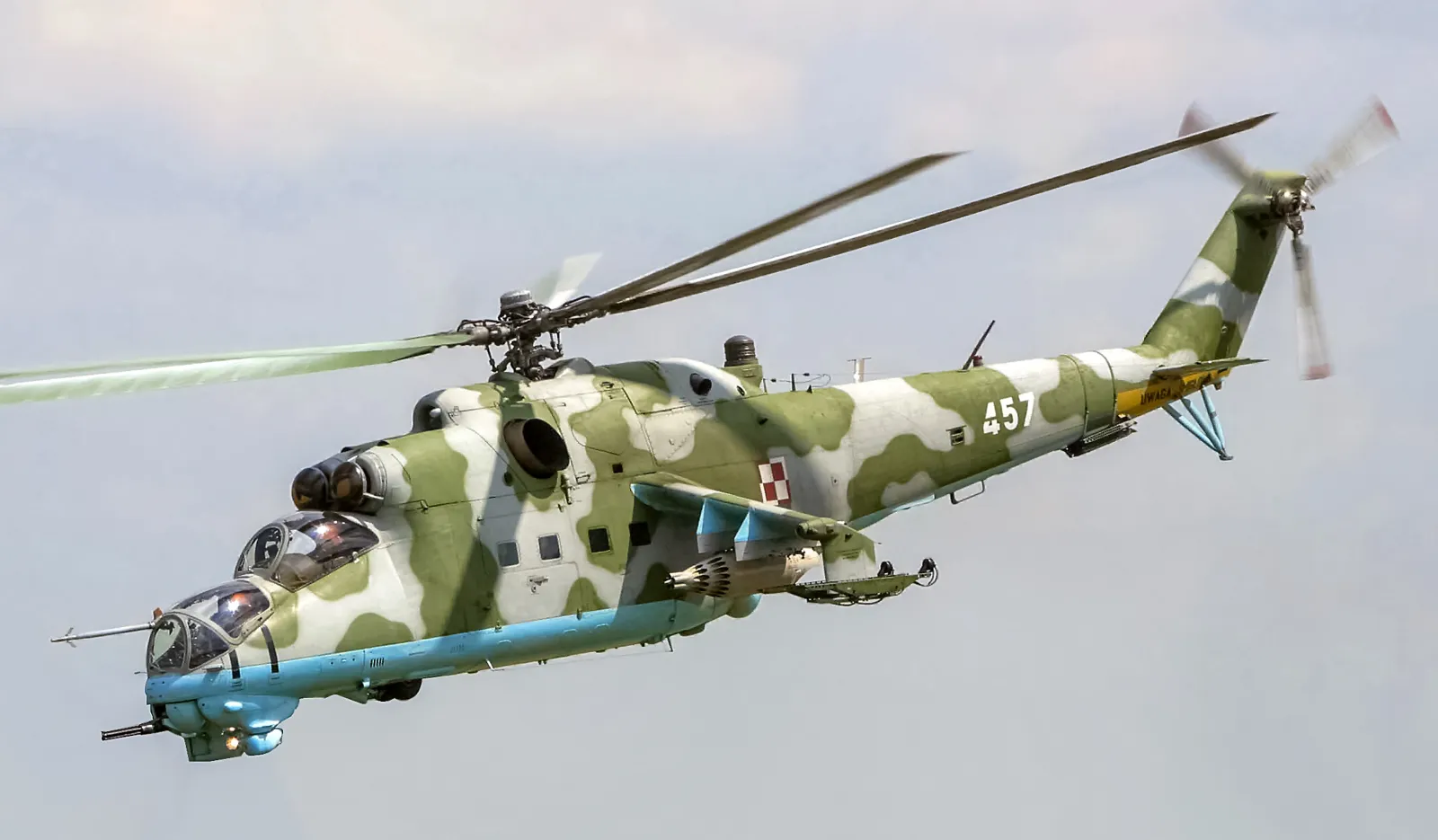
The inventory’s core rests on Soviet- and Russian-origin systems: Su-27 and MiG-23BN fighters, Su-25 attack aircraft, Mi-24/35 attack helicopters and T-72 and T-62 tanks. In recent years, however, the defining feature has been a rapid shift toward unmanned aircraft. The procurement of UAVs such as the Bayraktar TB2 from Turkey, the Wing Loong from China and the Mohajer-6 from Iran transformed Ethiopia’s air power in a short time.
Land Forces Inventory
| System type | Est. quantity |
|---|---|
| Main battle tanks (T-72, T-62, T-55, Type 59/69) | ≈ 400 |
| Armoured fighting vehicles (BMP-1, BTR-60/152, Type 89) | ≈ 1.000 |
| Howitzers / self-propelled guns (2S19, D-30, M-46) | ≈ 500 |
| MLRS (BM-21 Grad, Type 63) | ≈ 180 |
Air Force Inventory
| Platform | Est. quantity |
|---|---|
| Total military aircraft | ≈ 90 |
| Fighters (Su-27, MiG-23BN, MiG-21) | ≈ 20 |
| Attack / trainer (Su-25, L-39, Diamond DA42) | ≈ 20 |
| Helicopters (Mi-24/35, Mi-8/17, Mi-6) | ≈ 40 |
Missile and Air-Defence Systems
| System | Type / Note |
|---|---|
| Bayraktar TB2 / Akinci (Turkish-origin) | Armed UAV — decisive role in the Tigray operation |
| S-125 Pechora / S-75 (SA-2, SA-3) | Medium-range air defence (ageing) |
| Pantsir-S1 (reported) | Short-range point air defence |
| MANPADS (Strela-2/3, Igla) and gun (ZU-23, S-60) | Very-short-range air defence |
Naval Power
| Class / Type | Est. quantity |
|---|---|
| Naval force status | Landlocked — effectively disbanded in 1996 |
| Symbolic navy (re-established 2019) | Cooperation with France; no operational vessels |
| Frigates / corvettes | None |
| Submarines | None |
The Turkey Angle: Turkish Defence Industry
Ethiopia represents one of the most tangible and strategic examples of cooperation for Turkey’s defence industry in Africa. The two countries signed a military cooperation agreement in August 2021, and shortly afterward Bayraktar TB2 armed UAVs entered Ethiopia’s inventory. These platforms delivered a genuine, conflict-shifting capability widely reported to have been used in the operations that halted the advance of Tigray forces toward the capital Addis Ababa in late 2021 and early 2022.
The TB2’s battlefield impact made Turkey a lasting actor in Ethiopia’s procurement strategy, with reported interest in the heavier Akinci strike UAV. Ethiopia’s vast, rugged geography, border-security needs and limited air-defence infrastructure offer a benchmark use case for ASELSAN’s electro-optical and radar systems and Roketsan’s guided munitions. Carrying no political export restrictions, the Turkish industry is positioned as an accessible option for Ethiopia in a market where Western suppliers have been hesitant.
Frequently Asked Questions
What is Ethiopia’s main fighter jet? The Ethiopian Air Force’s most capable fighter is the Russian-origin Su-27; the inventory also includes MiG-23BN and ageing MiG-21 fighters along with Su-25 attack aircraft. The country is known for having used its Su-27s in air combat during its war with Eritrea.
Does Ethiopia have defence cooperation with Turkey? Yes. The two countries signed a military cooperation agreement in August 2021, after which Ethiopia took delivery of Bayraktar TB2 armed UAVs, reportedly using them in the Tigray conflict. Turkey is among Ethiopia’s leading defence suppliers.
Does Ethiopia have a navy? Ethiopia is a landlocked country and lost its coastline when Eritrea became independent in 1993; its naval force was effectively disbanded in 1996. Although a symbolic navy was re-established in 2019 with French support, it has no operationally capable fleet of vessels.
Bottom Line
Ethiopia fields a large, battle-tested military and is rapidly modernizing its Soviet/Russian-origin core with unmanned aircraft. The decisive role of the Bayraktar TB2 in the Tigray operation establishes a tangible, combat-proven link to Turkey’s defence industry with clear growth potential. Its landlocked position concentrates the country’s strength in its land and air forces.