S-400 Deliveries & Inventory: Which Countries Operate It, Why Did Türkiye Buy It? (2026)
Summary Not Found.
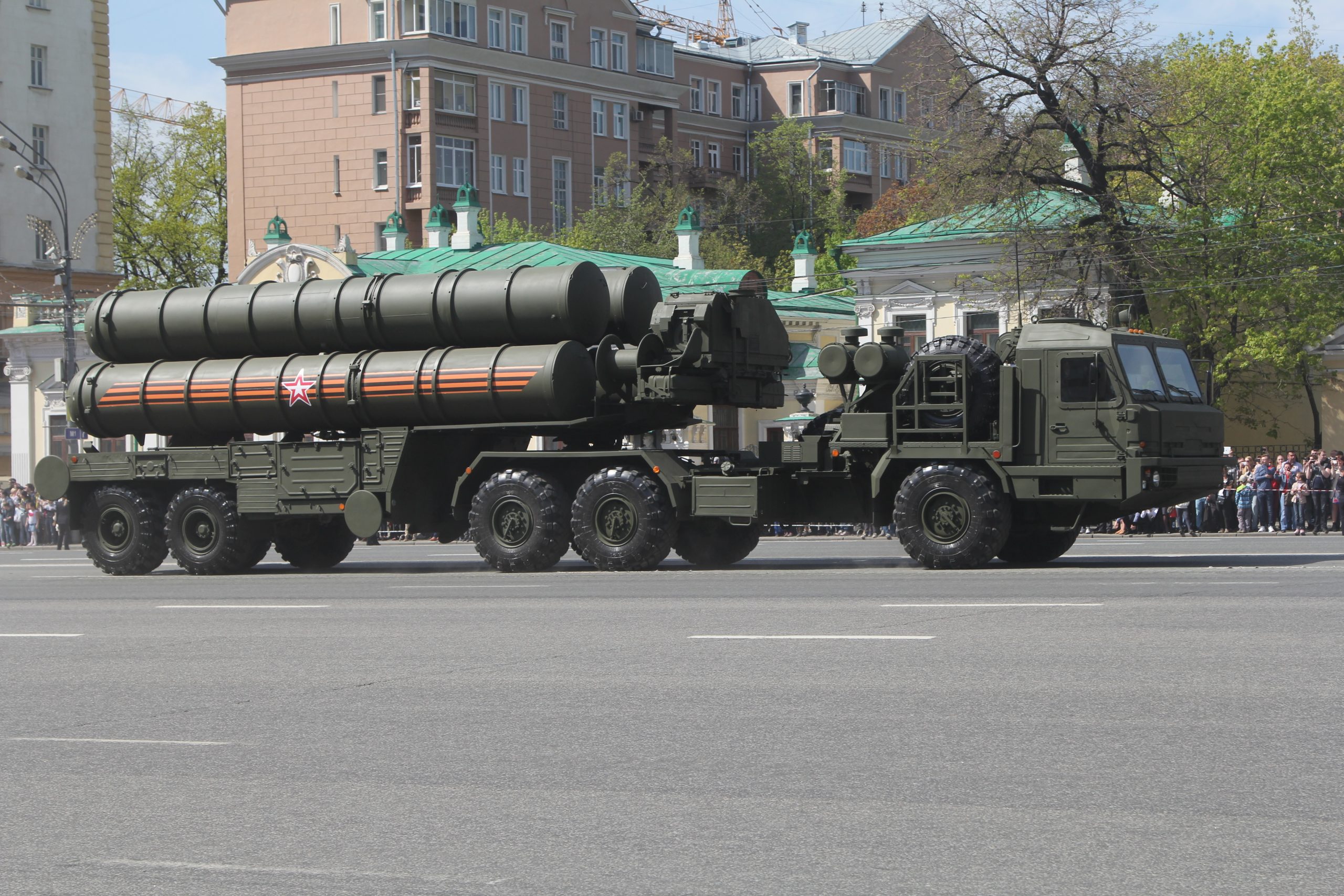
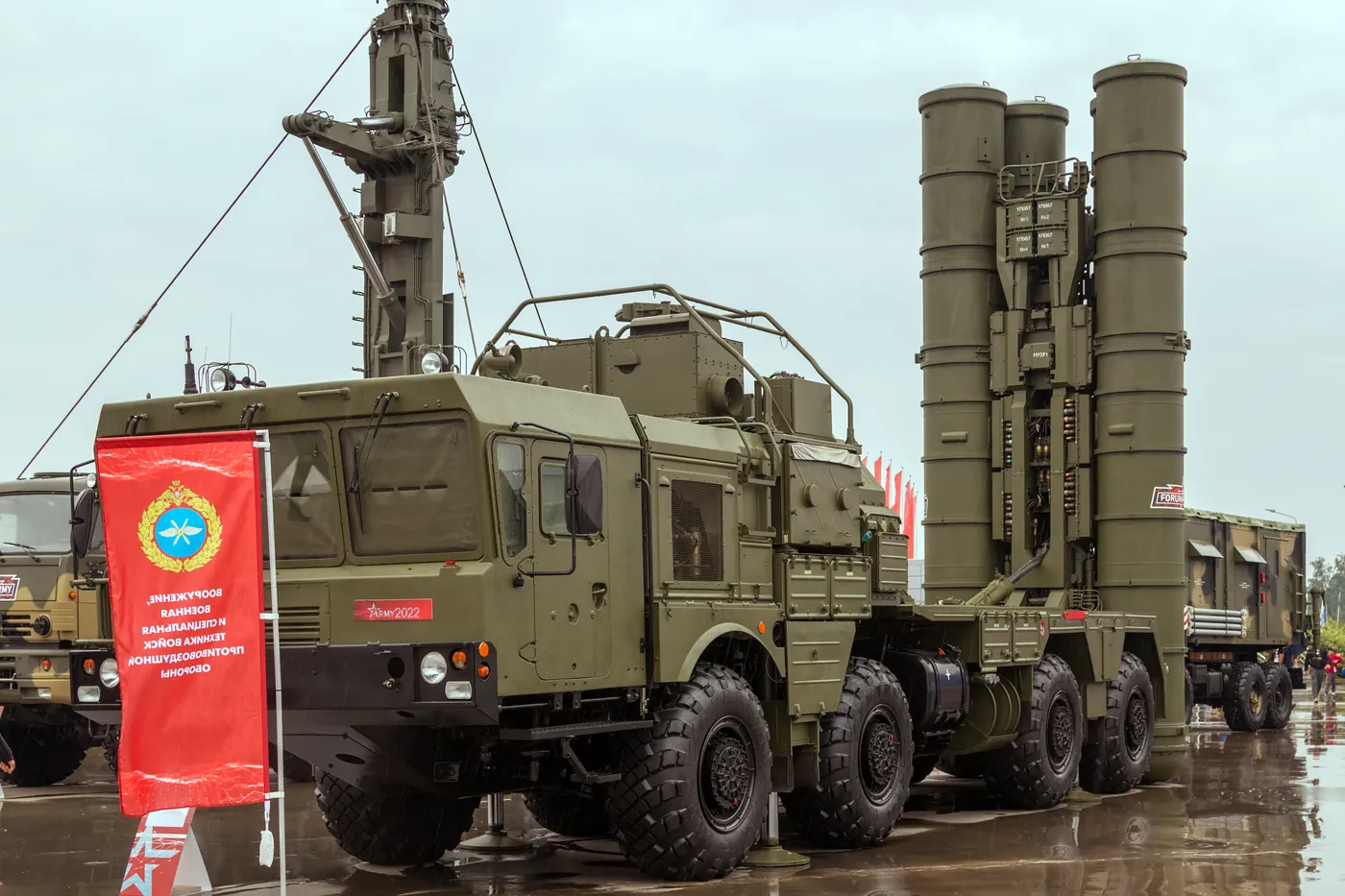
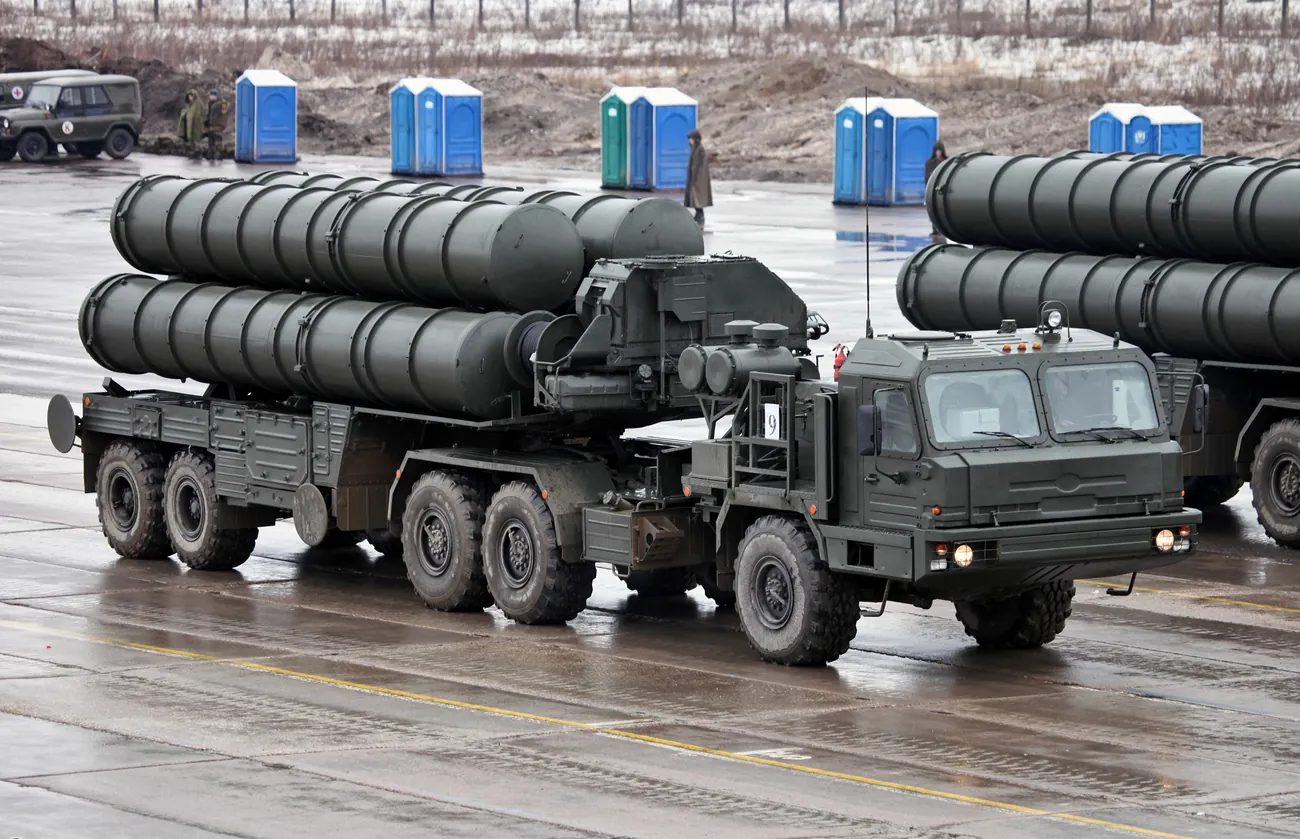
S-400 Triumf air defense system launchers. Source: Wikimedia Commons (CC BY 4.0).
S-400 Triumf (NATO: SA-21 Growler) is a long-range mobile air and missile defense system built by Russia’s Almaz-Antey. With a range up to 400 km depending on the missile, it is operated by Russia, China, India, Türkiye, Belarus and Algeria. This dossier compiles which countries operate it, its delivery timeline, its relationship with Türkiye and technical data from open sources.
The S-400 became Türkiye’s most critical defense topic of recent years: its purchase sits at the center of a chain leading to Türkiye’s expulsion from the F-35 program, CAATSA sanctions, and ultimately the development of the indigenous SİPER.
400 km
Max range (40N6)
6 countries
Operators
Türkiye
~$2.5bn (Jul 2019) → F-35 crisis
SİPER
Indigenous equivalent
Contents: Tap each heading to expand — what the S-400 is, which countries, range/missiles, Türkiye and the S-400 (F-35/CAATSA), missile families, timeline, specs, SİPER/Patriot comparison, manufacturer.
What is the S-400?
The S-400 is a mobile, multi-channel air defense system providing area defense against aircraft, cruise missiles and ballistic missiles at low and high altitude. Using four different missile types at different ranges, it is one of the few systems able to provide layered defense from a single battery.
Entering Russian service in 2007, it is an evolution of the S-300 family and Russia’s most advanced export air defense system. Its long range and mobility make the S-400 both a deterrent and a geopolitical card.
Which countries operate it?
The S-400 has a limited but strategic export network. The table summarises operators per open sources.
Country
Units / Status
Note
Russia
Largest (many regiments)
Producer; heavy use in the Ukraine war
China
6 regiments (first export)
Ordered 2014, delivered from 2018
India
5 systems (~$5.4bn)
2018 deal, delivered from 2021
Türkiye
2 systems / 4 batteries (~$2.5bn)
Delivered Jul 2019; F-35 crisis
Belarus
various
Integrated with Russia
Algeria
per open sources
North Africa
China was the first export customer, while India signed the largest export deal. Türkiye’s purchase made headlines more for its geopolitical than technical consequences.
Range, missiles and capability
The S-400’s strength is using four missile types in one system: the very-long-range 40N6 (400 km), the long-range 48N6 series (200-250 km) and the shorter-range 9M96 (40-120 km). This makes it flexible against both high-altitude aircraft and incoming missiles.
The system can track 36 targets and guide 72 missiles simultaneously. Its powerful radars and mobility position it as a reference modern air defense system; however, the lack of integration with Western platforms is a key limitation.
Türkiye and the S-400: purchase, the F-35 crisis and CAATSA
After Patriot purchase talks with the US failed over technology transfer and cost, Türkiye signed a ~$2.5bn S-400 contract with Russia in December 2017. The first shipment was received on 12 July 2019.
Right after, on 17 July 2019, the US removed Türkiye from the F-35 program; Türkiye’s ~$1.4bn paid and six built jets were left in limbo. CAATSA sanctions targeting the Defense Industries Agency followed in December 2020. Türkiye declared the S-400 fully operational in November 2022; the system was not integrated into NATO. This crisis was one of the biggest drivers pushing Türkiye to develop the indigenous SİPER long-range air defense system.
The S-400 is in the same long-range class as its Western peer the Patriot and Türkiye’s indigenous SİPER. While the S-400’s longest-range missile (400 km) stands out on paper, its inability to integrate with NATO infrastructure is an operational limitation for Türkiye.
SİPER overcomes this by being fully indigenous and integrated into the Steel Dome network. Türkiye’s S-400 experience — intra-alliance friction and the integration problem — clearly showed why indigenous long-range air defense is strategic.
Manufacturer: Almaz-Antey
The S-400 is built by the Russian state firm Almaz-Antey, which also produces the S-300 and the new-generation S-500. The S-400 is one of the flagships of Russia’s defense exports.
While it gives buyers a powerful air-defense capability, operating it alongside Western platforms (like the F-35) raises serious political and technical problems. This dilemma has turned the S-400 from a weapon system into a foreign-policy issue.
Significance
Beyond being one of the most capable modern air-defense systems, the S-400 represents a geopolitical choice for buyers. Türkiye’s case is the starkest proof of how that choice can reshape alliance relations.
For Türkiye, the S-400 is both a strong air-defense capability and a turning point that opened the road to the indigenous SİPER. This dossier documents the event at the center of Türkiye’s quest for air-defense independence.
Frequently Asked Questions
Which countries operate the S-400?
Besides Russia: China, India, Türkiye, Belarus and (per open sources) Algeria. China was the first export customer and India one of the largest export buyers.
Why did Türkiye buy the S-400?
After Patriot purchase talks with the US failed over technology transfer and cost, Türkiye signed a ~$2.5bn S-400 contract with Russia in December 2017, with first delivery in July 2019.
What is the link between the S-400 and the F-35?
Right after Türkiye received the S-400, on 17 July 2019 the US removed Türkiye from the F-35 program, citing that the S-400’s radar could compromise the F-35’s stealth; CAATSA sanctions followed in December 2020.
What is the S-400’s range?
Depending on missile type, the S-400 ranges from 40 to 400 km and up to 30 km in altitude; its longest-range 40N6 missile reaches 400 km.
Are Türkiye’s S-400s active?
Türkiye declared the S-400 fully operational in November 2022. However, it was not integrated into NATO air defense, and its use remains a point of friction with the US.
What is the Turkish equivalent of the S-400?
Türkiye’s indigenous long-range air defense system SİPER is in the S-400/Patriot class; first delivered in 2025 and operational in 2026. The S-400 crisis was one of the drivers accelerating SİPER.