Lockheed Weighs European Production of PAC-3 Interceptors as Germany Talks Advance

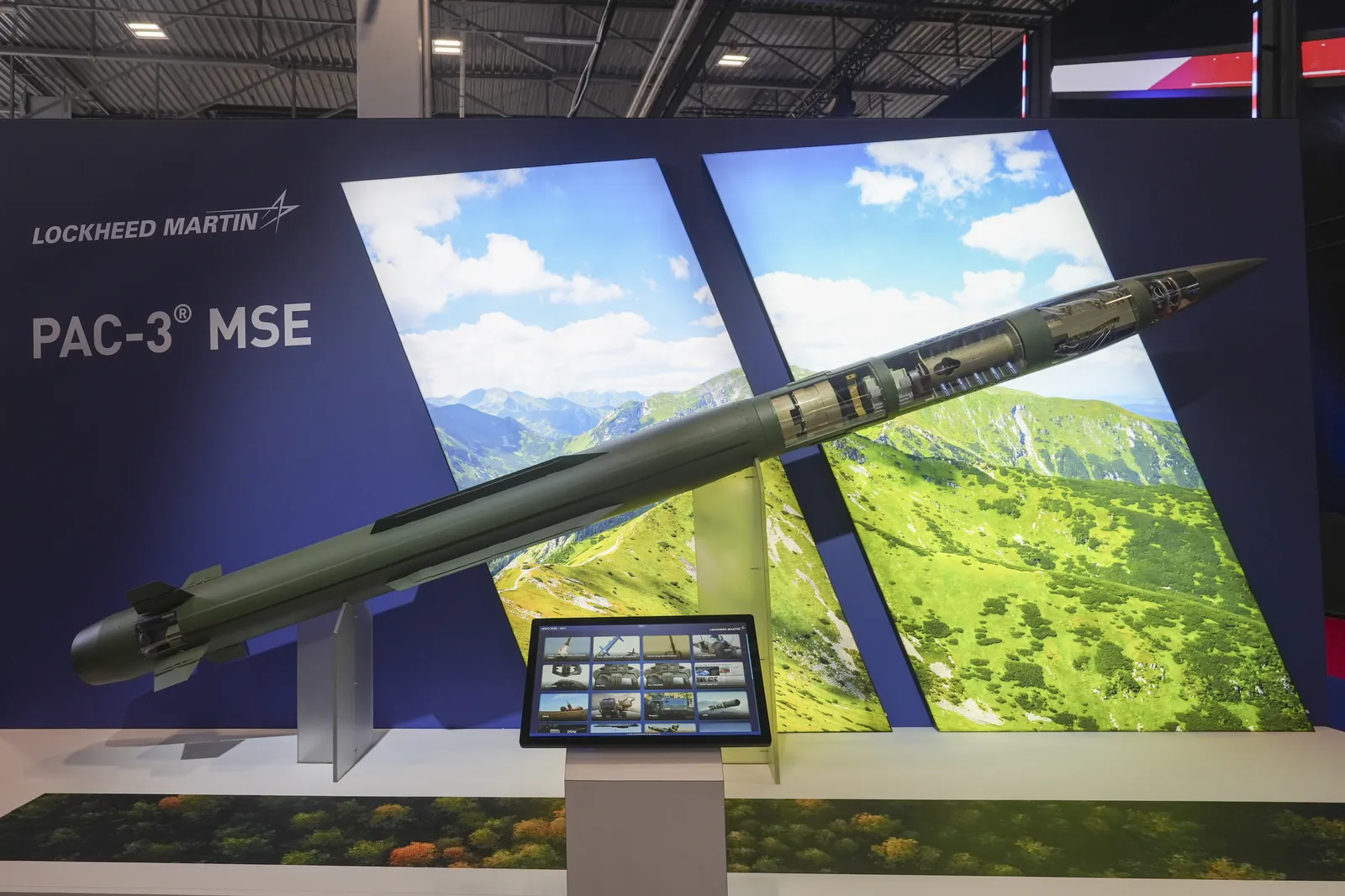
The US defense contractor is exploring a manufacturing partnership with Diehl Defence for a possible facility in Brandenburg, a move that could shift part of the Patriot interceptor supply chain onto European soil.
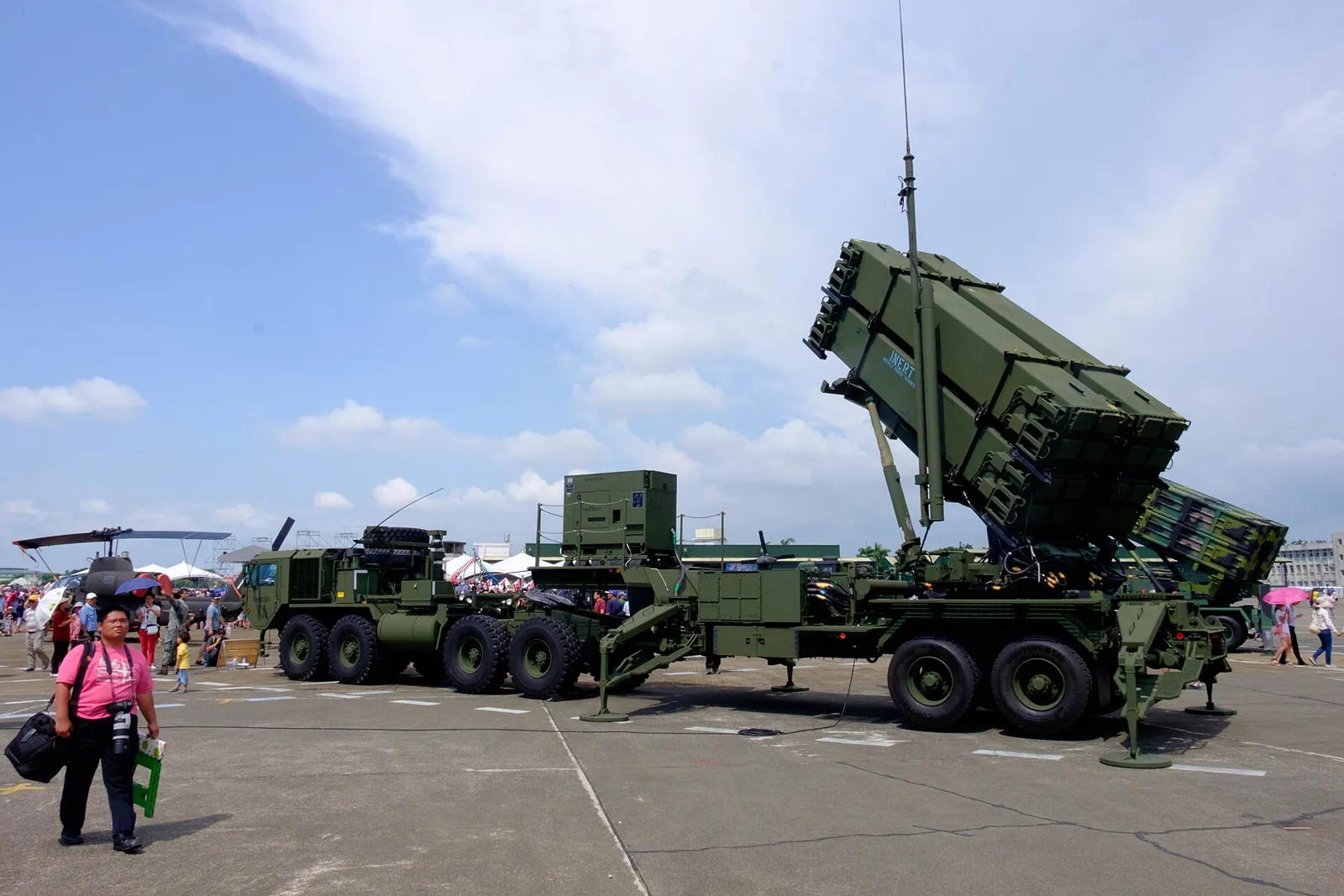
Lockheed Martin is evaluating new European manufacturing partnerships for the PAC-3 interceptor, the strike component of the Patriot air-defense system. Jason Reynolds, the company’s vice president for integrated air and missile defense, said on October 13 that talks have gained momentum amid rising demand from Ukraine.
“From a PAC-3 perspective, we’re absolutely willing to talk to Ukraine,” Reynolds said. The remarks follow statements from Ukrainian officials that the US administration gave political approval for Kyiv to pursue domestic production of Patriot interceptors.
Washington has not yet decided whether any Ukraine-related production effort would center on Raytheon’s PAC-2 or Lockheed’s PAC-3. Reynolds suggested Ukraine could start with the cheaper ACE variant, aimed at simpler threats, rather than the longer-range MSE version.
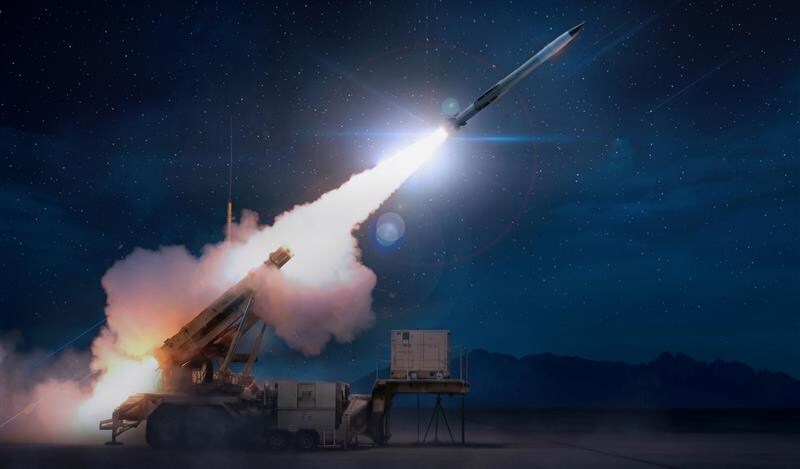
Lockheed prefers building new capacity in safe countries near Ukraine rather than inside the country itself, given the risk of Russian strikes. “Can we build a factory that’s survivable in a war zone?” Reynolds asked, framing the company’s caution about placing production too close to the front.
Germany has offered to host part of that production. Lockheed is considering deepening its partnership with Diehl Defence, with which it signed a memorandum of understanding in October 2025 to expand the PAC-3 MSE supply chain. Diehl confirmed that consultations are ongoing, and a new facility is reportedly planned in Lübben, in the state of Brandenburg.
Reynolds was careful to note that the decision does not rest with Lockheed alone. “We at Lockheed don’t have the authority to just build factories wherever we want,” he said, pointing to the US government’s final say over where sensitive Patriot technology can be produced abroad.
The initiative sits within a broader capacity expansion. Lockheed is investing close to $9 billion through 2030 to raise PAC-3 MSE output toward 650 missiles a year in the near term, with a path to roughly 750 annually by 2027. The October 2025 Diehl agreement builds on existing component-production arrangements with Poland’s WZE and Spain’s Sener and Oesía-Tecnobit.
The Germany option is distinct from an earlier, narrower deal. In July 2026, the United States, Germany, the Netherlands, Poland and Sweden signed a government-to-government agreement at the NATO Summit Defense Industry Forum to explore a regional PAC-3 maintenance and sustainment facility in Europe — a step focused on upkeep rather than new-build production.
Turkey does not operate the Patriot system, relying instead on its indigenous SİPER and Hisar air-defense families. Still, any shift of interceptor production toward Europe affects the alliance’s broader industrial map, feeding into NATO-wide debates over how quickly allies can replenish air-defense stocks consumed by the war in Ukraine.
No binding contract has been signed. The Lockheed-Diehl discussions remain at a technical and political evaluation stage, pending the US government clearance required before any production decision can move forward.
Sources
- Defense News, “Lockheed eyes fresh PAC-3 interceptor production options for Ukraine, Europe,” October 13, 2026 — primary source for Reynolds’ remarks and the Germany/Diehl talks.
- Reuters (via Internazionale), “US plans PAC-3 missile maintenance facility in Europe,” July 7, 2026 — used to confirm the earlier government-to-government sustainment agreement.
- Lockheed Martin press release, “Lockheed Martin and Diehl Defence to Expand PAC-3 MSE Global Supply Chain,” October 14, 2025 — used to confirm the origin and scope of the Diehl partnership.