Kongsberg Wins $404 Million USMC Framework Deal for NSM: NMESIS Production Line Secured Through 2034

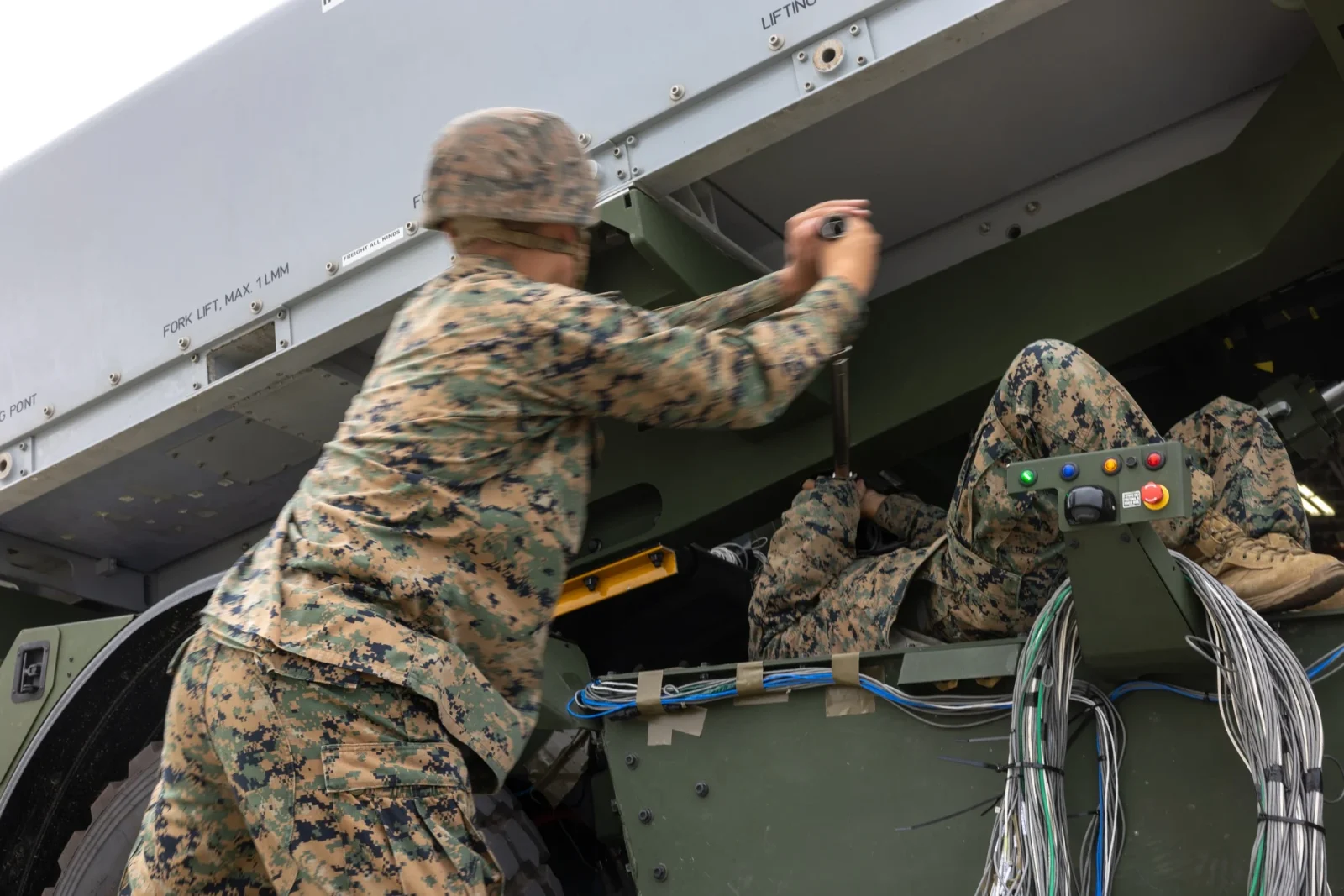
Quick take: Norwegian defense company Kongsberg announced on September 28, 2026, that it had signed a framework agreement with the US Marine Corps (USMC) worth up to $404 million for the production and sustainment of Naval Strike Missile (NSM) launcher units, weapon control systems and associated support equipment. The agreement covers potential deliveries running through September 24, 2034.
A Framework, Not a Firm Order
According to Kongsberg, the $404 million figure is not a guaranteed order total. Under the framework agreement, the Marine Corps will issue individual call-offs over time, and Kongsberg says it plans to announce order intake separately as those calls are placed.
Work will be split between Kongsberg’s facilities in Norway (85 percent) and a site in Johnstown, Pennsylvania (15 percent) — a split that shows part of NSM production is now woven into the US domestic supply chain.
The NMESIS Connection
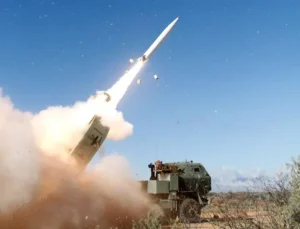
The agreement is tied directly to the Marine Corps’ Navy/Marine Expeditionary Ship Interdiction System (NMESIS) program. In that configuration, NSM serves as the missile component of a land-based, mobile anti-ship capability that underpins the Corps’ distributed maritime operations concept.
NMESIS pairs the NSM launcher with an unmanned tactical vehicle — the JLTV-based ROGUE-Fires platform. The system became operational in 2021, and Marine units have continued exercising with it across the Indo-Pacific.
NSM’s Growing NATO Footprint
NSM already underpins Poland’s coastal-defense architecture, in service there since 2008, and other NATO members such as Latvia have placed their own orders for NSM-based coastal defense. The USMC framework agreement locks in a long-term production and sustainment line for the missile’s single largest user within NATO’s broader orbit, the United States military.
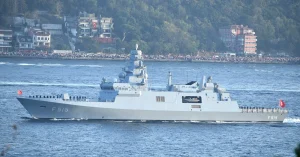
Turkey’s own ATMACA anti-ship missile and Roketsan’s ÇAKIR cruise missile compete in a similar market segment; the expansion of NSM’s production scale in the US and NATO underscores how one of the benchmark systems in that segment continues to grow.
Why It Matters
The framework agreement functions less as a single weapons test and more as an industrial-capacity decision. A timeline stretching to 2034 gives Kongsberg long-horizon production planning for its NSM/NMESIS line in the US market.
That positions NSM not merely as one product among several in the anti-ship missile market, but as a supply commitment underpinning the backbone of the Marine Corps’ distributed maritime operations concept.
Sources
- Naval News, “Kongsberg Signs $404 Million Framework Agreement for USMC NSM Equipment,” September 28, 2026, navalnews.com — used for contract value, scope and the NMESIS link.
- Army Recognition, “U.S. Marines Expand NMESIS Anti-Ship Missile Force With $404M Kongsberg Award,” September 28, 2026, armyrecognition.com — used for NMESIS system structure and its doctrinal role.
- ClearanceJobs, “Kongsberg Wins $404M Contract for Naval Strike Missile Systems,” September 27, 2026, news.clearancejobs.com — used for the Norway/Pennsylvania work split and the framework nature of the deal.