


Germany Ditches F126, Approves €6.3B for MEKO A-200 Frigates


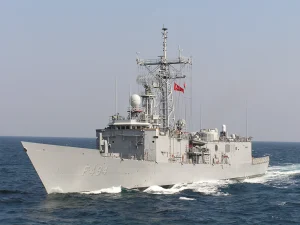
Germany has parted ways with one of its most troubled naval projects in years: the Bundestag Budget Committee approved €6.3 billion to procure four MEKO A-200 DEU frigates from TKMS.
Officially designated the F128 class, the ships are being fielded as an accelerated buy to fill the gap left by the cancelled F126 programme, with a conditional option for four more vessels kept on the table pending parliamentary approval.
Behind the pivot lies a heavy cost and delivery crisis. The six-ship F126 programme, planned at about €10 billion, had run aground on prime-contractor performance issues, delays and cost disputes; the need to replace the contractor pushed projections beyond €18 billion. Rather than rescue a sinking programme, Germany turned to a more mature, export-proven design.
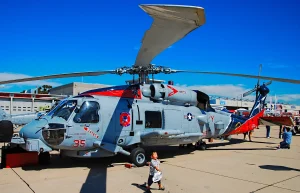
The new frigates will be roughly 4,000-tonne ships optimised for anti-submarine warfare (ASW). That emphasis is no accident: rising Russian submarine activity in the Atlantic and North Sea has sharpened NATO’s need to track and deter the undersea threat on its European flank. The first ship is due for delivery in December 2029.
The approval is not unconditional. Citing a cost increase of up to 70 percent over initial plans, the Budget Committee attached conditions and demanded to be kept fully informed at every stage — a reflection of the tighter parliamentary scrutiny now visible in German defence procurement.
Why does this matter? Europe’s largest economy scrapping a troubled programme for a mature design is a strong signal about how competition and procurement risk management are taking shape in the continental frigate market. For NATO the outcome is clear: the gap in Atlantic ASW capacity is being filled faster than planned.