Mystery Buyer Locks In 11 F-35s — and No One’s Saying Who

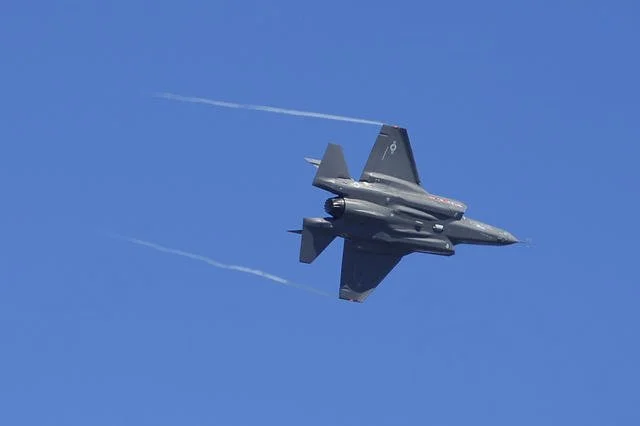
Someone is buying 11 F-35s. The US government just made that financially certain. What they haven’t done — and almost certainly won’t do anytime soon — is say who. On June 9, 2026, the US Navy awarded Lockheed Martin a $154 million contract for long-lead components covering 11 F-35 Joint Strike Fighters. The buyer was listed as a foreign military sale customer. No nation was named. That’s not an oversight — that’s policy.
What Long-Lead Really Means
Long-lead procurement is the defense acquisition world’s version of a non-refundable deposit. By the time governments announce a formal purchase publicly, long-lead components are often already in production. The June 9 contract means whoever the buyer is, the deal is effectively done. This is also how allies with politically sensitive defense relationships manage optics.
The Shortlist
| Nation | Variant | Quantity Sought | Status |
|---|---|---|---|
| Singapore | F-35B (STOVL) | ~8–12 (initial tranche) | LOA signed 2022; historically quiet on FMS timelines |
| Greece | F-35A | 20+ | Government approval secured |
| Romania | F-35A | 32 | Cabinet approval 2024; Eastern flank NATO pressure |
| Czech Republic | F-35A | 24 | Selected over Gripen E in 2023 |
The Turkey Dimension
Turkey was removed from the F-35 program in 2019 after acquiring Russia’s S-400 air defense system. The gap left by that exclusion accelerated Ankara’s investment in the domestically developed KAAN fifth-generation fighter. Meanwhile, every new F-35 operator deepens the interoperability chasm between Turkey and its NATO allies. Whoever locked in those 11 jets on June 9 made a long-term strategic bet on the Western security architecture.