US Clears $292M AMRAAM Sale to South Korea: 70 AIM-120C-8s for F-35s and F-15Ks

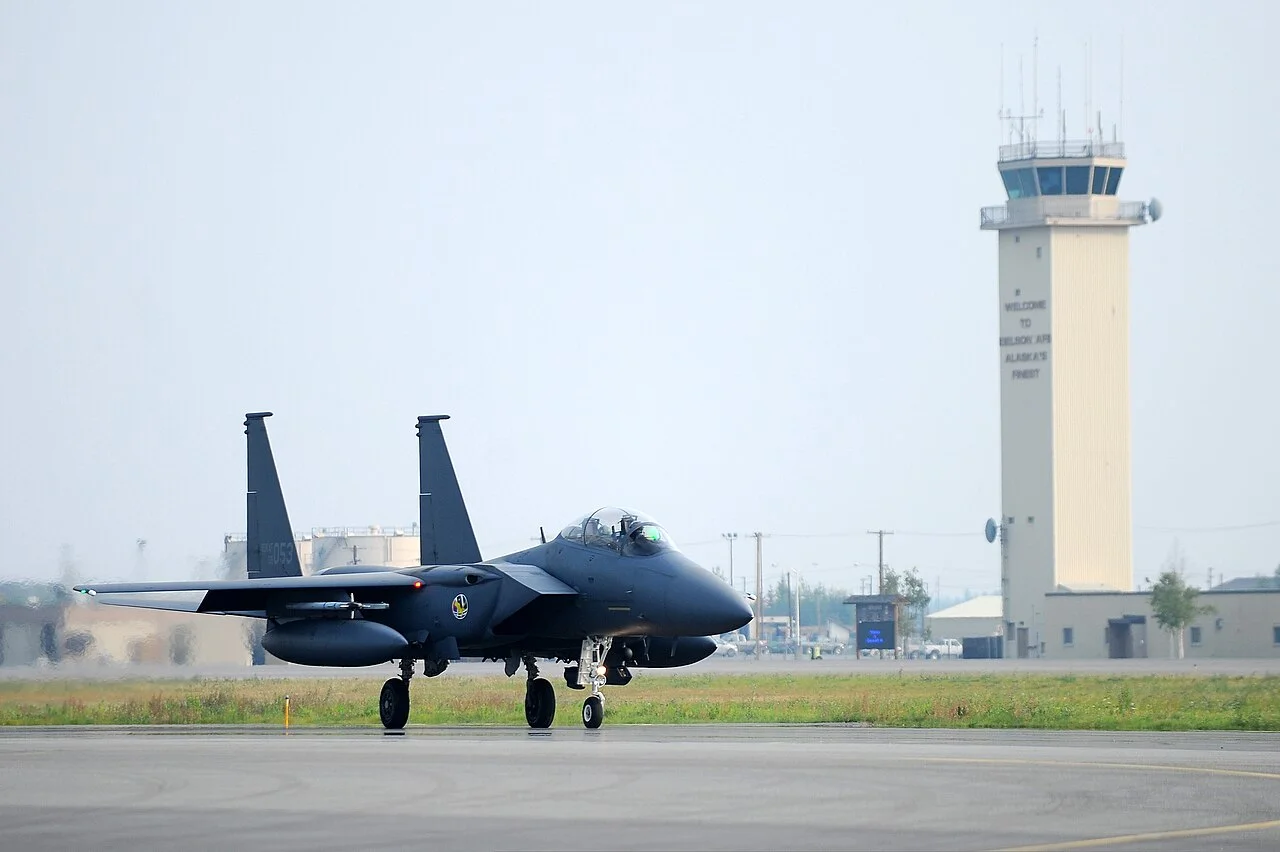
The approval moved through the government-to-government Foreign Military Sale process and has entered congressional notification, The Defense Post reported. The State Department notice says the sale will “strengthen South Korea’s air defense capability, deter aggression in the region, and ensure interoperability with US forces.” Per the official release, the package includes 70 missiles plus two AIM-120C-8 guidance sections.
- Approval: US State Department — FMS, congressional notification filed
- Package: 70 AIM-120C-8 + 2 guidance sections + containers, spares, logistics
- Value: ~$292 million (over $4M per missile, package-loaded)
- Platforms: F-35A Lightning II, F-15K Slam Eagle (KF-16 compatible)
- Contractor: RTX
- Context: Follows a $106M JDAM purchase
Background: The Global AMRAAM Queue
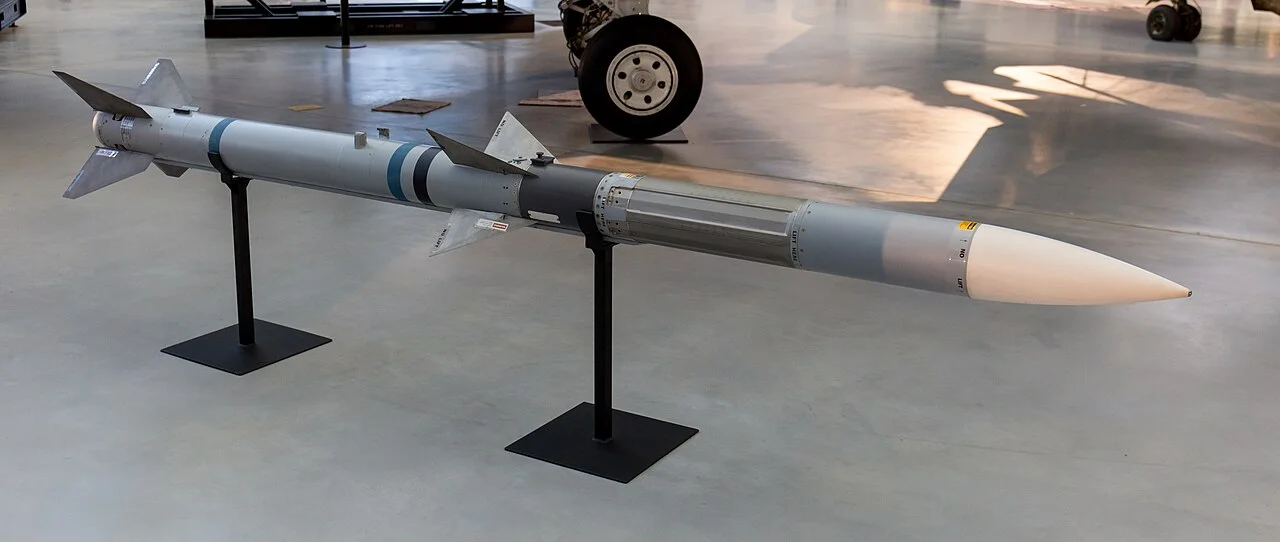
The AIM-120C-8 is the most modern AMRAAM configuration open to export customers, offering beyond-visual-range, fire-and-forget capability in all weather against aircraft, cruise missiles and drones. Demand is at record levels — Raytheon signed its largest-ever AMRAAM contract, worth $3.5 billion, in early June for customers from Japan to Ukraine. Seoul’s buy deepens its air defense magazine against North Korea’s missile and drone programs; Japan and Singapore field the same weapon.
The Details
| Parameter | Value |
|---|---|
| Missile | AIM-120C-8 AMRAAM (export variant) |
| Quantity | 70 + 2 guidance sections |
| Estimated value | $292 million |
| Capability | BVR, fire-and-forget, all-weather |
| Targets | Aircraft, cruise missiles, drones |
| Platforms | F-35A, F-15K (KF-16 compatible) |
Why It Matters for Turkey
This sale lays out, step by step, how import dependency works in beyond-visual-range weapons: Seoul defines the need, Washington sets price and schedule, Congress holds the veto. A package cost above $4 million per missile shows where the bargaining power sits. Turkey has crossed the critical threshold out of that equation: TÜBİTAK SAGE’s beyond-visual-range GÖKDOĞAN has completed guided test firings on its way to inventory, while the within-visual-range BOZDOĞAN is in serial production. Integrating both onto KAAN, Hürjet and the existing F-16 fleet means Turkish airpower can grow its missile magazine without third-party approval — and every FMS notice like this one makes the strategic value of being among the few countries with a domestic AMRAAM-class alternative freshly visible.
Frequently Asked Questions
Is the sale final?
What distinguishes the C-8 from the C-7?
Where does Turkey’s equivalent program stand?
Bottom Line
At $292 million the package is routine FMS business; the picture behind it is not — as the AMRAAM queue stretches from the Pacific to Europe, countries that build their own BVR missiles are buying independence from both the calendar and the negotiating table.