Bundeswehr Orders 60 Thales GO12 Radars: A Two-Soldier Sensor That Spots Drones

The contract covers the radars plus additional equipment, spare parts and user training, with the value undisclosed, Defence Industry Europe reported. Developed in Germany and built in Ditzingen, Baden-Württemberg, the GO12 already serves in 20 countries. German defense outlet ESUT reports all 60 systems will be handed over this year.
- Order: 60 GO12 radars — BAAINBw
- Delivery: Through November 2026, with training and spares
- Size: 28-liter sensor, two-soldier portable
- Capability: 360 degrees; vehicles and drones, all-weather
- Production: Ditzingen, Germany — fielded in 20 countries
- Growth: Thales Germany hiring 300 in 2026
Background: A Radar in the Infantry’s Pack
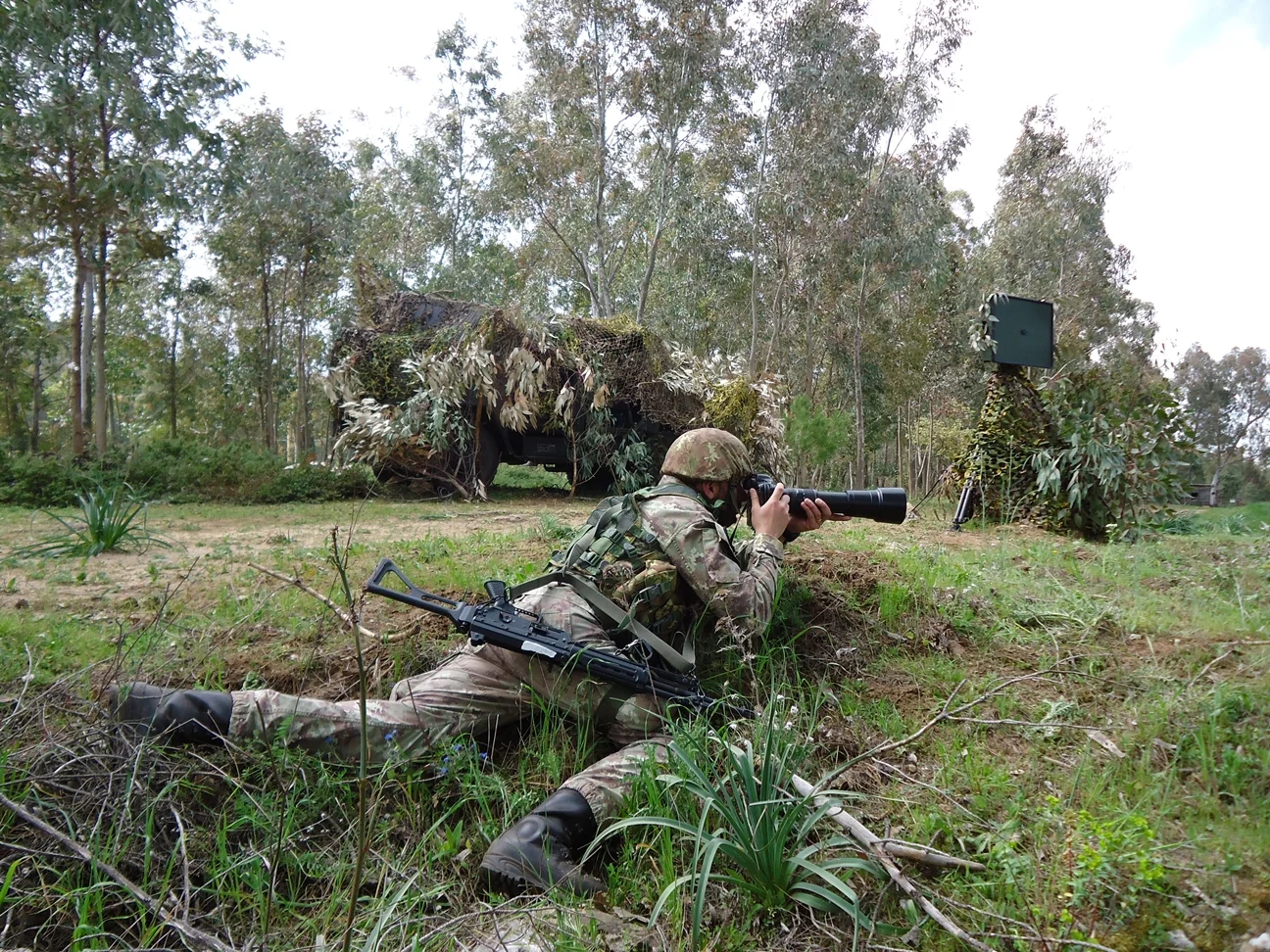
Unlike mast- or vehicle-mounted surveillance radars, the GO12 sits in the tactical infantry class: set up within minutes when a unit digs in, it takes over perimeter awareness electronically, working through rain, snow and fog where thermal optics run out of range. The buy answers the bluntest lesson of Ukraine — early detection of small, low-flying drones is a survival requirement at unit level.
The Details
| Parameter | Value |
|---|---|
| Quantity | 60 systems |
| Sensor volume | 28 liters — two-soldier carry |
| Coverage | 360 degrees |
| Targets | Vehicles, personnel movement, drones |
| Conditions | All-weather — rain, snow, fog |
| Schedule | Deliveries through November 2026 |
European Context
The order fits Germany’s push for sensor density at the tactical edge and runs on the same axis as NATO’s effort to close its low-altitude air picture gap — the alliance’s year-end push for a low-cost air surveillance architecture depends on exactly this class of networked sensor. Thales expanding Ditzingen and hiring 300 signals the demand is structural, not a one-off.
Why It Matters for Turkey
Man-portable surveillance radar is a class Turkish industry has mass-produced and combat-proven for years: Meteksan’s Retinar PTR family has logged thousands of hours on border security and critical-site protection, while ASELSAN’s ACAR and SERHAT cover the same mission at different scales. GO12 reaching 20 countries shows the size of the market — and as drone threats force every army toward low-altitude sensors, the cost and field-experience edge of Retinar-class Turkish systems opens a genuine export window against European competitors, especially with budget-constrained forces.
Frequently Asked Questions
What does the GO12 do?
Why 60 units now?
What are the Turkish equivalents?
Bottom Line
Sixty radars is not a mega-deal; its significance is one of Europe’s largest land forces standardizing “a radar for every company.” The low-altitude sensor market is growing — and Turkish producers hold strong cards in it.