France Orders Multi-Layer SAMP/T NG: VL MICA Joins Aster 30 in a Single Battery

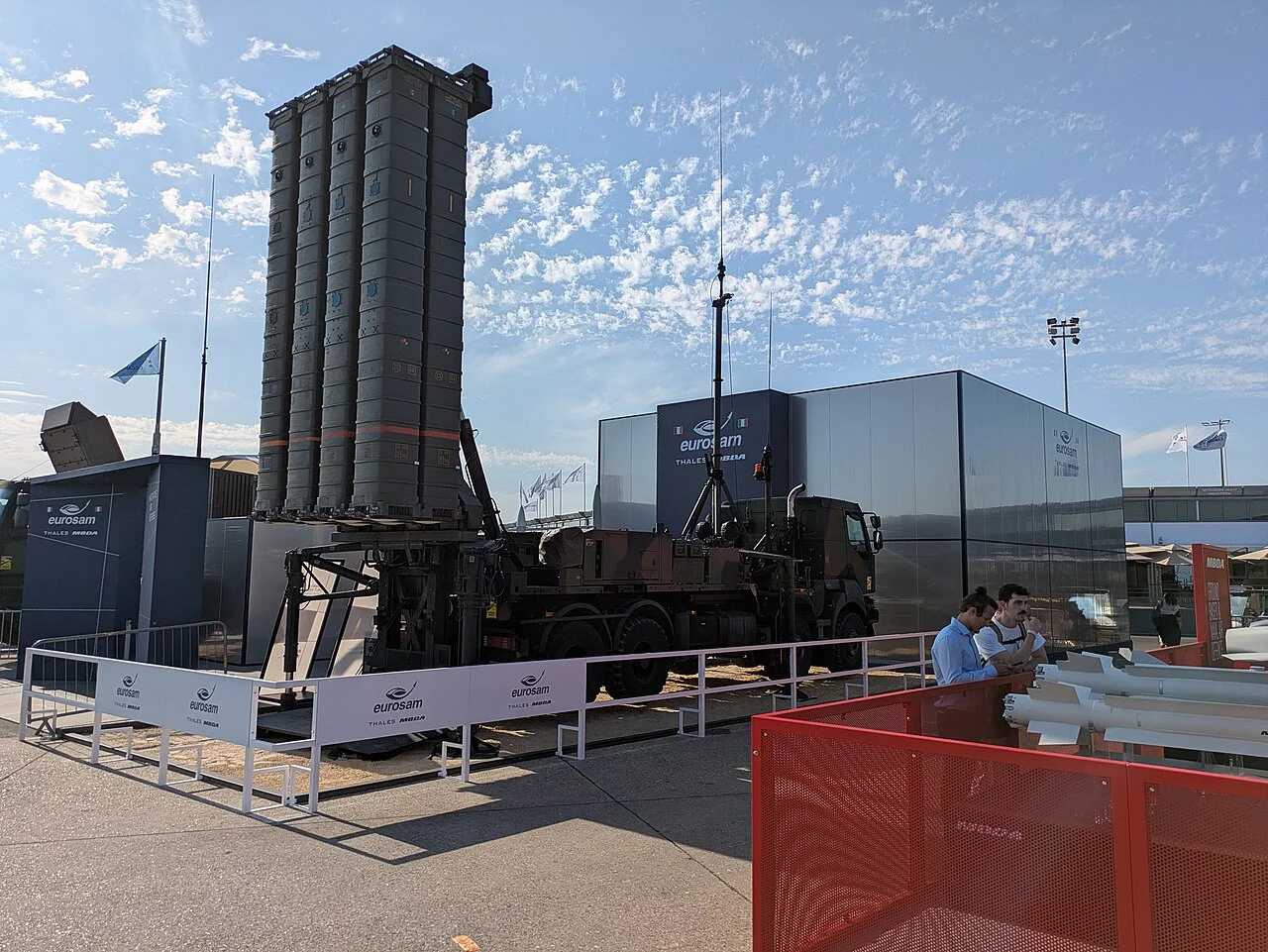
The contract — awarded to the MBDA-Thales joint venture Eurosam — covers hardware and software changes to the SAMP/T NG’s new-generation engagement module and Ground Fire 300 radar, folding the VL MICA engagement chain directly into the system’s command center, The Defense Post reported. According to Defence Industry Europe, the deal was signed via OCCAR on April 30 and disclosed on June 10. The multi-layer configuration supports up to six Aster launchers and six VL MICA launchers per battery.
- Contract: OCCAR (for DGA) → Eurosam (MBDA + Thales)
- Scope: VL MICA integration into the SAMP/T NG engagement chain
- Layers: Aster 30 B1NT beyond 150 km; VL MICA at 30-40 km
- Radar: Ground Fire 300 — 360-degree coverage, ~350 km detection
- Quantity/timeline: Eight multi-layer systems from 2030
- Driver: Saturation attacks, drones, cruise and tactical ballistic missiles
Background: One Missile Cannot Answer Every Threat
Ukraine has made the economics of air defense brutally clear: spending a long-range interceptor on a cheap one-way drone is technically feasible and financially absurd. France’s answer is a mixed battery that scales cost to threat — Aster for ballistic and high-value targets, VL MICA for low-flying drones and cruise missiles. The French defense ministry said the architecture delivers “optimised use of effectors” in an environment where the number and diversity of air threats keep growing.
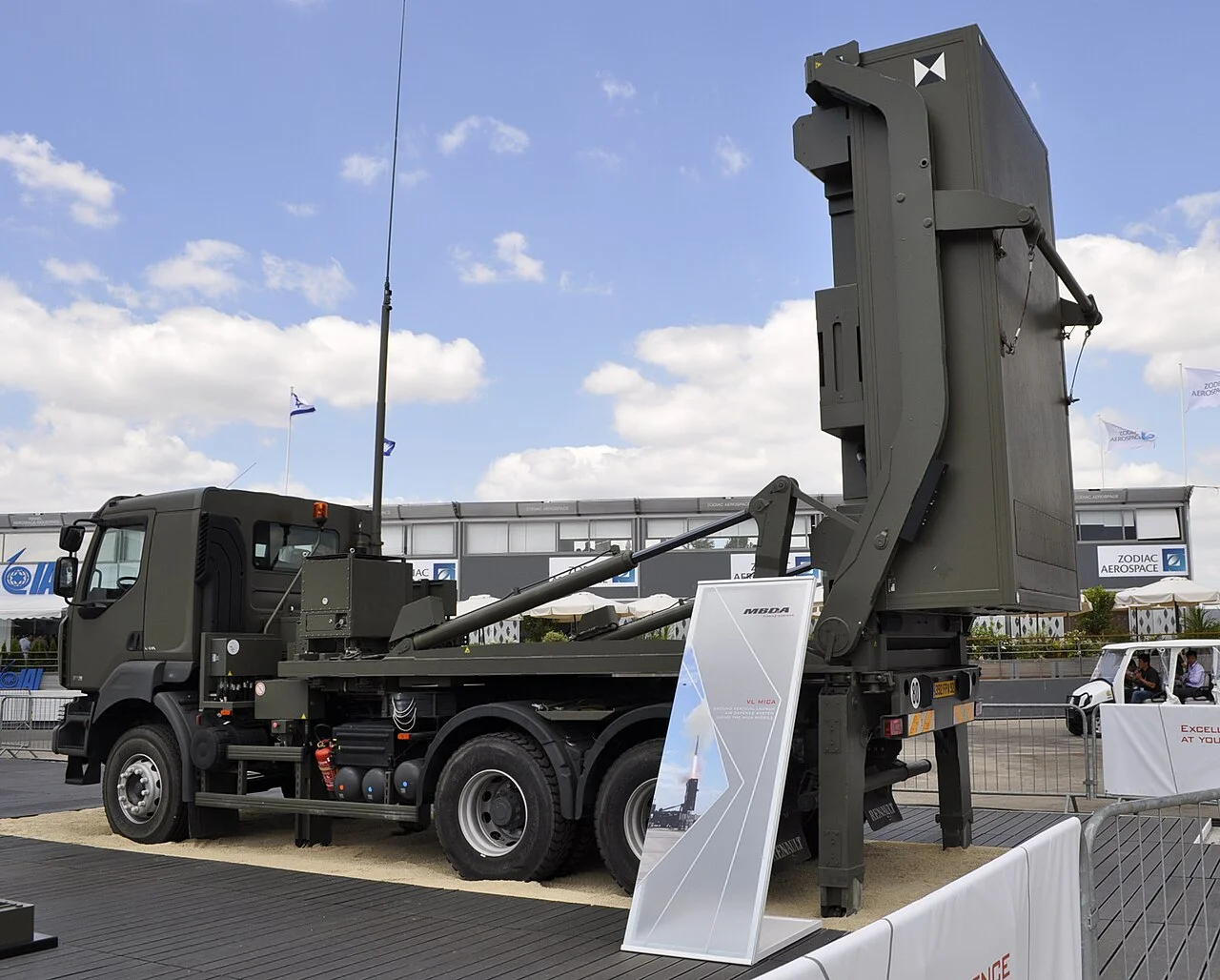
The Multi-Layer Architecture
| Component | Role | Capability |
|---|---|---|
| Aster 30 B1NT | Long range + ballistic missile defense | Engagements beyond 150 km |
| VL MICA | Short range, low altitude | 30-40 km; drones, cruise missiles, aircraft |
| Ground Fire 300 | Search and fire control radar | 360 degrees, ~350 km |
| ME NG engagement module | Command and control | Runs both missile families from one center |
France had previously ordered eight baseline SAMP/T NG systems with Aster 30 B1NT; the new contract evolves them into the multi-layer standard under the 2024-2030 military programming law.
Why It Matters for Turkey
The architecture France plans to field by 2030 mirrors what Turkey is building today under the Steel Dome concept: KORKUT and GÜRZ at the inner layer, HİSAR-O+ at medium range, SİPER for long-range cover — all tied into an indigenous command network by ASELSAN and HAVELSAN. The difference is sovereignty: Turkey’s layered shield is built end-to-end at home, from interceptors to radars to battle-management software, and SİPER’s 100-km-plus Block-1 is already entering service. That Europe’s most established air defense consortium will only reach mixed-battery capability in 2030 underlines how well-timed Turkey’s layered approach is — and makes the SİPER-HİSAR family a credible alternative for third countries shopping for the same architecture.
Frequently Asked Questions
Why add VL MICA to SAMP/T NG?
When will it be operational?
What is Turkey’s equivalent?
Bottom Line
The multi-layer SAMP/T NG formalizes Europe’s shift from single-system air defense to cost-scaled layered networks. A contract signed quietly in late April and revealed in mid-June says much about how urgent Paris considers the capability.