US Destroyer Hits Iran with Tomahawks as Tehran Declares Strait of Hormuz ‘Closed to All Vessels’
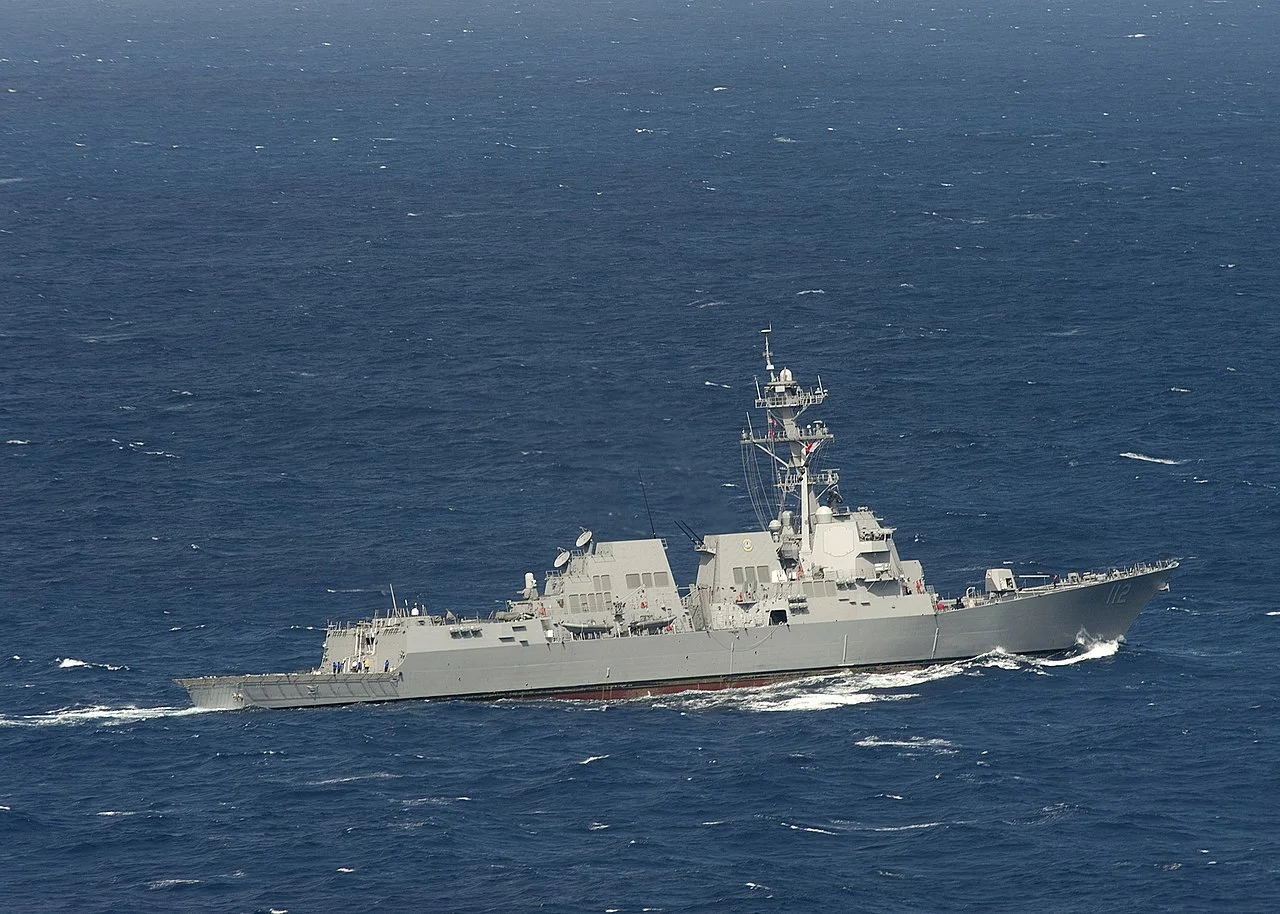
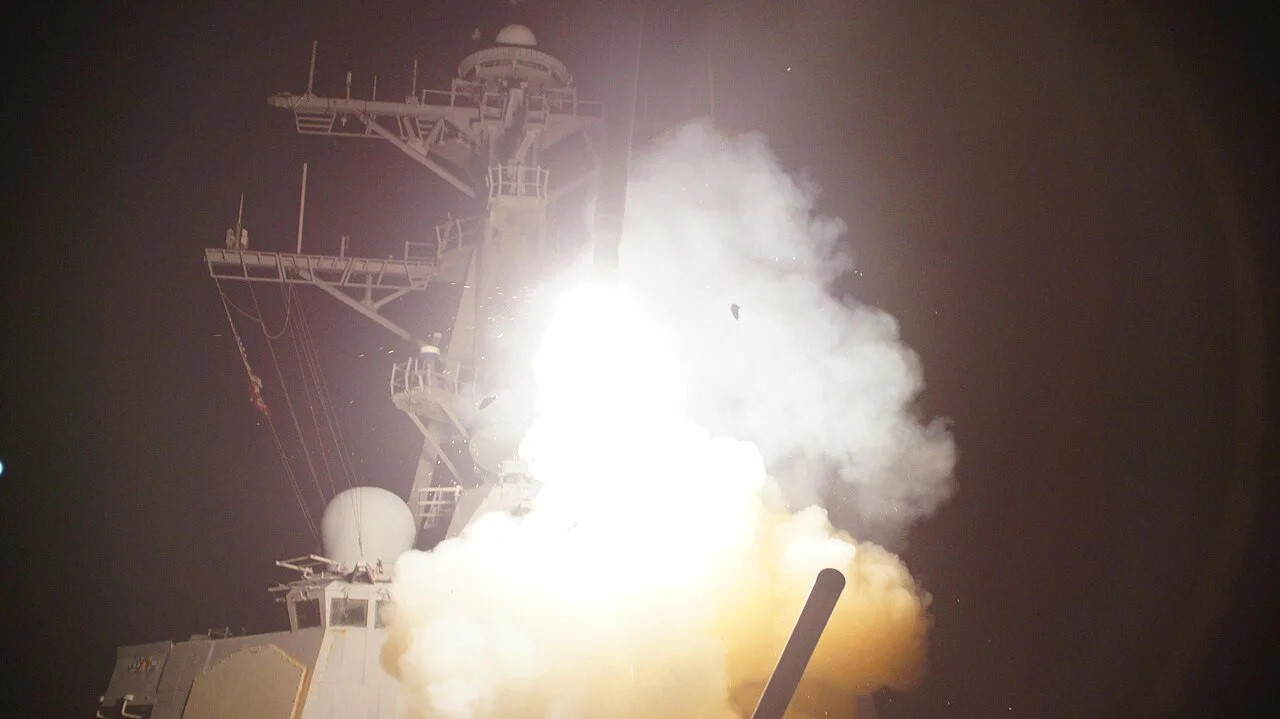
The Arleigh Burke-class guided-missile destroyer USS Michael Murphy (DDG-112) launched Tomahawk cruise missiles from its Mk 41 vertical launching system against Iranian military surveillance capabilities, communications nodes and air defense sites, Army Recognition reported, citing a June 10 announcement by US Central Command. CENTCOM framed the operation as self-defense, saying the targets were “assessed as threats to US forces and international commercial shipping.”
The trigger came earlier in the week, when a US Army AH-64 Apache went down near the Strait of Hormuz. President Trump said an Iranian munition lodged in the airframe without detonating, and both pilots survived. They were recovered by a Saronic Corsair unmanned surface vessel operated by the Navy’s Task Force 59 — what Naval News called the first search-and-rescue mission ever conducted by a USV.
- Who: USS Michael Murphy (DDG-112), Arleigh Burke-class destroyer
- What: Tomahawk strikes on Iranian surveillance, communications and air defense targets
- When: Announced by CENTCOM on June 10, 2026
- Trigger: Downing of a US Army AH-64 Apache near the Strait of Hormuz
- Iran’s response: Hormuz declared closed; five missiles intercepted over Jordan; Kuwait airspace shut
- A first: Unmanned surface vessel conducts history’s first USV pilot rescue
Background: A Conflict Escalating Since March
The US-Iran confrontation that began in March 2026 reignited after ceasefire talks collapsed. According to The Defense Post, Trump accused Iranian negotiators of bad faith and vowed new strikes, while Tehran blames Washington for breaking the truce. By April, Iran had fired 281 missiles and drones toward Jordanian airspace alone since the conflict began, with 261 intercepted.
The Strikes and the Regional Chain Reaction
Jordan’s armed forces said they intercepted and shot down five missiles launched from Iran toward Azraq — the area hosting Muwaffaq Salti Air Base, where US and European air crews operate. Iran’s Revolutionary Guards claimed the salvo targeted a US “command center.” Kuwait’s civil aviation authority closed national airspace from 4:50 a.m. Thursday, citing “Iranian attacks on the State of Kuwait” and risks to civil aviation, diverting flights to alternate airports.
| Date | Event |
|---|---|
| June 8 | AH-64 Apache downed near the Strait of Hormuz; both pilots rescued by a Corsair USV |
| June 10 | CENTCOM announces USS Michael Murphy’s Tomahawk strikes; Trump vows to hit “very hard” |
| June 10-11 | Iran fires at Azraq, Jordan; five missiles intercepted |
| June 11 | Iran declares Hormuz “closed to all vessels”; Kuwait shuts airspace; UN chief warns of “full war” |
The Hormuz Question
Iran’s Khatam al-Anbiya headquarters declared that “any vessel traffic through the Strait of Hormuz will be targeted,” and the Revolutionary Guards navy claimed it had already struck two vessels attempting passage. Roughly a fifth of the world’s traded oil transits the strait; whether tanker traffic actually halts in the coming days will be the key indicator of how far Tehran can enforce the declaration.
Why It Matters for Turkey
A closed Hormuz touches Turkey through energy security — every Gulf supply disruption raises the strategic weight of corridors running through Turkish territory — and through defense demand. After Iran’s earlier missile and drone barrages, Gulf states sharply increased interest in Turkish air defense and loitering-munition solutions such as Cirit, Alka and Tolga at SAHA Expo. Each new round of escalation widens the market for cost-effective, rapidly deliverable Turkish systems. The Corsair rescue also validates a field Turkey pioneered: armed and multi-role unmanned surface vessels. With ULAQ, MARLIN and Albatros-S, the Turkish Navy was among the first in the world to field combat USVs, and the rescue shows the mission set is expanding exactly as Ankara’s USV roadmap anticipated.
Frequently Asked Questions
What did the Tomahawks hit?
Is Hormuz actually closed?
Why is the USV rescue historic?
Bottom Line
The chain that began with a downed Apache now spans Tomahawk strikes, a declared closure of the world’s most critical oil chokepoint and missile traffic spilling into Jordan and Kuwait. The next signal to watch is whether tankers keep moving — and whether “limited and defensive” remains an accurate description of what both sides are doing.