





Ukraine Unveils Its New Deep-Strike Weapon: the ‘Bars’ Drone-Missile With 800 km Range

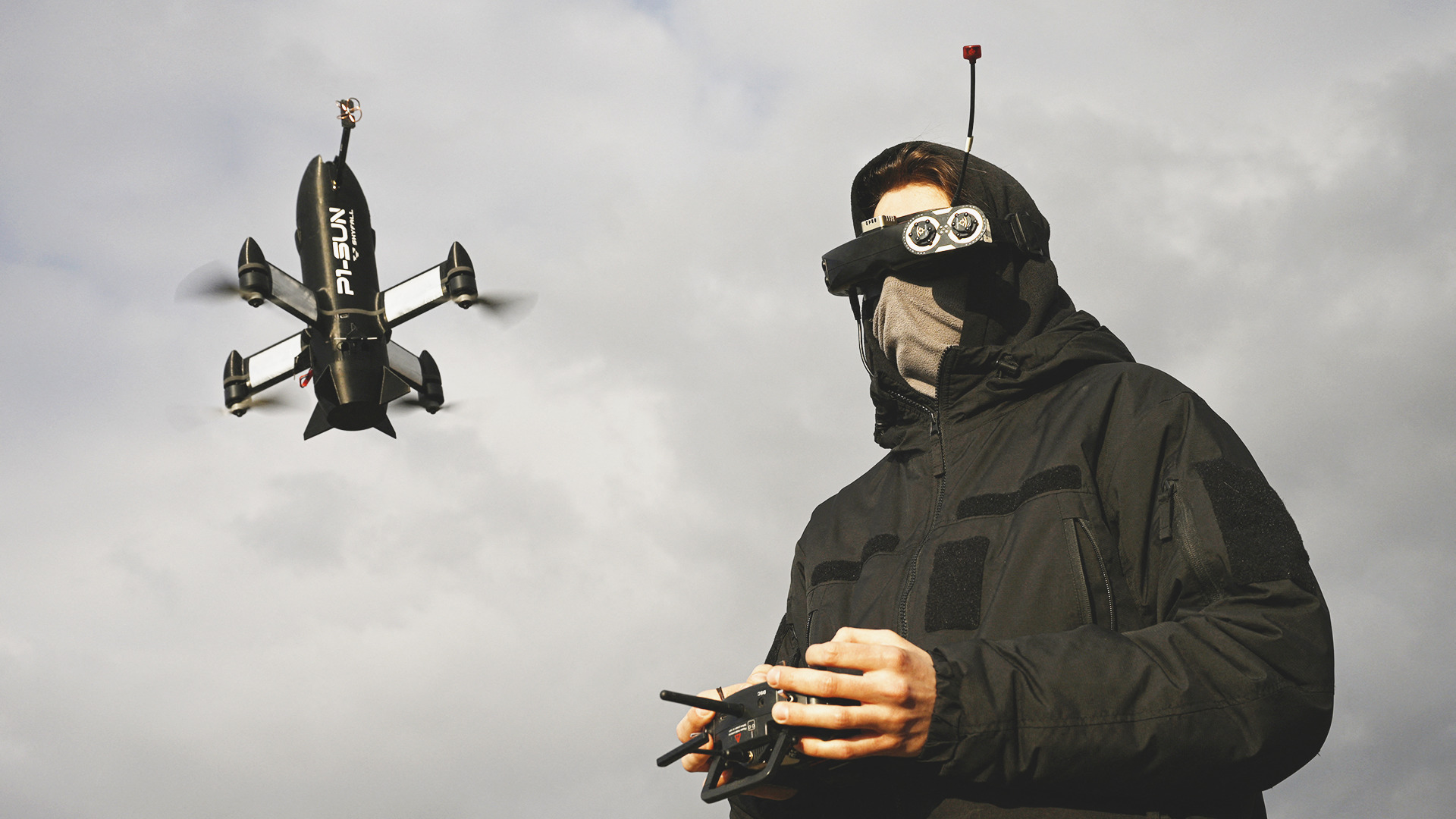
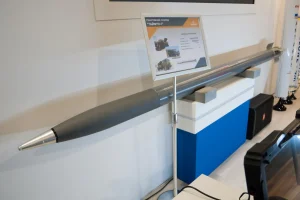
- System: Bars — a hybrid ‘drone-missile’ between cruise missile and long-range UAV
- Range: up to 800 km at high subsonic speed over long distances
- Warhead: 50-100 kg class; compact turbofan engine, fixed-wing airframe
- Reveal: Minister for Strategic Industries Herman Smetanin; a private-sector design
- Key edge: scalable, low-cost mass production inside Ukraine
A new class between cruise missile and drone
The hardest lesson Ukraine learned through the war is blunt: expensive weapons in small numbers do not cut it against a numerically superior enemy. Bars is the product of exactly that lesson. Kyiv describes the new weapon as a hybrid of a classic cruise missile and a long-range unmanned aircraft; with its compact turbofan engine and fixed-wing airframe, it aims to be as precise as a missile yet as cheap as a drone.
That design carves out a ‘Middle Strike’ category in the field. A range reaching 800 kilometers brings Russia’s rear-area fuel depots, air bases and munitions plants into reach. Announcing the weapon’s existence, Strategic Industries Minister Herman Smetanin said Bars was developed through private-sector initiative and resembles the earlier Peklo missile in range and flight profile.
Dig deeper, and Bars’s real strength lies not in its specs but in its production philosophy. Ukrainian officials highlight its biggest advantage as the ability to be mass-produced at home. The goal is not a few showcase strikes but hundreds — and, if needed, thousands — of airframes pushed to the front. In a war of attrition, that means setting quantity alongside quality.

Cheap, plentiful, deep: a changing strike logic
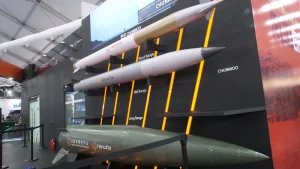
Bars is not a lone weapon but part of a trend. Over the past year Ukraine has fielded a string of distinct long-range systems — Ruta, Peklo and the FP-5 Flamingo — all sharing one trait: they are comparatively cheap and quick to build. Bars can launch from the ground or from aircraft, freeing it from dependence on a single platform.
Seen broadly, this shift is rewriting the economics of modern war. On one side, million-dollar cruise missiles; on the other, drone-missiles that do much the same job for far less. The more Russia’s air defenses must answer every threat with costly interceptors, the more the equation tilts toward the attacker. That asymmetry is what makes Bars matter.
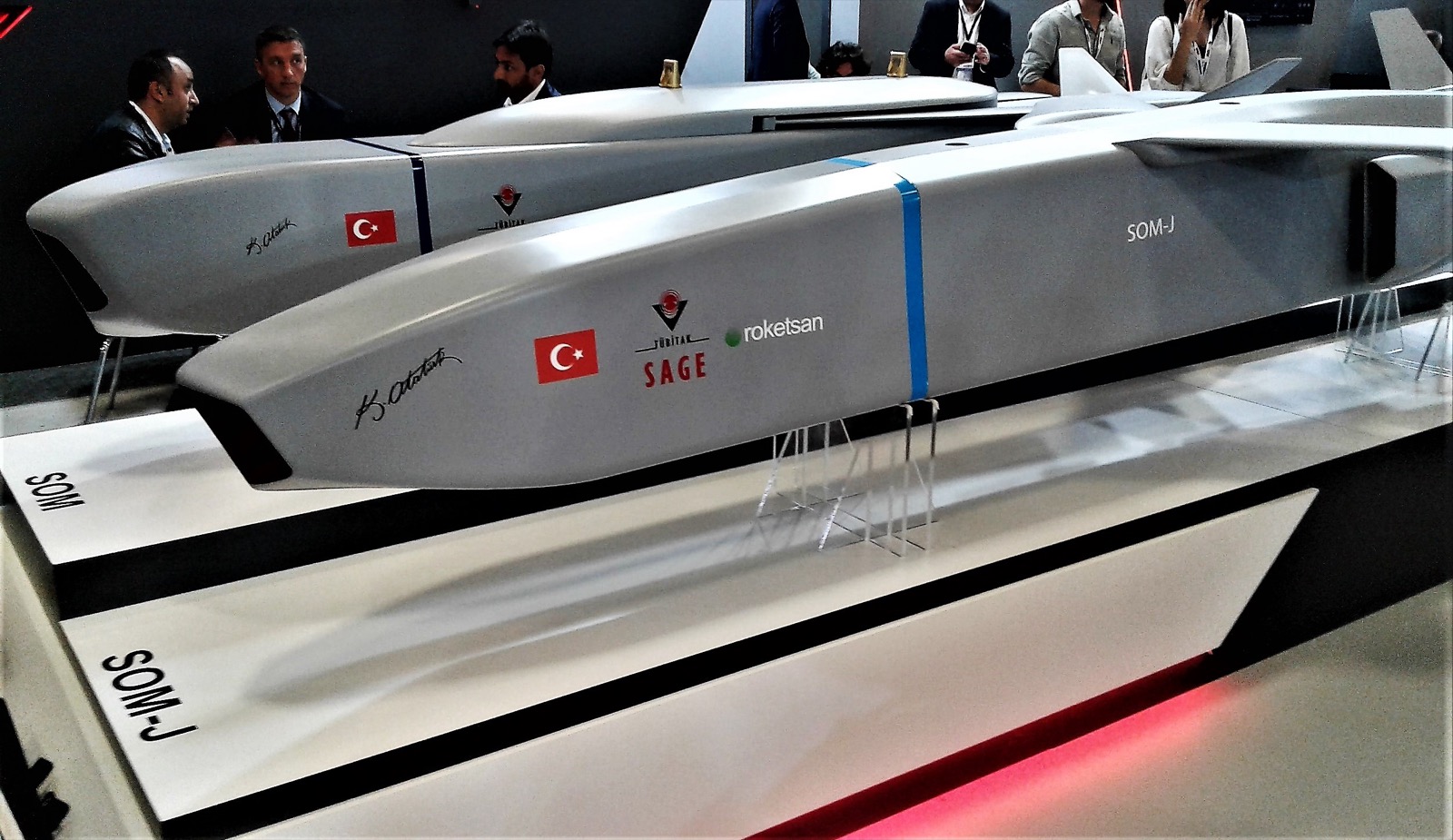
This is where the Turkish angle surfaces. Roketsan’s SOM and the GEZGİN cruise missile under development, along with Baykar’s KEMANKEŞ mini smart missile, follow the same ‘cheap but precise, mass-producible’ logic. Türkiye has for years positioned serially produced guided munitions as a tool of deterrence; Ukraine’s move with Bars is the freshest field proof of a trend Ankara spotted early.